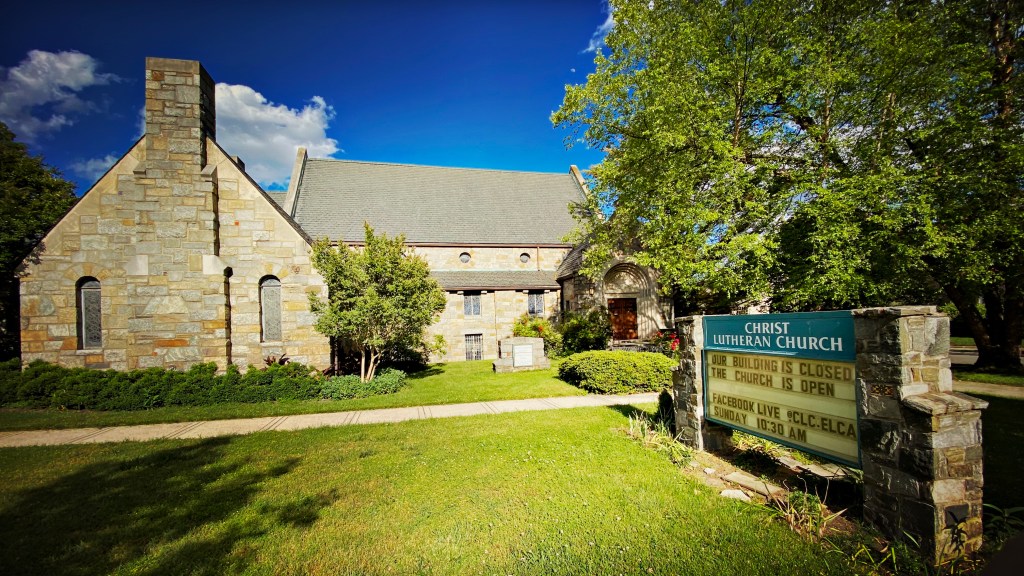
Day 88

Adams Morgan (June 19, 2020)

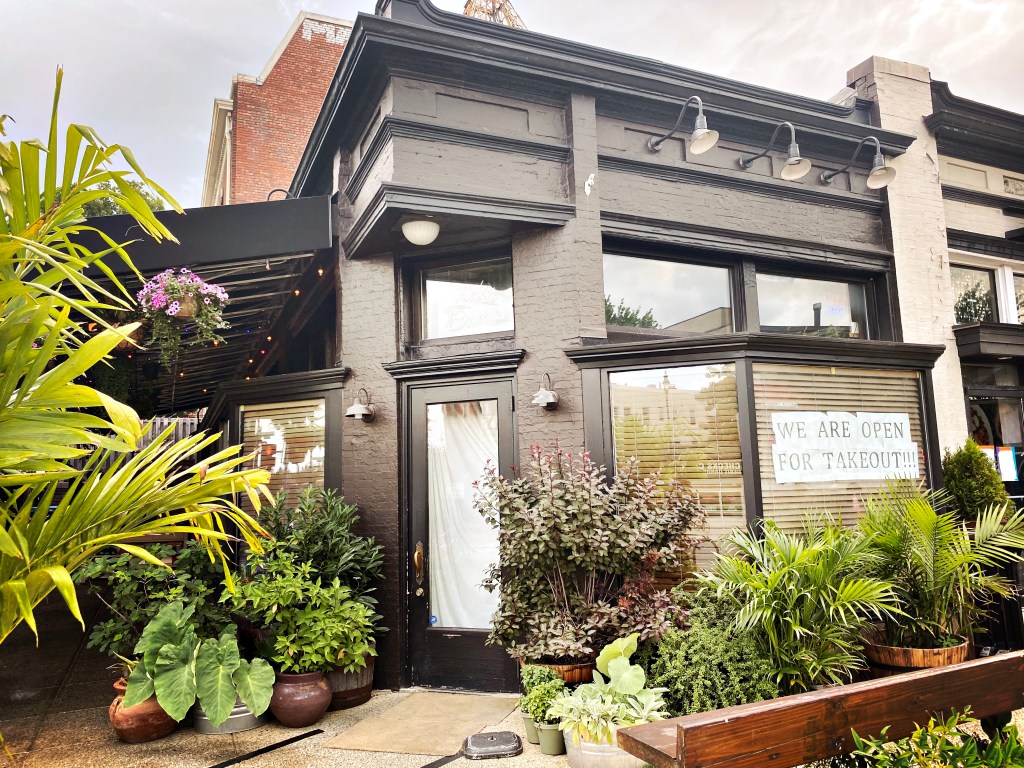
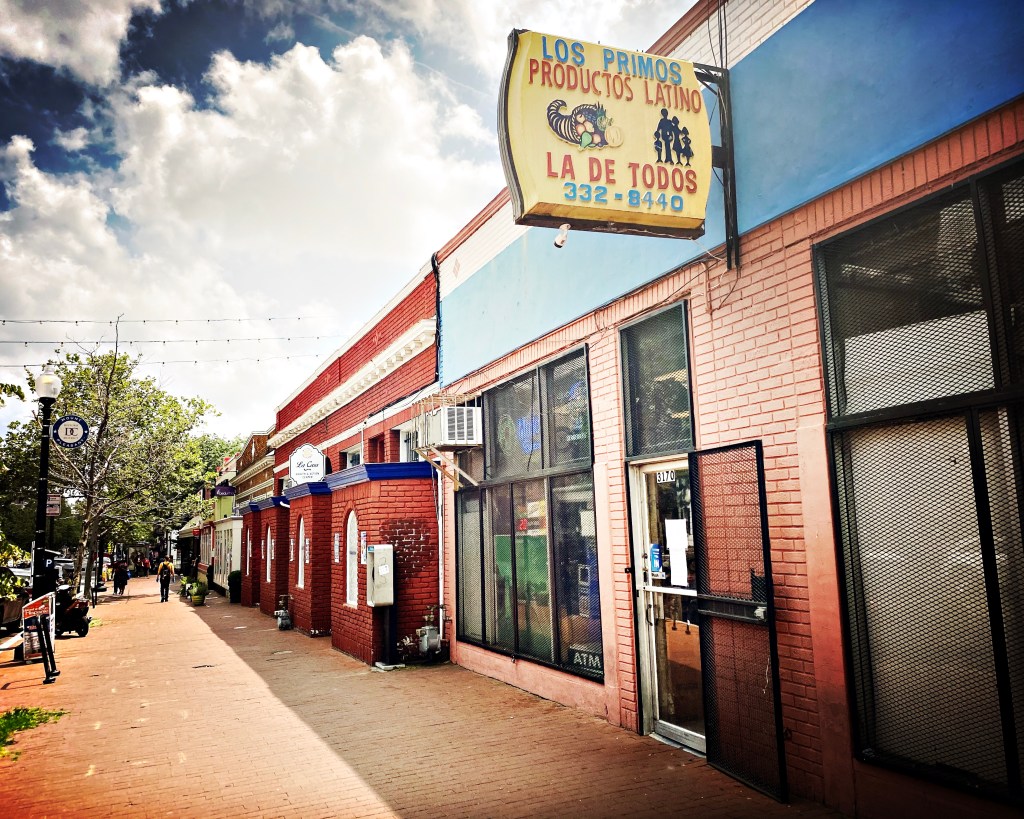
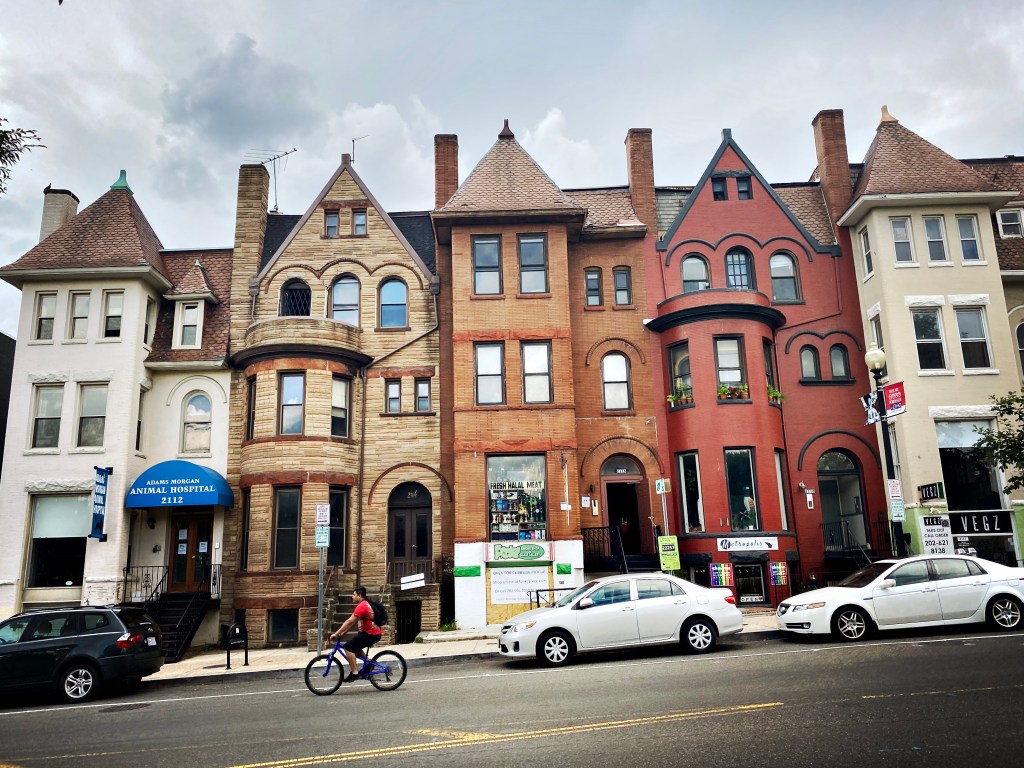
Today, we started exploring the heart of Adams Morgan. It’s a little more urban and gritty than neighboring Kalorama. The neighborhood gets its distinctive name from the two formerly segregated area elementary schools. The older black school was named for Thomas P. Morgan, an American writer, editor and poet who lived from 1864 to 1928. The white school was named for John Quincy Adams, the sixth president of the United States. District schools were desegregated in 1955 and the Adams-Morgan Community Council formed in 1958 to implement the desegregation. Historically, the area has been culturally diverse and politically left leaning. However, like the surrounding neighborhoods, since the 1990s, it has become gentrified. It does still retain a degree of diversity, most evident in the array of international shops and restaurants that line 18th Street and Columbia Road.
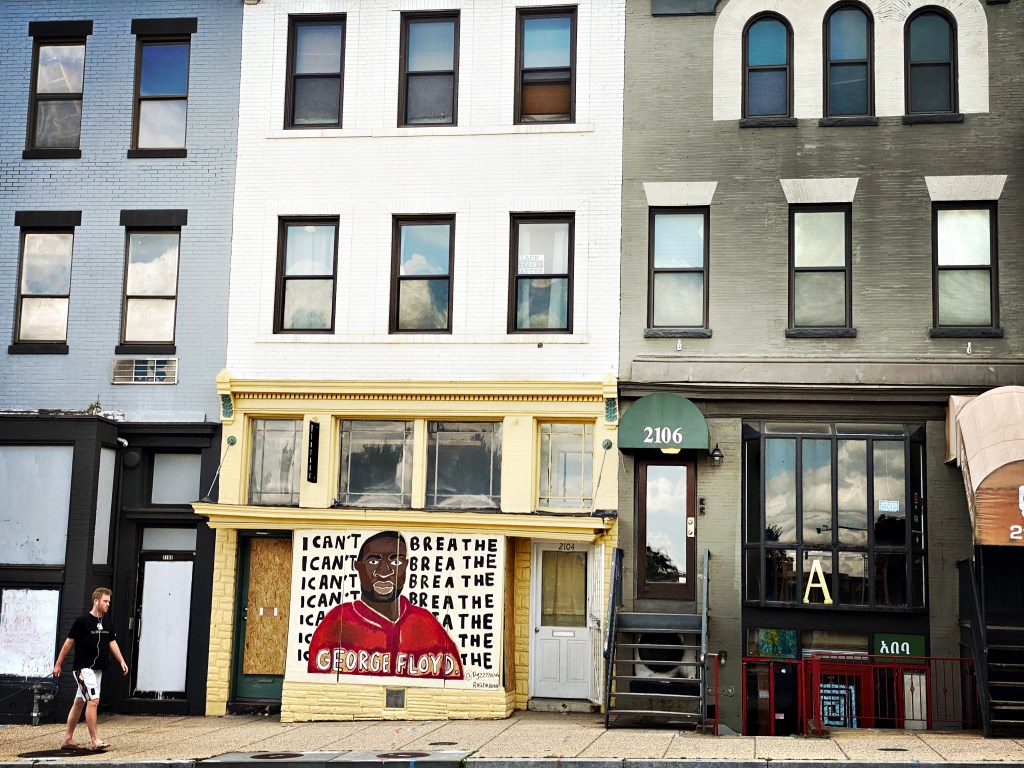
Community activity, centers around the Marie H. Reed Learning Center which combines an elementary school, health center and community center. The sprawling center, constructed in 1977, is surrounded by tennis and basketball courts, playgrounds, an athletic field and outdoor chess tables. It stands at the spot where the Morgan school once stood. The center is named for Marie Reed, a local African American minister and civic leader who was instrumental in having the old dilapidated school torn down and replaced with the new center.

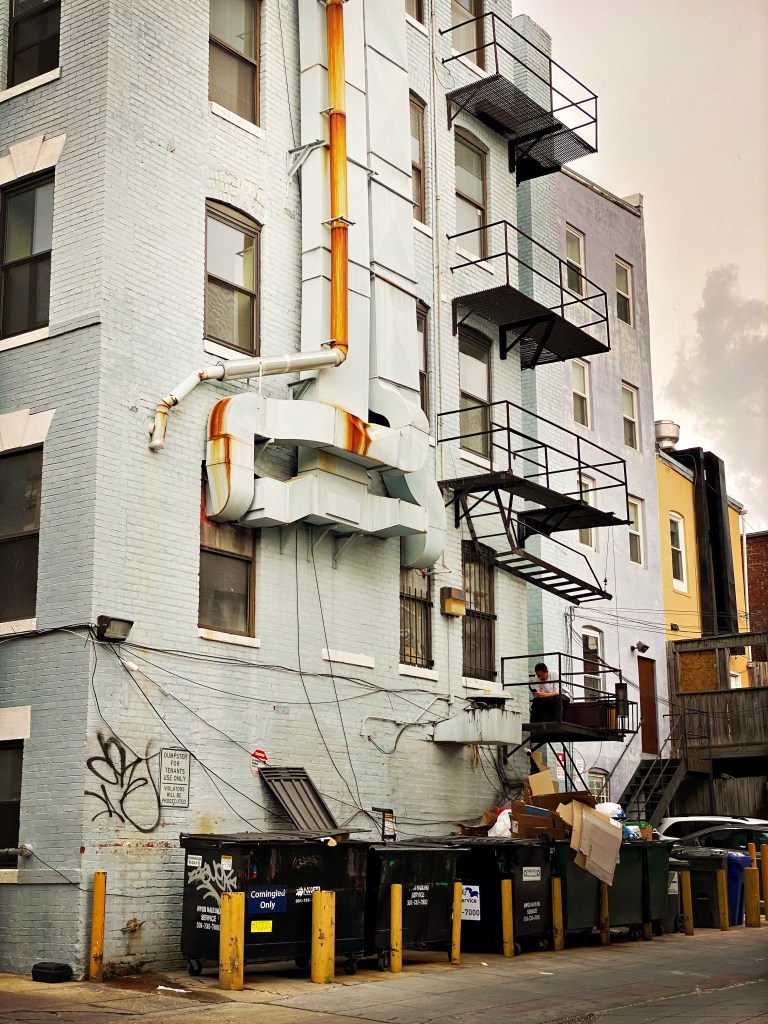
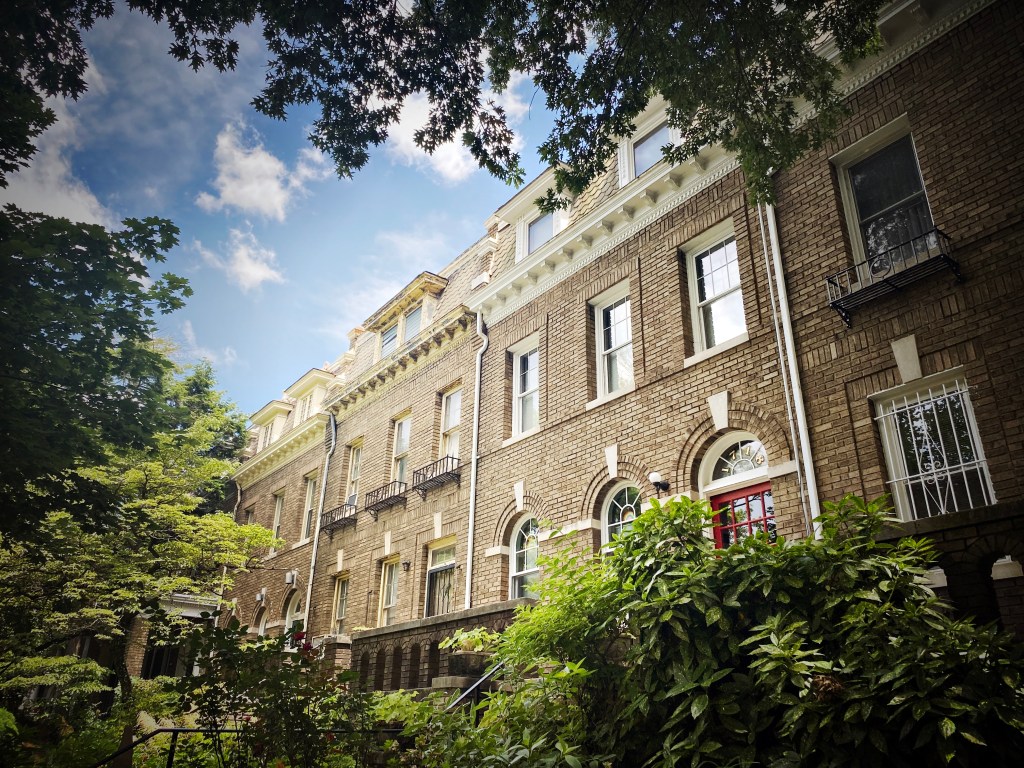
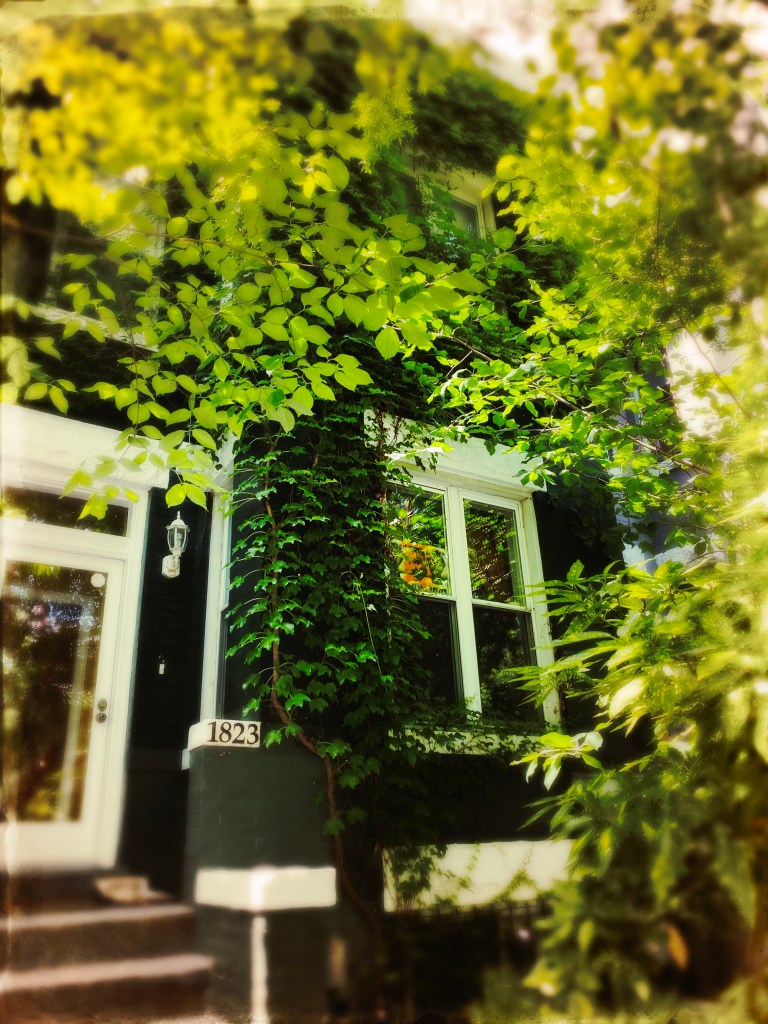
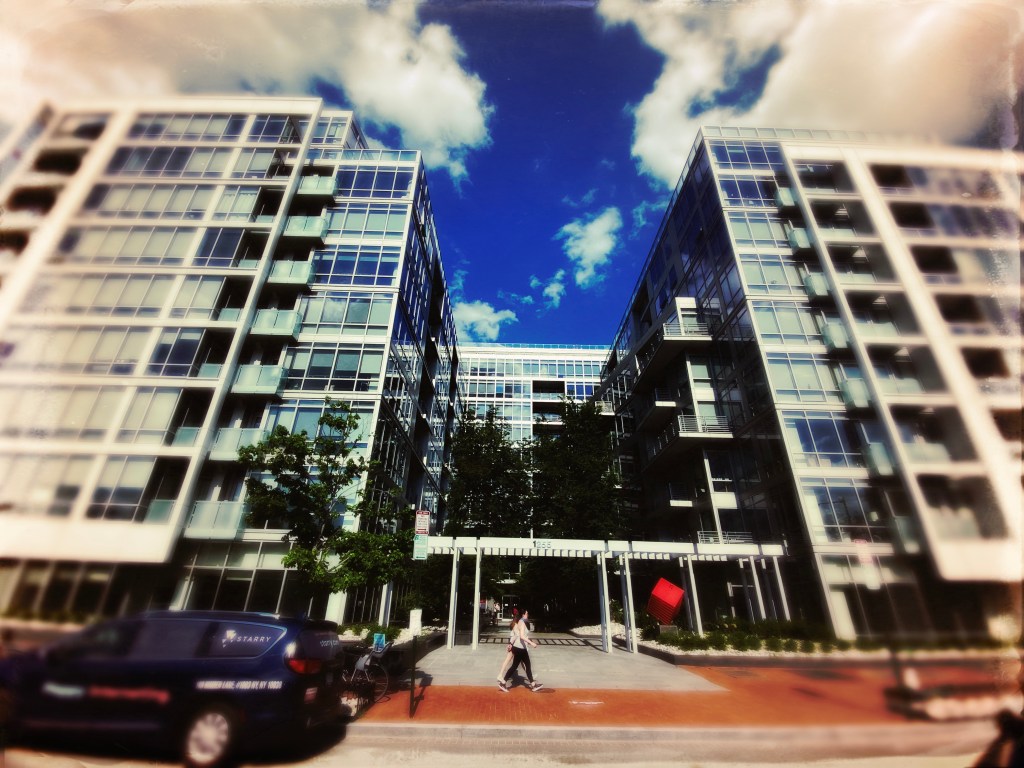
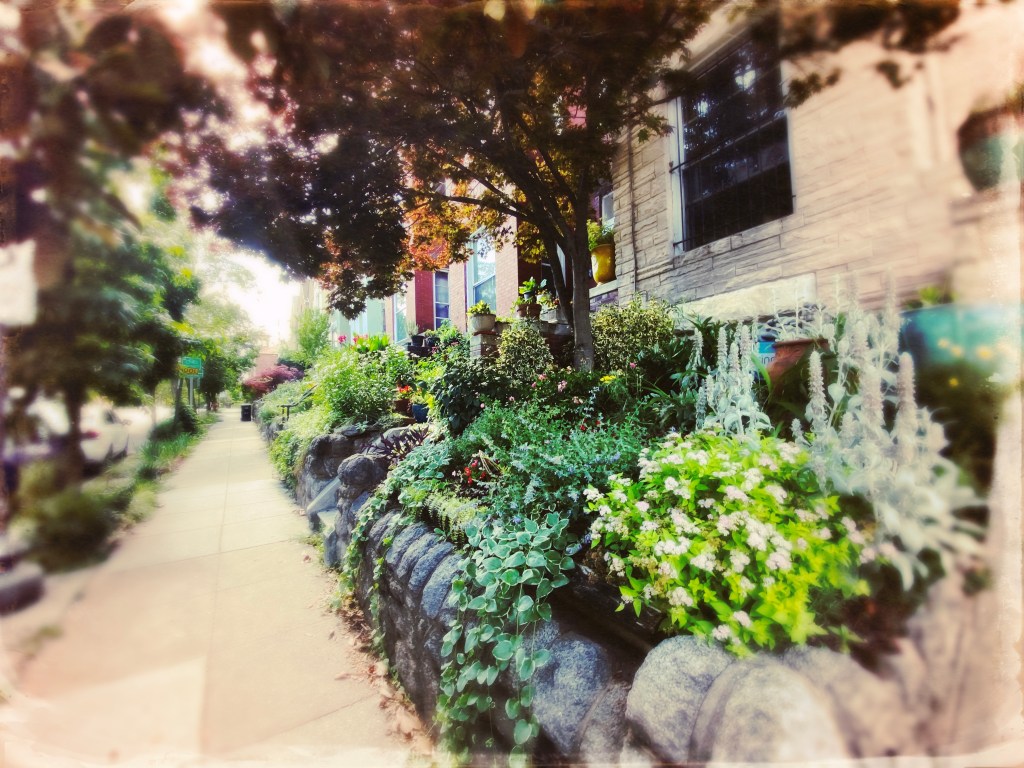
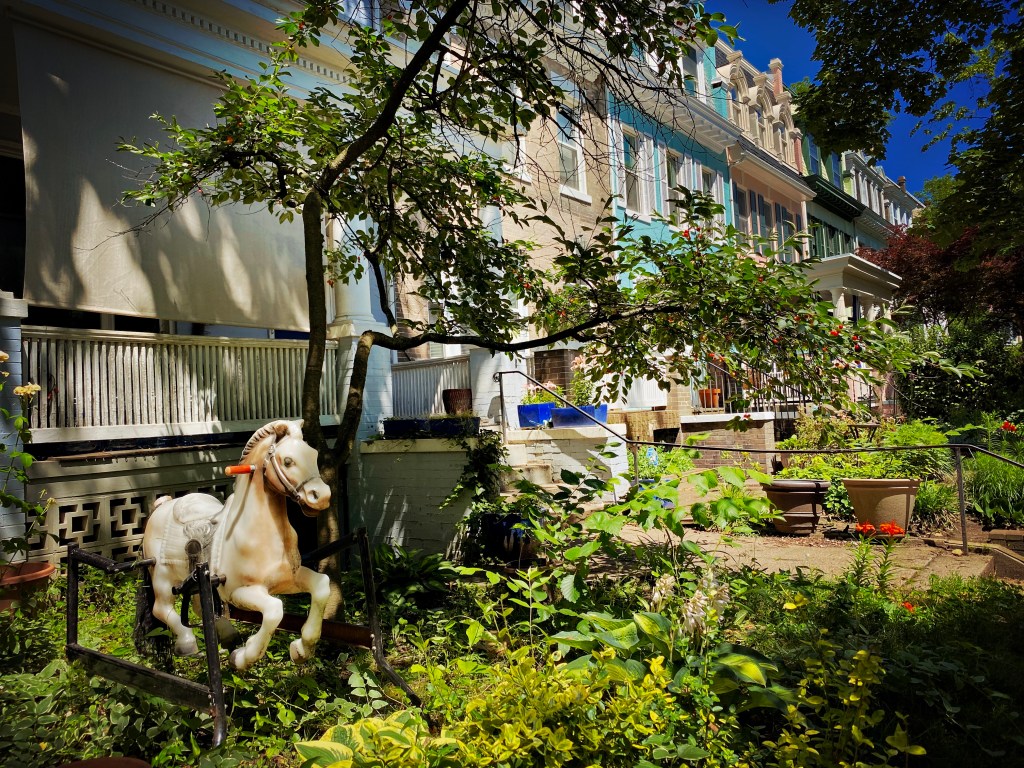
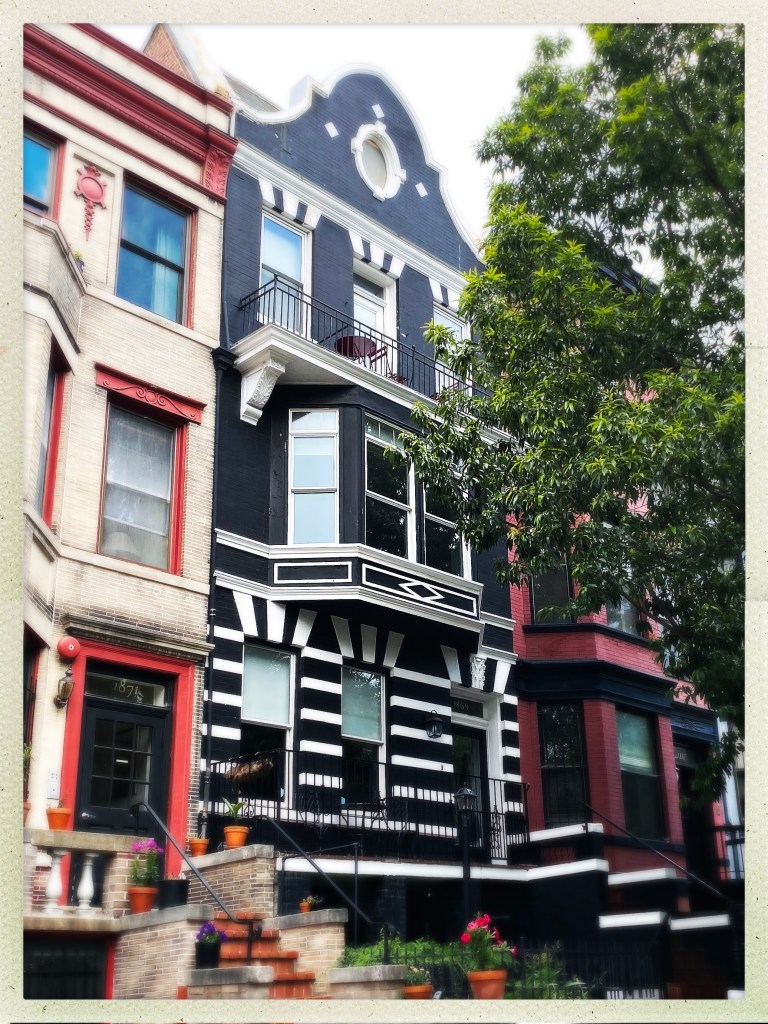
Adams Morgan’s side streets consist mainly of row houses and low rise apartment buildings.
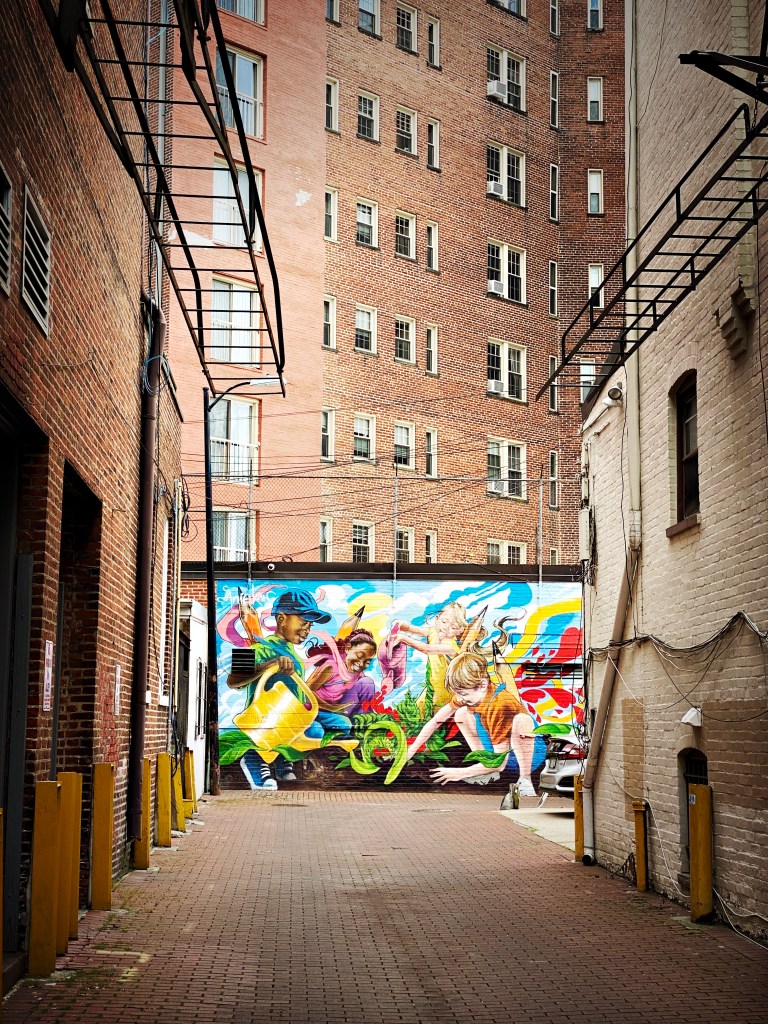
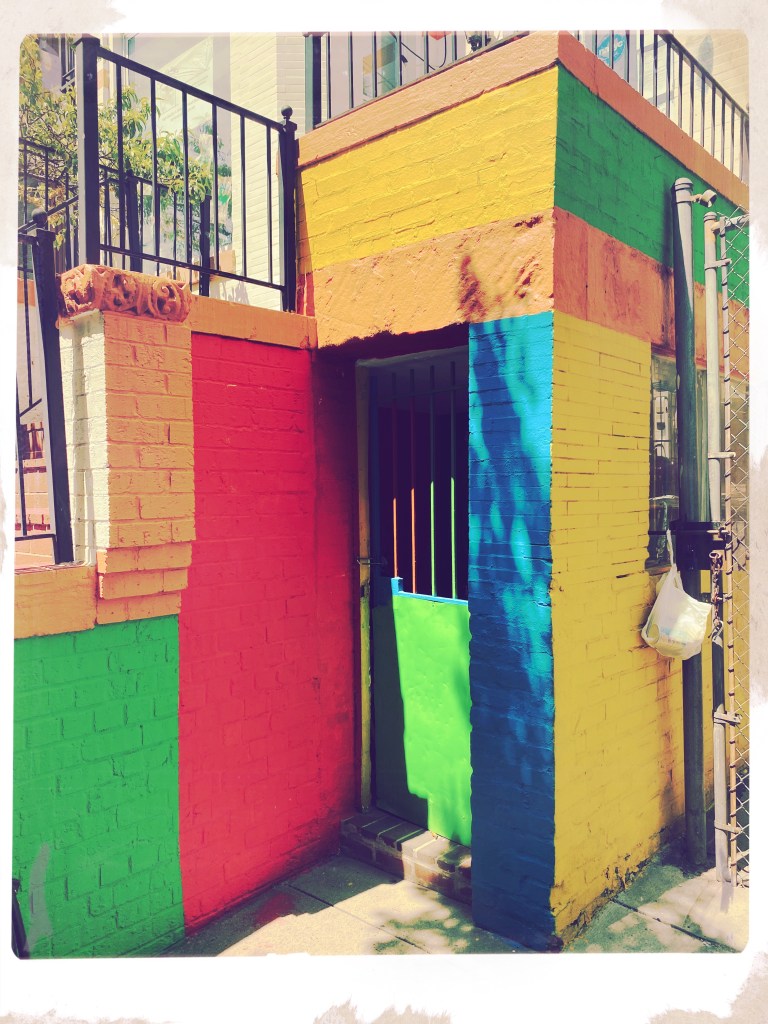
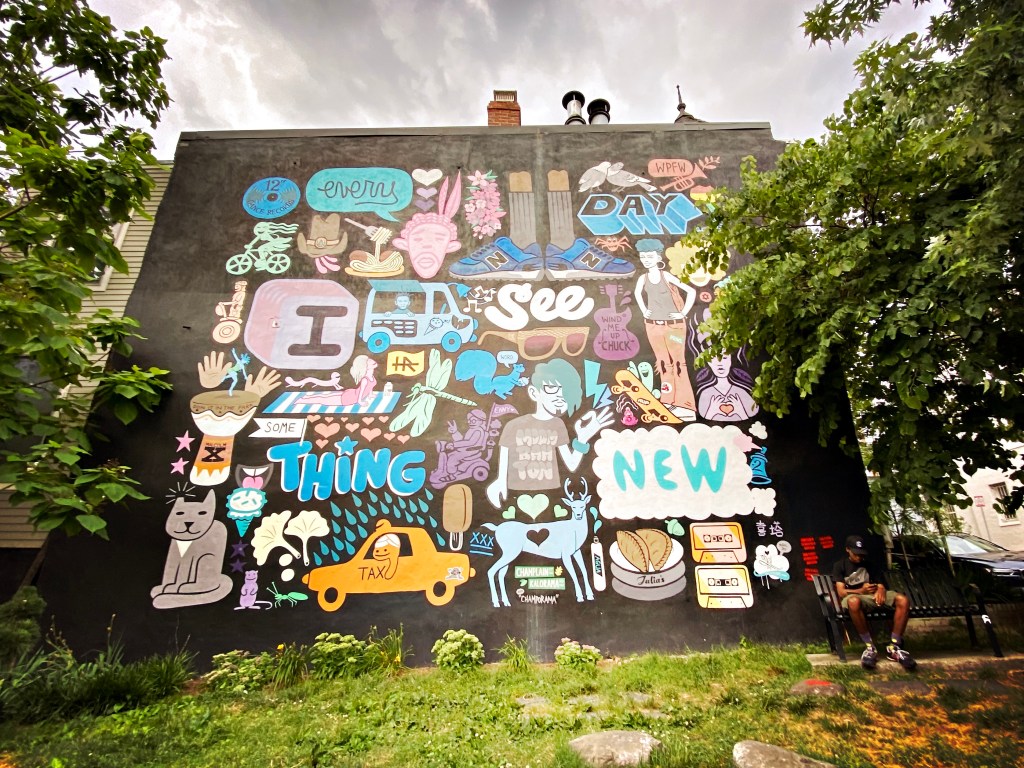
There are also some great murals.
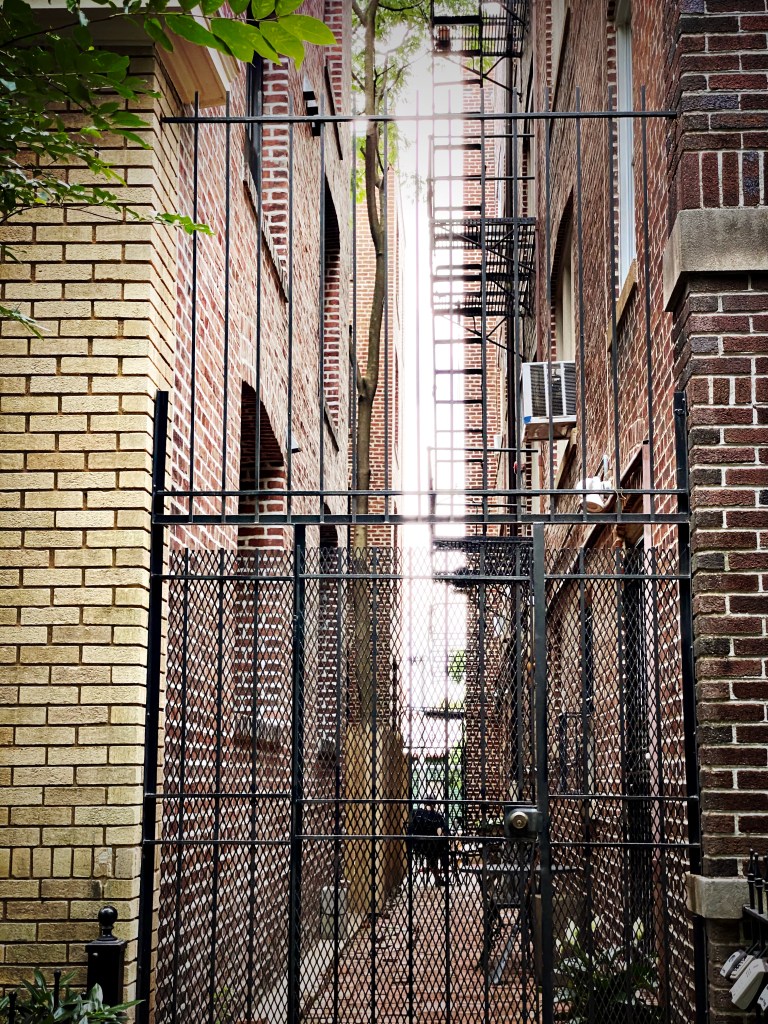
And some quiet spots to catch up on some reading, do some work or check your emails and texts.
Day 87

Kalorama Triangle / Adams Morgan (June 18, 2020)

Today we enjoyed walking the tree lined streets of Kalorama Triangle.

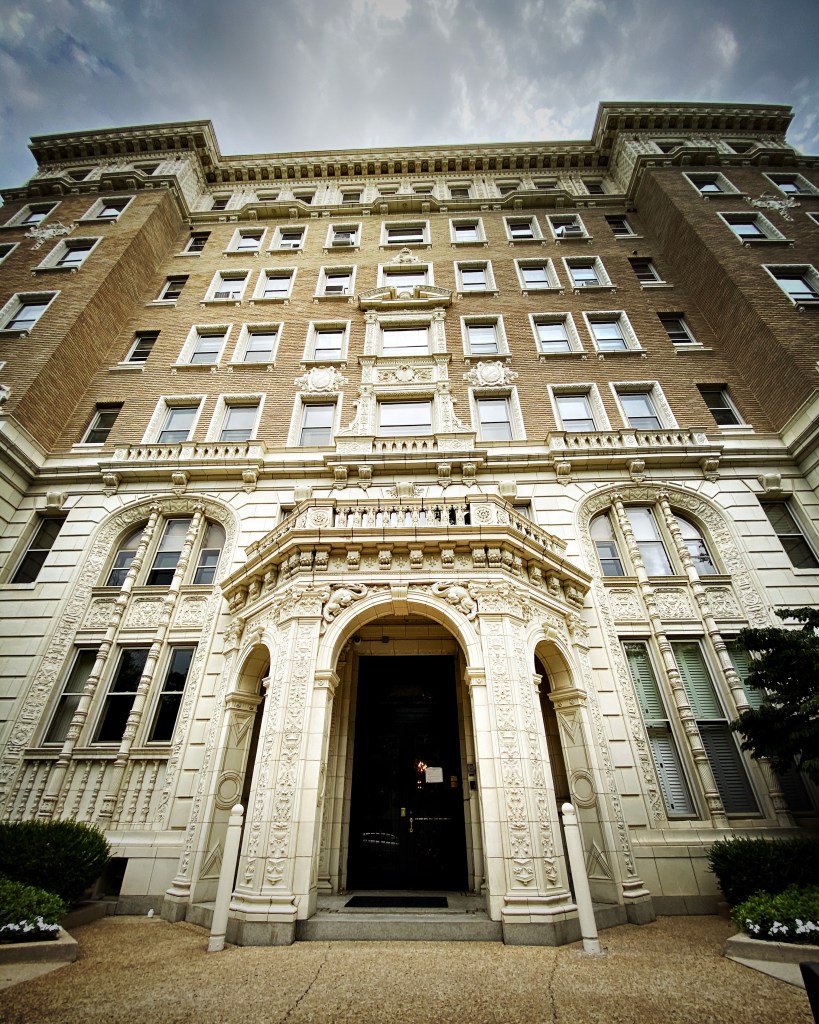
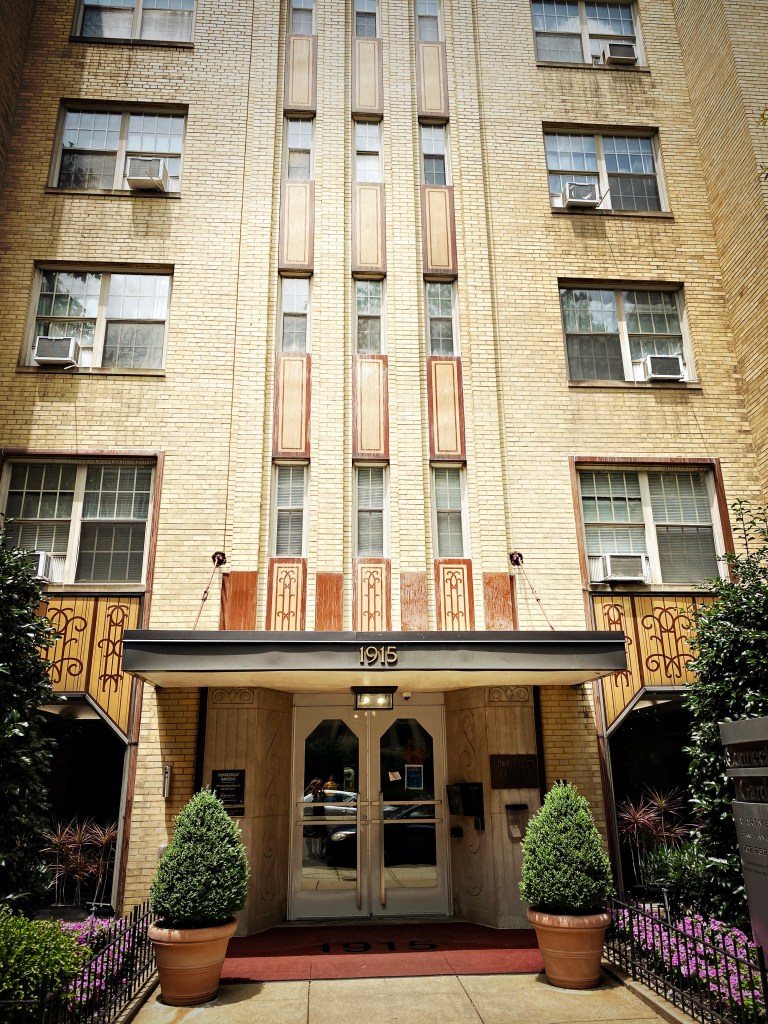
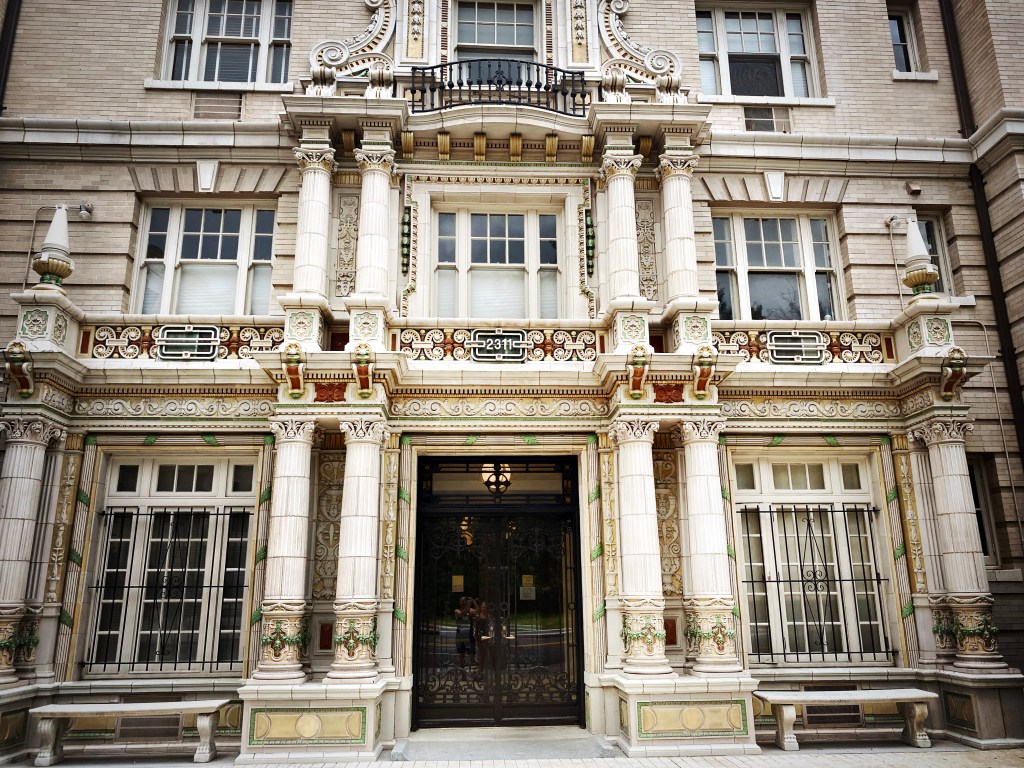
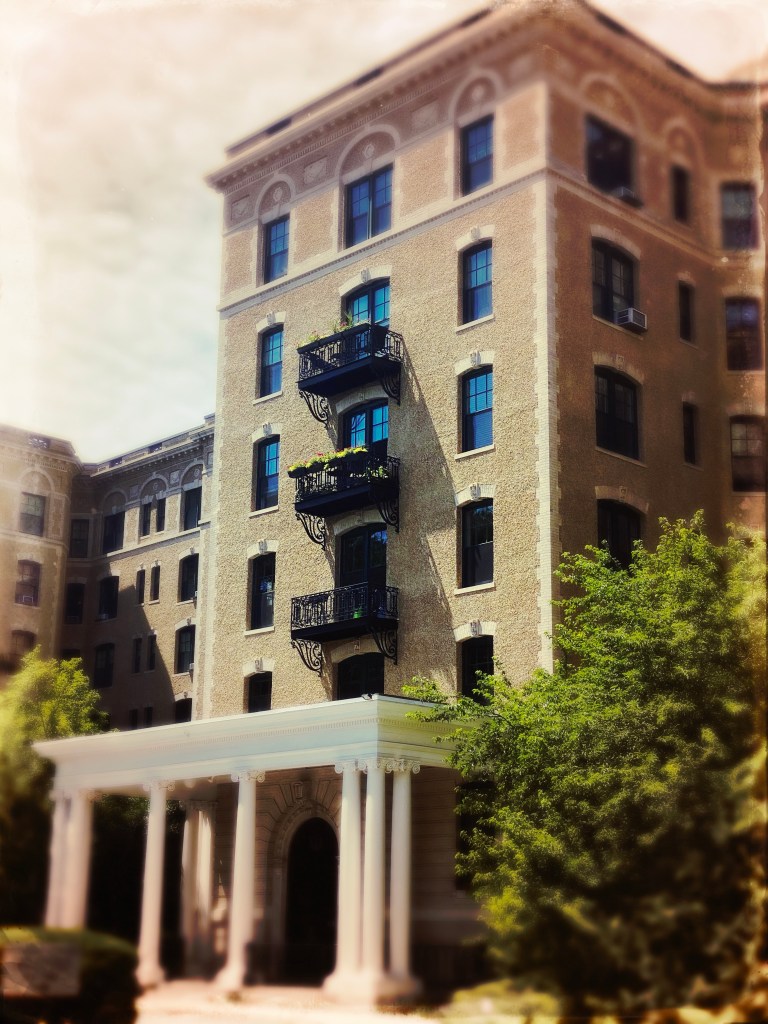
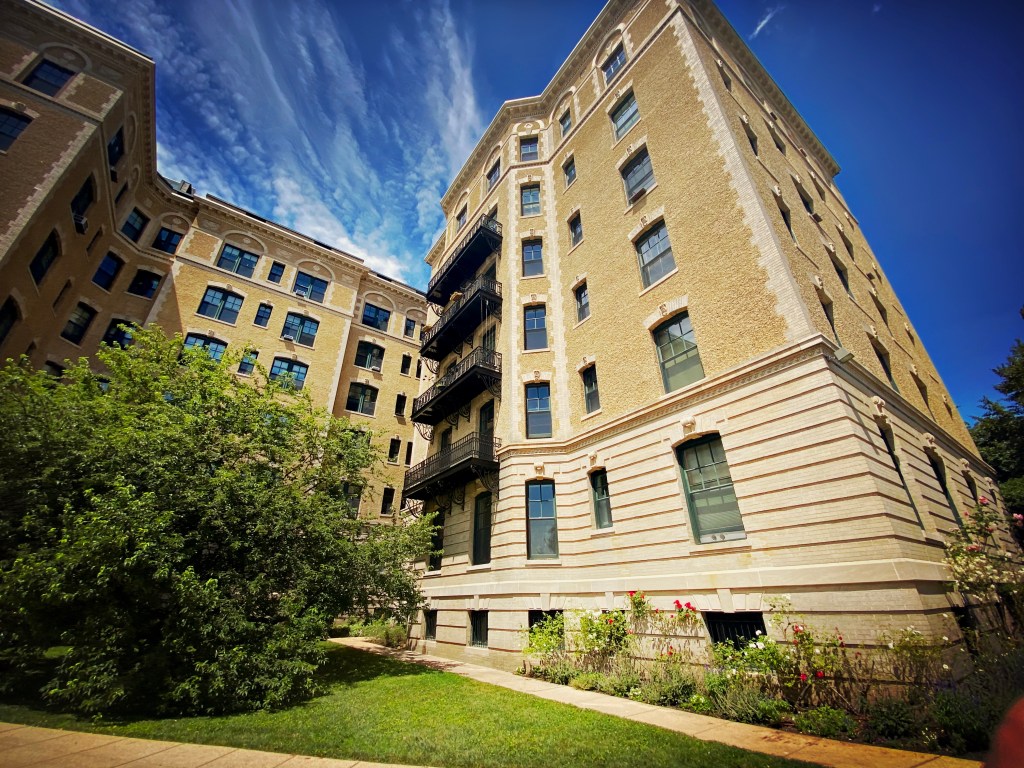
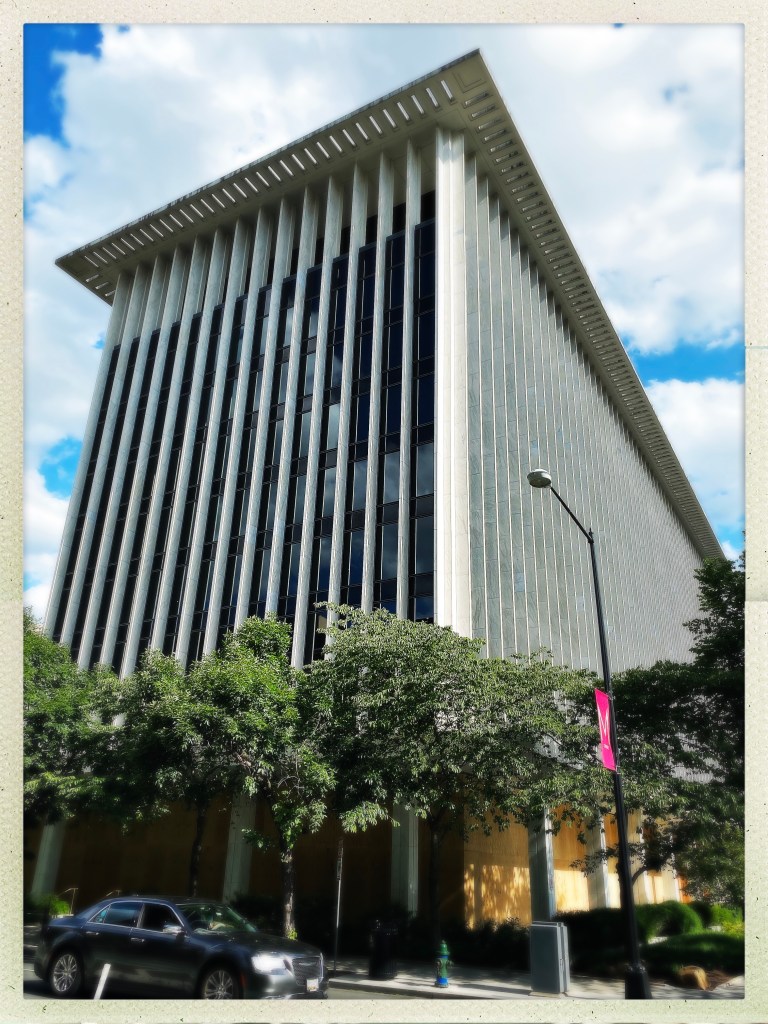
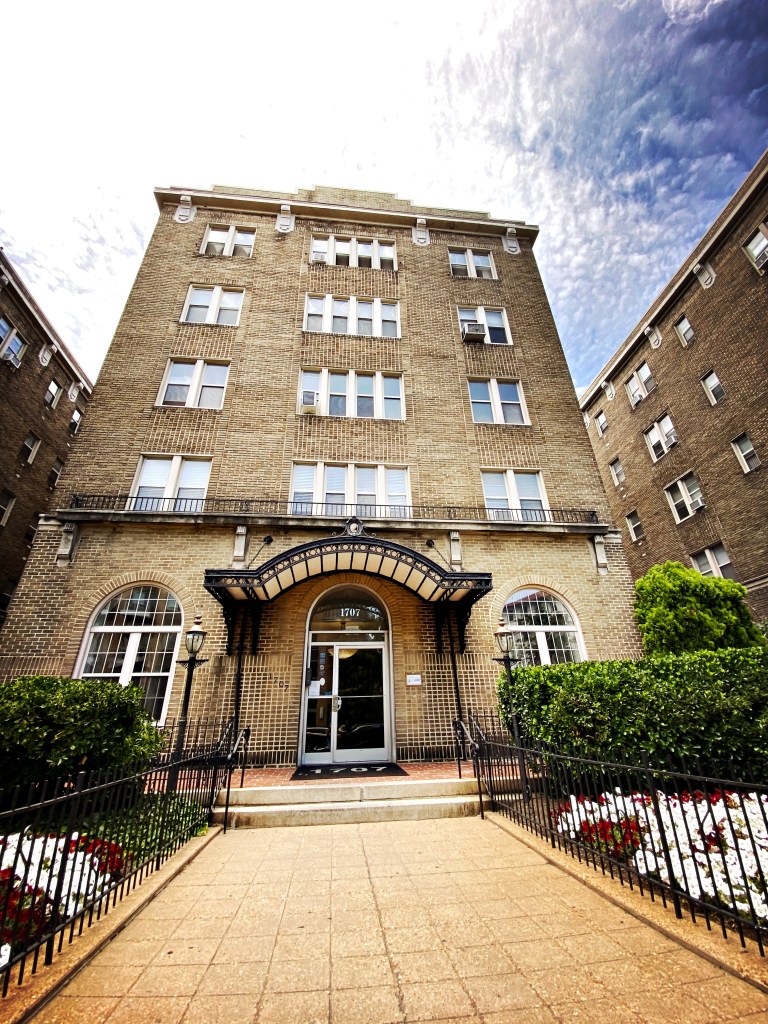
The Triangle does not have the beautiful embassies and mansions of Kalorama on the other side of Connecticut Avenue. However, it does have more than its fair share of beautiful apartment buildings.

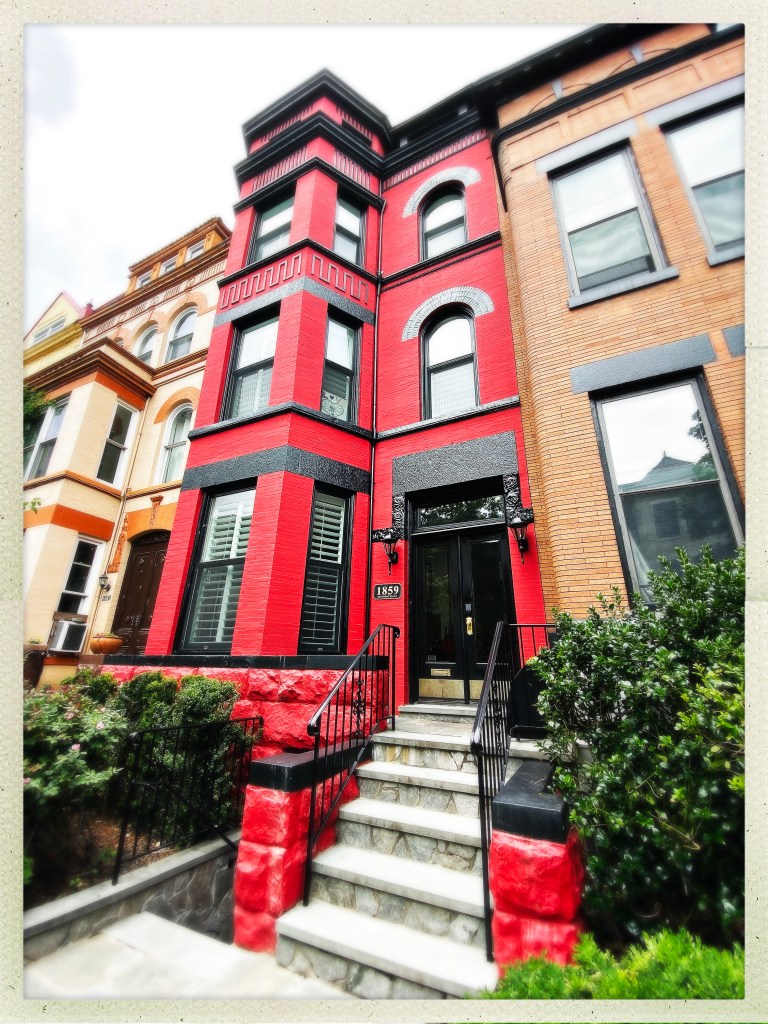
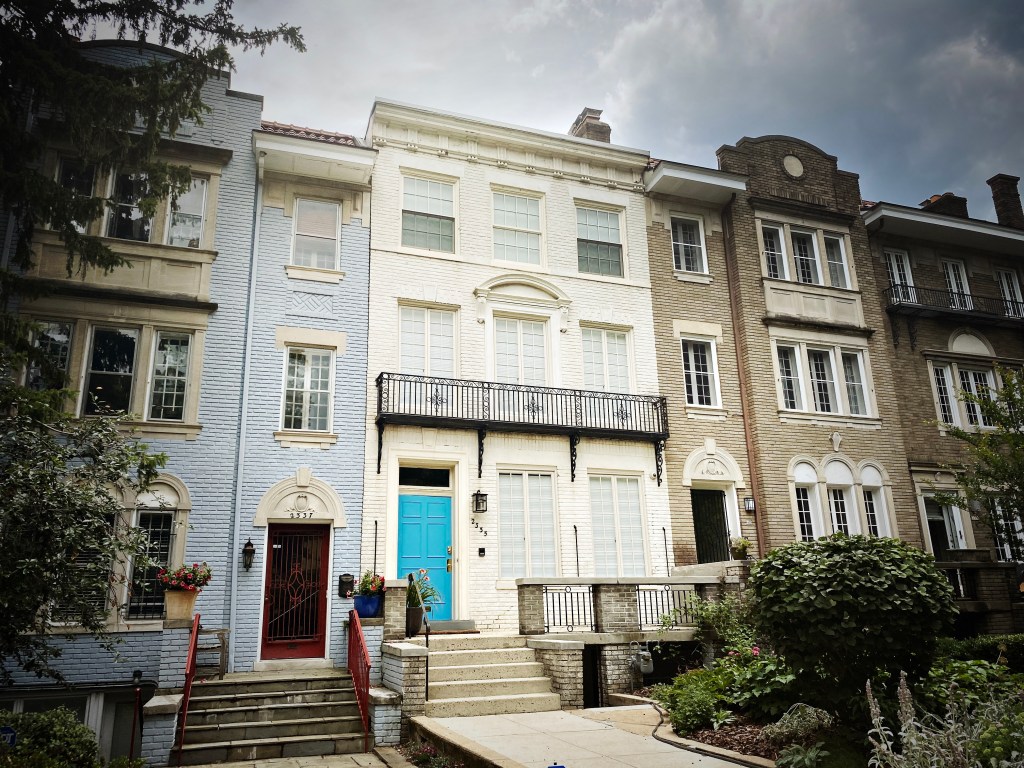
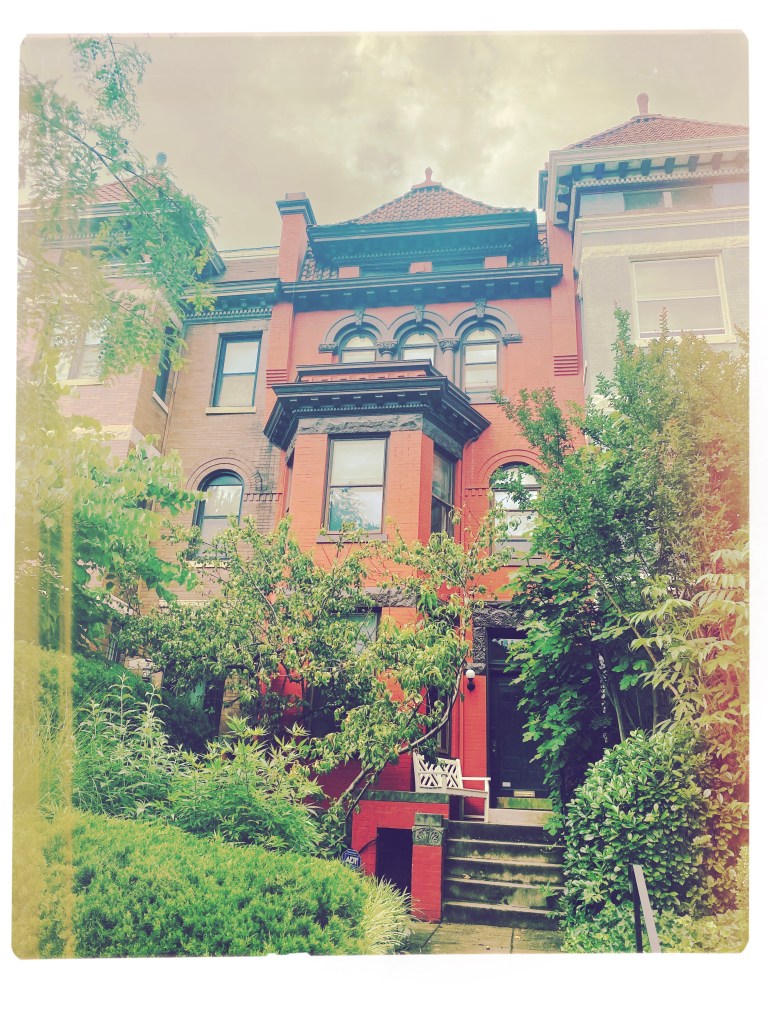
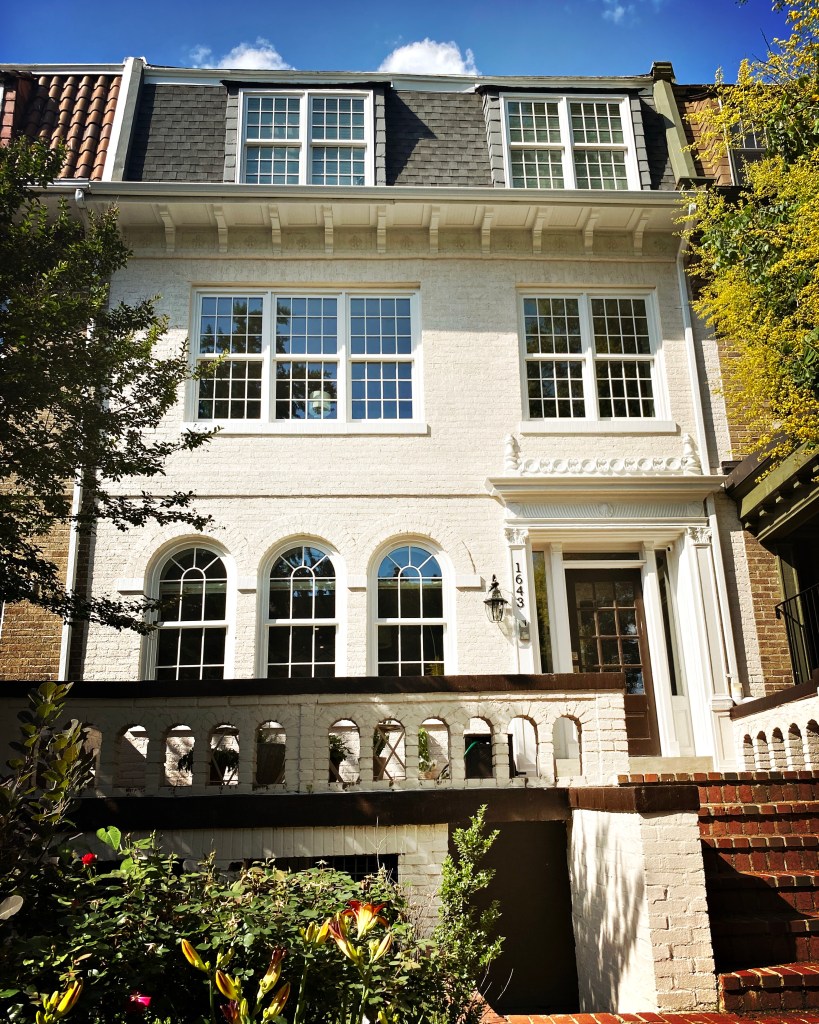
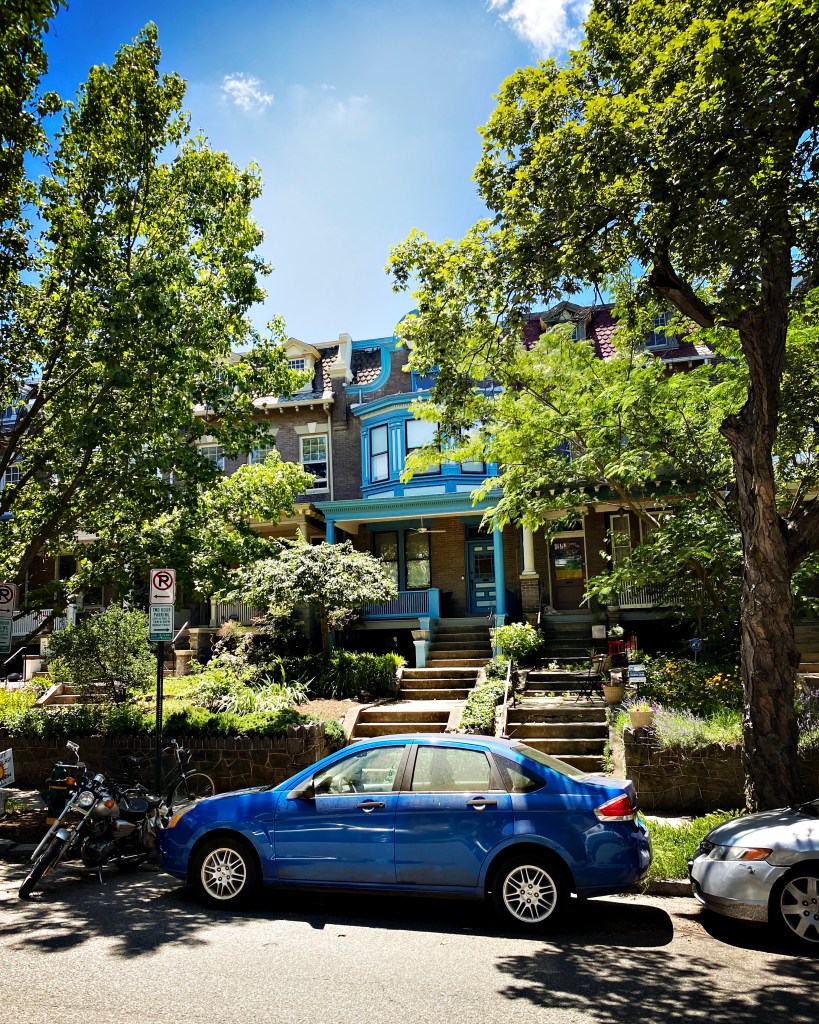
It also has many beautiful and colorful row houses.

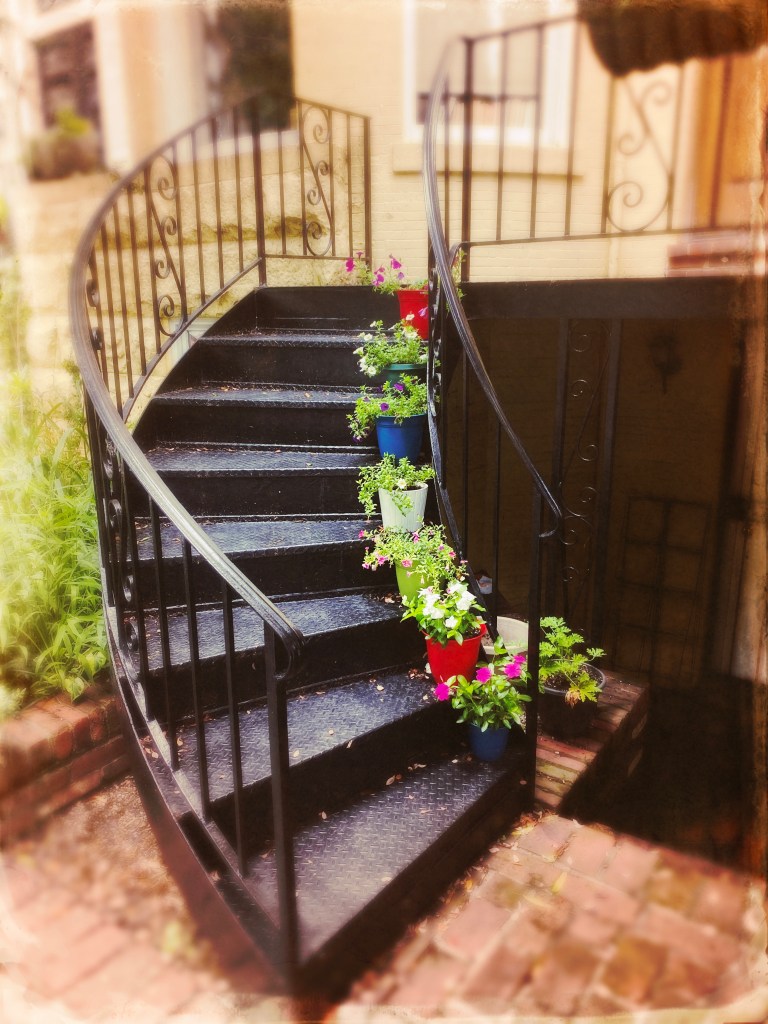
Many of the row houses have steps going up to their front doors and basement apartments underneath.

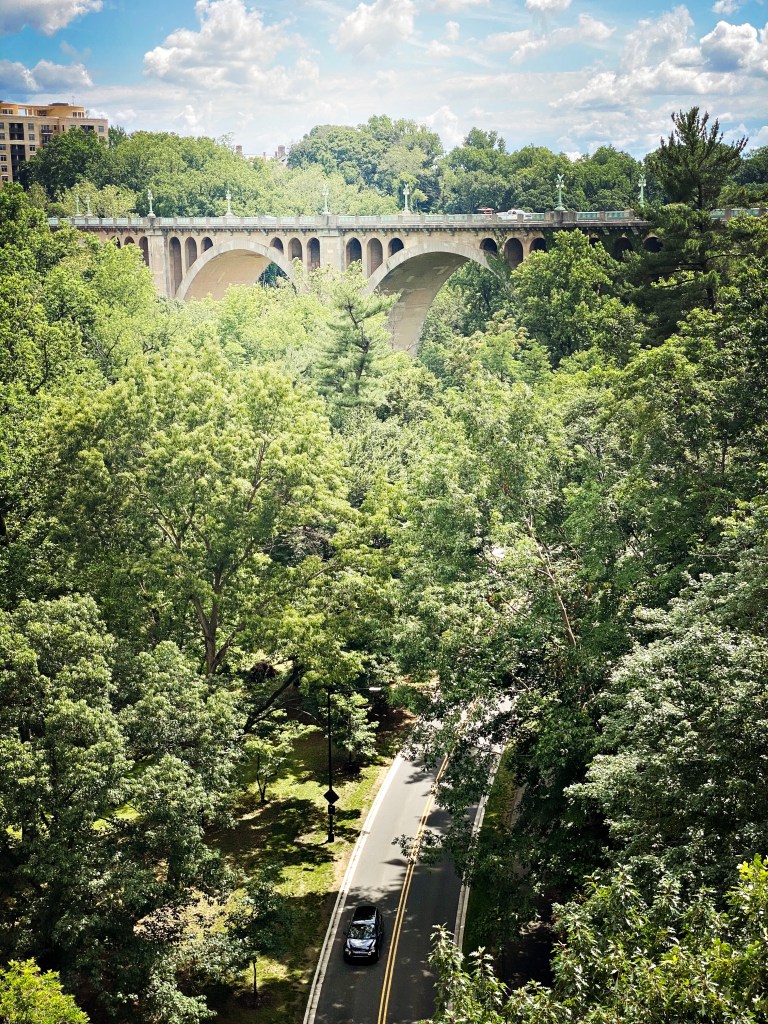
At one stage, we found ourselves crossing the Duke Ellington Bridge and enjoying the views over Rock Creek Park.

We passed by one of the smaller community gardens that we have seen, tucked into the corner of Kalorama Park.

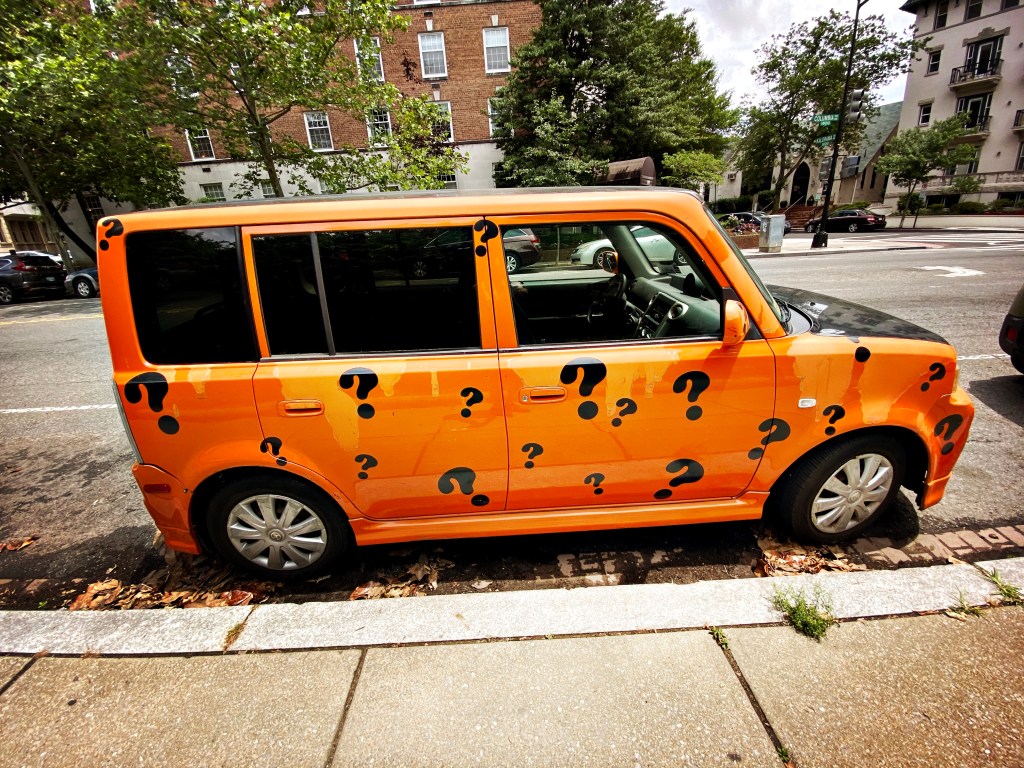
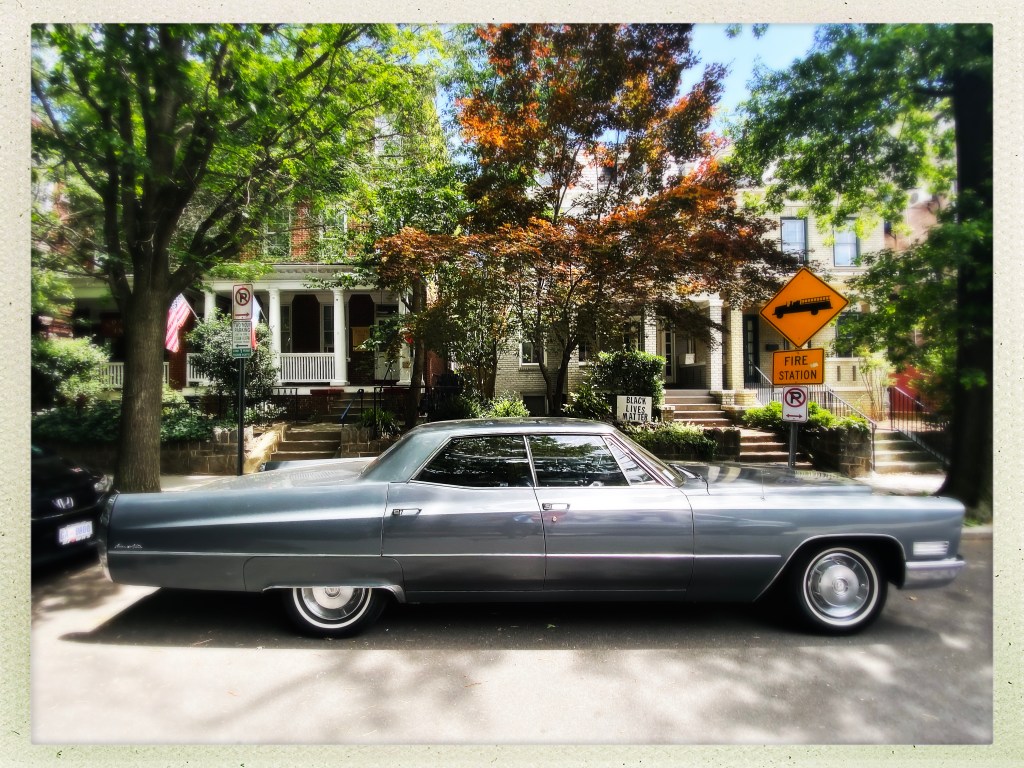
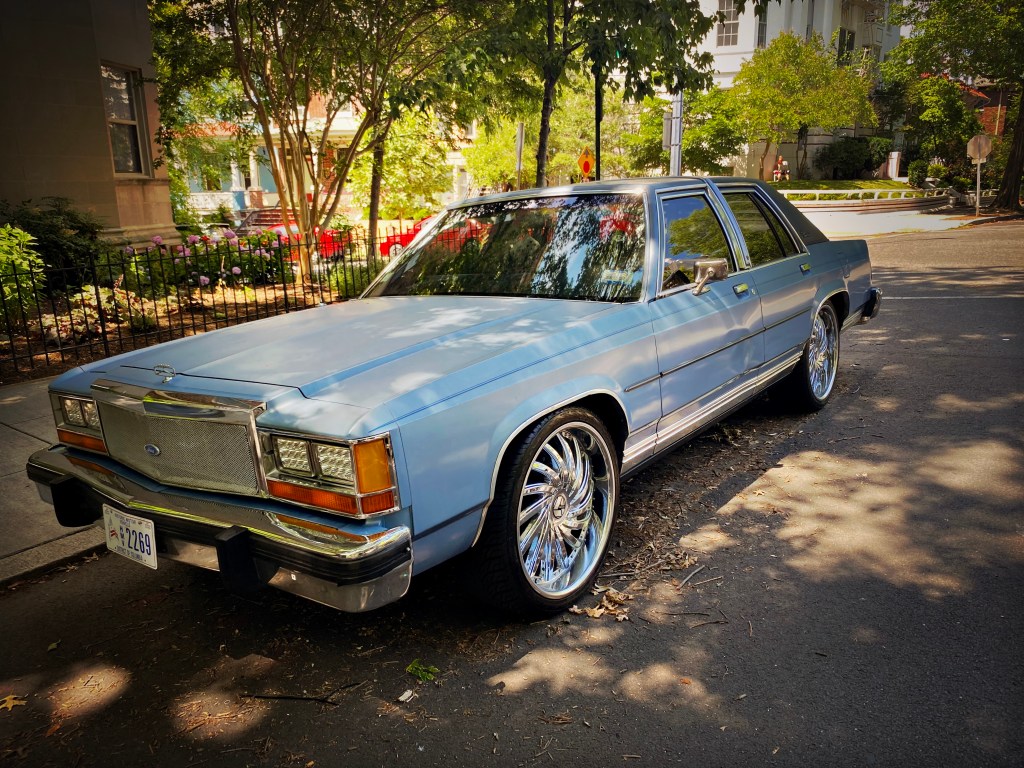
Apparently it’s not just us people who are finding things somewhat overwhelming during these trying times. We came across some seriously depressed cars during the walk. These two appeared to be questioning their very existence.

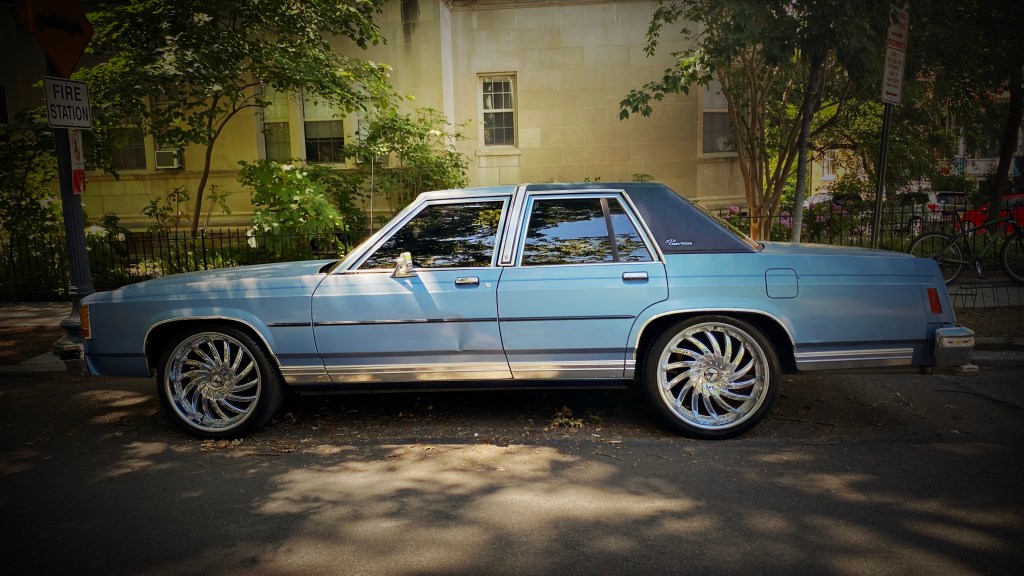
While this one had a permanent cloud over its head.

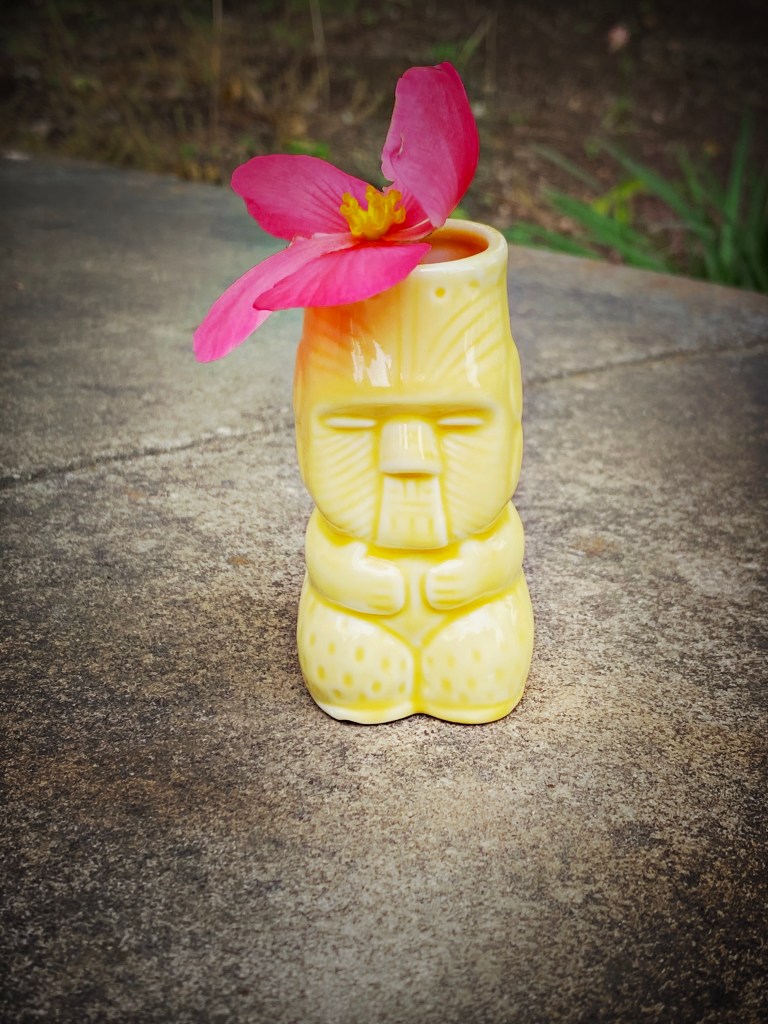
Perhaps this little guy we found sitting on the sidewalk could cheer them up, although he looked more than a little grumpy himself.

This colorful mural cheered us up

As did dinner that we picked up from one of our favorite DC restaurants, the Afghan restaurant, Lapis.

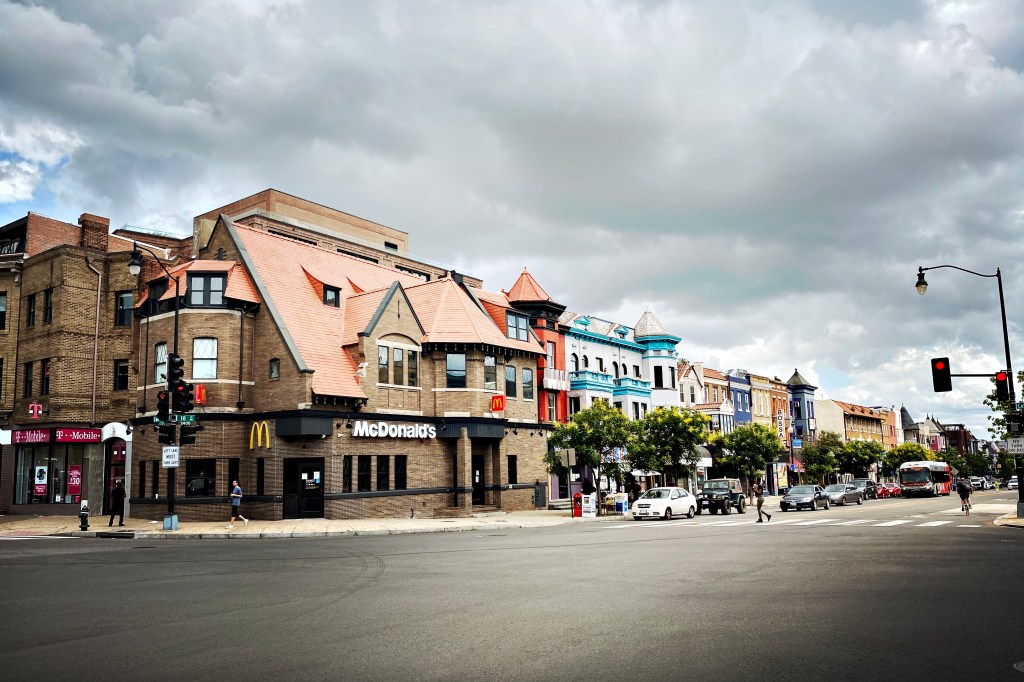
We ended up the day’s walk at the hub of Adams Morgan on the corner of Columbia Road and 18th Street NW.

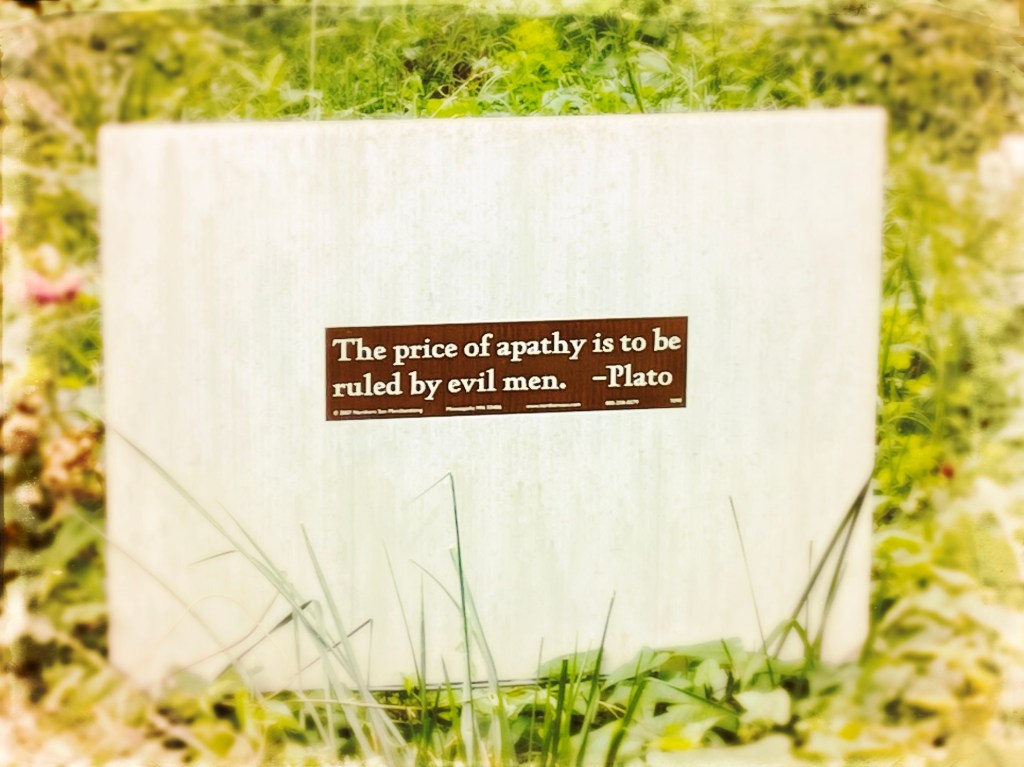
We will leave you with these wise words that we came upon in someone’s front garden. Please get out there and vote in November.

Day 86

Lanier Heights / Adams Morgan (June 15, 2020)

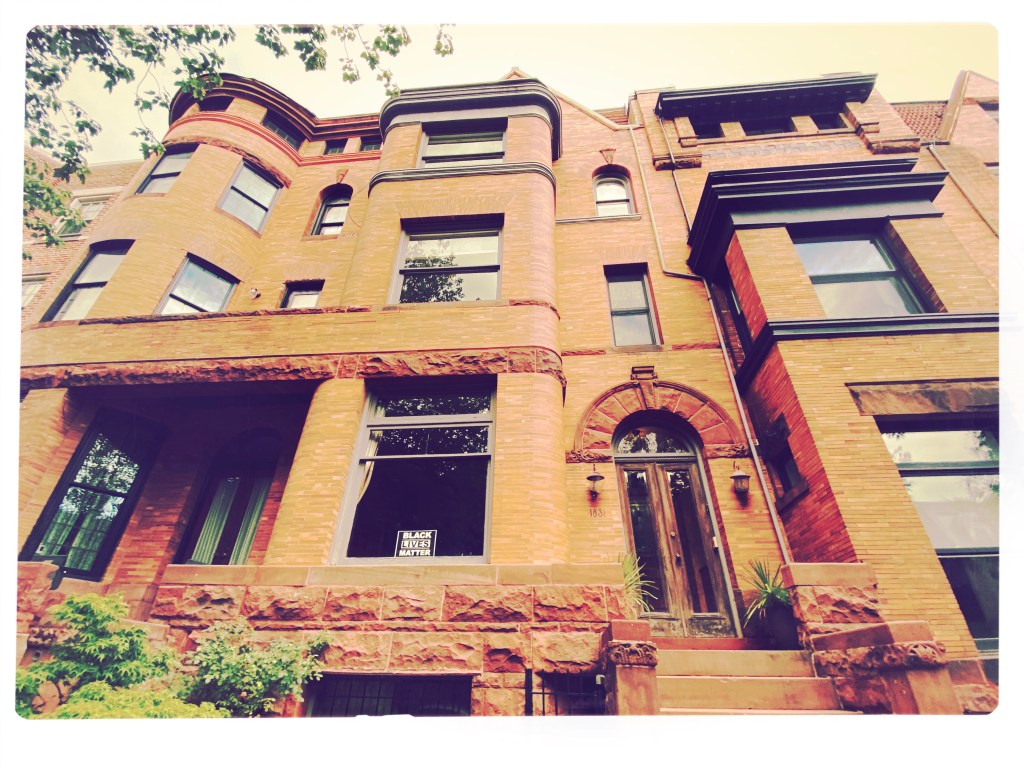
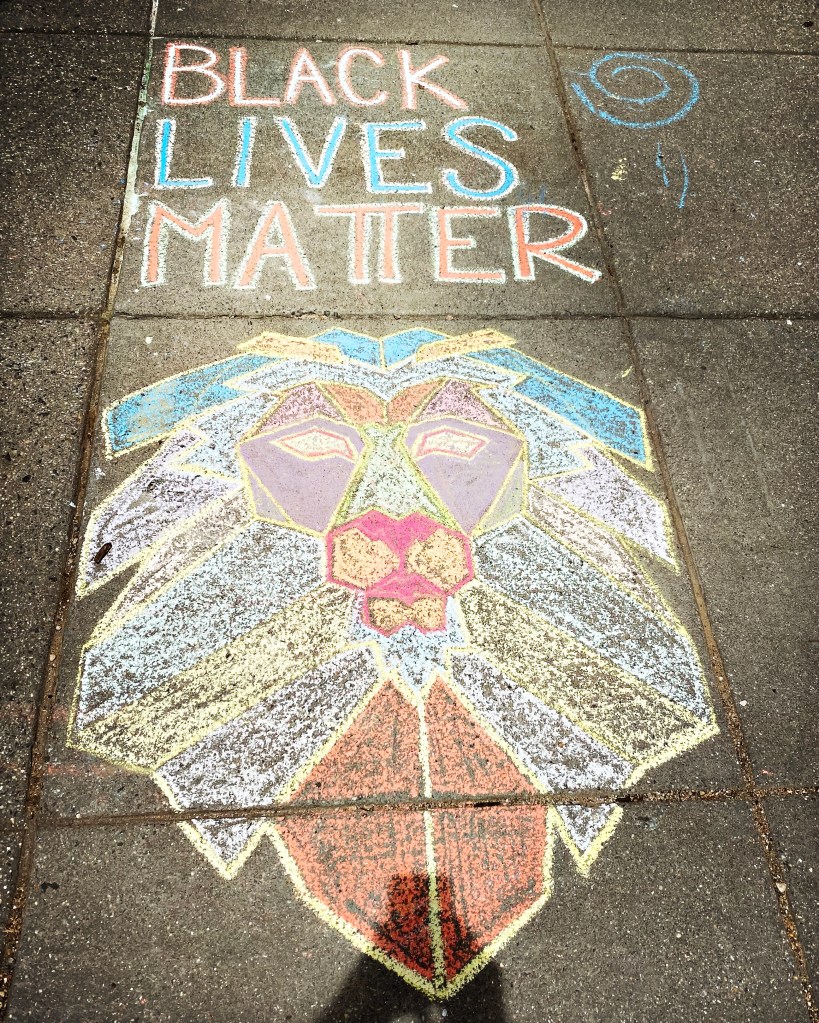
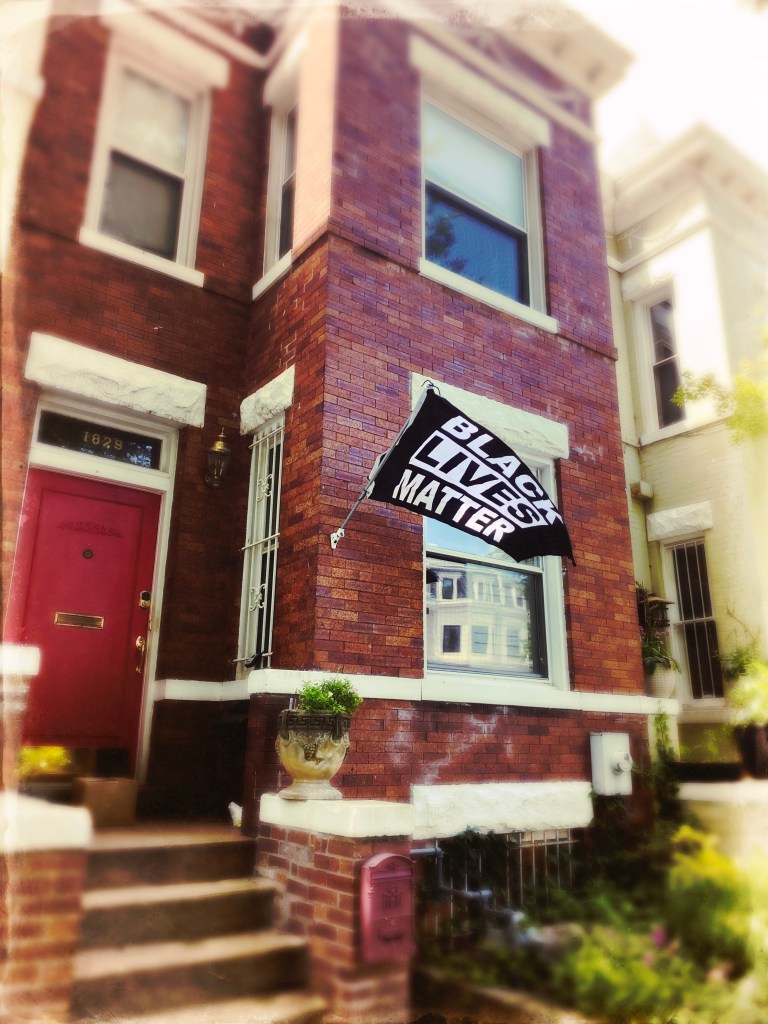
Lanier Heights is named after Elizabeth Lanier Dunn, who with her husband General William Dunn, began developing the neighborhood in the 1880s. William Dunn was a U.S. congressman from Indiana from 1859-63 and in 1875 he became the Judge Advocate General of the United States Army. During the 1960s and 1970s the neighborhood became the local hub of anti-establishment politics where the Black Panthers, anti-Vietnam organizers and other activist groups resided. The area has gentrified since that time. However, there were signs that the area’s anti-establishment politics weren’t altogether a thing of the past. Many of the residents in the area were showing their support of Black Lives Matter.

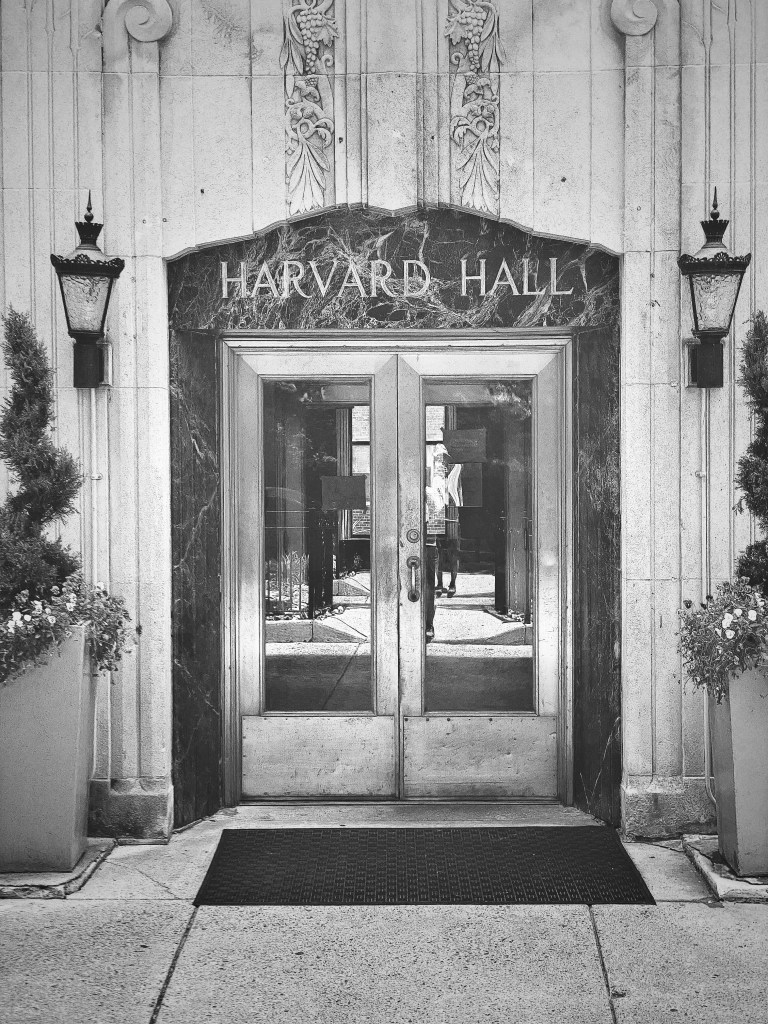
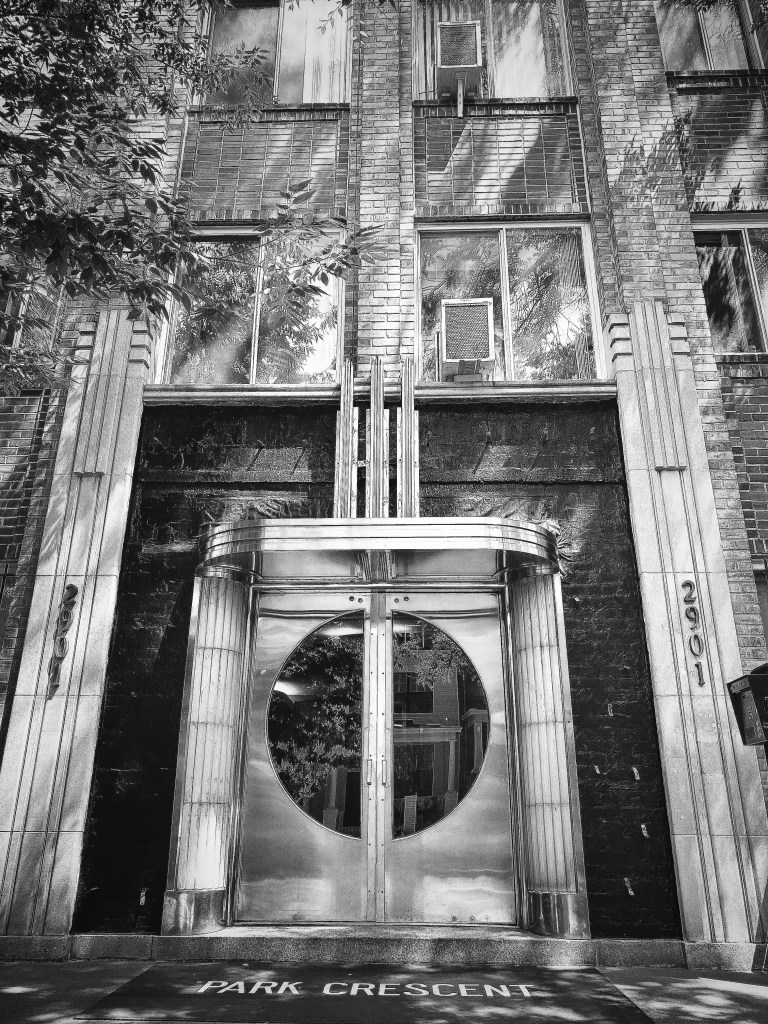
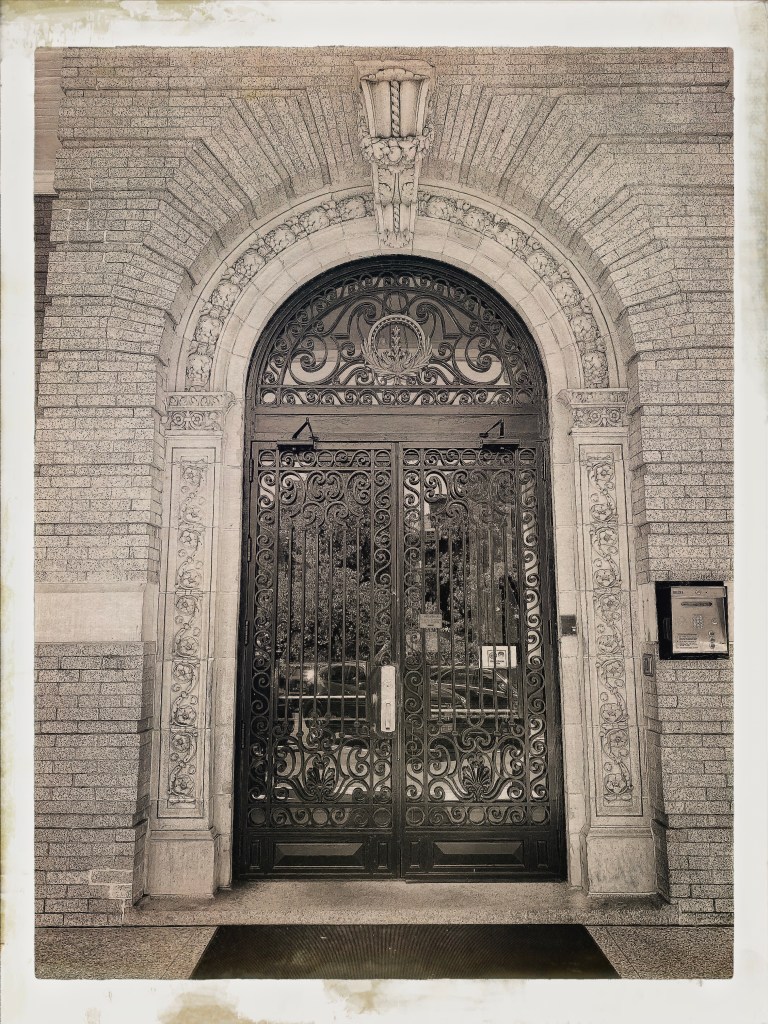
The neighborhood includes a number of stately apartment buildings, many of which had elaborate front entry doors.

This building was built around an urban beach.

Our favorite apartment complex was the Ontario, built at the start of the 1900s. A friend of ours used to live in the Ontario and would hold music recitals in his apartment. With its ornate fixtures and high ceilings, it was easy to imagine that you were enjoying a soiree in a Parisian apartment.

In fact, walking through the streets, it was just as easy to imagine yourself in a European city.

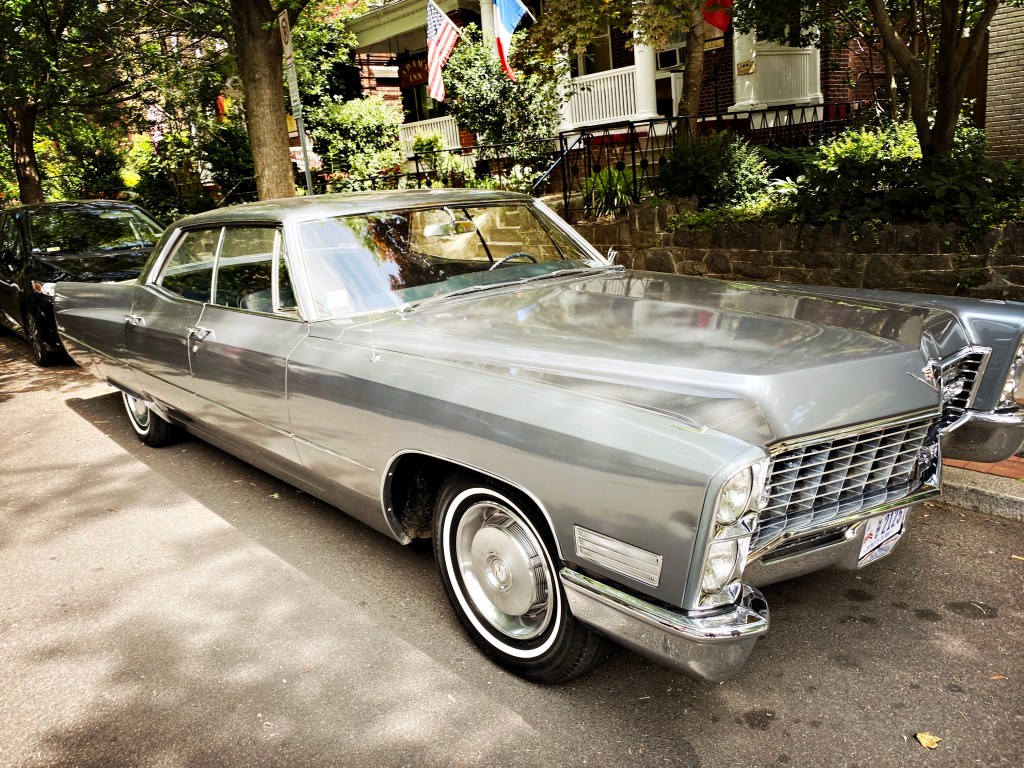
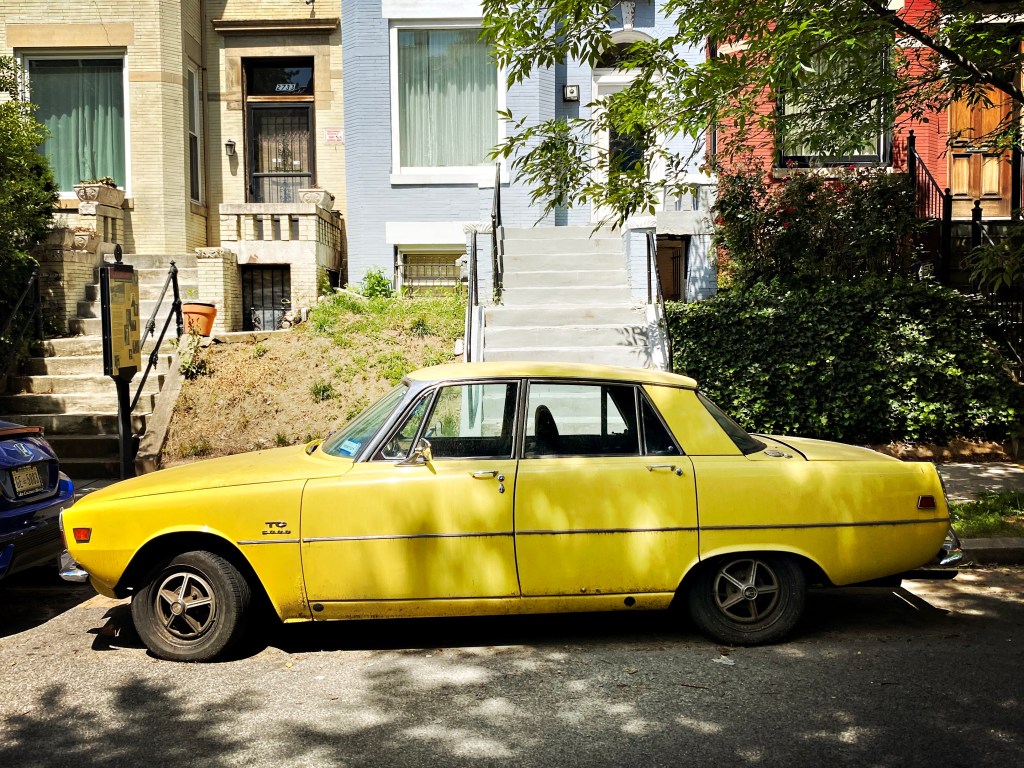
We came across a number of classic cars during our walk.

Including this yellow Rover.

Less classic but just as interesting was this vehicle.

The neighborhood included some vibrant splashes of color.

Including this rather colorful character.

And this flower garden

There were also attractive row houses.

And a Spanish style firehouse.

We found ourselves on 16th Street briefly. Just enough time to pass three more churches.

We have talked previously about how some churches are now being put to other uses. The Line DC is another example. It includes a hotel, restaurant and a number of bars, all located inside a 110 year old historic church.

Day 85

West End / Downtown (June 13, 2020)

We walked from Georgetown along N Street and back along M Street on a sunny Saturday afternoon. It was relatively peaceful after the chaos of the previous week.

We passed by the Francis-Stevens Education Campus, which despite the sign, is now more accurately called School Without Walls at Francis Stevens. Francis-Stevens which serves preschool through eighth grade was under-enrolled and slated for closure when it merged with the School Without Walls high school in 2014. Although Francis Stevens shares an administration with School without Walls, the high school students are at a different campus. Unlike the high school which is a magnet charter school, Francis Stevens is run as a traditional public school and accepts all students within its enrollment boundary. We think that it may be the first school that we have passed that has not had a recent renovation. We have noticed gardens planted by the students on the grounds of many of the schools we have passed. With the students at home because of the virus, we hope someone is picking and eating these school grown vegetables.

The West End primarily consists of glass and concrete office and apartment buildings as well as hotels. Here is an example.

However, we did pass a number of more traditional buildings.

We also passed by the headquarters of the National Geographic Society. Like many of the buildings downtown, its ground floor was boarded up, a consequence of the recent riots and looting.

Day 84

Mt. Pleasant (June 12, 2020)

We finished up our exploration of Mt. Pleasant on a perfect Summer day with virtually no humidity which is almost unheard of here in the District. This part of Mt. Pleasant appeared more urban than the parts that we have seen on previous days. There was a mix of apartment buildings, row houses and single family homes. Here are some examples showing the variety in the neighborhood.

Sometimes we will create stories about the houses we pass. This house made us think of a children’s book where a boy and his younger precocious sister would live with their somewhat eccentric parents. They book would follow the two children as they go on adventures in their urban neighborhood.

We often pass little lending libraries in the neighborhoods we travel. We liked this one that matched the maple that shaded it.

Many of the residents of the row houses take full advantage of the limited space available to grow plants, flowers and vegetables.
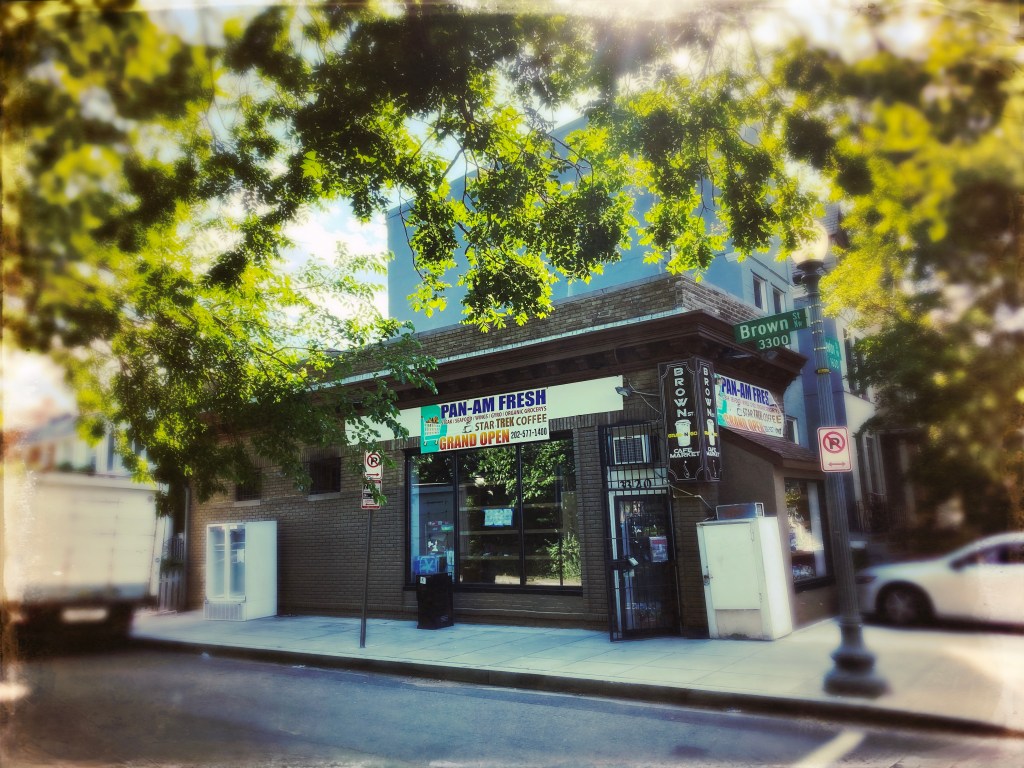
Every neighborhood needs its own small corner market.

We passed this memorial dedicated to Guglielmo Marconi. Completed in 1941, it is the work of the sculptor Attilio Piccirilli. We think that it may be the first memorial that we have seen during our walks that is dedicated to an inventor. Marconi is credited as the inventor of the radio. The memorial fit in particularly nicely with the deco style apartment building that stands behind it.

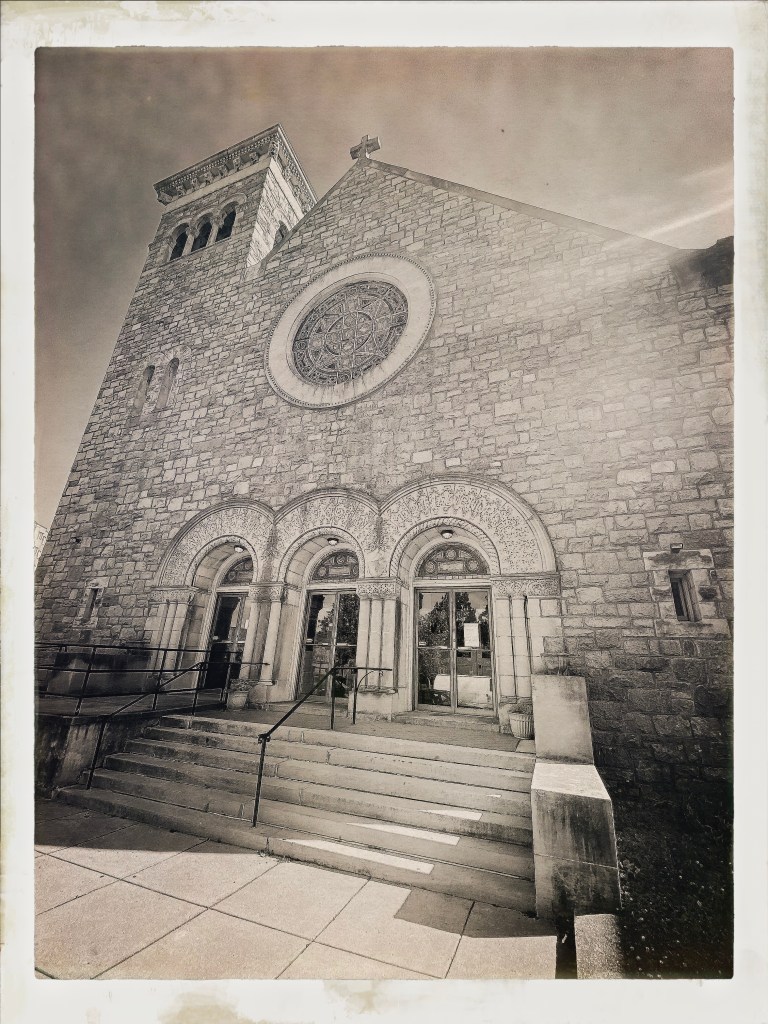
Here are today’s assortment of 16th Street religious buildings.

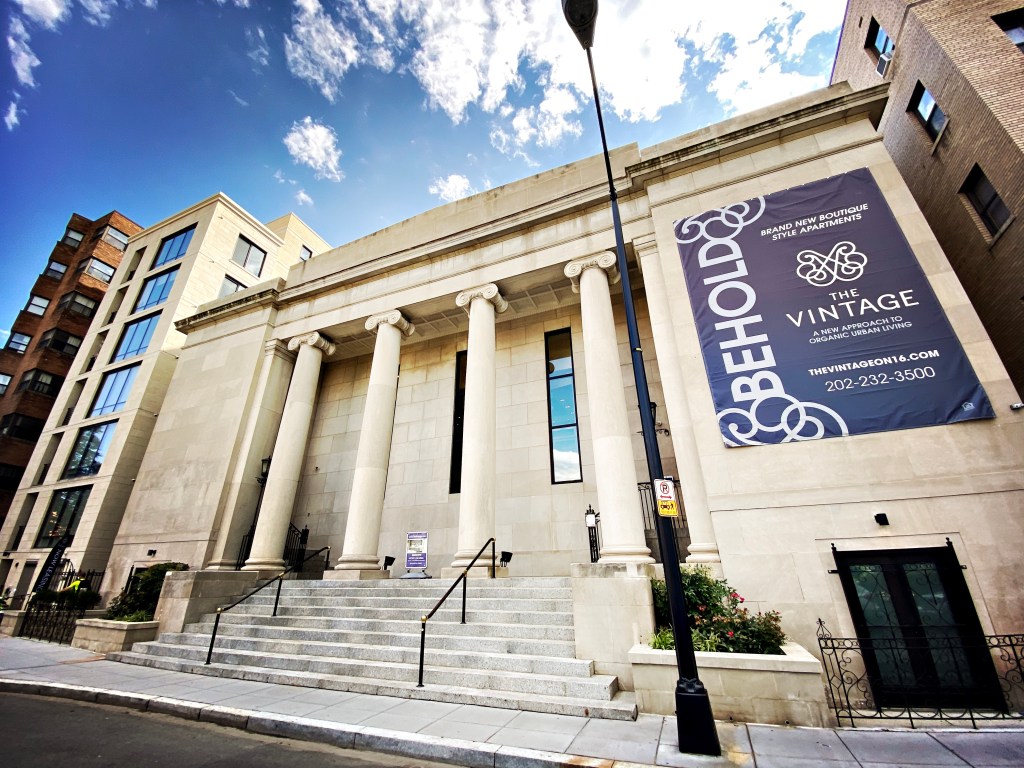
We often wonder how so many churches can financially survive in this increasingly secular world and in fact some don’t. Here is one that has been converted into an apartment complex.

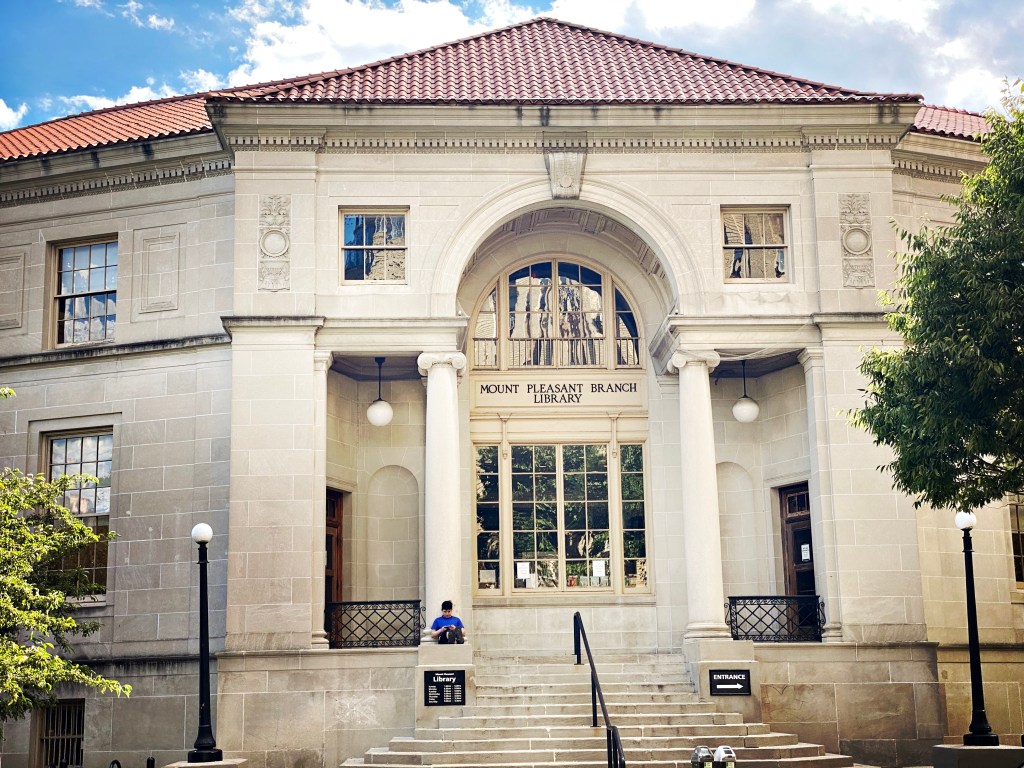
The Mt. Pleasant public library may be closed at the moment due to the pandemic but its steps still offer a great place to read.

We think every stop sign should have its own collection of balloons.

Day 83

Mt. Pleasant (June 10, 2020)

It turns out that there is a reason that only Mad Dogs and Englishmen go out in the midday sun. We headed back out onto the streets of Mt. Pleasant on a sweltering humid day but soon beat a hasty retreat back to the welcome confines of our air conditioned house. Here is some of what we saw during our briefer than usual walk.

Unfortunately, the Marx cafe was not open. It would have been nice to pop in for a cool drink of Lenin’s lemonade or Trotsky’s iced tea.

We walked up Mt. Pleasant Street, the neighborhood’s main shopping street.

Although Mt. Pleasant has gentrified, there is still a strong Hispanic feel to the local shops and restaurants.
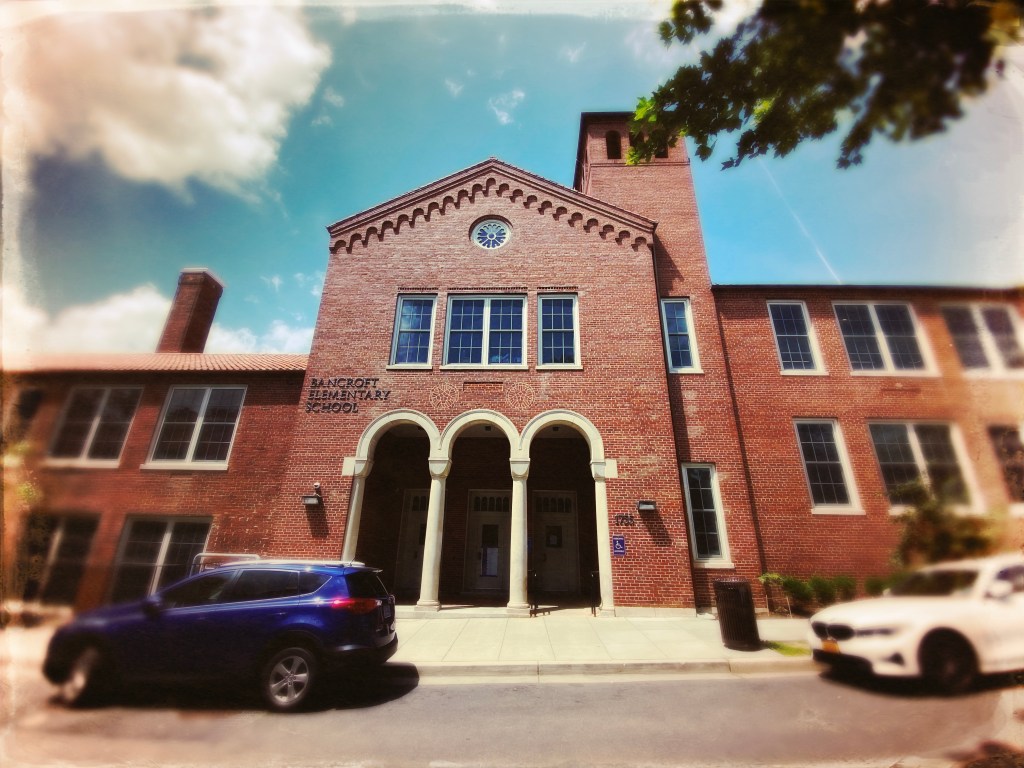
We passed Bancroft Elementary School. The school is named after George Bancroft (1800-1891), an American historian and statesman who was prominent in promoting education. Among other things, he established the United States Naval Academy at Annapolis while he was Secretary of the Navy. The school is one of the more diverse in the District, being comprised of teachers and students from over 40 countries. Like every school we have passed so far, Bancroft has recently had an extensive renovation.
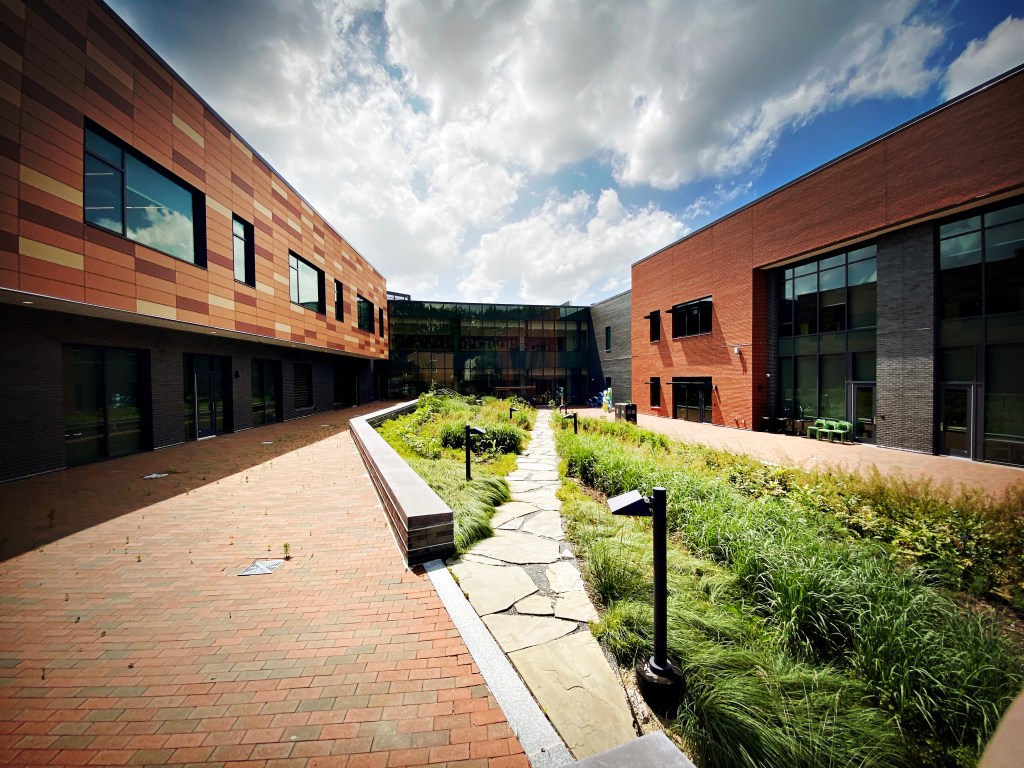
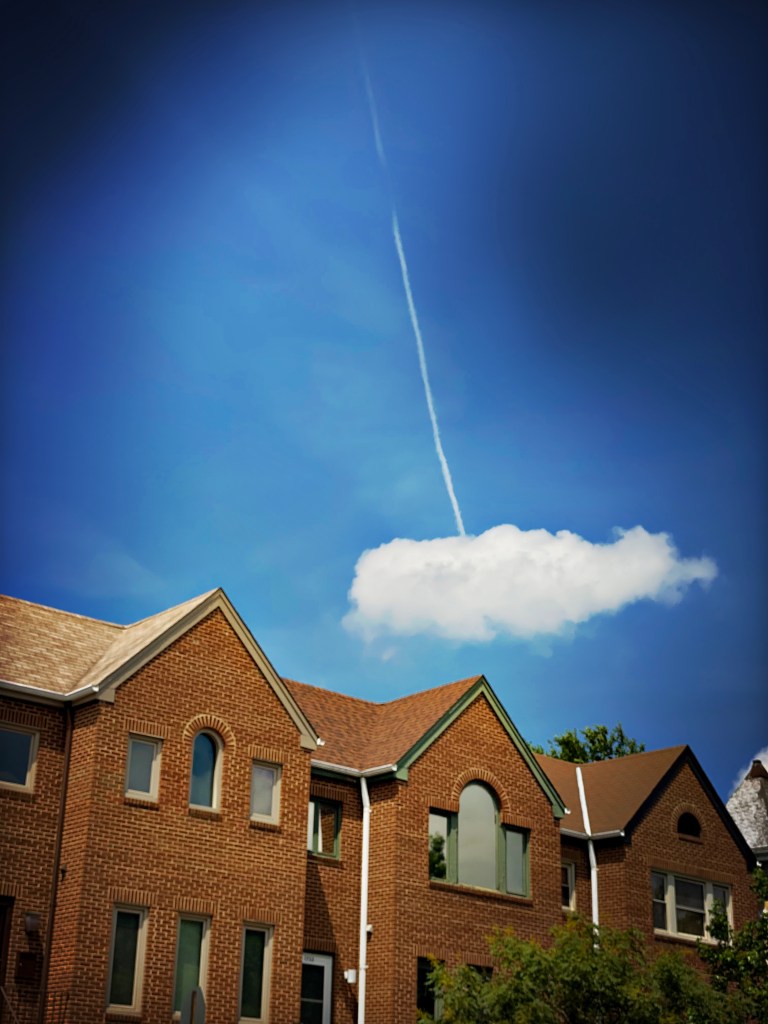
Old Bancroft
New Bancroft

This cloud formation gave us the impression of a whale being taken for a walk.

Day 82

Mt. Pleasant (June 7, 2020)

Today we started walking in Mt. Pleasant. The neighborhood gets its name from Anthony Holmead who in the 1700s owned an estate called Pleasant Plains, that included Mt. Pleasant as well as the adjacent neighborhoods of Adams Morgan, Columbia Heights, and Pleasant Plains. The population used to be very diverse with residents fairly evenly split between blacks, whites and hispanics. But since the 1990s, like much of the District, the demographics of the neighborhood have changed dramatically and it now appears to mainly inhabited by young white professionals. Judging from the toys in many front yards, many also have young children.

The neighborhood consists mainly of row houses.

Including this rather colorful one.

And these that we particularly liked.

Along Park Road which bisects the neighborhood there are also a number of large single family homes. Many look particularly imposing sitting high above the road.

Another impressive building we passed by was this beautiful “Mission Revival” style building. It was built in 1911 and is currently owned by the “House of Mercy”, a non-profit founded by the Episcopal Diocese of Washington. In keeping with the area’s history of strong hispanic ties, it includes the Rosemount Center, an English / Spanish early childhood education center.

Because of the hilly nature of the neighborhood, a number of houses sit above beautiful stone walls that line the streets, and often include beautiful staircases or cascading flowers.

Sometimes during our walks we come across houses with cars outside where it’s not too difficult to guess at the resident’s favorite color. Here’s an example.

Day 81

Crestwood (June 5, 2020)

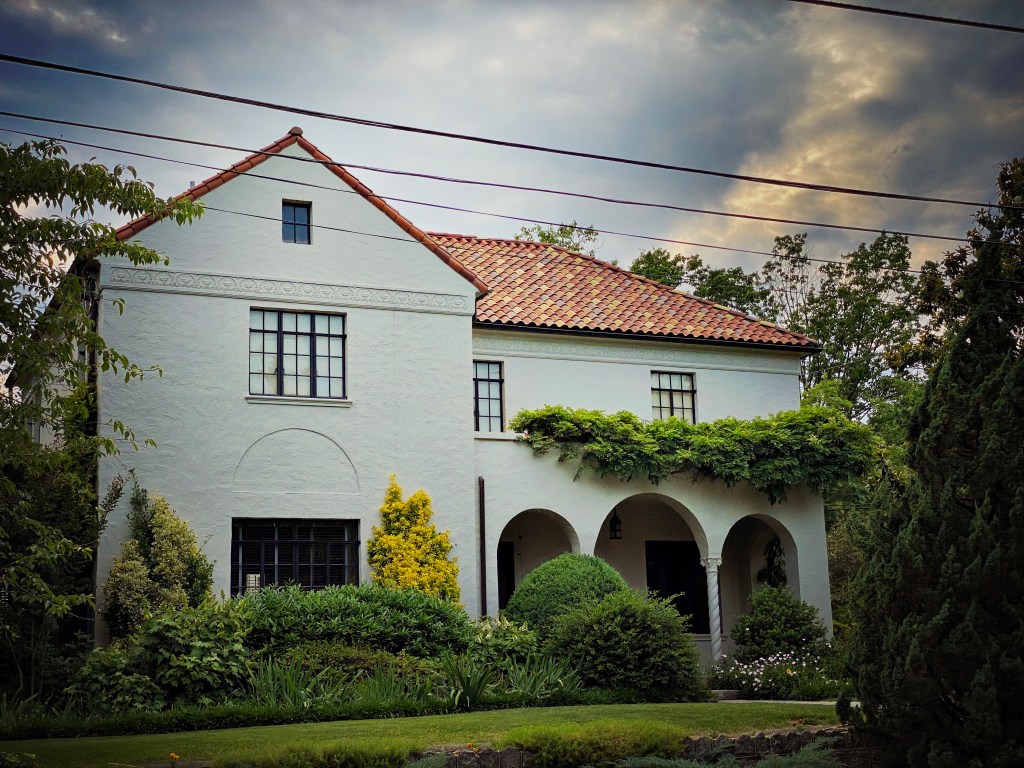
We finished up our exploration of Crestwood today. It has become one of our favorite neighborhoods with its diverse range of houses and quiet, tree lined streets. Here are some of the houses we passed along the way.

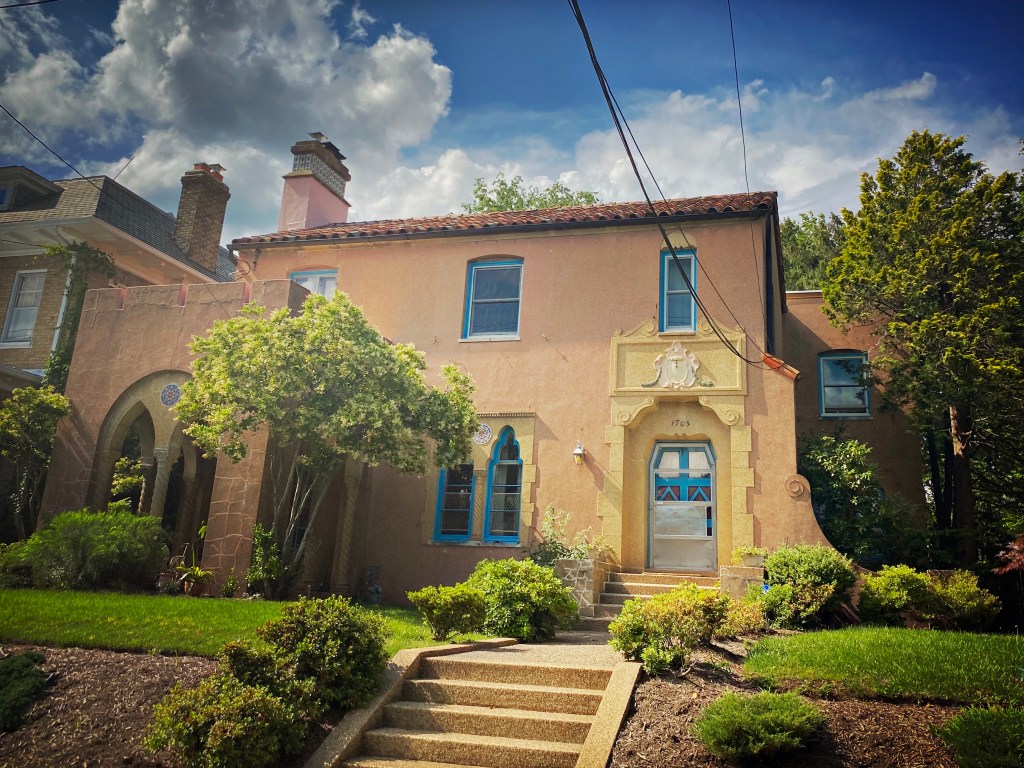
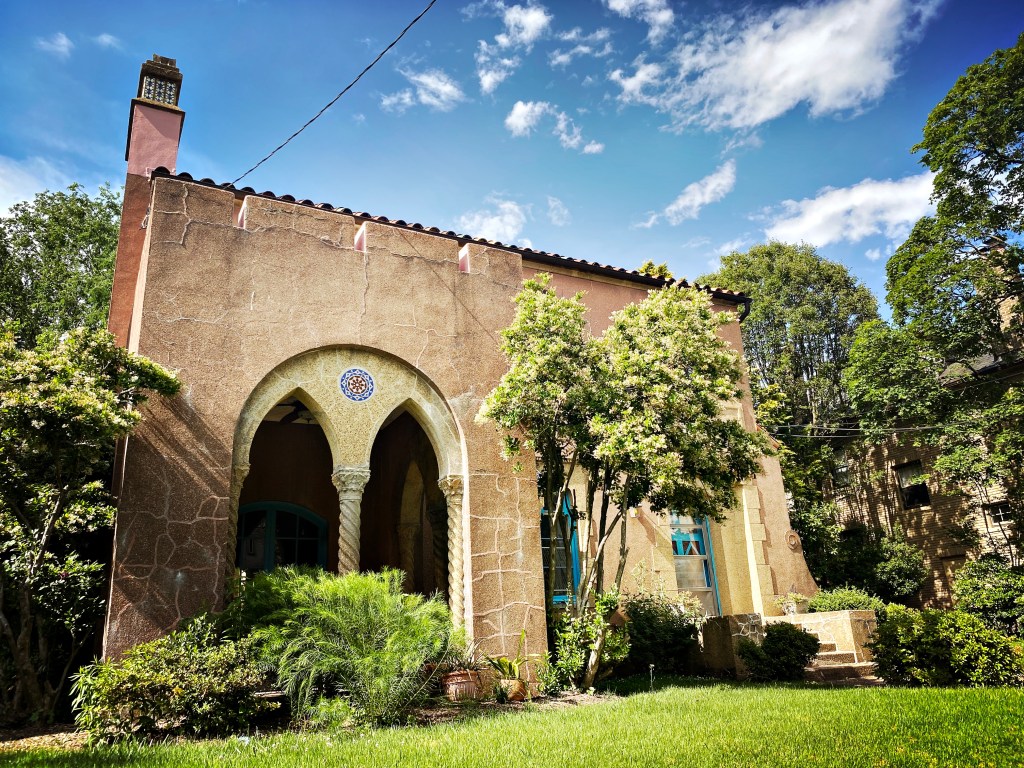
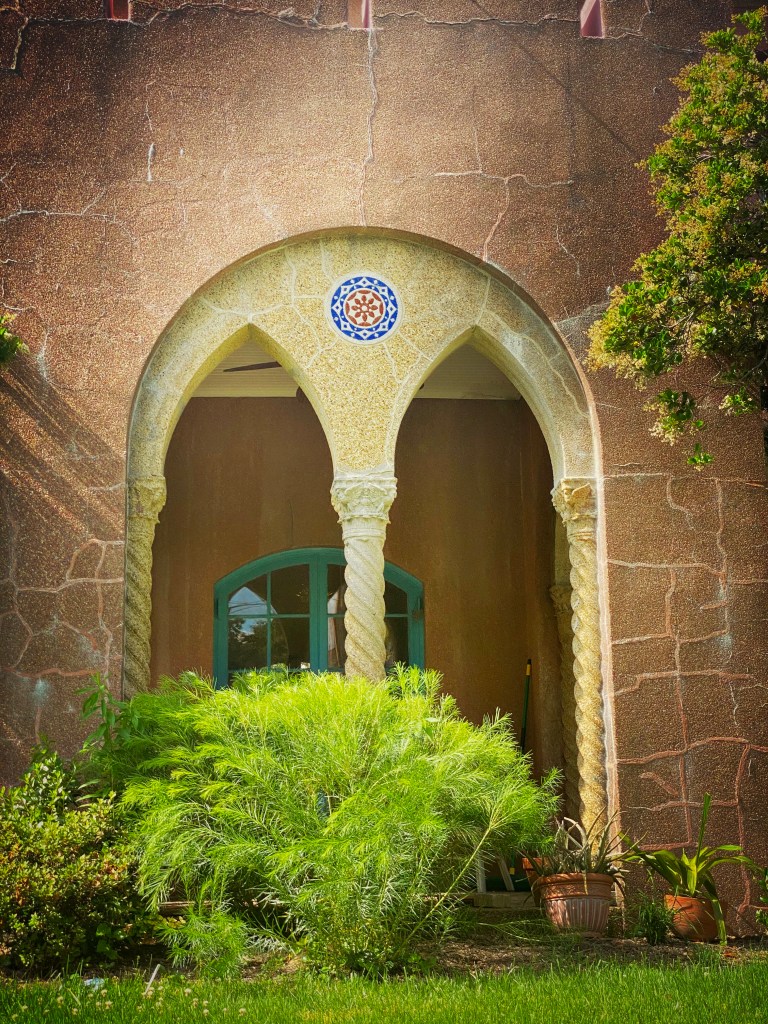
But our favorite, and perhaps Lauren’s favorite of all the houses that we have seen so far was this home with its beautiful arches.

For those of you wanting to get out of your houses and the city but who wish to avoid hotels and planes here are a couple of options.

So far in Crestwood we have seen a tree growing within the stump of another tree and a tree carved into a statue. Now we have also seen a tree painted gold.

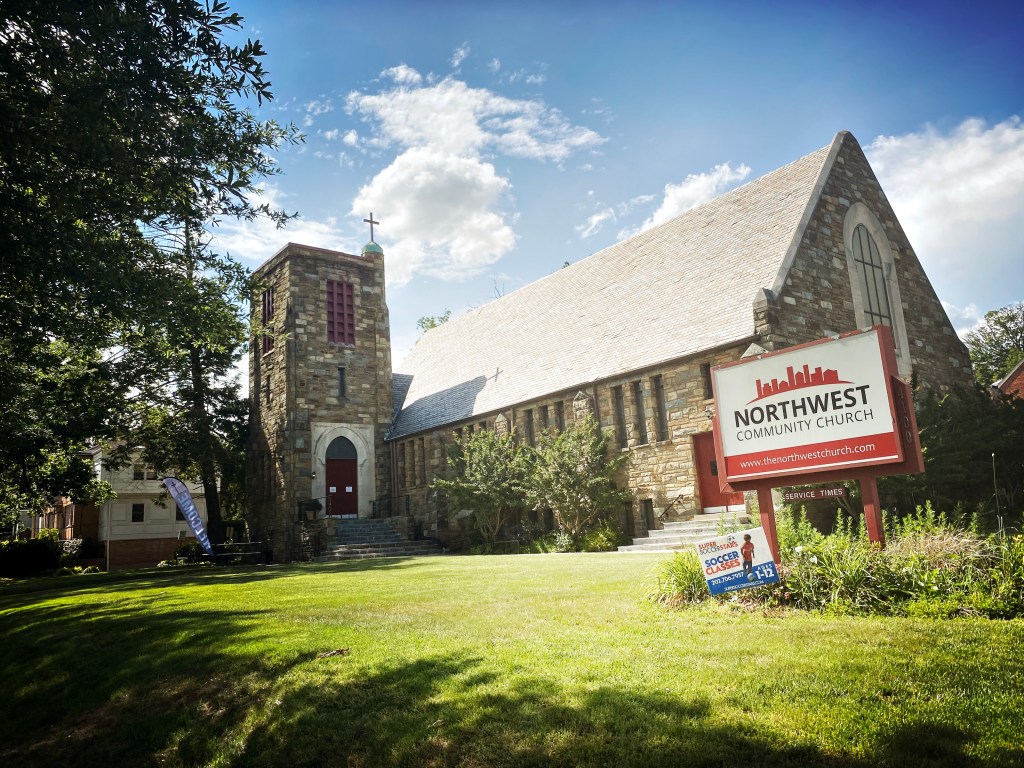
Here are today’s assortment of 16th Street religious establishments.

Day 80

Crestwood (June 4, 2020)

On a hot muggy day, we headed back into the peaceful streets of Crestwood. We are really enjoying this neighborhood with its tree lined streets and wide variety of homes.

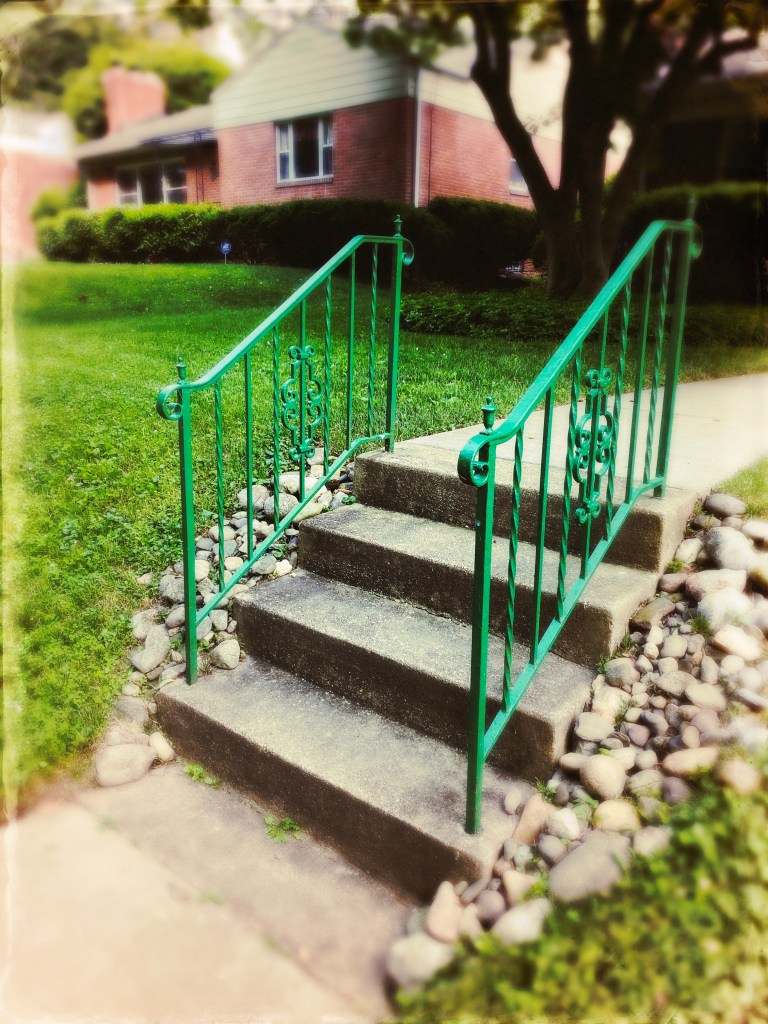
A number of the homes had steps going up to their front yards with interesting iron hand railings.

This house had a very interesting “Keep off the Grass” sign.

And this one had a sculpture that had been carved out of a tree.

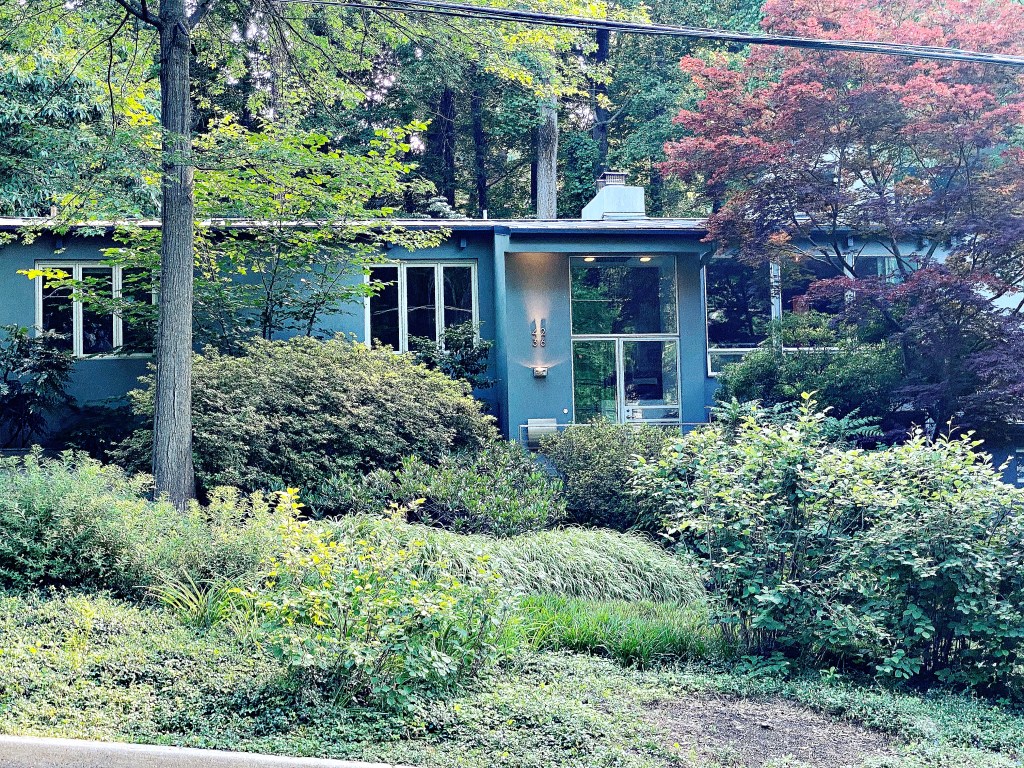
Here are some different types of house we saw along the way.

This house had a front yard consisting of wild grasses, a nice change from the immaculate grass lawns of most Washington DC homes.

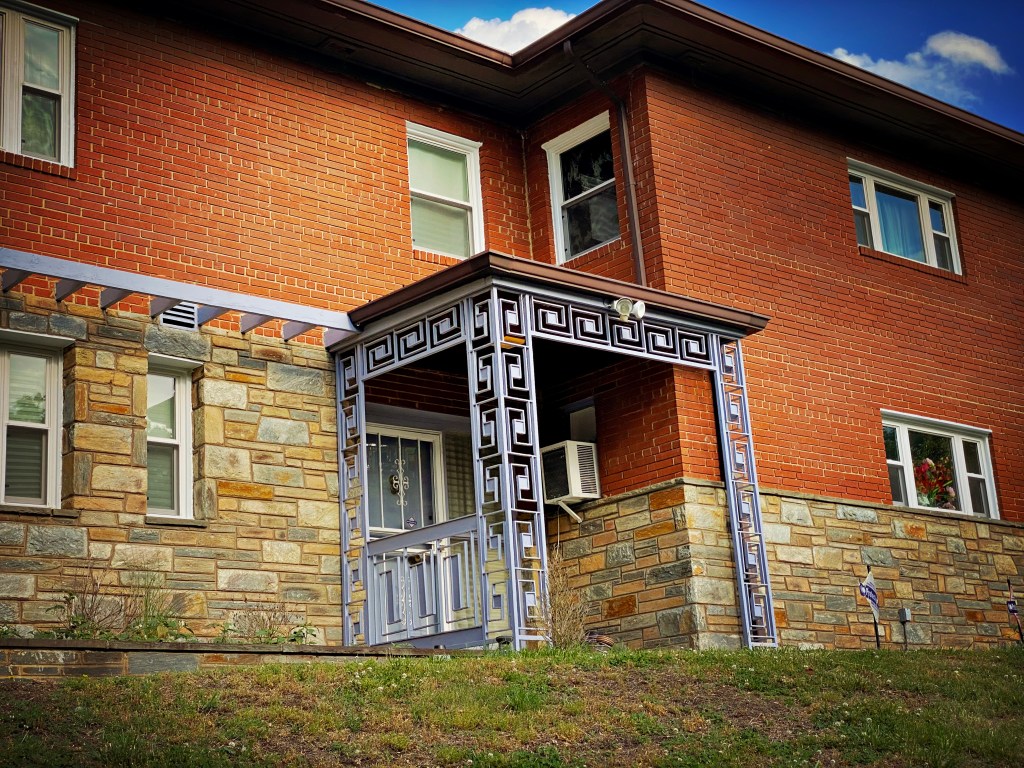
And this house had an interesting purple iron entry way.

We passed this sign of the times.

And this tree within a tree.

As with many of the neighborhoods we have explored, there was easy access to the neighboring woods.

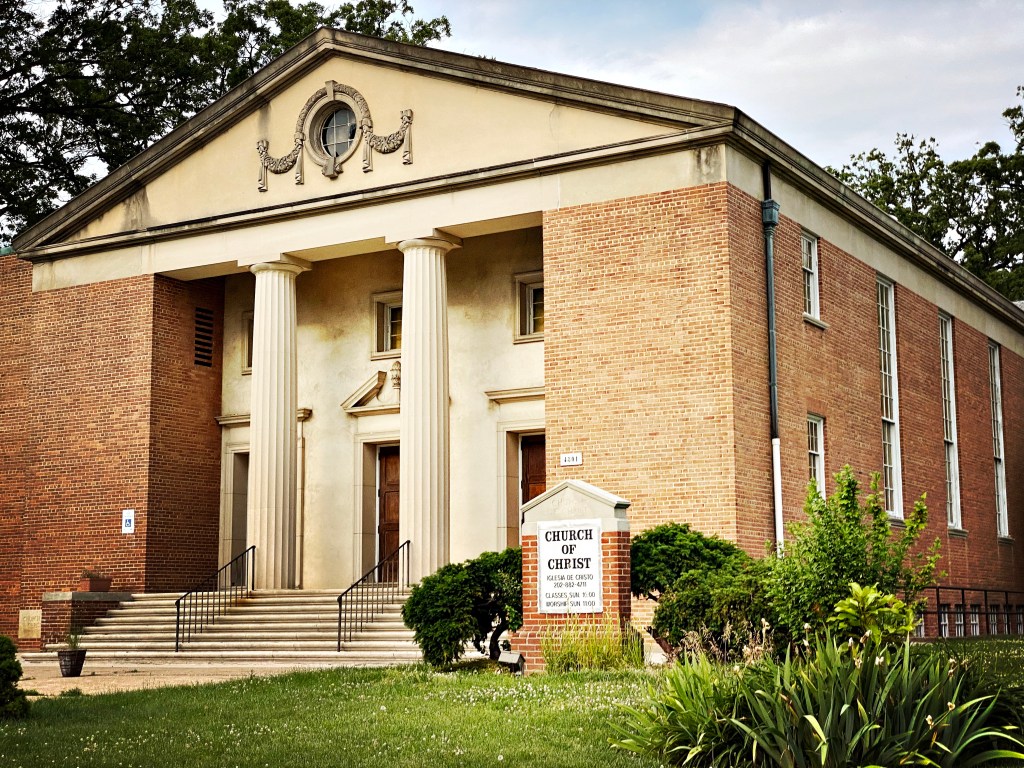
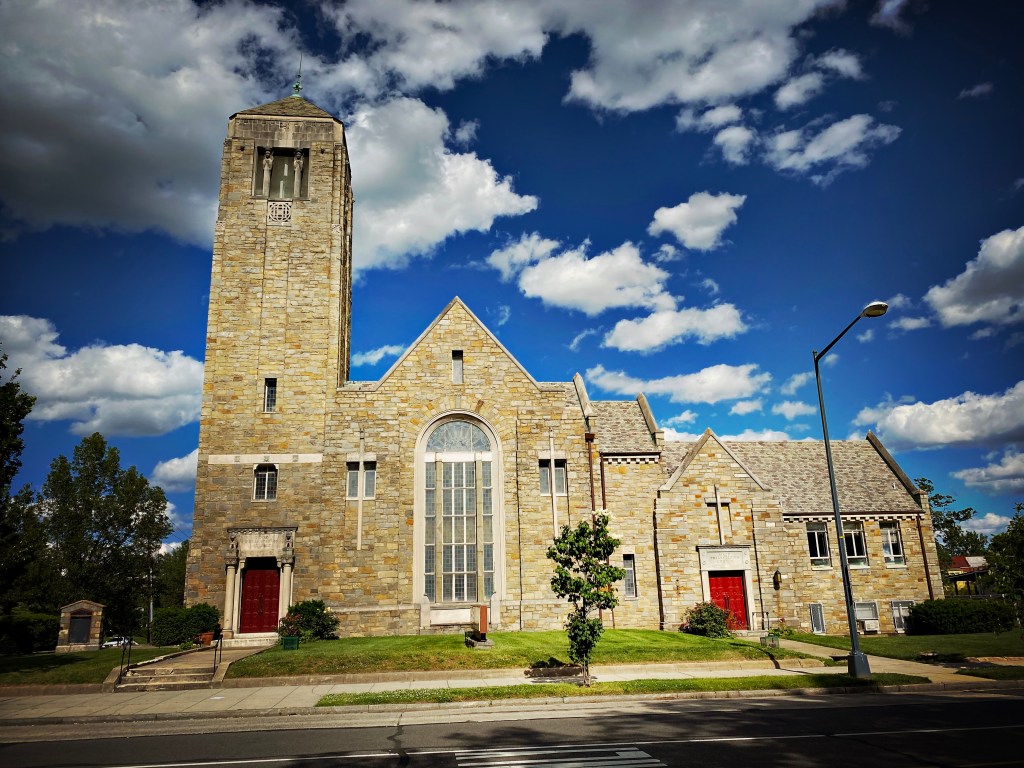
Back on 16th Street with passed the usual array of religious buildings.

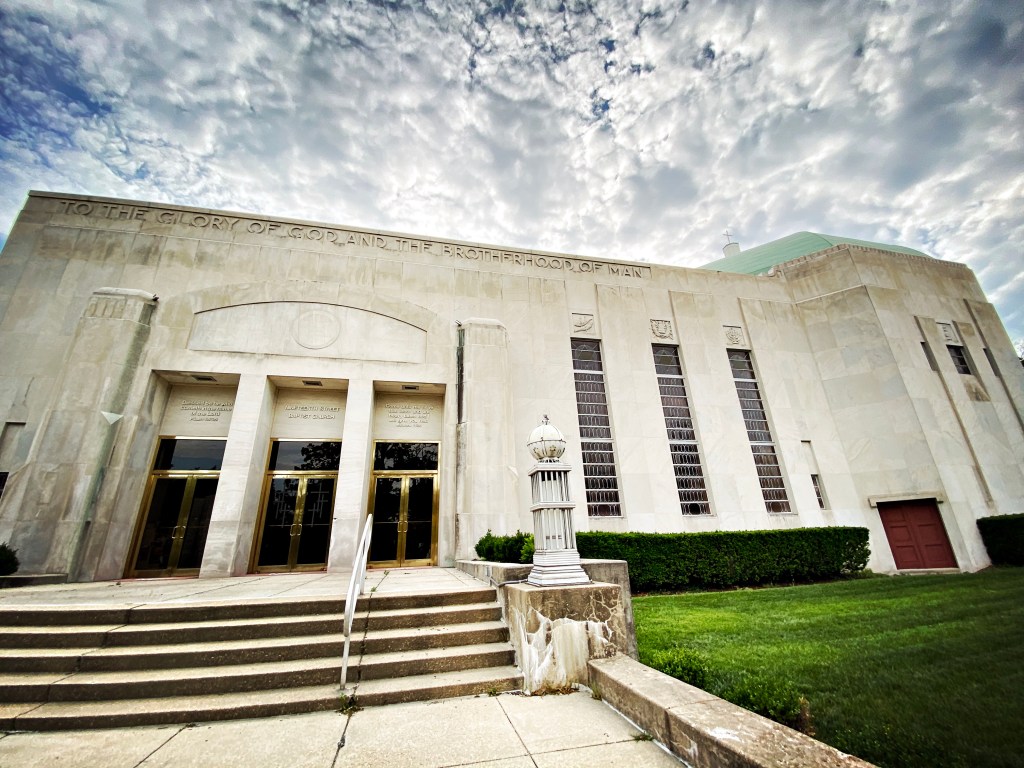
One of the more imposing was the Nineteenth Street Baptist Church which despite its name is actually on 16th Street. Its original site was on 19th Street but the congregation moved to its current location in 1975 . Founded in 1839, it is considered to be the first and oldest black Baptist congregation in the District.

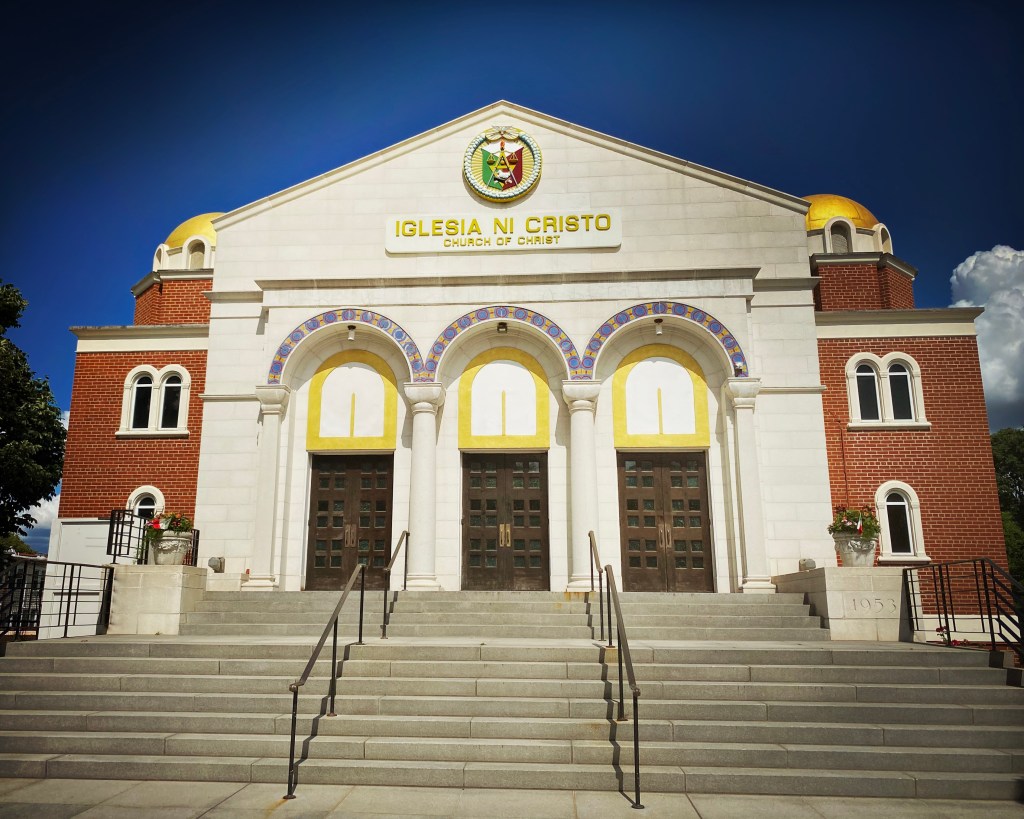
The building was the former home of the Jewish congregation, B’nai Israel, where Lauren attended as a child with siblings, parents and grandparents. If you look closely you can still see the original Jewish symbols and stars on the facade of the church.

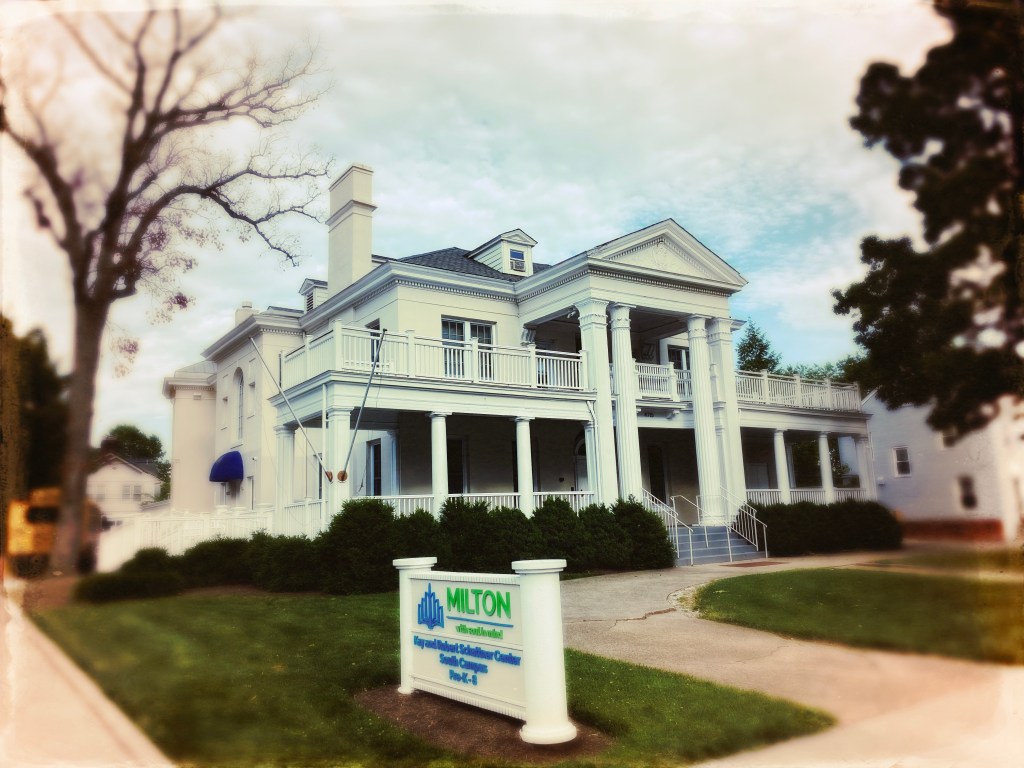
There is still a Jewish presence nearby because across 16th Street is the Milton Gottesman Jewish Day School.

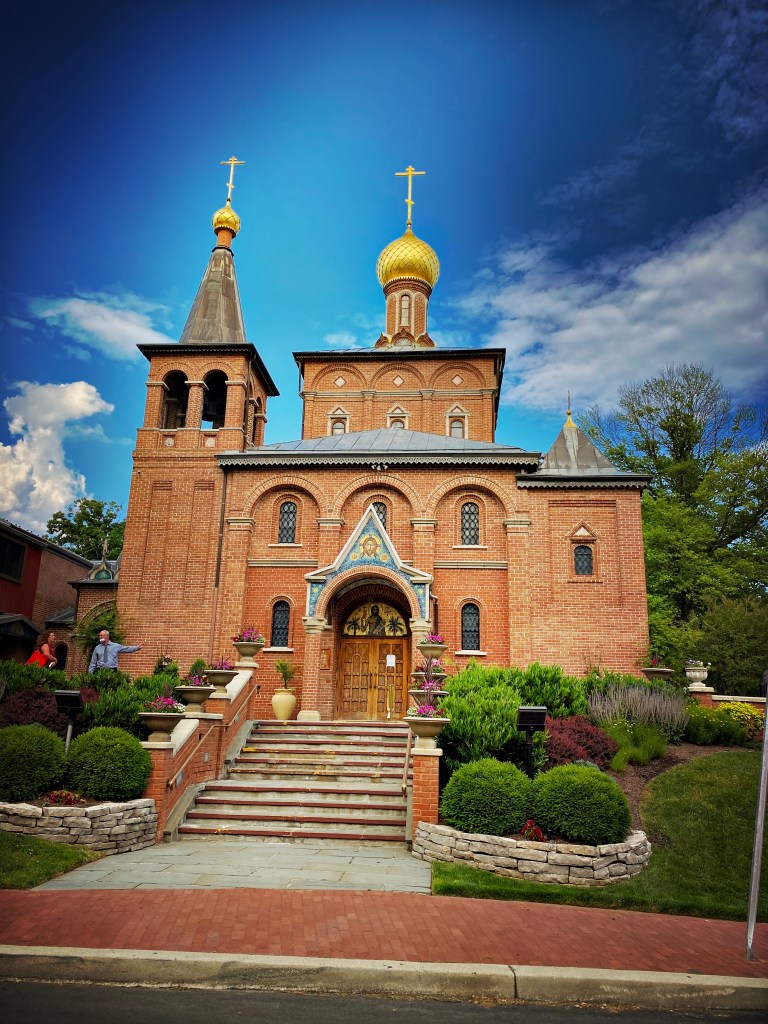
One of the more attractive churches that we have passed is the Cathedral of St. John the Baptists, a Russian Orthodox Church built in 1958. The building is 17th century Muscovite-Yaroslav style with iconic gilded onion domes.

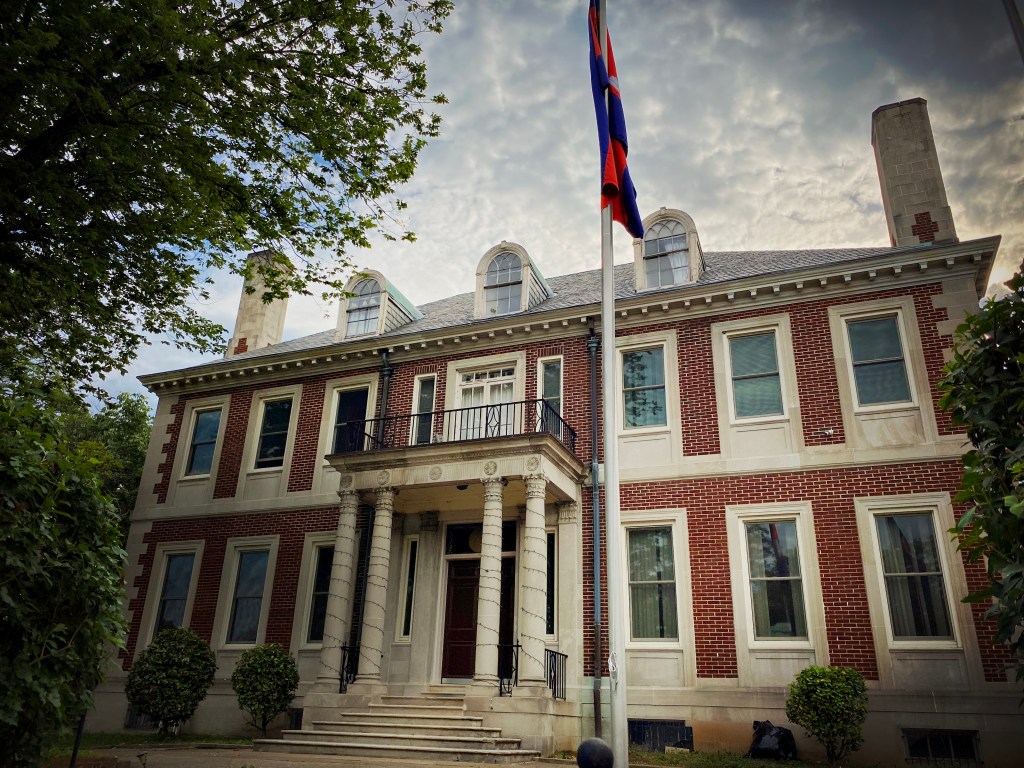
We also passed the Cambodian embassy with a Buddhist shrine on its grounds.

Day 79

Crestwood (May 31, 2020)

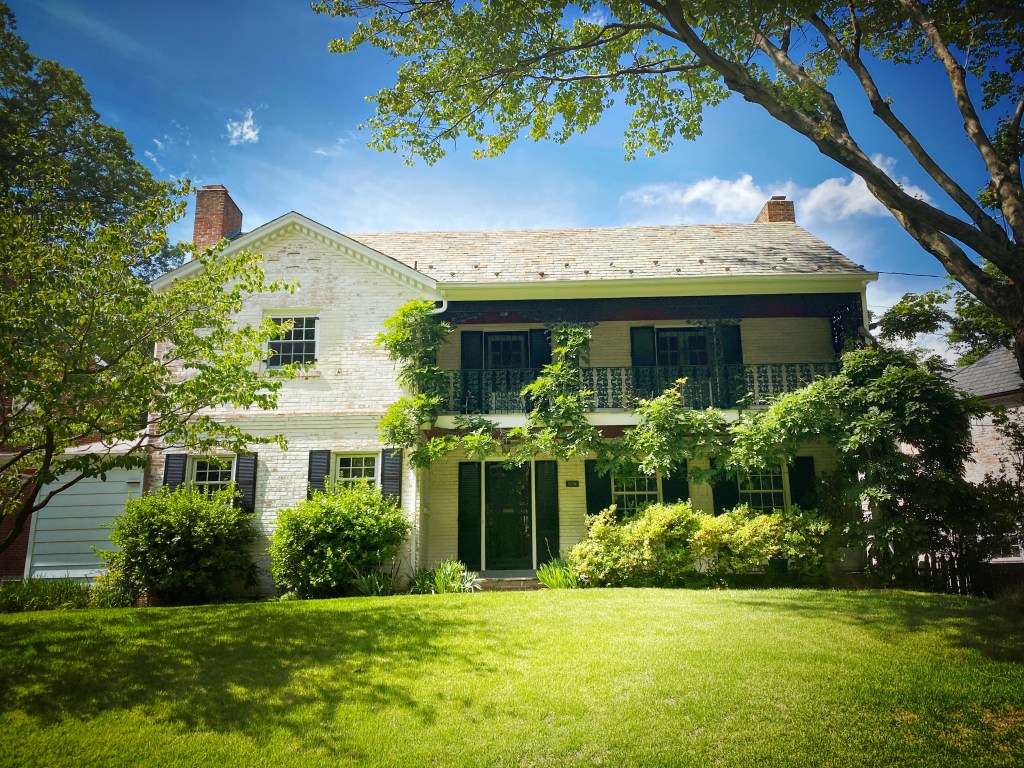
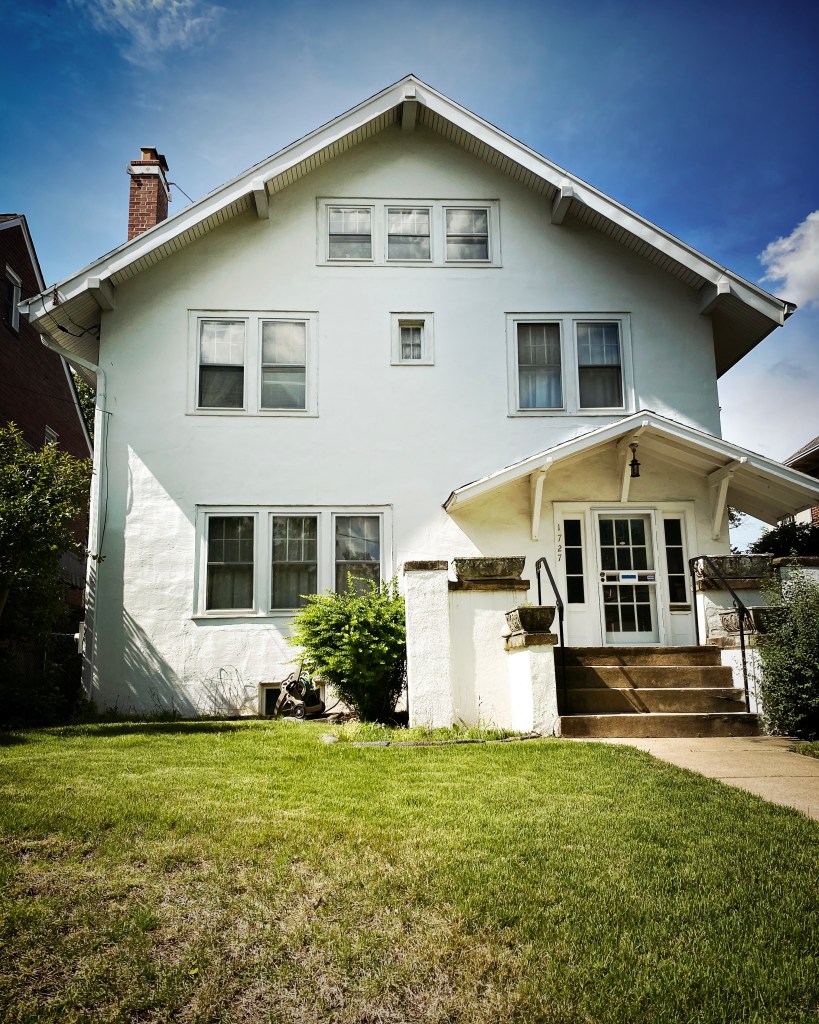
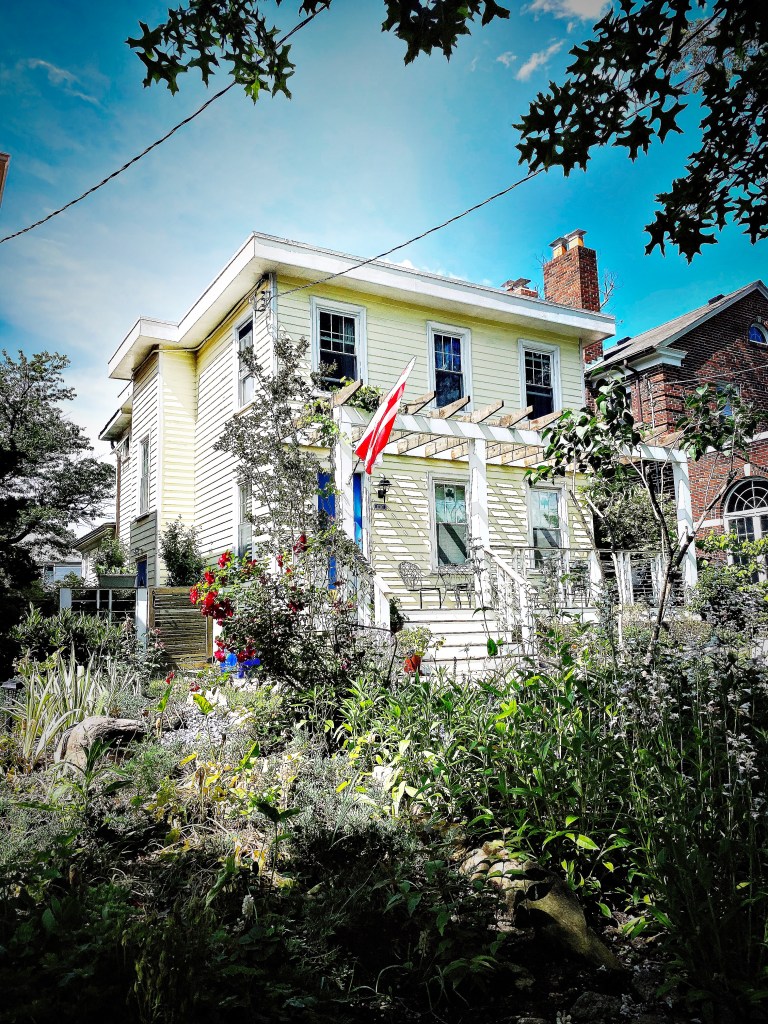
With chaos once again erupting a little further down 16th Street, it seemed rather surreal to be walking the peaceful, suburban streets of Crestwood. Along the way we passed some beautiful houses of all styles. Here are a few.

Walking down 16th Street we continued to pass houses of worship of various denominations.

We also passed by Ingraham Street, where Lauren’s mother, Deana, grew up.