Petworth / Brightwood Park / Manor Park / Fort Totten (June 13, 2023)
We passed through a number of neighborhoods today and saw all types of homes. In parts of Manor Park we could almost have been in rural West Virginia.
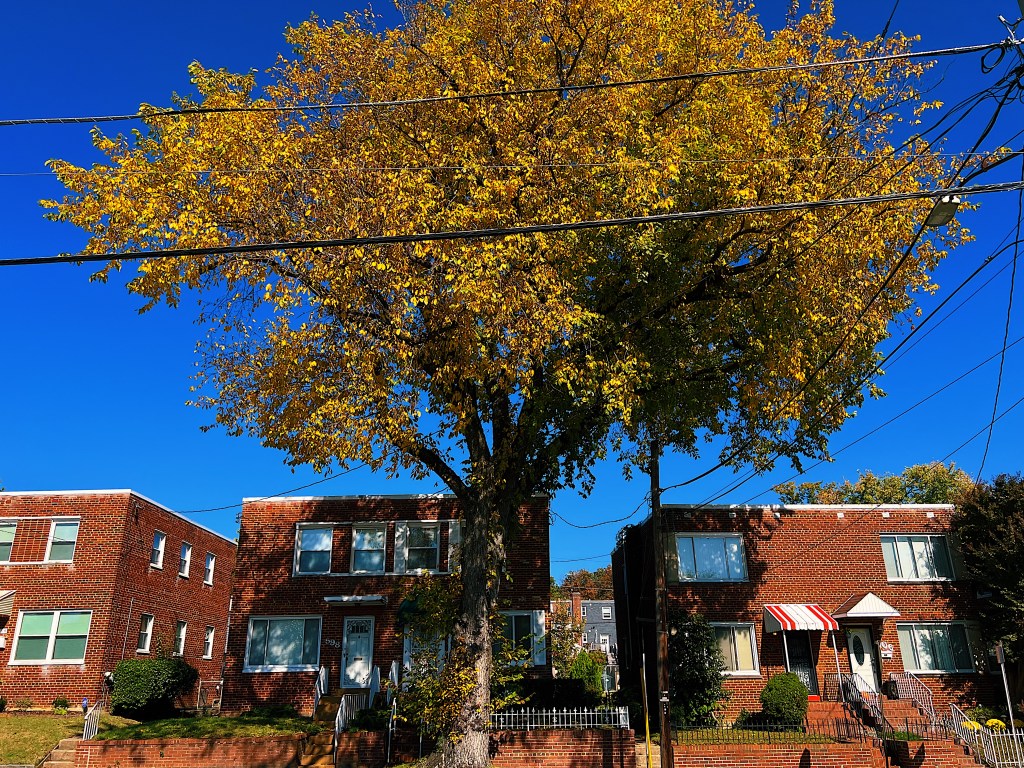
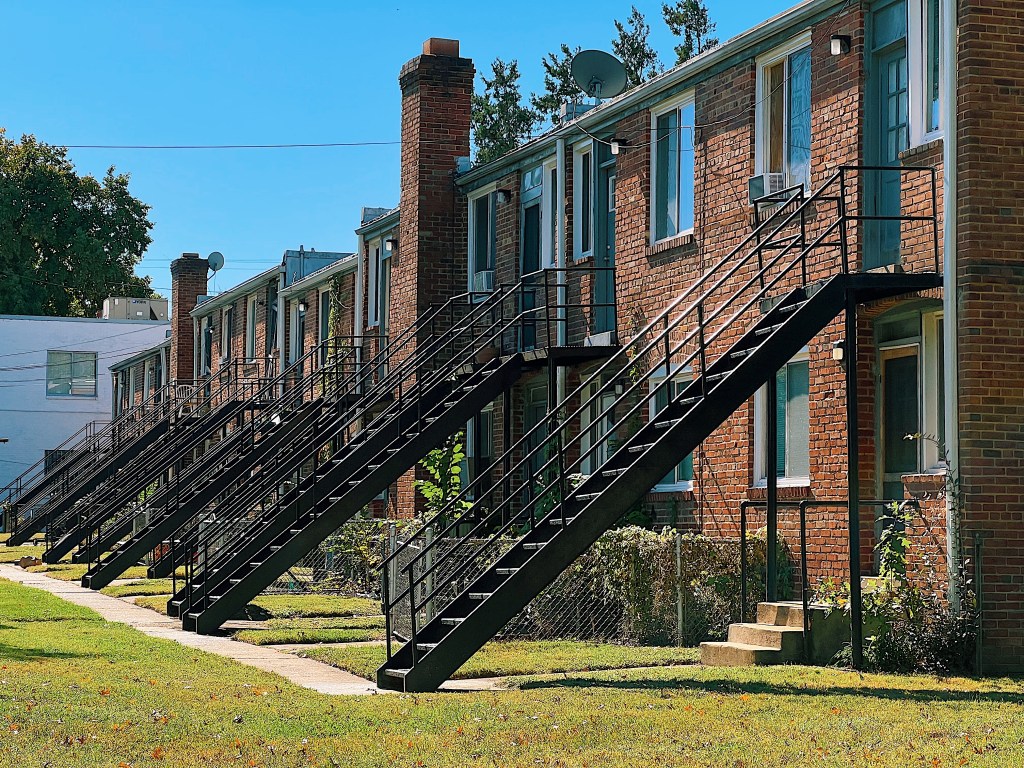
We saw a number of classic old apartment buildings.
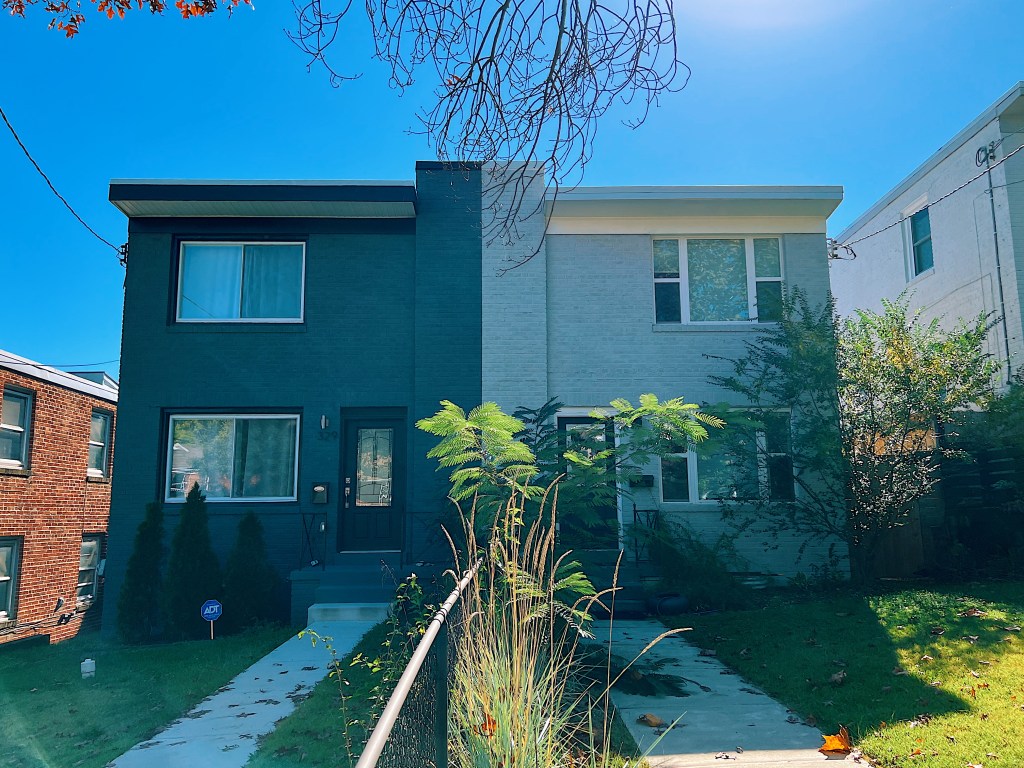
More and more new buildings are springing up among them. Sometimes, the old buildings have been renovated and expanded. For example, in the photo below the charcoal grey building on the left was originally like the one on the right. The developer has painted the bricks, added new windows and doors and an extra couple of floors.
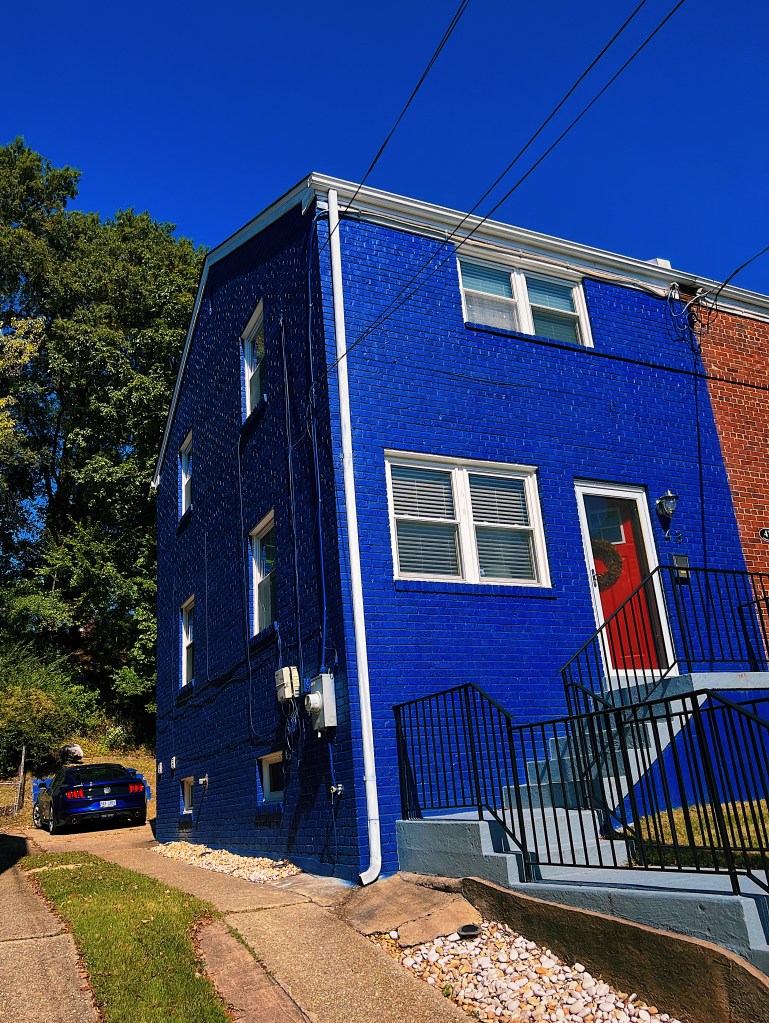
This beautiful blue Chevy is the classic car of the day.
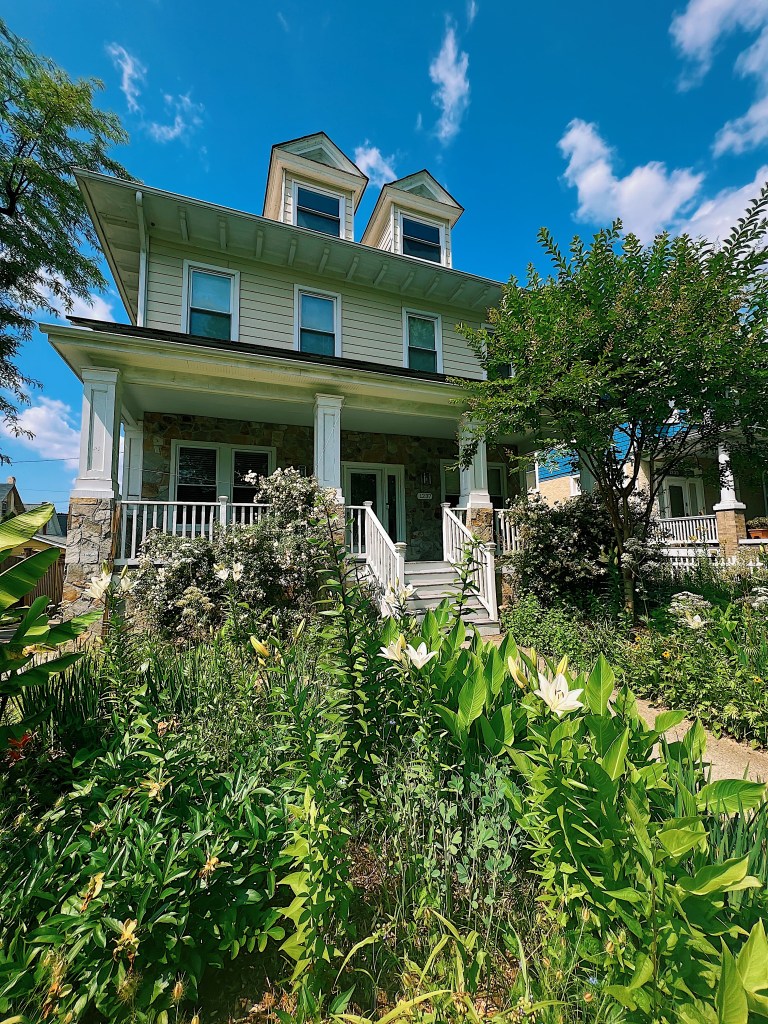
Most of the homes in Petworth are row houses. But, occasionally, we have come across a street of single family homes. This row of homes looked as if it would look more at home in nearby Takoma Park.
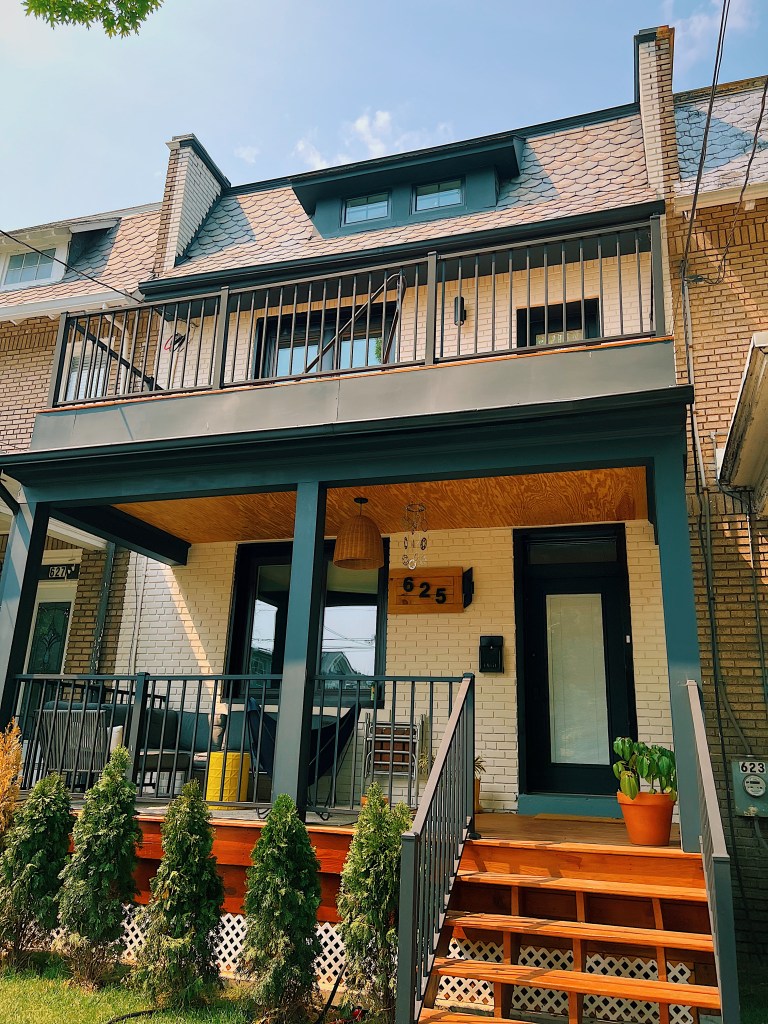
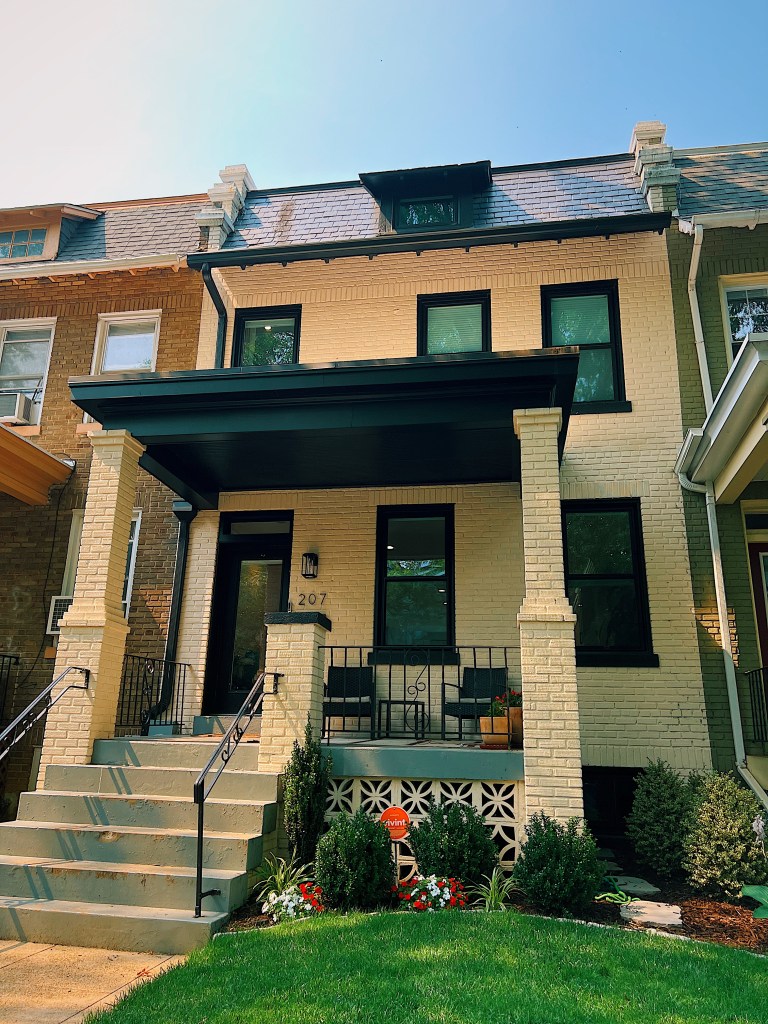
We have often noted in this blog that most of the renovated row houses in the District are painted gray in its various shades. Recently, we have noticed that cream has also become a popular choice.
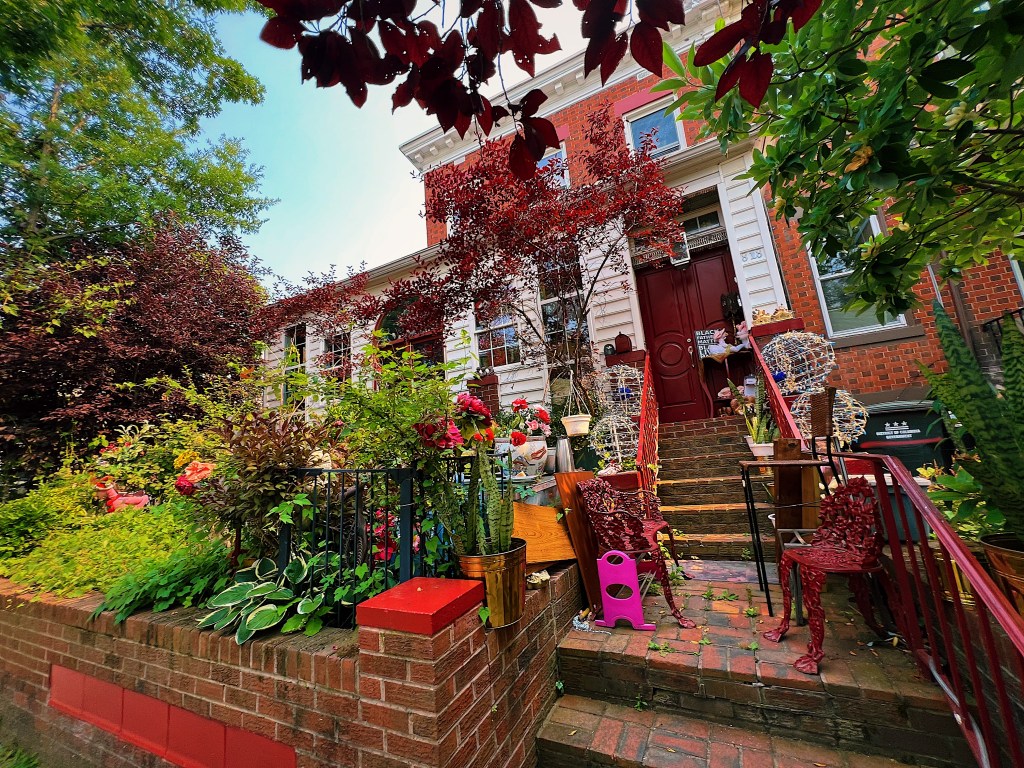
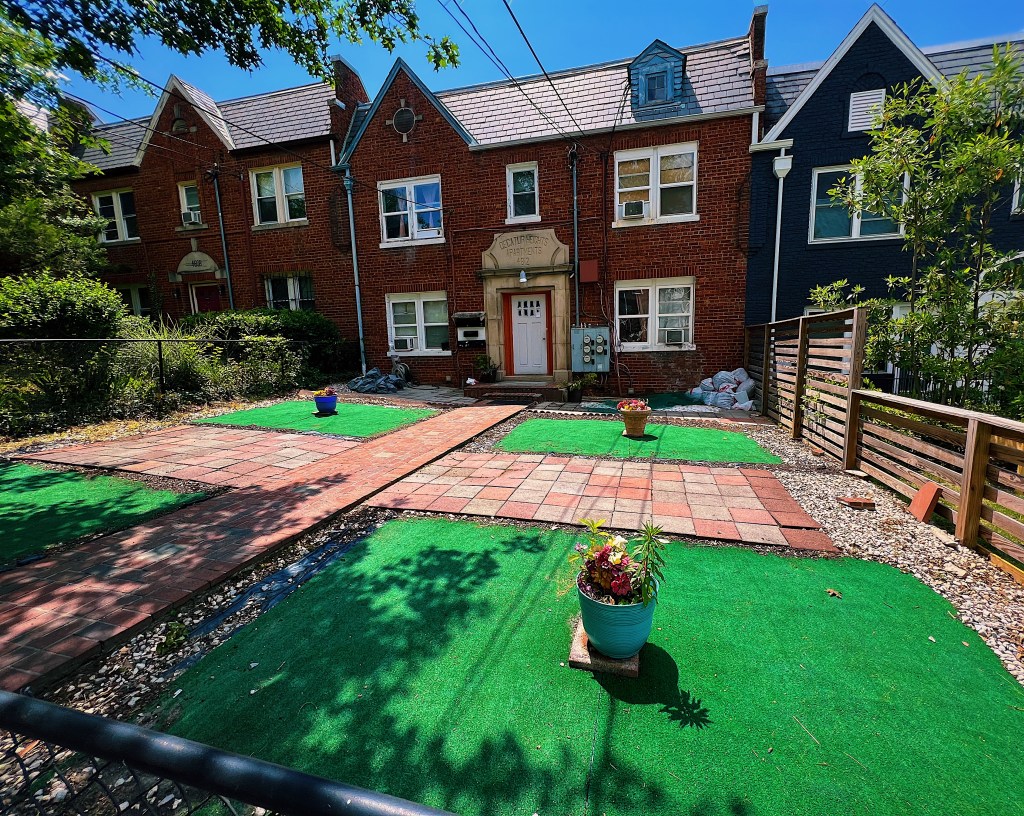
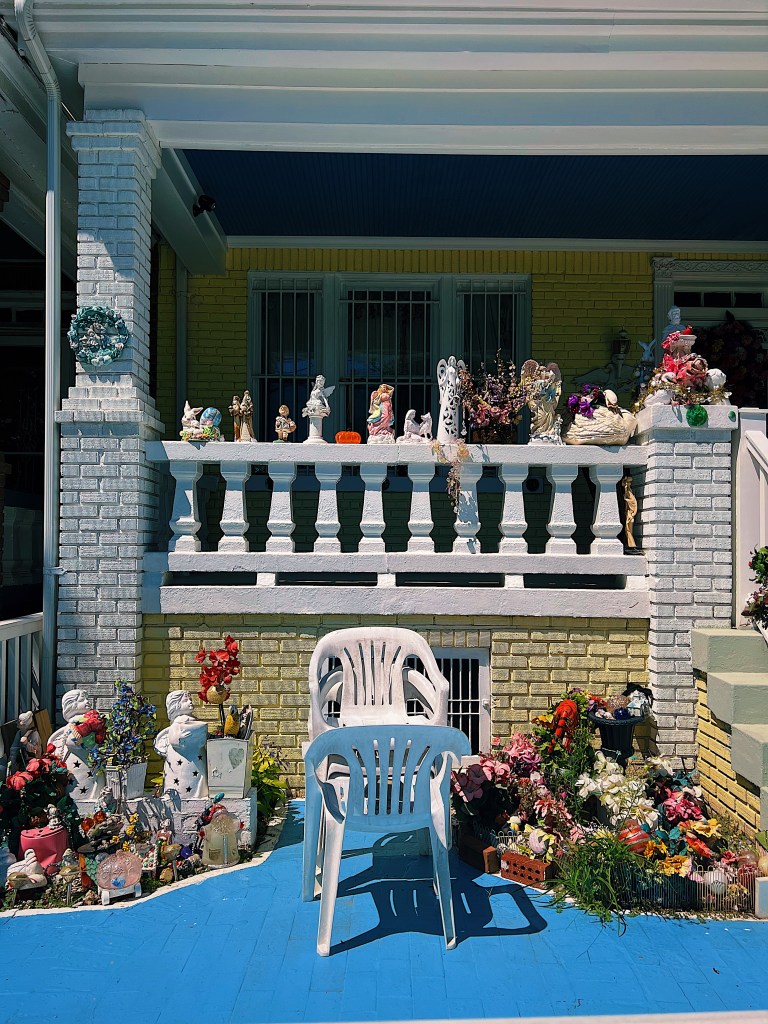
Dotted among the front gardens with their flowers and shrubs, we will come across some gardens whose owners are looking for something a little extra.
Processed with VSCO with l6 preset
Seldom do we walk in the District, without passing one of the numerous charter schools. Today we walked by the Petworth campus of Center City Public Charter Schools. It is one of a number of campuses that the school has throughout the city.
After eight months, we have finally returned to discovering the streets of our hometown. Here are some of the homes and other sights we encountered during our continued exploration of the Petworth neighborhood.
Some homes have front yards sporting wild natural gardens.
Others go in a completely different direction.
We passed the Washington Latin Public Charter School, which offers its students a classical education. The school emphasizes the Socratic method of teaching which encourages cooperative argumentative dialogue between the students. In addition to Latin, the it offers French, Mandarin Chinese, and Arabic.
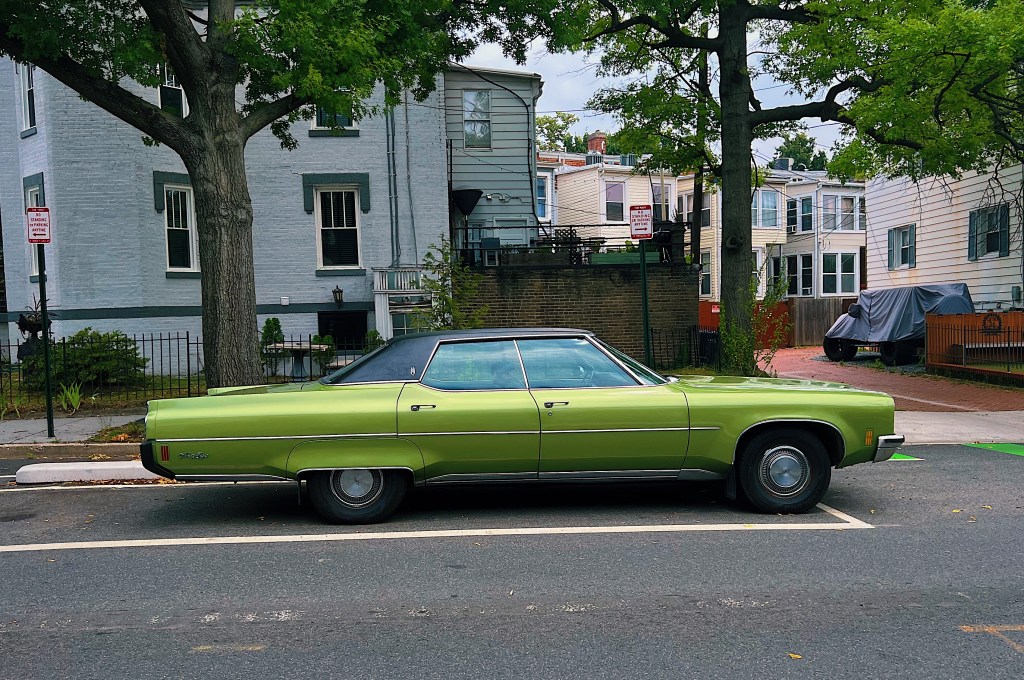
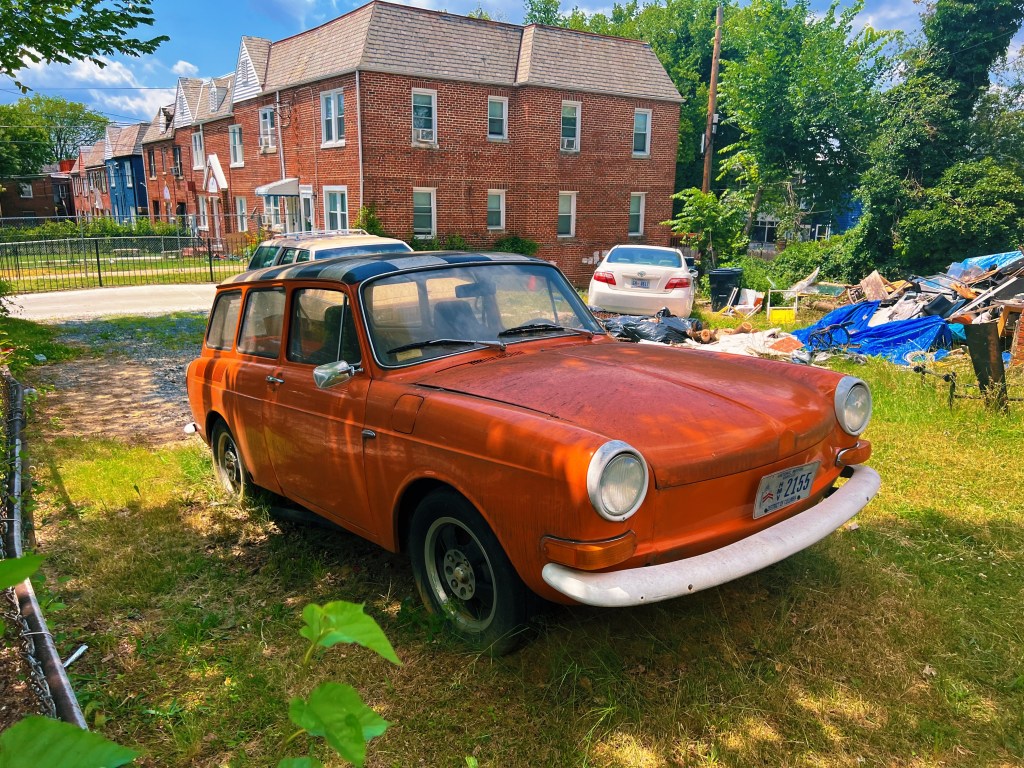
Speaking of classics, here are the two classic cars of the day.
We also passed by one of the more interesting lending libraries that we have seen. It was crafted as a miniature house, complete with pet dog. The whole front wall opened to access the books stored inside.
We don’t normally feature the people we meet during our walks but made and exception for this future fashion icon.
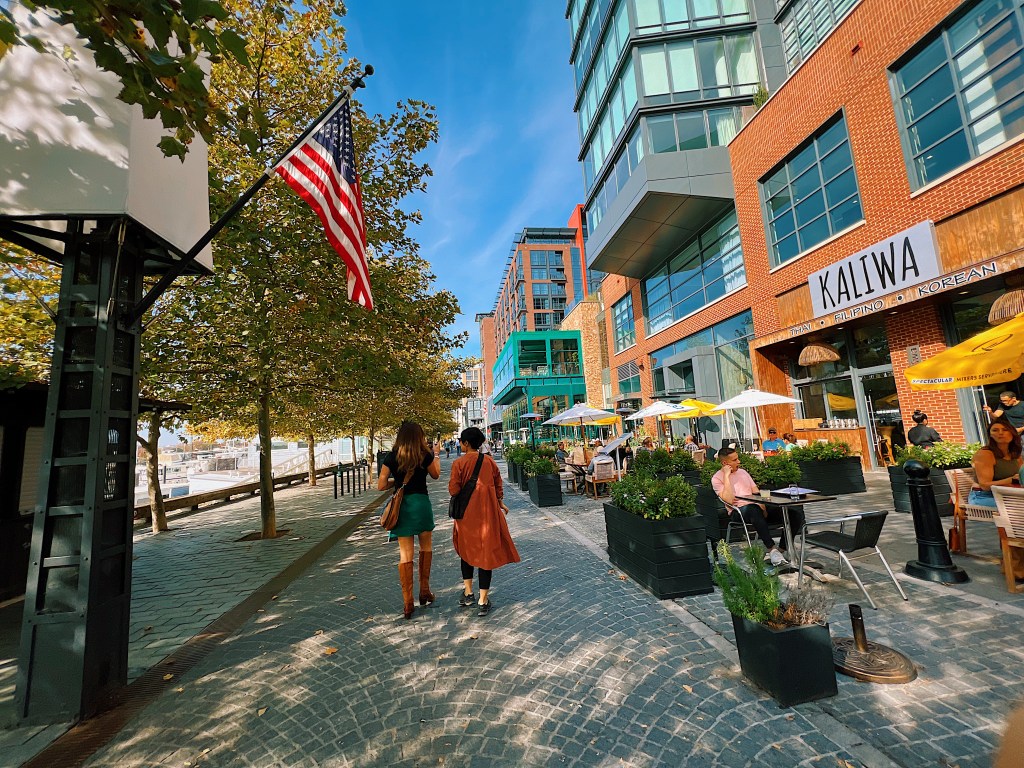
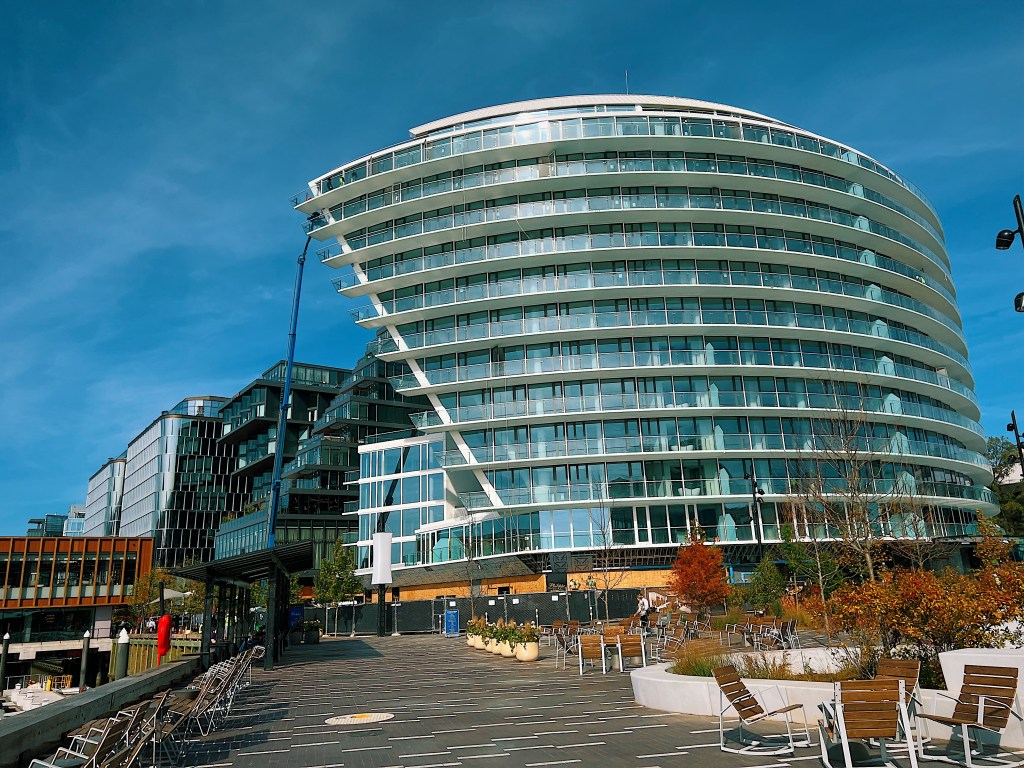
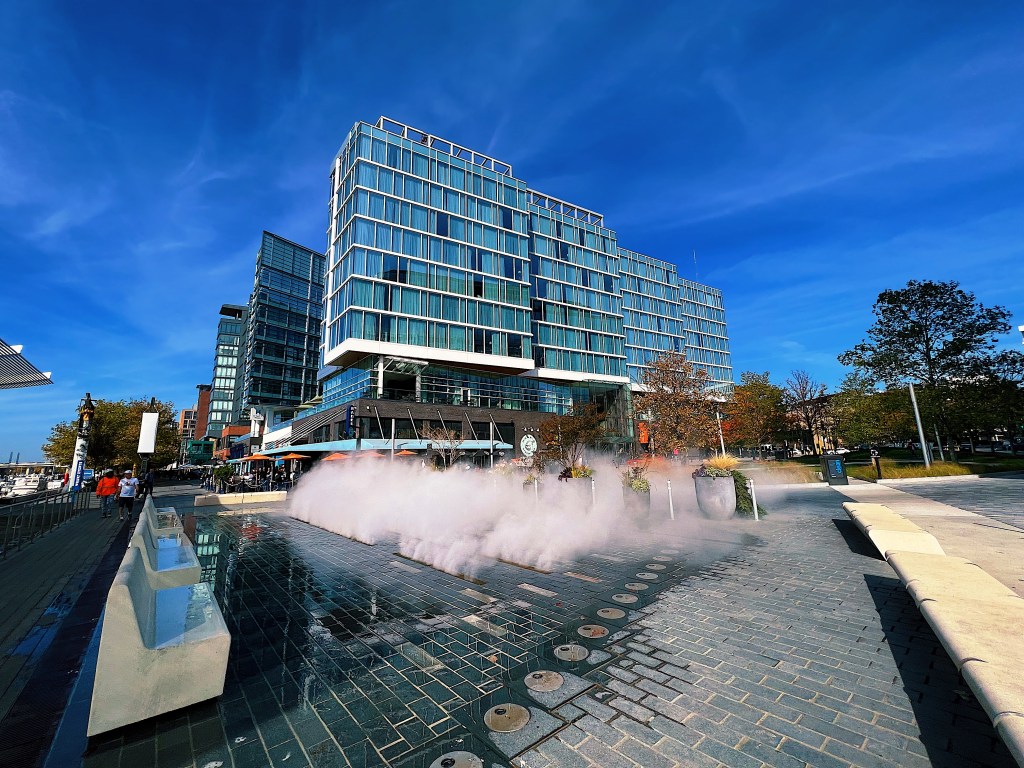
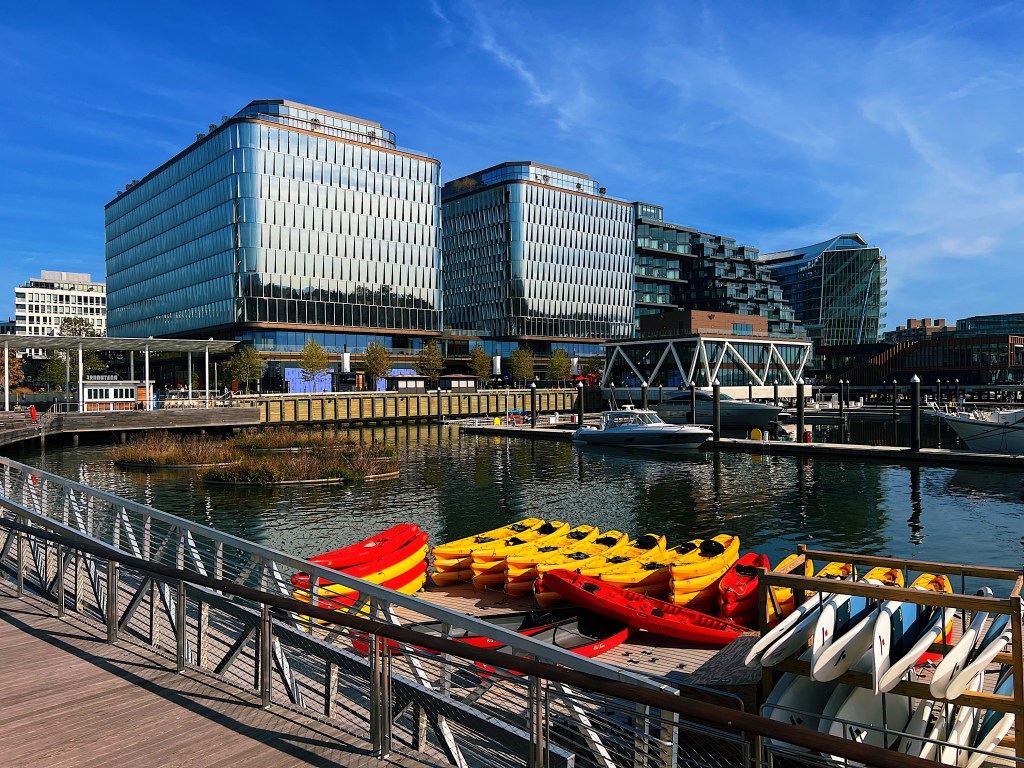
The Wharf is a massive development in Southwest Washington that after more than ten years of construction is now almost complete. When finished it will encompass 24 acres and contain over three million square feet of retail, residential, and entertainment space along one mile of the Washington Channel.
On a nice sunny day, we headed down there with our friend Charlet to get some fish and chips at celebrity chef, Gordon Ramsay’s latest addition to his restaurant empire. His drawing power was clear from the long lines outside the newly opened restaurant. The fish and chips were sadly mediocre and seriously over-priced.
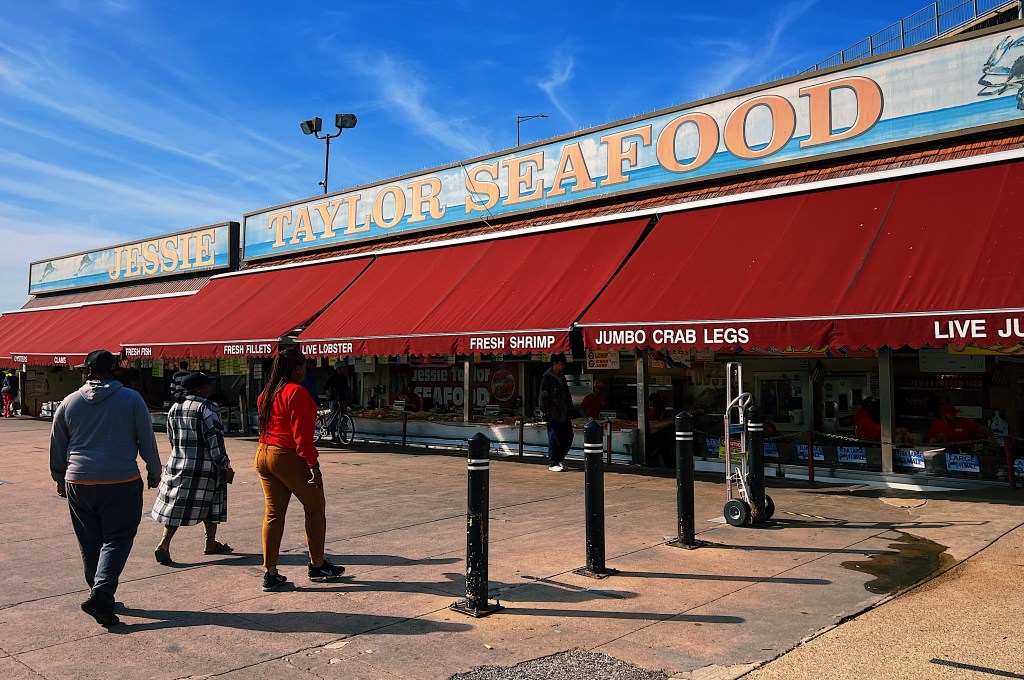
Much better to spend your money at other end of the Wharf, where the original fish market still survives.
Or to eat at Fabio Trabocchi’s Del Mar, a Spanish seafood restaurant which is always near the top of the District’s best of lists.
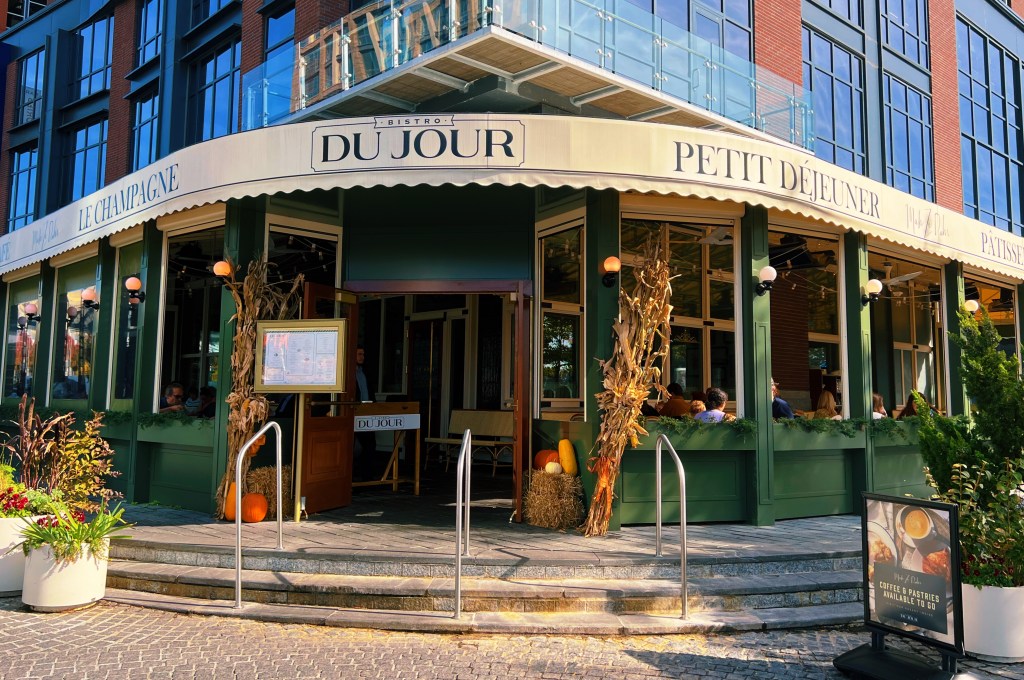
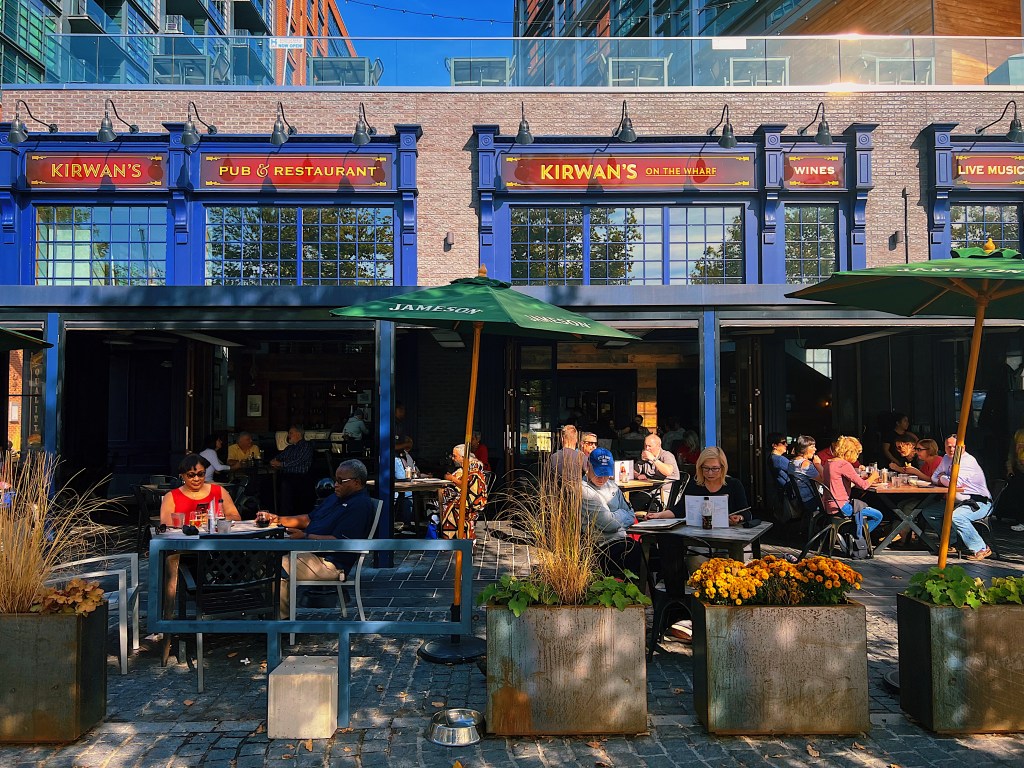
Or if you are not in the mood for seafood, there are plenty of other restaurants and bars to tempt you.
Or you may want to just go for a stroll, hang out and enjoy the views of the boats and the new buildings, or even go for a swing.
And if you find yourself down there in the evening you may want to go to a show at The Anthem, one of DC’s prime entertainment venues. Sadly, you are too late to catch the Trampled By Turtles show.
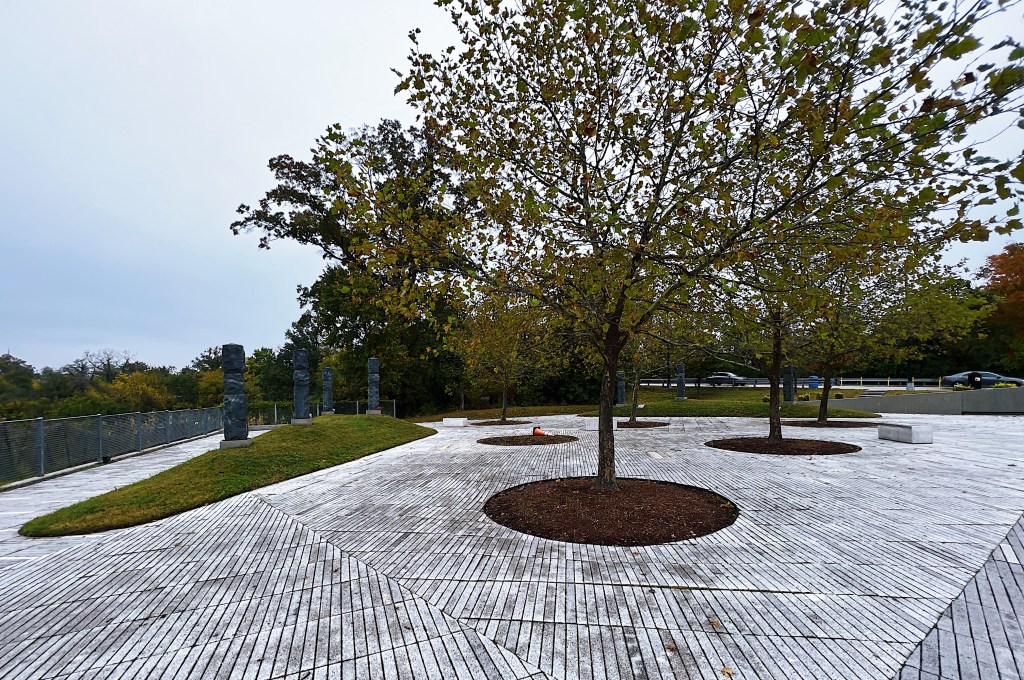
At 4:57 pm on Monday, June 22, 2009, a Washington Metro train rear-ended another stopped train, killing nine people and injuring at least eighty more. One of those killed was Cameron “Ty” Williams who had been a colleague and friend of Mal’s in the 1990s. They bonded over music as Ty tried, unsuccessfully, to convince Mal of the greatness of rap, lending him CDs and video tapes (remember those) of his favorite rap artists. Mal was reminded of Ty today when we came across Legacy Memorial Park that is located near the site of the crash and is dedicated to the lives lost in the collision.
Legacy Memorial Park
Next to the Park was one of the largest community gardens that we have seen during our walks.
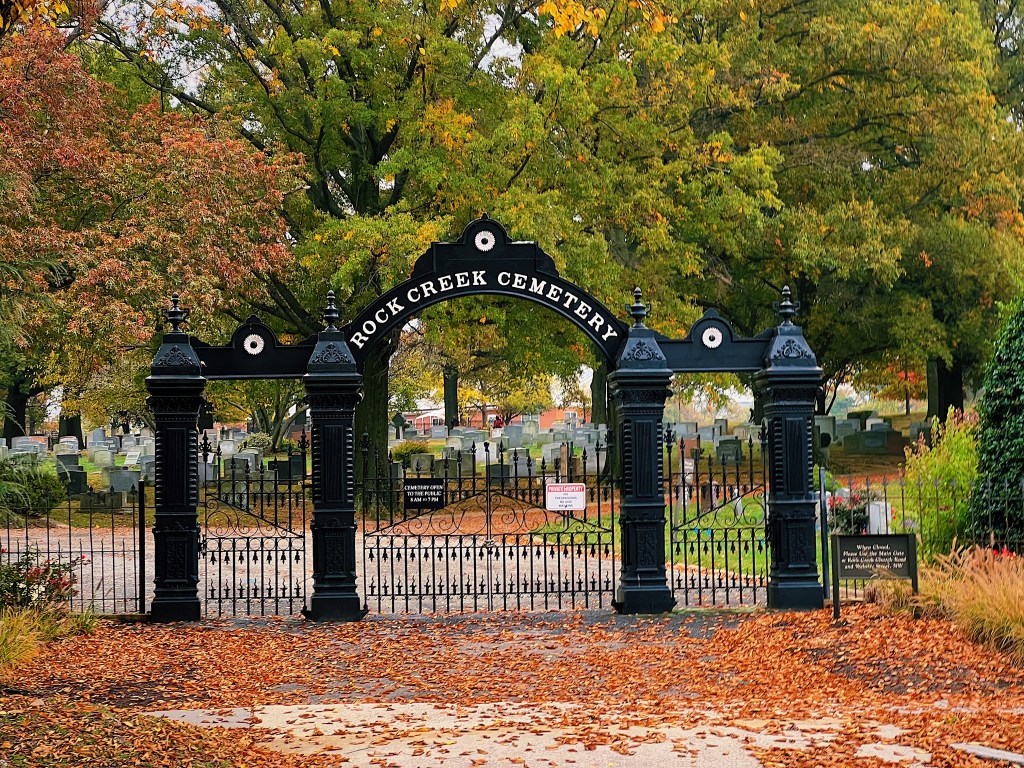
Befitting a grey misty day that can only be described as Northern European, the walk turned out to be quite somber as we moved on from Legacy Memorial Park to Rock Creek Cemetery and then Soldiers’ Home Cemetery. Rock Creek Cemetery, established in 1719, includes over 86 acres of natural and rolling landscape. Lauren’s mother, who grew up nearby, remembers going for long walks through the cemetery with Lauren’s father when they were still dating. Many prominent Americans are interned on its grounds, including two famous men of letters, Gore Vidal and Upton Sinclair.
Rock Creek Cemetery
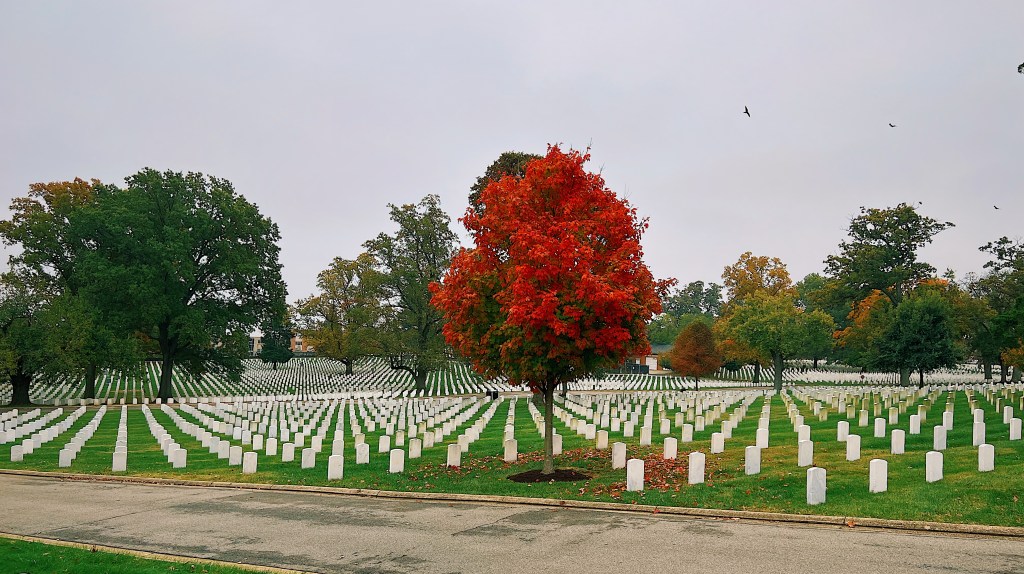
Directly across the road from Rock Creek Cemetery is the U.S. Soldiers’ and Airmen’s Home National Cemetery. It is one of only two national cemeteries administered by the Department of the Army, the other being Arlington National Cemetery. Buried in the cemetery are many famous American soldiers, including Thomas Boyne, Benjamin Brown and John Derry who were all Buffalo soldiers. Buffalo Soldiers was the nickname given by the Native American tribes to the African-American regiments that were formed in 1866 to fight in the Indian Wars. They are also the subject of Bob Marley’s song “Buffalo Soldier”. Marley identified with the Buffalo Soldiers as examples of black men who performed with courage and valor and persevered despite endemic racism and prejudice.
Also buried in the cemetery is Agnes von Kurowsky, an American nurse during World War I who was the basis for the character “Catherine Barkley” in Ernest Hemingway’s, “A Farewell to Arms”.
U.S. Soldiers’ and Airmen’s Home National Cemetery
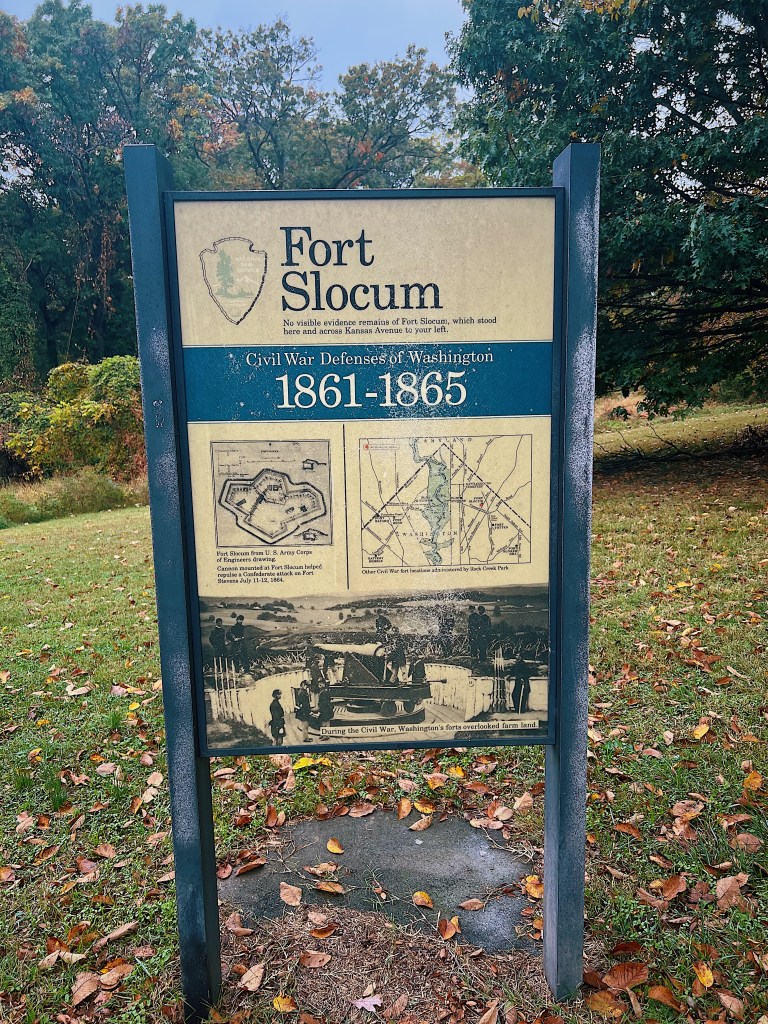
Dotted throughout the District are a number of forts that were built during the Civil War to protect the capitol. Fort Slocum, named for Colonel John Slocum who commanded the fort, was the home of 25 artillery pieces. Now it is a quiet park.
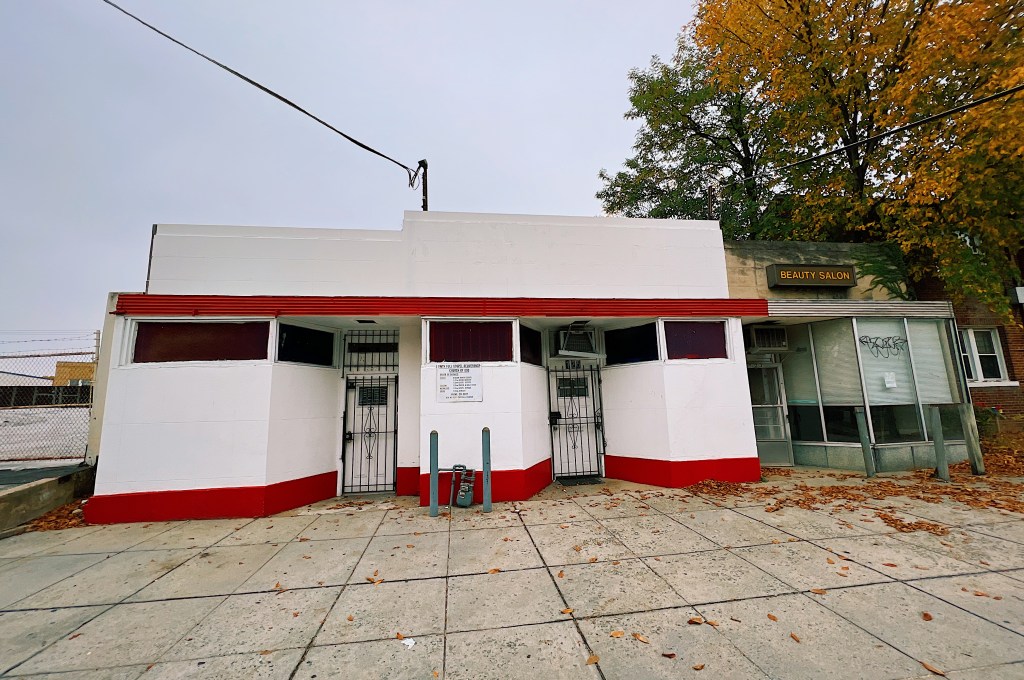
We are constantly surprised at how many small store front churches we come across during our walks. Here is another, The Faith Full Gospel Deliverence Church of God.
We continued our exploration of Riggs Park. The neighborhood consists mainly of duplexes, many with a midcentury modern feel.
With Halloween only a couple of weeks away, we are starting to see more and more houses decked out with scary decorations. We particularly liked this vulture and little dog in shark costume.
Riggs Park, also known as Lamond Riggs, is a residential neighborhood in the upper eastern part of the District. Back in the 1950s is was a predominantly Jewish neighborhood, sometimes called the “Little Tel Aviv” of DC. However, in the 1960s the majority of the Jews in the neighborhood sold up and moved to suburban Maryland. Now the neighborhood is the home to a large middle-class black population. Here is a sample of some of the homes we passed by.
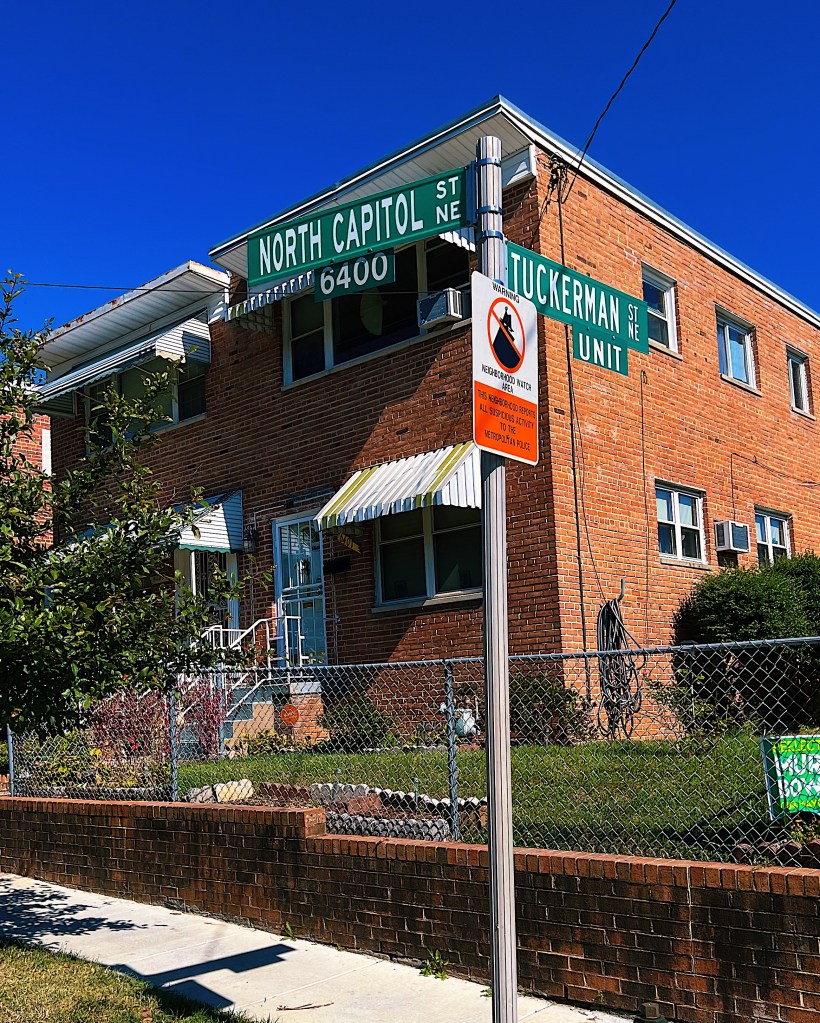
Washington DC is split into northeast, northwest, southwest and southeast quadrants, with the Capitol building being the center point. The dividing line between the east and west side of the city is Capitol Street, which runs all the way from the Maryland border in the north to the Anacostia River in the southern part of the city. South of the Capitol it is called South Capitol Street. North of the Capitol it is called North Capitol Street. Here is a photo of the upper most part of North Capitol Street. Much like a river, it starts out narrow and quiet at its source before gradually broadening into a busy six lane thoroughfare as it proceeds on through the city.
The street signs in the city indicate which quadrant you are in (NW, NE, SW, SE). Here, two street signs on opposite sides of North Capitol Street, indicate that you have crossed over from one side of the city to the other.
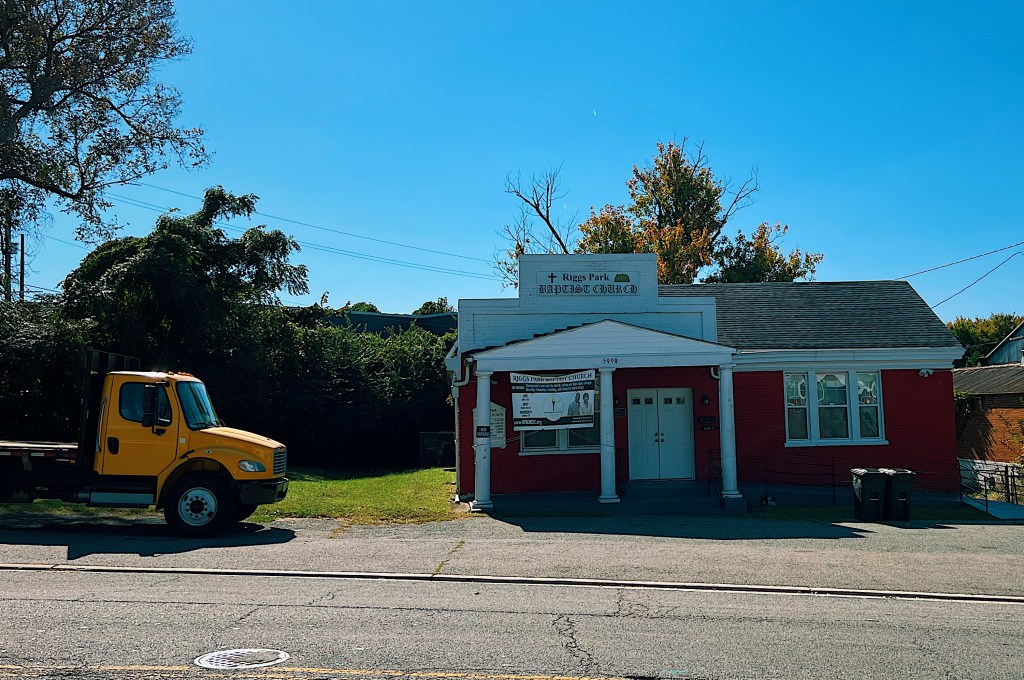
We passed by a number of churches in the neighborhood. This was one of the least attractive that we have walked by during our travels.
And this is one of the smallest.
We also passed a couple of public charter schools. Friendship Ideal elementary and middle school follows the Reggio Emilia philosophy of education that developed in Italy after World War II. Under this approach, the teacher is considered a co-learner and collaborator with the child and not just an instructor. Teachers are encouraged to facilitate the child’s learning by planning activities and lessons based on the child’s interests. The school has about 135 students.
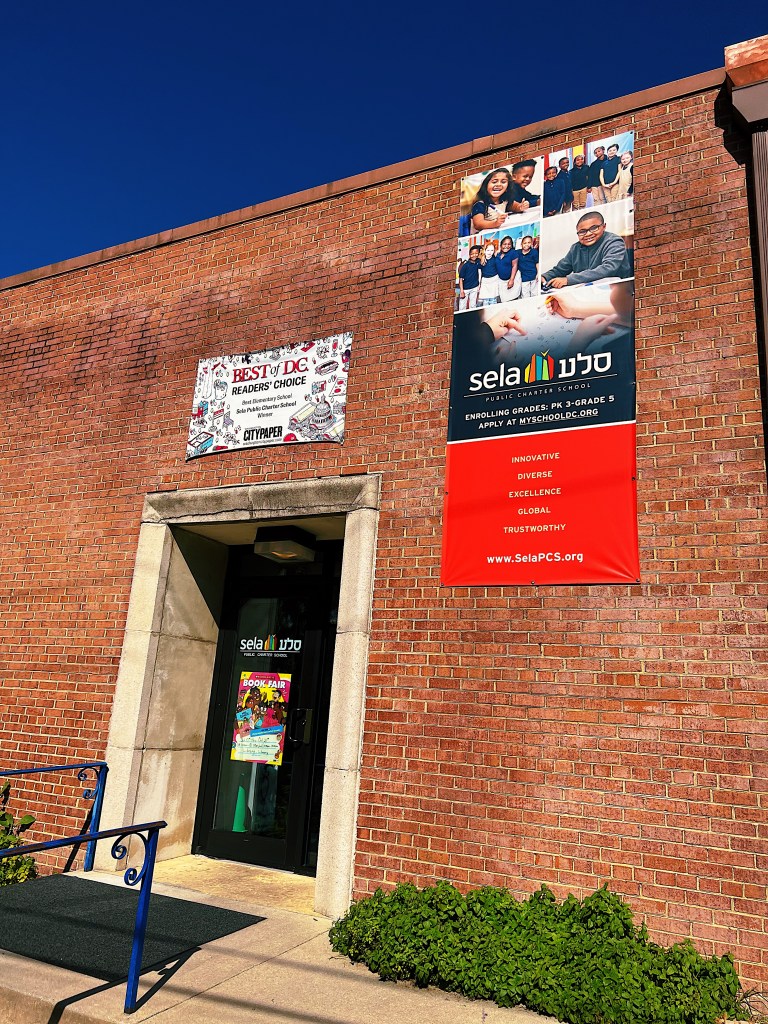
Perhaps surprisingly, since most of the area’s Jews left the area over fifty years ago, DC’s only Hebrew Language Immersion Public Charter school is also in the neighborhood. Sela Public Charter School gets its name from the Hebrew word for “rock” or “foundation” and is one of the top ranked charter schools in DC. The school itself does not appear to be particularly Jewish. In fact, it prides itself on its diversity with 57% of its 260 students being black, 27% white, 12% hispanic, 2% asian, 1% native American, and 2% multiracial.
In Washington, D.C., the north-south running streets are numbered, the east-west running streets are either lettered ( C, D, E, etc.) or named (Garrison, Harrison, Huntington, etc.) and the avenues that run diagonally through the city are named after states. Today, we walked mainly on four avenues, Kansas, Arkansas, Illinois and Colorado. For those of you who have wondered why Arkansas and Kansas are spelled almost identically but pronounced differently (Arkansaw and Kanzis), the answer is apparently due to Kansas being the English plural pronunciation of the local Kansa tribe, while Arkansas is the french plural pronunciation of the related Arkansa tribe. In French, the final plural syllable is not pronounced, hence Arkansaw rather than Arkanzis.
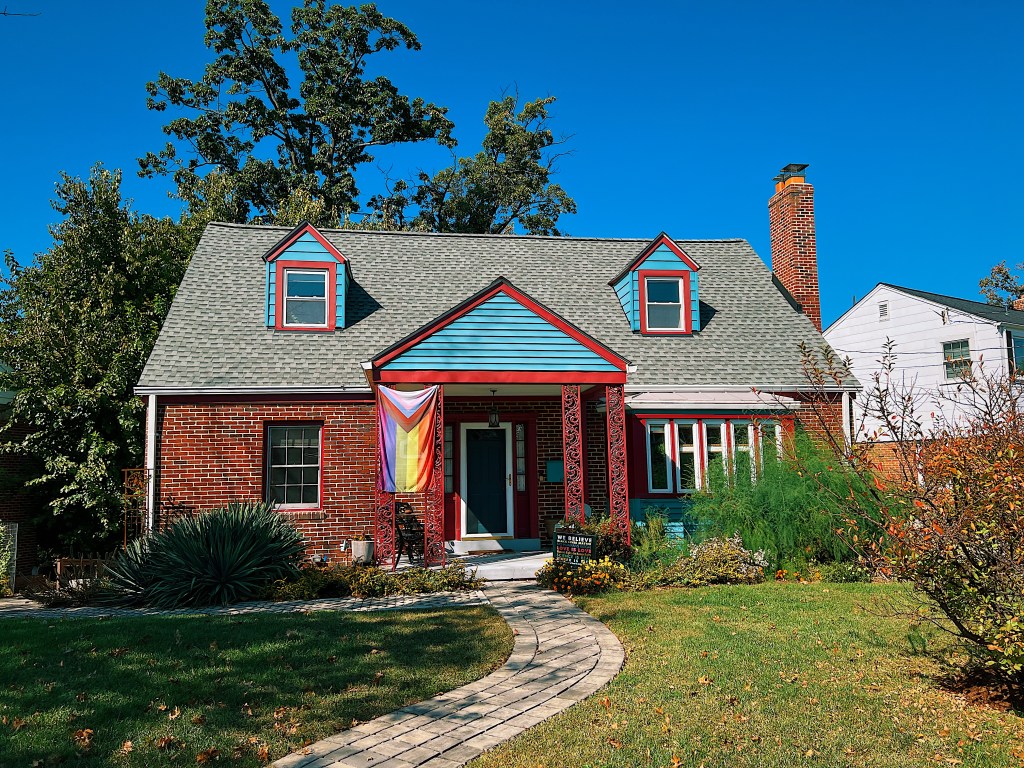
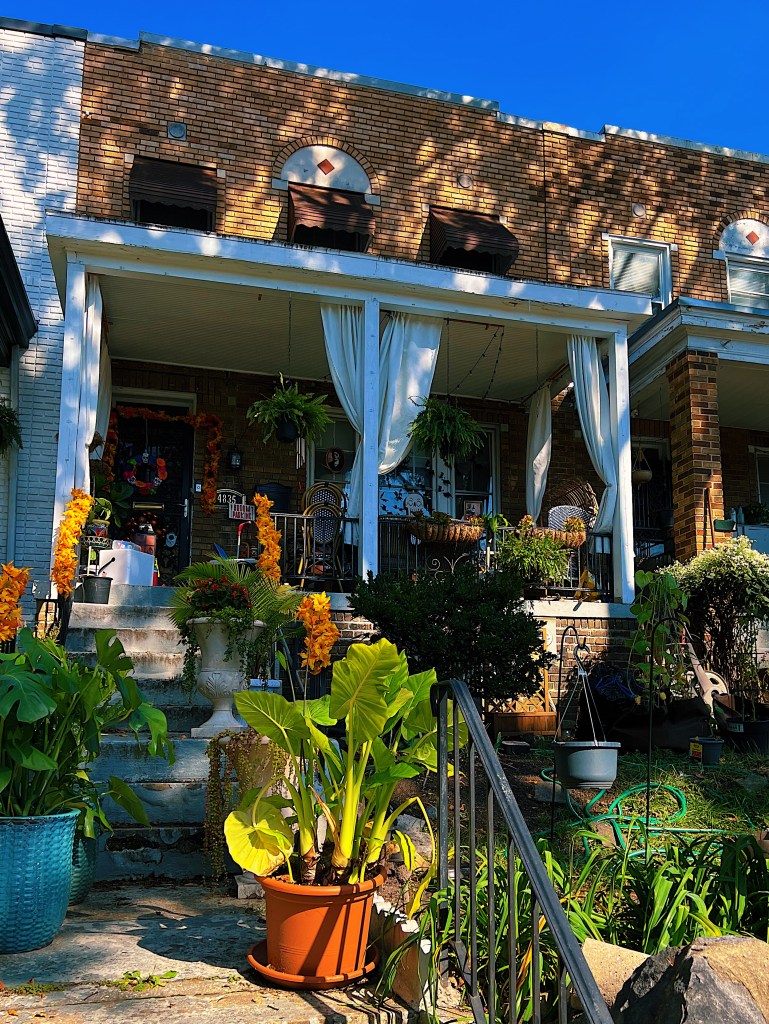
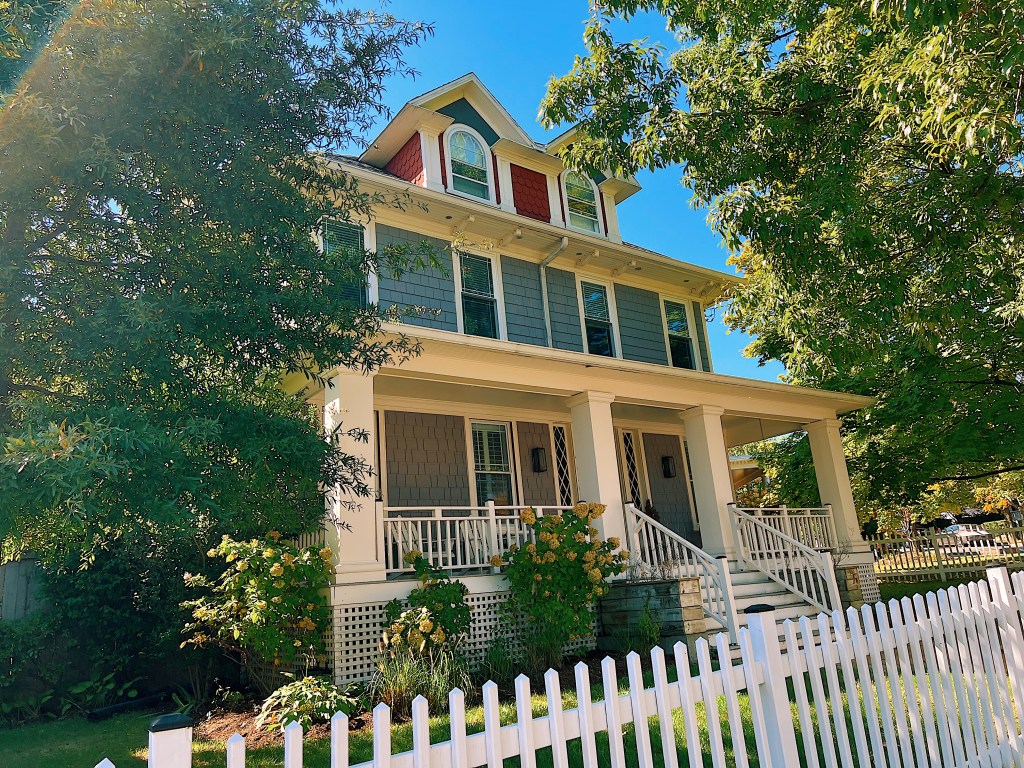
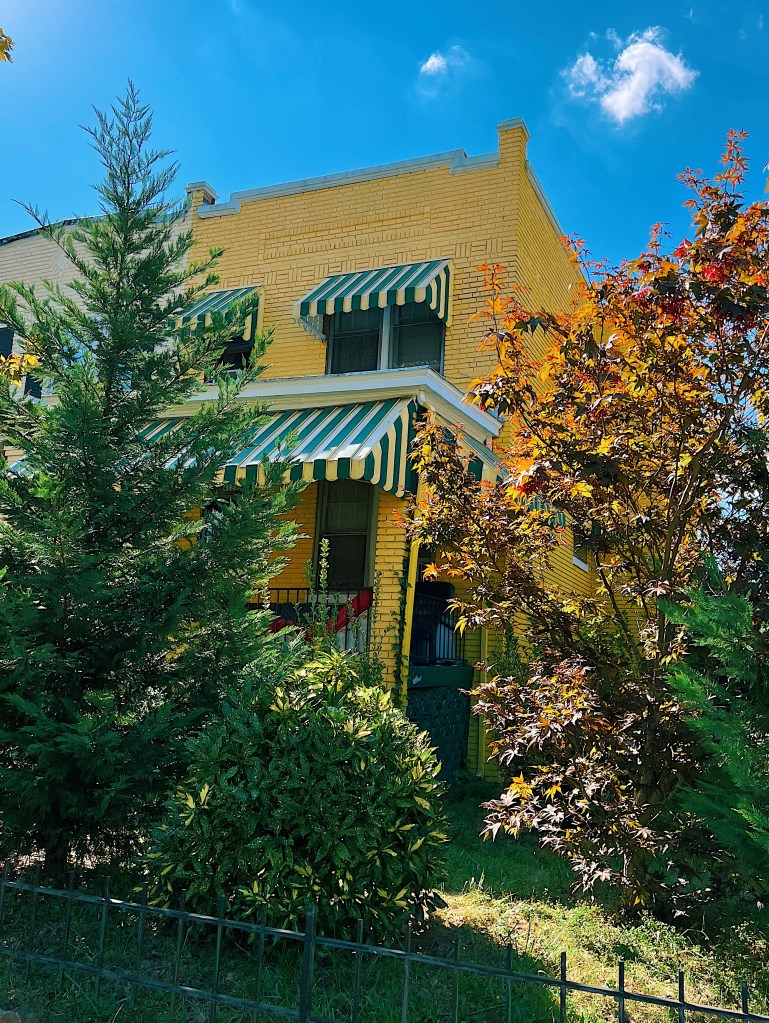
Here are some of the homes we passed along the way.
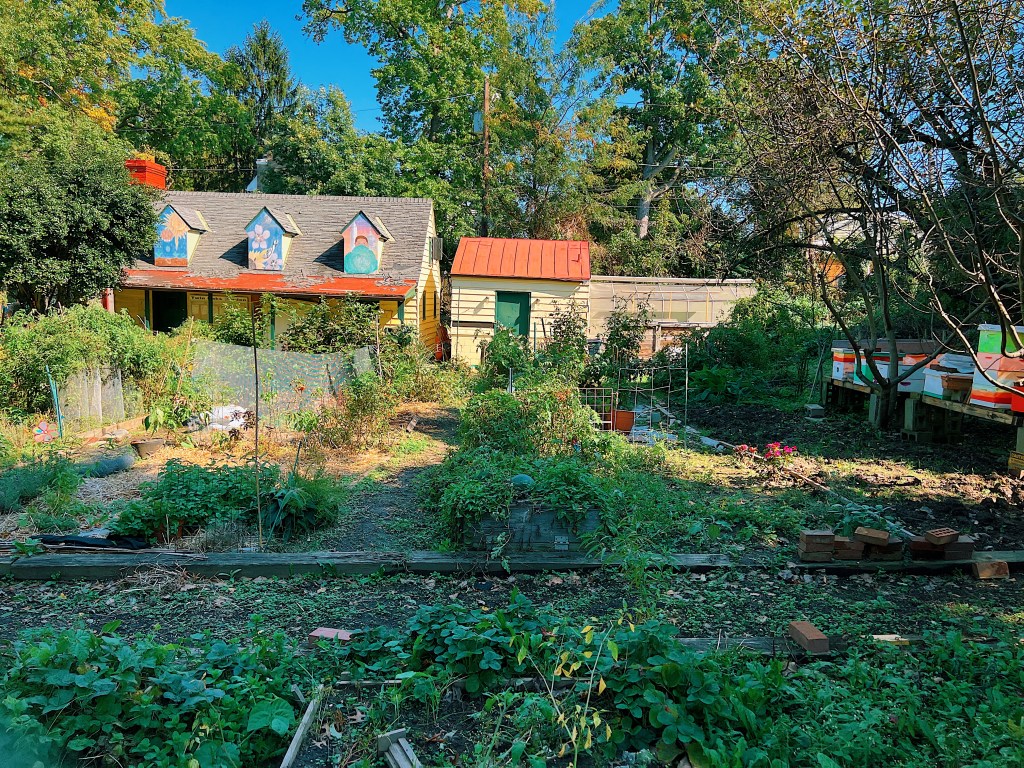
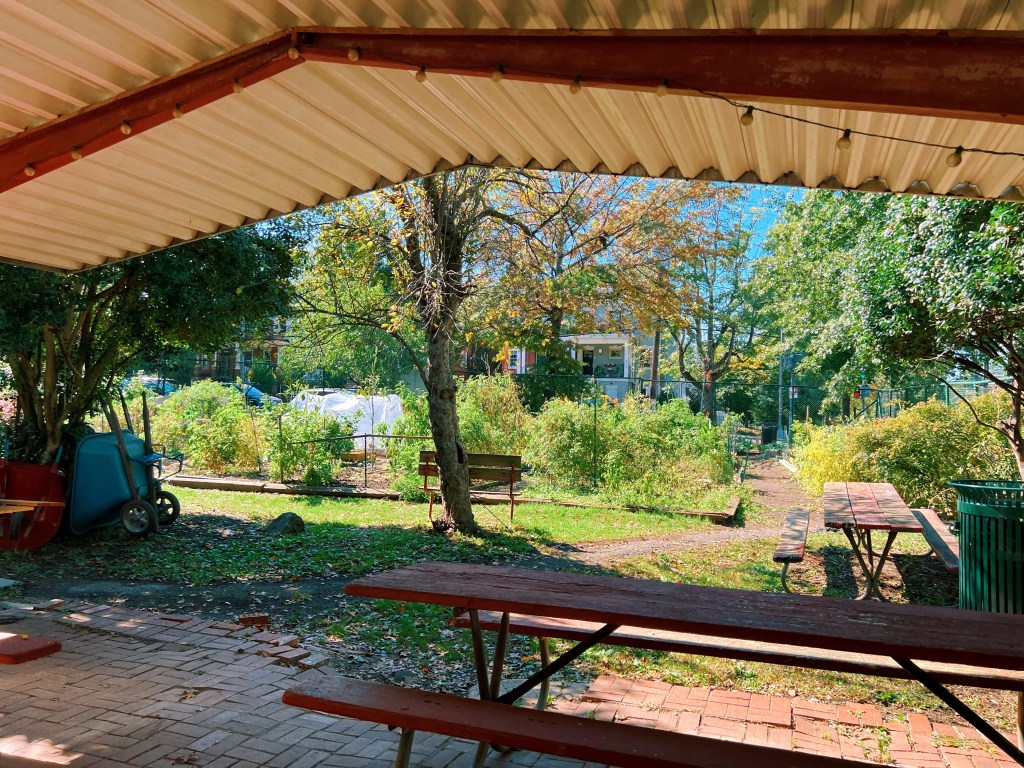
The local Twin Oaks community garden was one of the more charming we have come across, complete with covered picnic tables, and colorful beehives.
There are a lot of schools in the area, including the stately Powell elementary school. Built in 1929, it is named for William B. Powell, the city’s superintendent of public schools and co-founder of the National Geographic Society. It is a bilingual school (English and Spanish), which seems fitting for an area with a strong hispanic presence.
If like Napoleon, you’ve reached your Waterloo, you may want to send an S.O.S out to A.B.B.A.’s church. You may just end up having the time of your life.
If only every day was like this, Washington DC would be a far better place to spend the summer. With temperatures in the eighties and no humidity, it was very pleasant returning to the streets of Petworth and Brightwood Park.
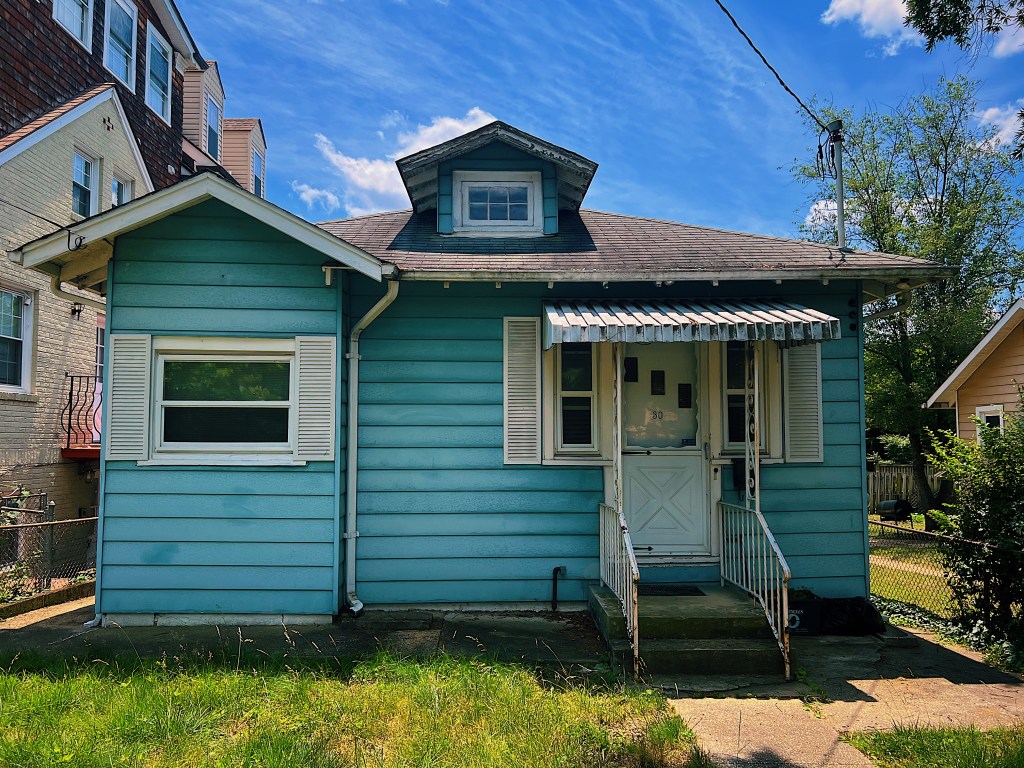
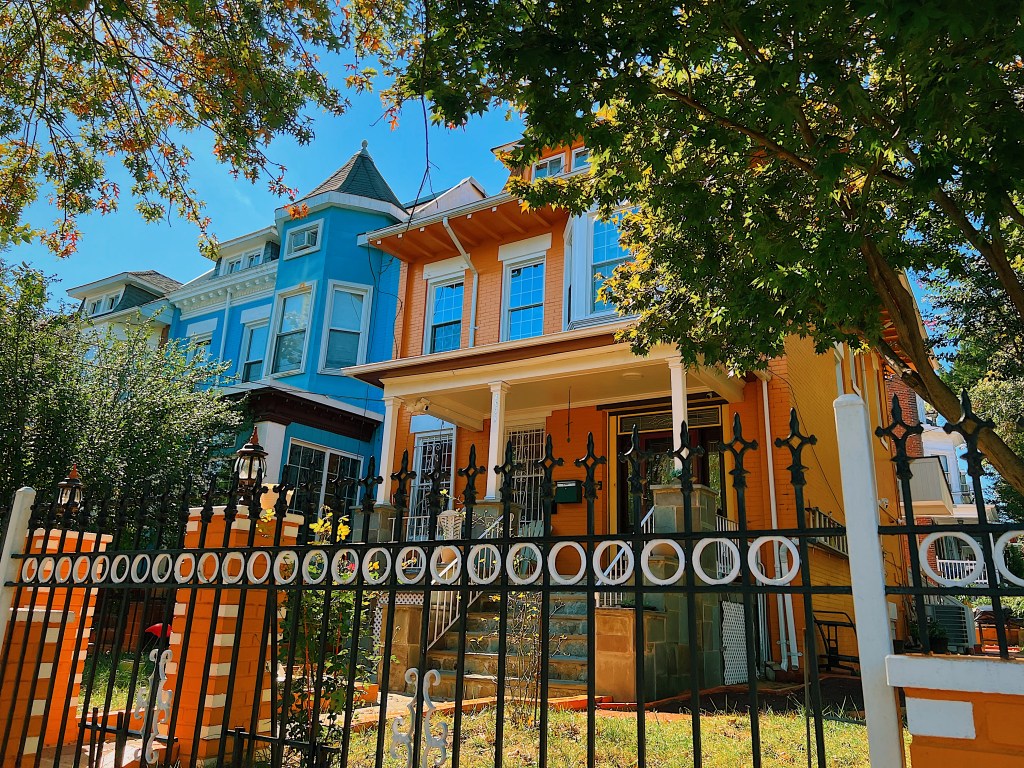
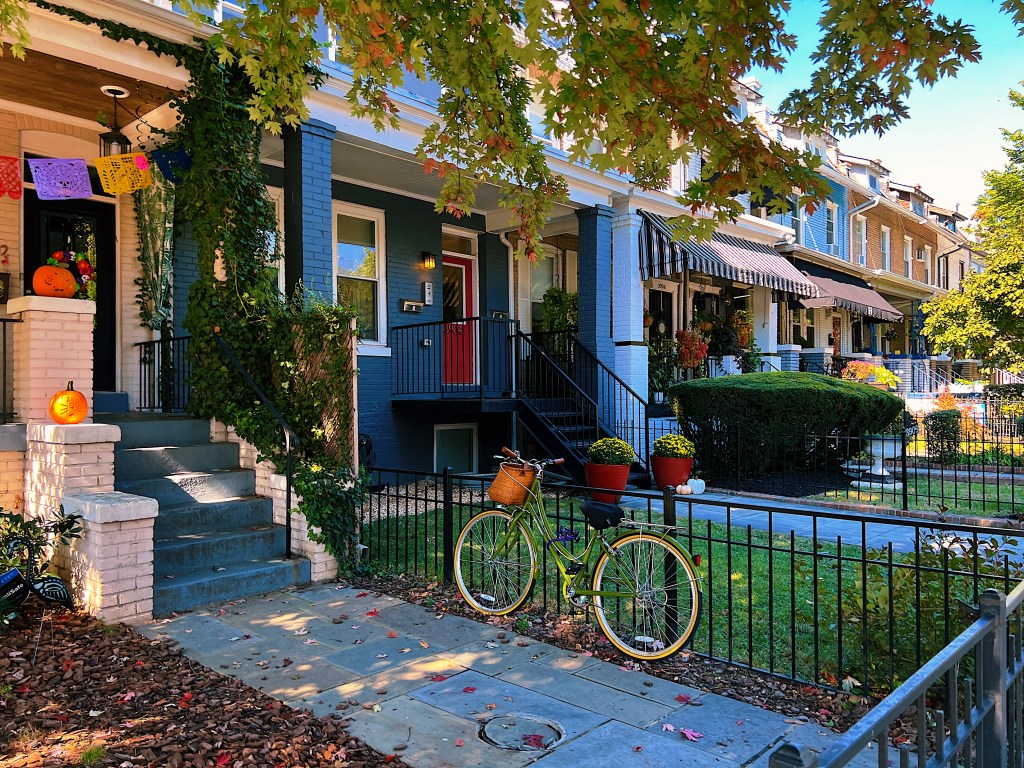
As we have noted in prior postings, the neighborhood is primarily made up of row houses with a sprinkling of single family homes and small apartment buildings. Here are some of our favorites.
Some of the homes had quirky flourishes.
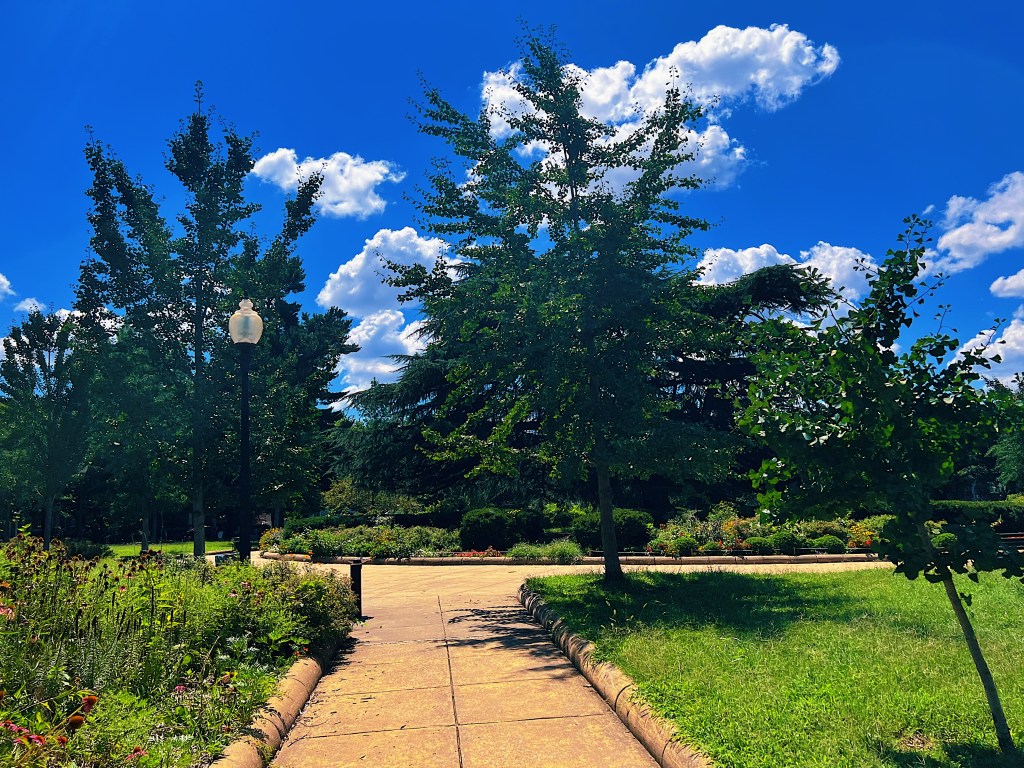
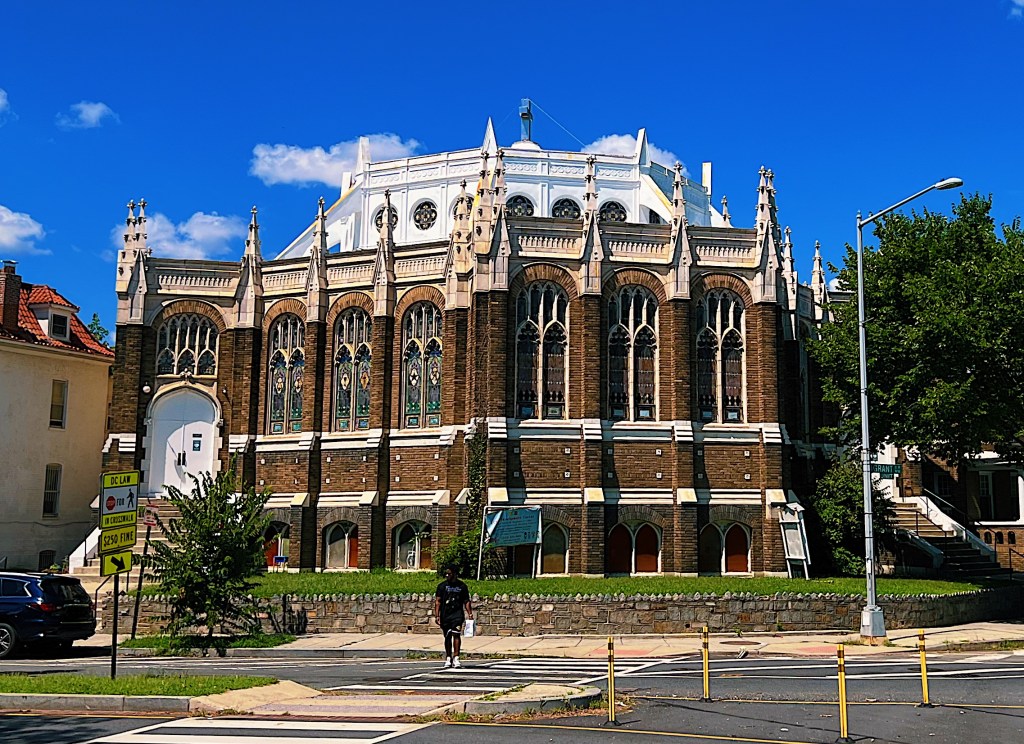
Petworth sports some pretty traffic circles. Grant Circle is named for Ulysses S. Grant, the 18th President of the United States and the commanding general of the Union Armies in the Civil War. The circle has a tragic history. In 1906, while excavating a sand pit at the circle, sand banks caved in around several workers. James Major, an African-American worker, was buried in the sand and killed.
On the edge of the circle is Petworth United Methodist Church. The octagonal shaped Tudor Gothic style church was completed in 1916 and is said to patterned after the style of the period of John Wesley, founder of Methodism.
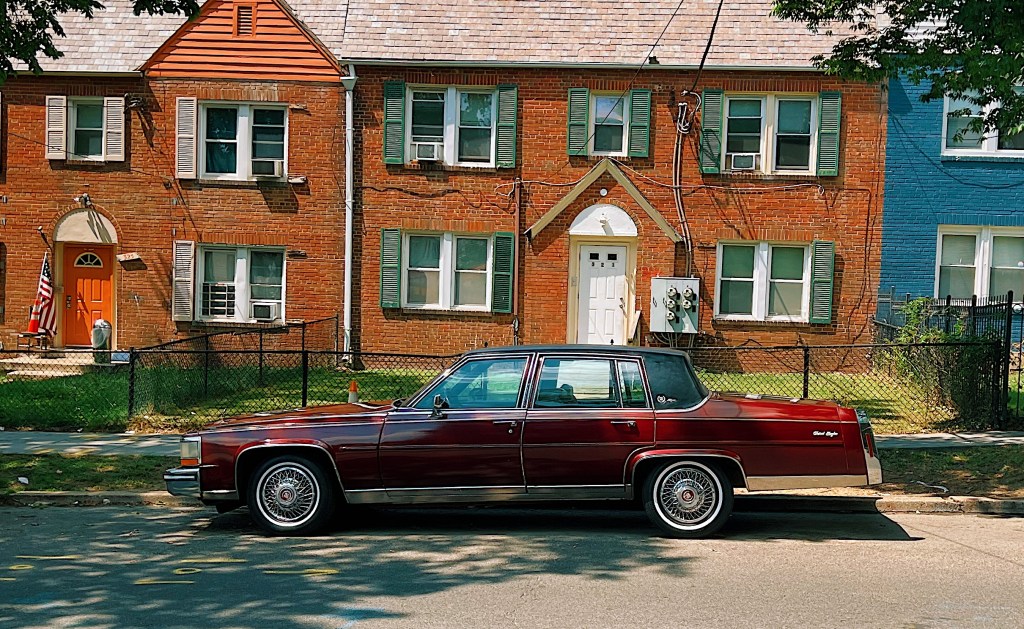
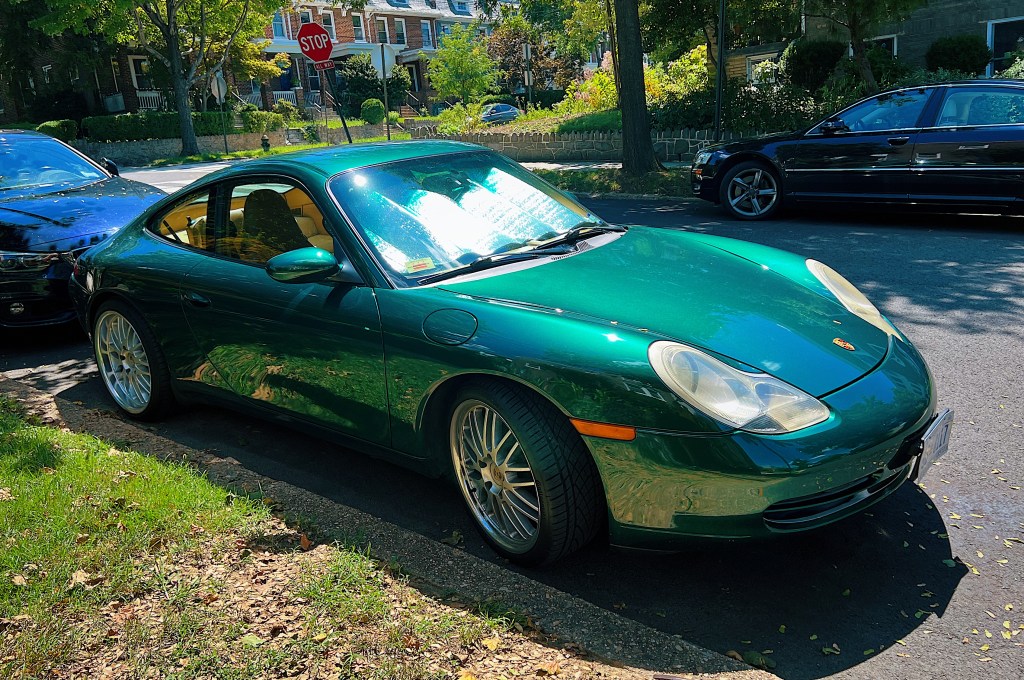
Along the way we passed some classic cars.
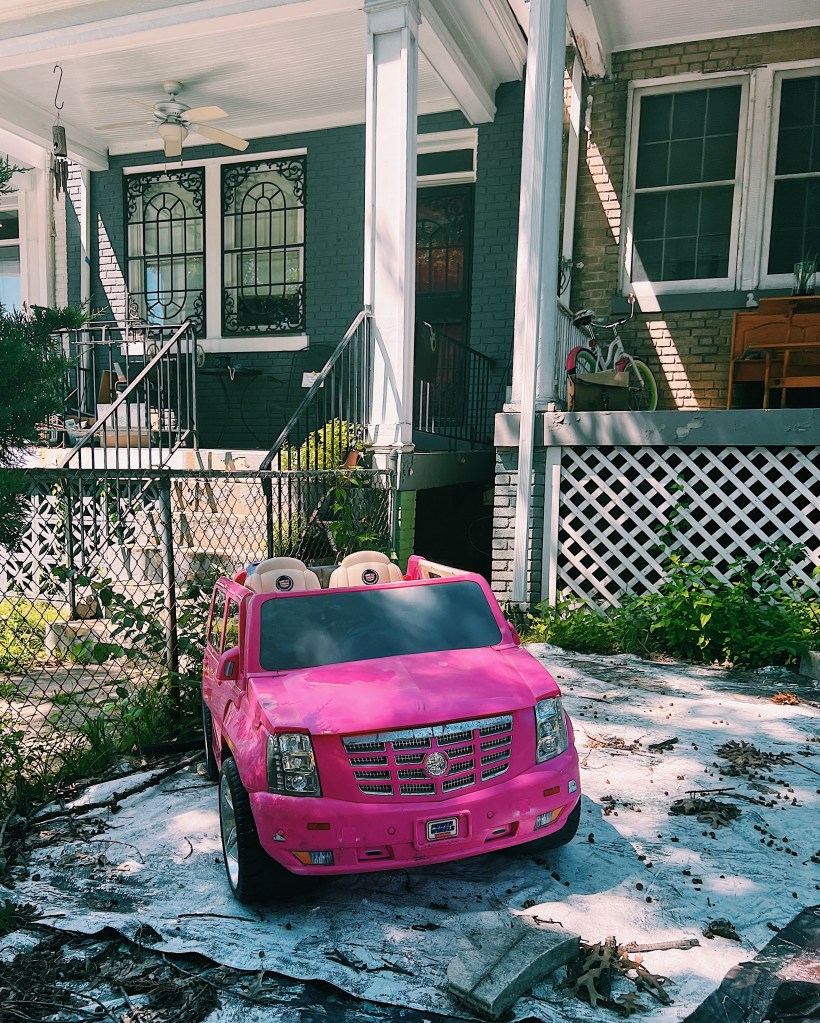
For the kid whose finances don’t run to a pink cadillac, there is alway a red shopping cart.
This in one of the most attractive lending libraries we have come across, complete with rooftop garden.










































 Walking The District