Day 78

Brightwood / Rock Creek Park (May 30, 2020)

On a beautiful late Saturday afternoon, we walked up Beach Drive in Rock Creek Park and back down 16th Street, dropping into a couple of side streets along the way.

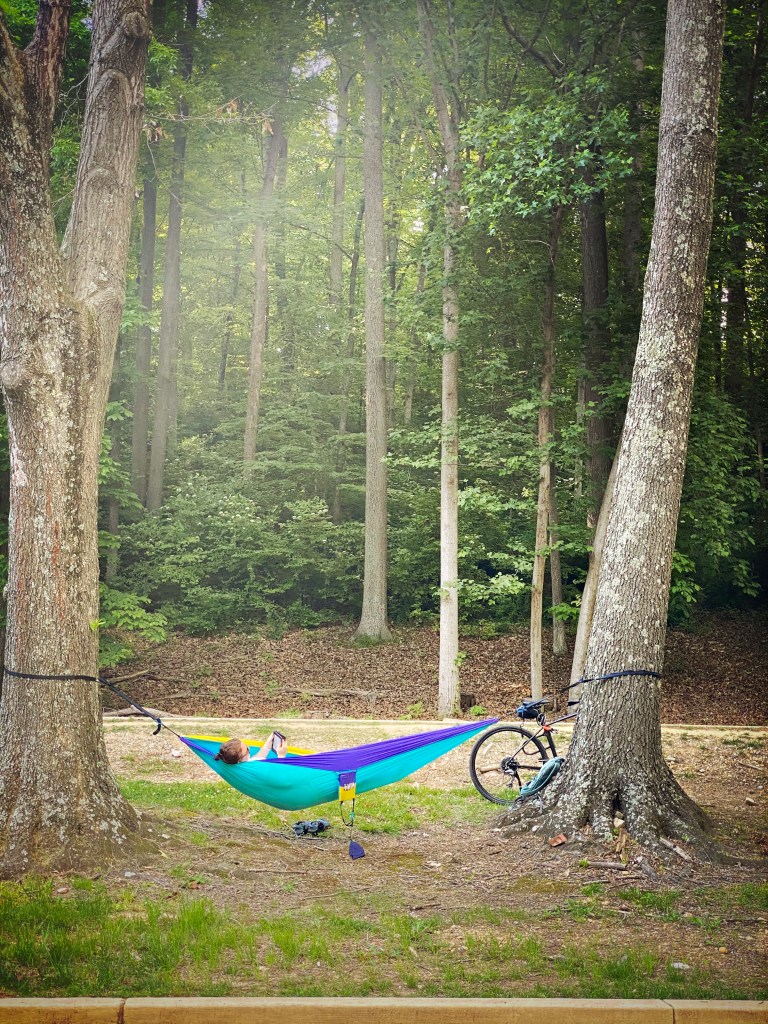
The park was definitely more lively than it has been of late but still very tranquil. It appears that people are tiring of staying at home. There was no evidence that just a few miles down 16th Street, chaos was at the same time erupting outside the White House. In the Park, it was all peace and serenity. There were many groups having picnics and one person who even brought their own hammock.
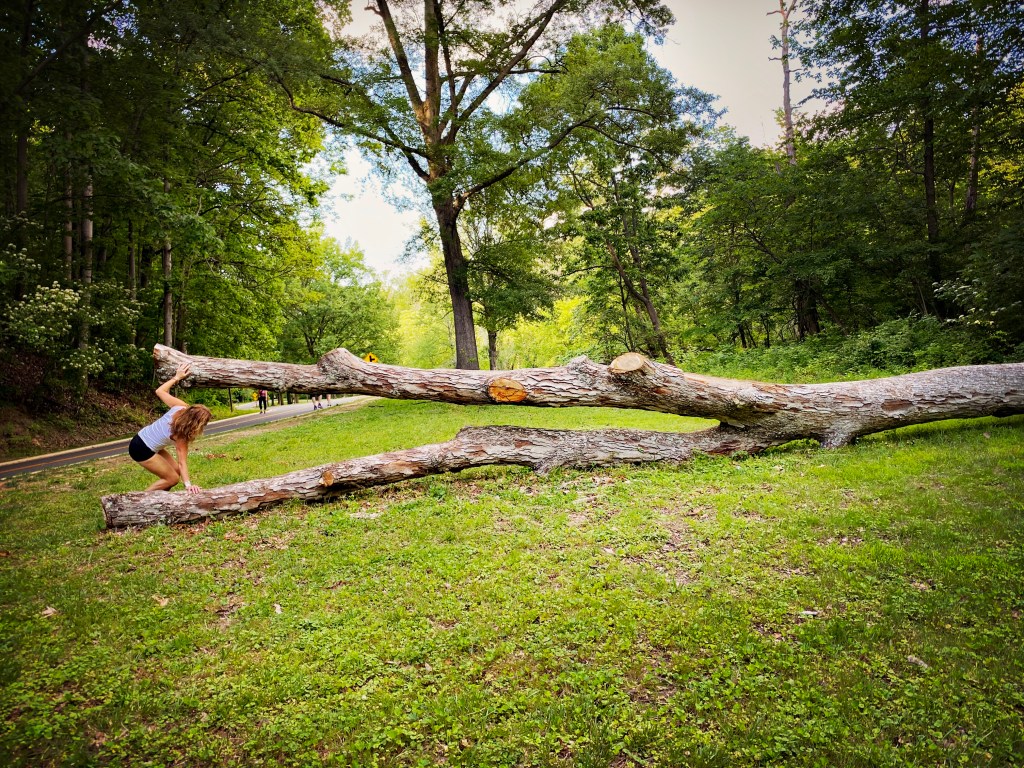
We came across this massive petrified crocodile.
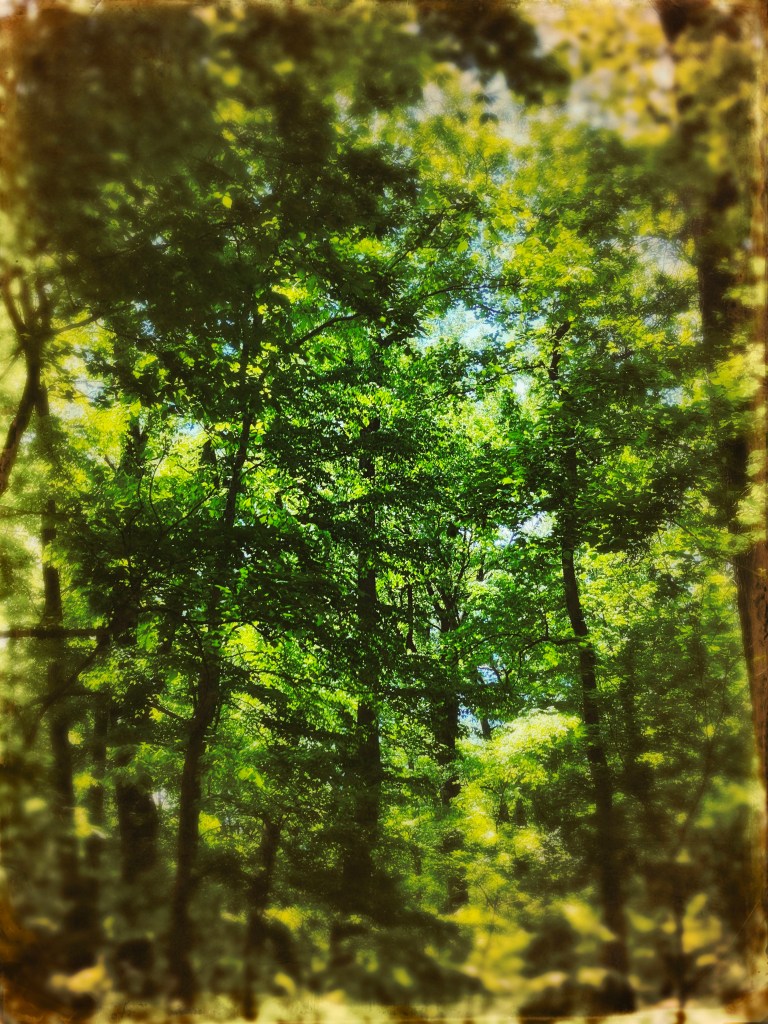
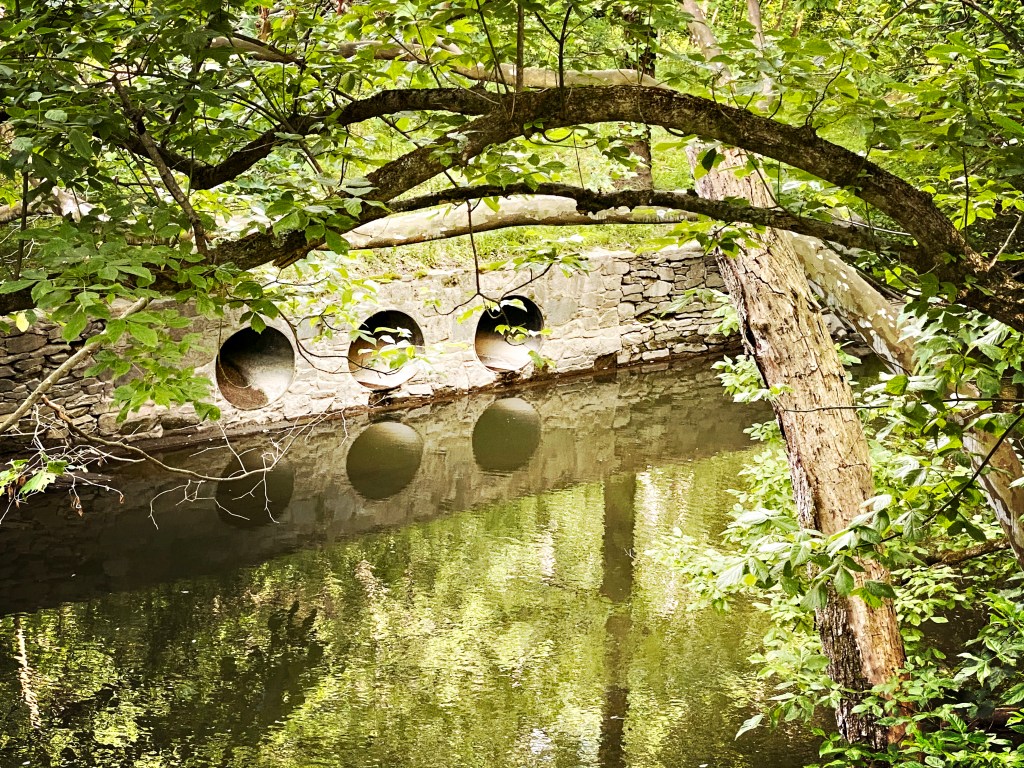
Rock Creek was picturesque, as always.
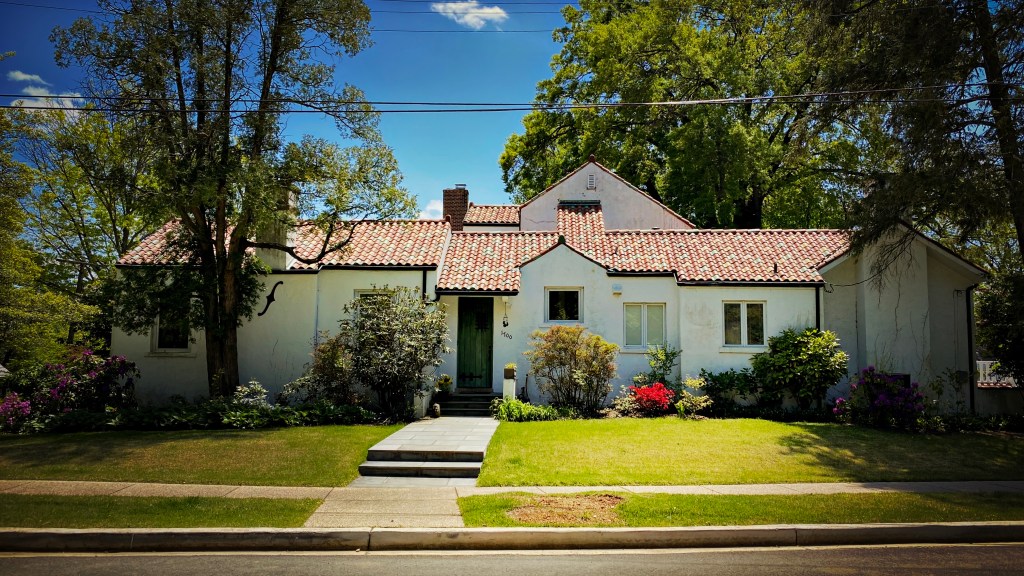
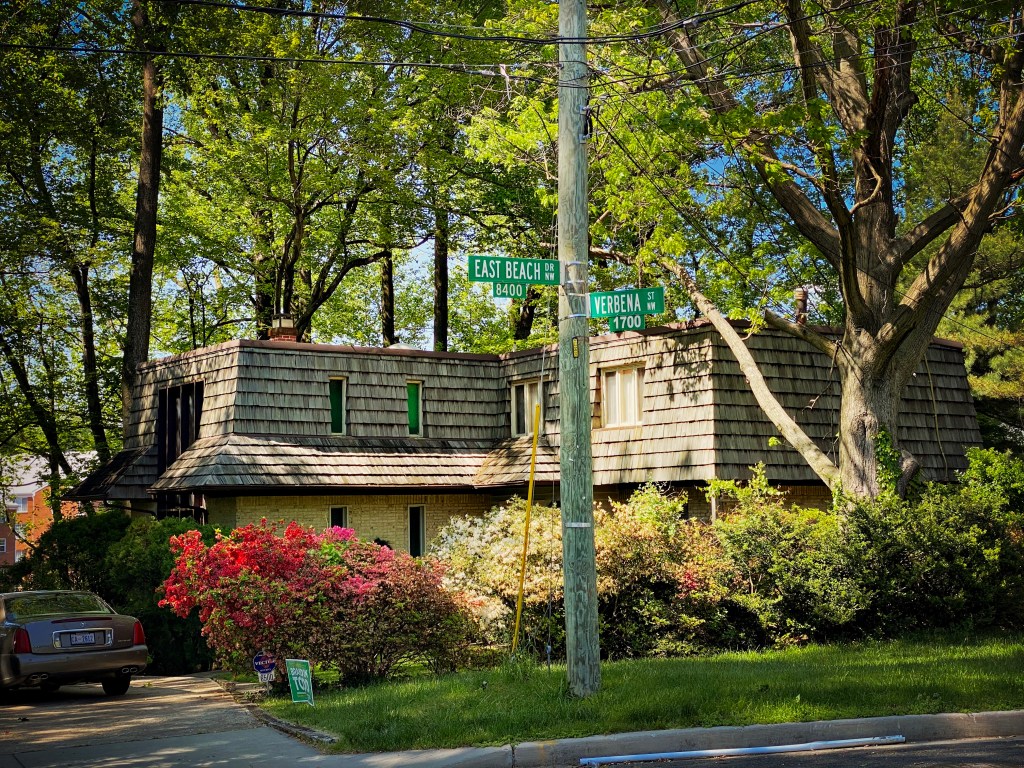
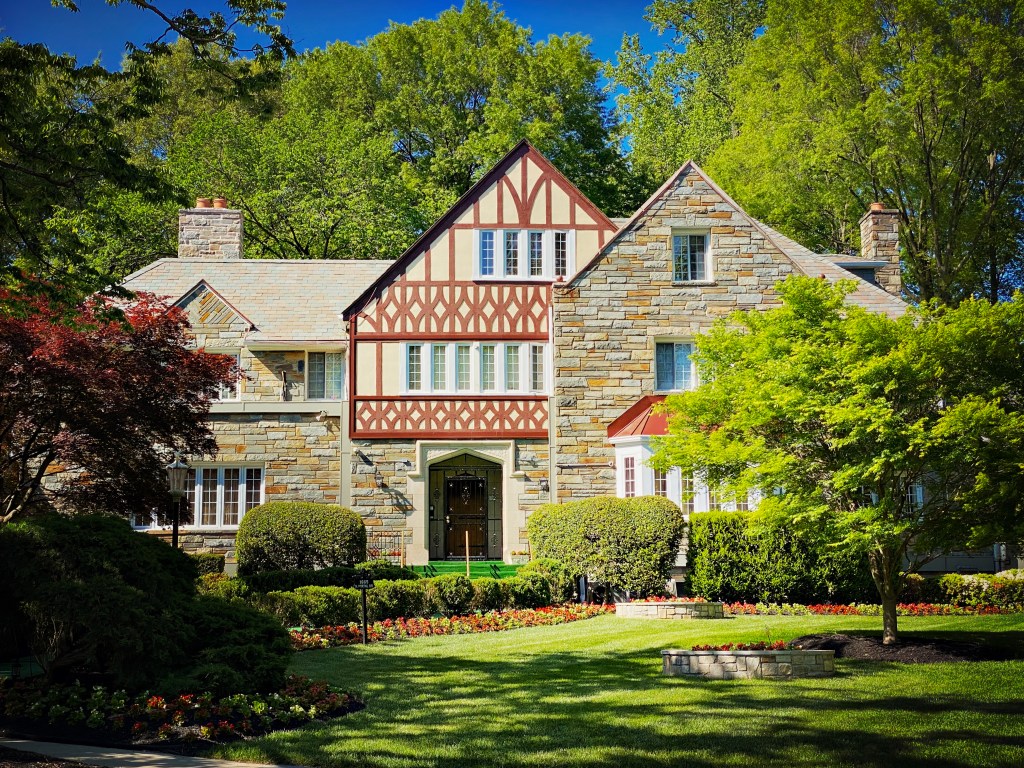
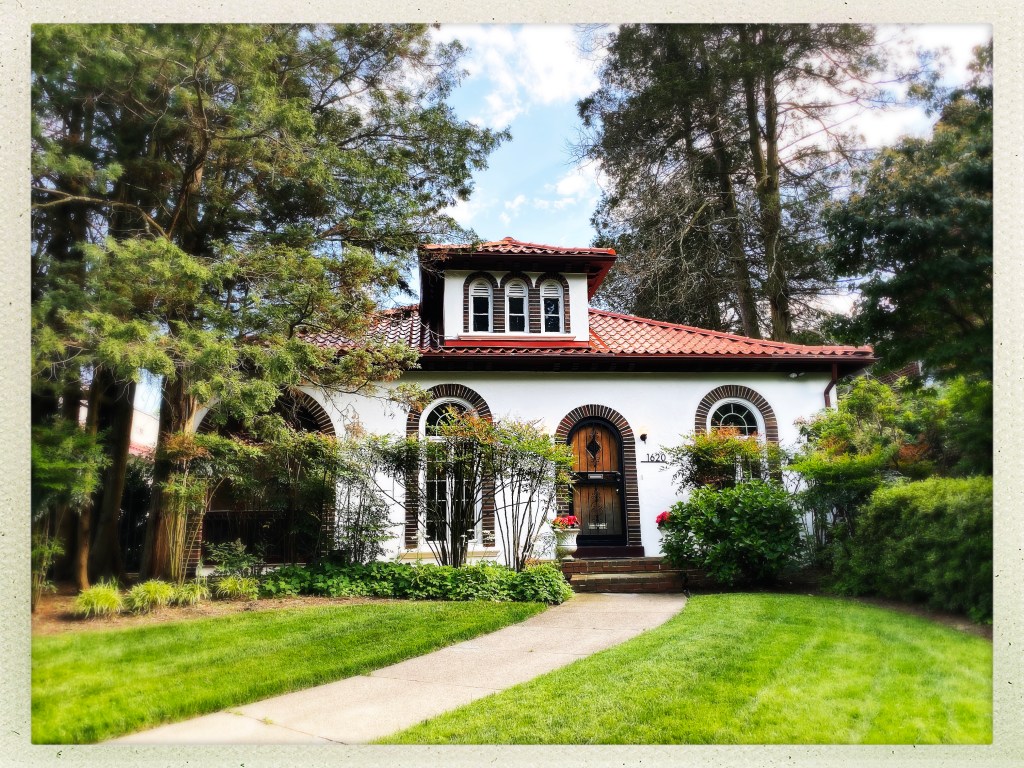
We liked these two Spanish style homes in the Brightwood neighborhood.
Some of the houses in Brightwood back onto Rock Creek Park Golf Course, an eighteen hole public course owned by the National Park Service.

The first nine holes of the course were opened in 1909 and it was expanded in 1926 to become a full eighteen hole course. The course has survived a number of plans to close it, the most recent being in the 1990s. However, a new master plan for Rock Creek Park that was adopted at that time included the course. So it appears that the course will be with us for the foreseeable future.

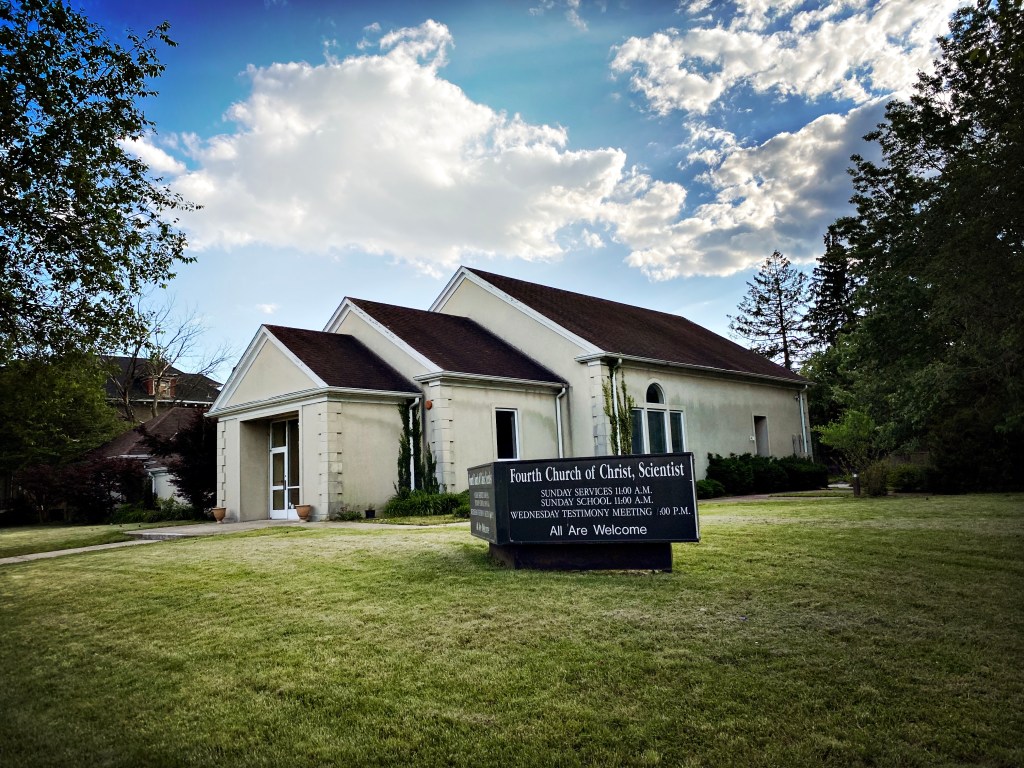
As we have previously mentioned, 16th Street is the home of various religious denominations. Here are two more that we passed: the Washington DC Center for the Baha’i Faith; and the Fourth Church of Christ, Scientist.

Finally, we stopped by the William H.G. Fitzgerald Tennis Center, where the major tennis tournaments are played in Washington DC. The stadium, which holds about 7,500 people, is currently home to the Citi Open. Fitzgerald was a Washington-based philanthropist who served at one stage as United States Ambassador to Ireland. The stadium was locked up but one enterprising tennis player was making good use of its front wall for some practice.

Day 77

Colonial Village / Rock Creek Park (May 15)

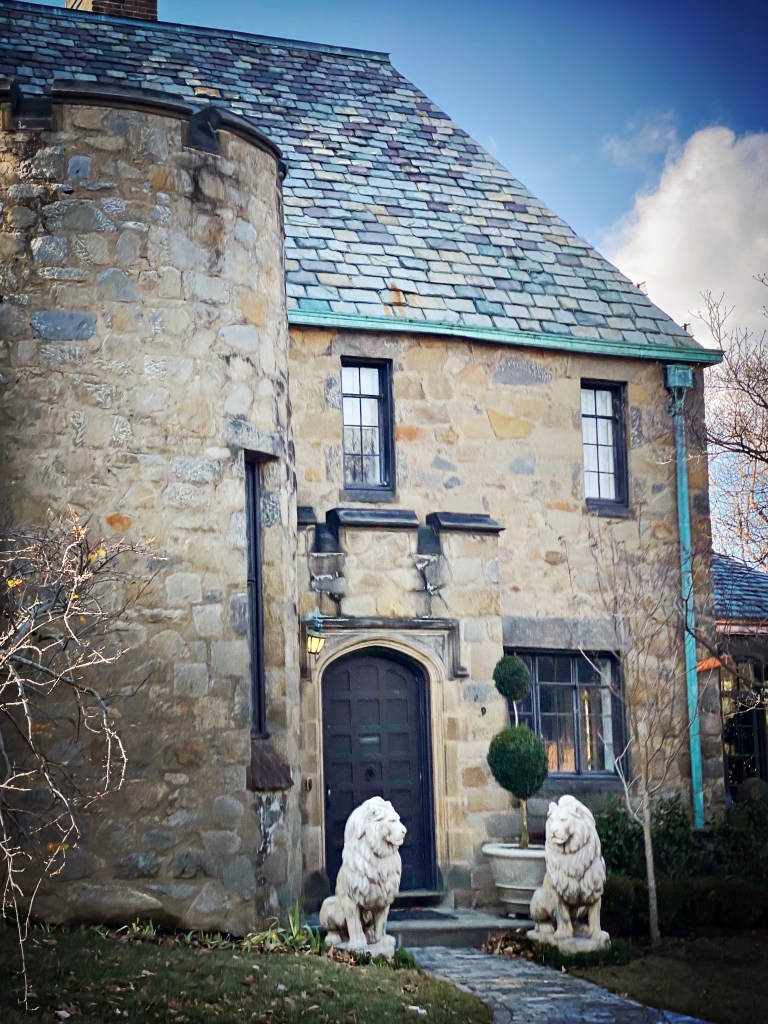
On the first truly hot day of the year, we finished up our exploration of Colonial Village with its Tudor and Gothic style homes on quiet tree lined streets.

We then walked down 16th Street for a few blocks. Lining the complete length of 16th Street are numerous places of worship of all faiths and creeds. We passed these two synagogues during our walk.

And the Washington Ethical Society.

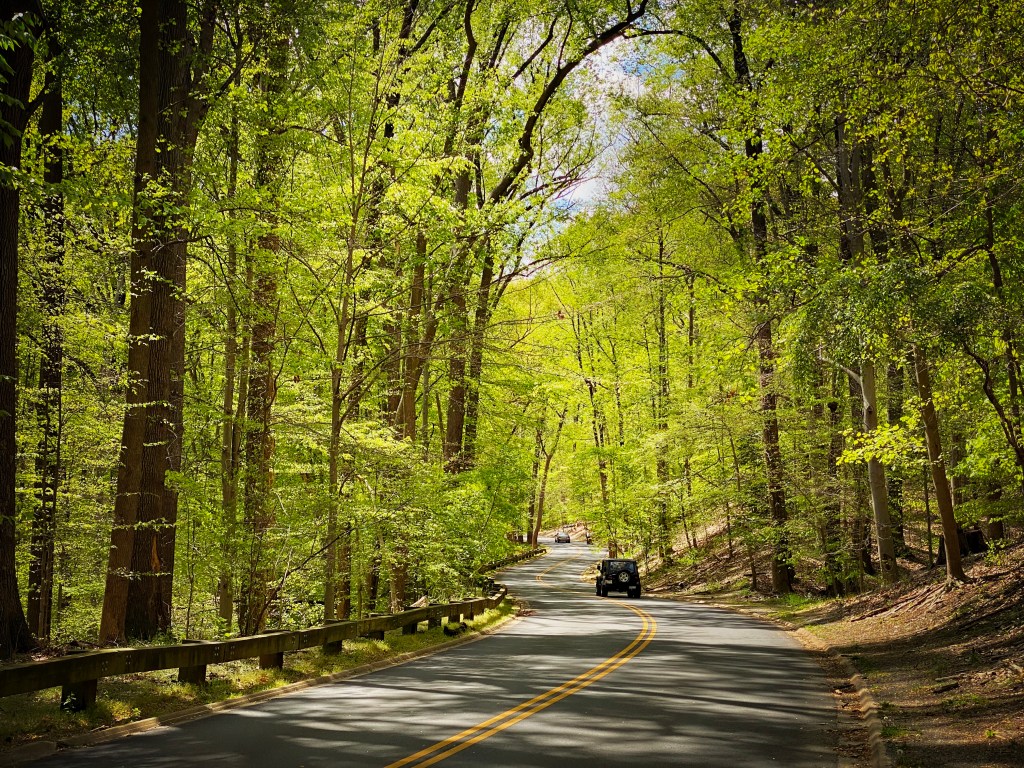
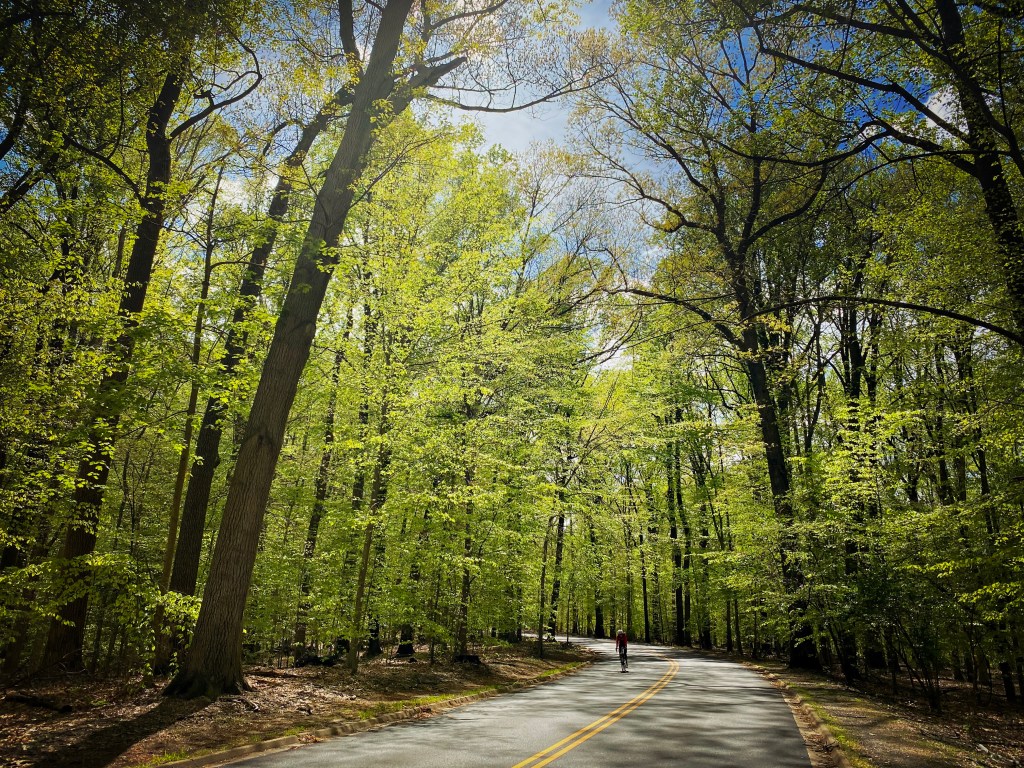
From 16th Street we turned down into Rock Creek Park and walked along Beach Drive which is closed to traffic during the current coronavirus crisis. As always, we were reminded what an amazing resource Rock Creek Park is for the residents of Washington DC.

Day 76

Colonial Village (May 13, 2020)

Back in Colonial Village, we passed Lowell School, where our two sons went to elementary school. Lowell is an independent, diverse, co-educational preschool through 8th grade school. It began as a nursery school in the basement of Cleveland Park Congregational Church on Lowell Street, NW, hence the name. The school moved to its current campus in Colonial Village in the 1999 just prior to our sons joining the school. The school campus operated as a two-year private junior college for women, known as Marjorie Webster Junior College, from 1928 until 1971. Subsequently, it operated as a satellite campus for Gallaudet University until it was acquired by Lowell.

Old Lowell
New Lowell

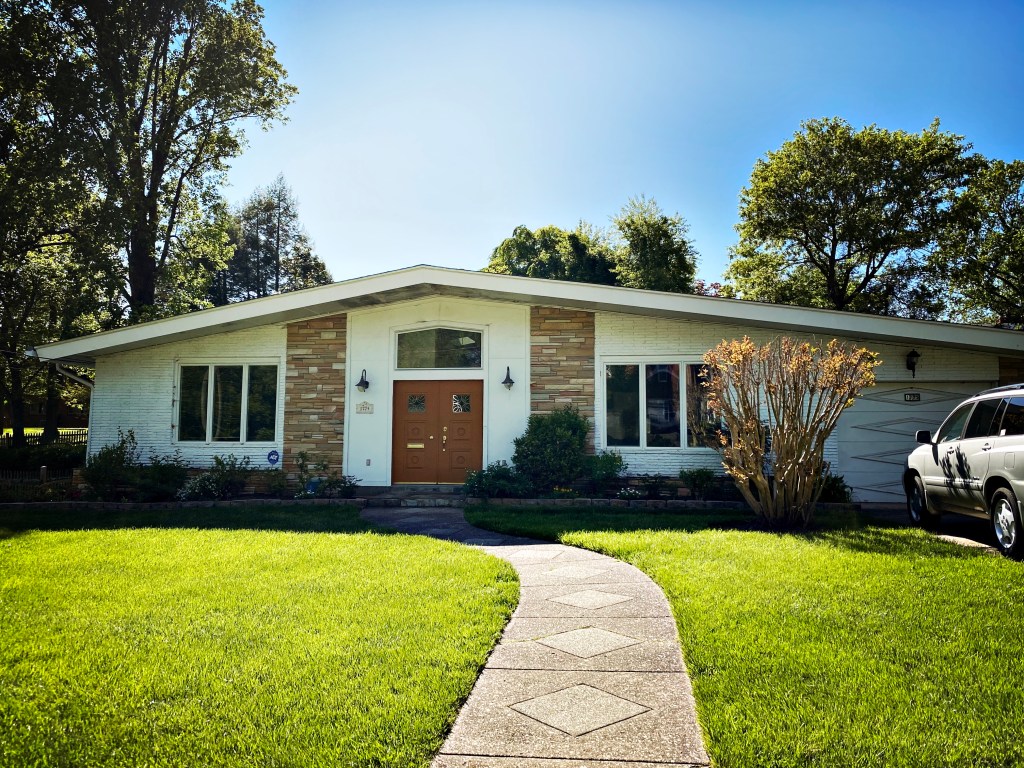
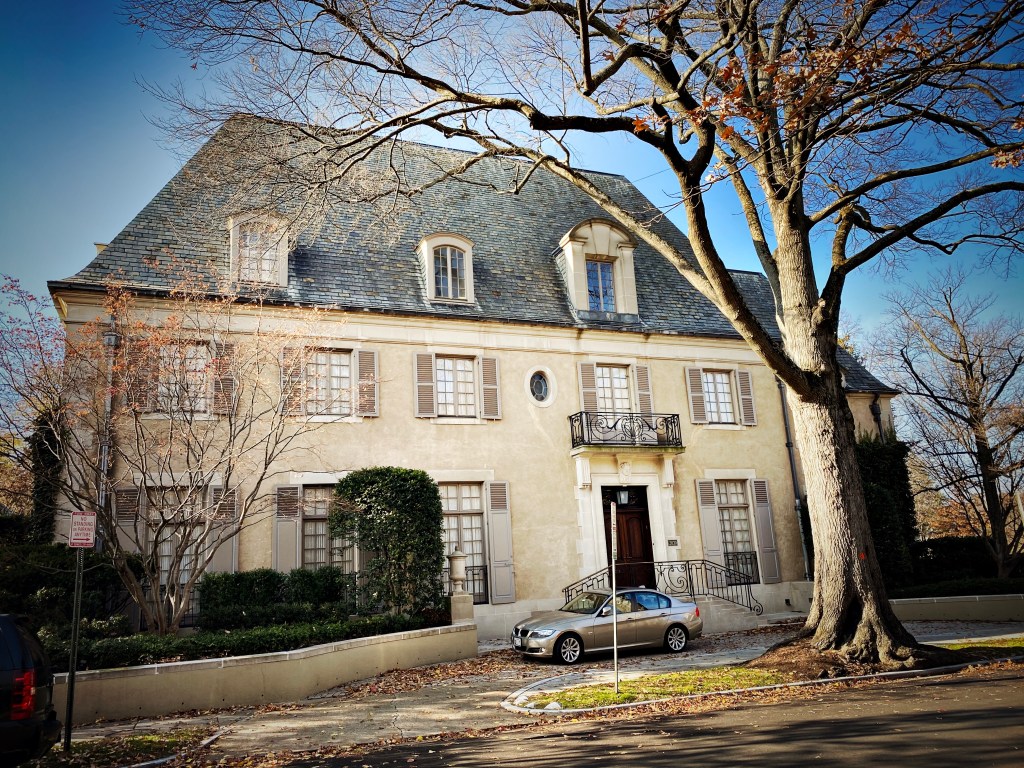
Walking the neighboring streets, we again enjoyed the diverse range of houses.

And particularly liked the well groomed tree in front of this house.

Day 75

North Portal Estates (May 7, 2020)

North Portal Estates is the northernmost neighborhood in Washington DC. The area given to the District of Columbia was originally 100 square miles, ceded by the states of Maryland and Virginia. The area was basically a square, tilted so that its points faced north, east, west and south. However, in 1846, the area west of the Potomac was returned to Virginia, leaving the 69 square miles of the District originally ceded by Maryland as its current area. North Portal Estates tucks inside the top corner of the District. By our calculation, the two houses pictured below sit on either side of the northern corner and are the two northernmost houses in Washington DC.

Here are a few other diverse styles of houses that caught our attention during the walk.

The owners of a couple of the houses had made bold color choices.

The following house was the first we had seen during our walks with the front door directly above the garage.

We also liked this rustic stone garage sitting at the back of one house’s back yard.

Probably the best known house in North Portal Estates is the Bishop’s House pictured below.

The house is the residence of Bishop C.M. (“Sweet Daddy”) Bailey, the leader of the United House of Prayer for All People, an evangelical Christian group. Every year, going back to the 1960s, members of the Church spend weeks decorating the house and yard with Christmas decorations. The resulting spectacular array of dazzling lights and decorations draws thousands of visitors each year.

Day 74

Colonial Village (May 1, 2020)

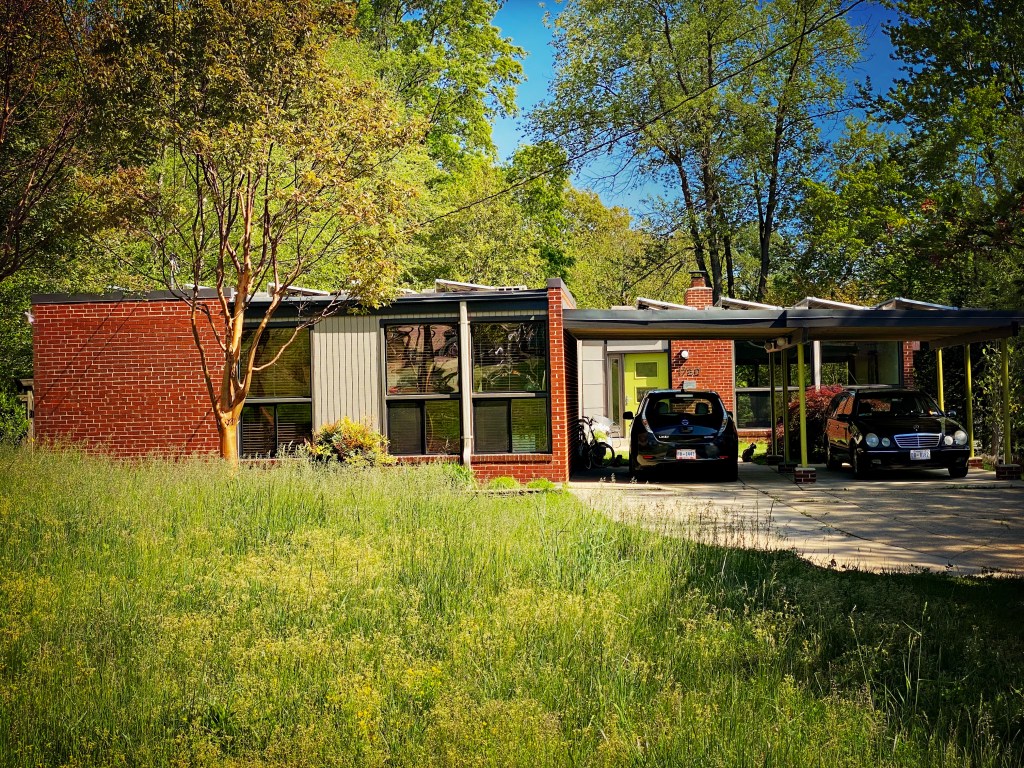
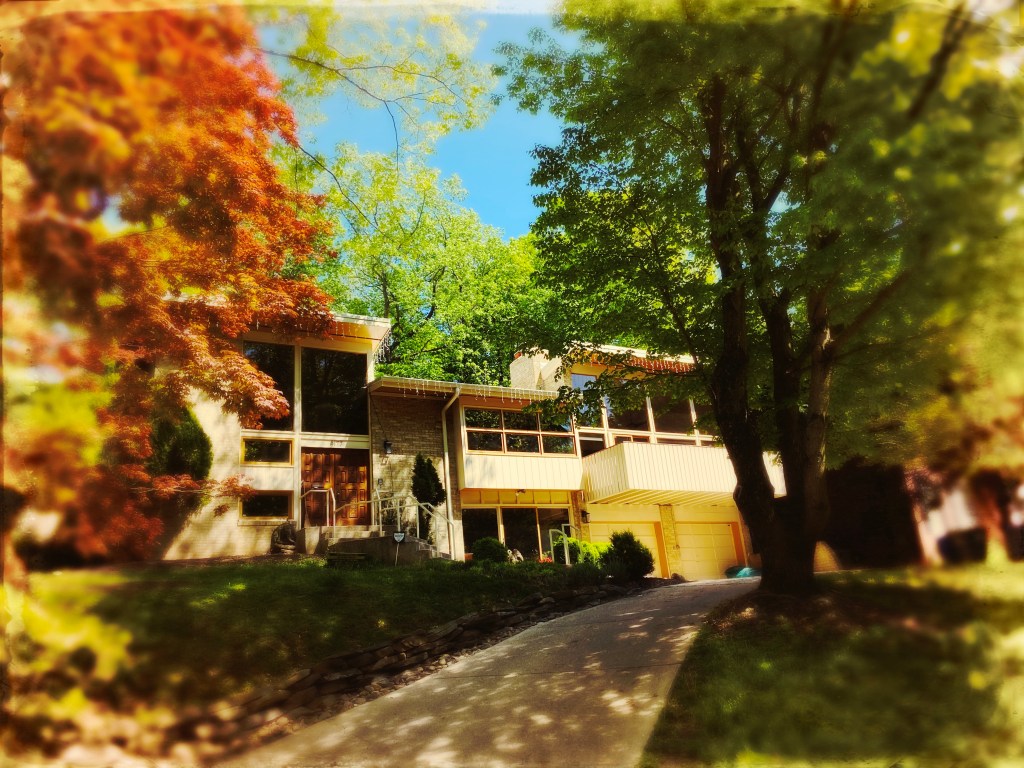
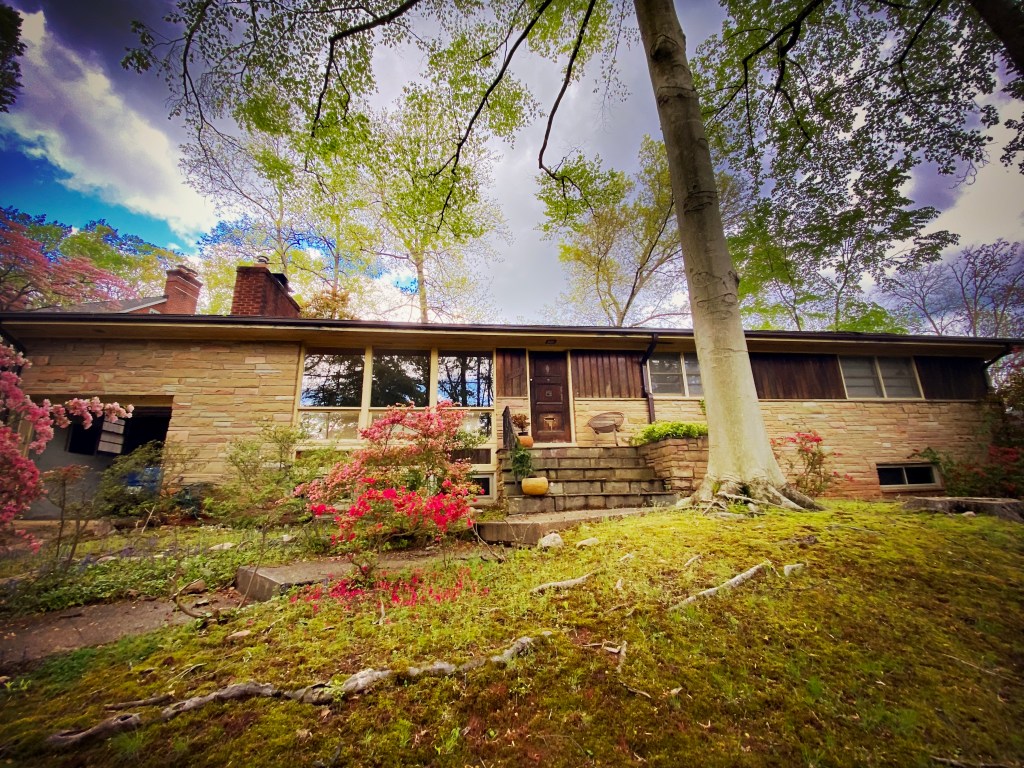
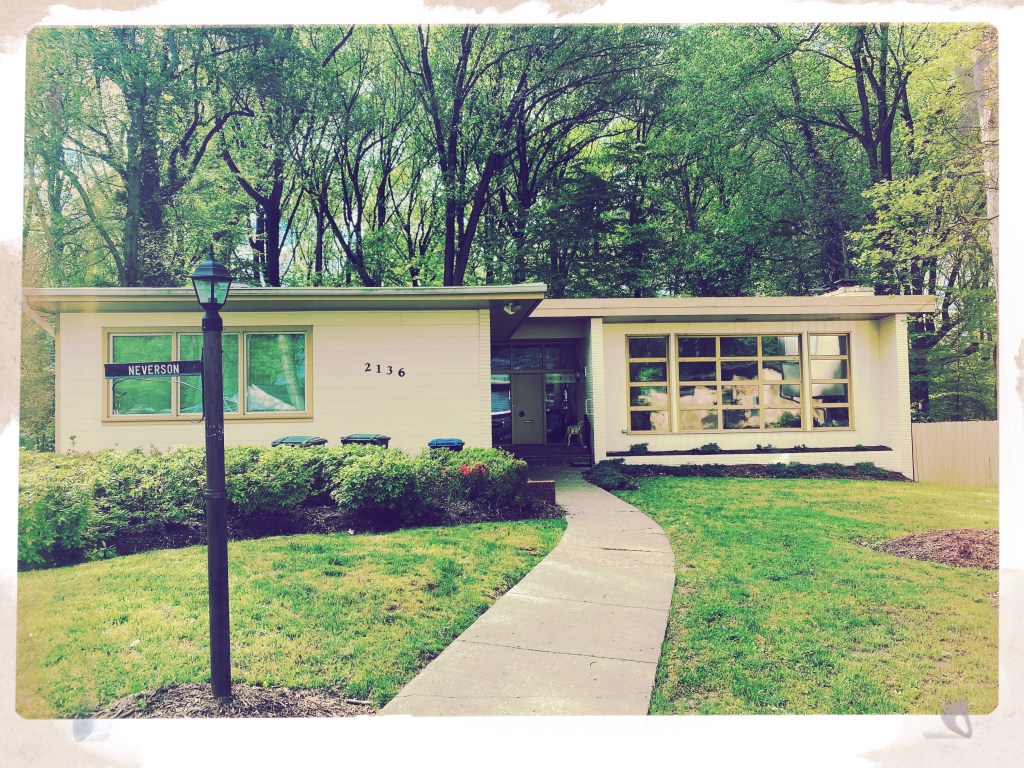
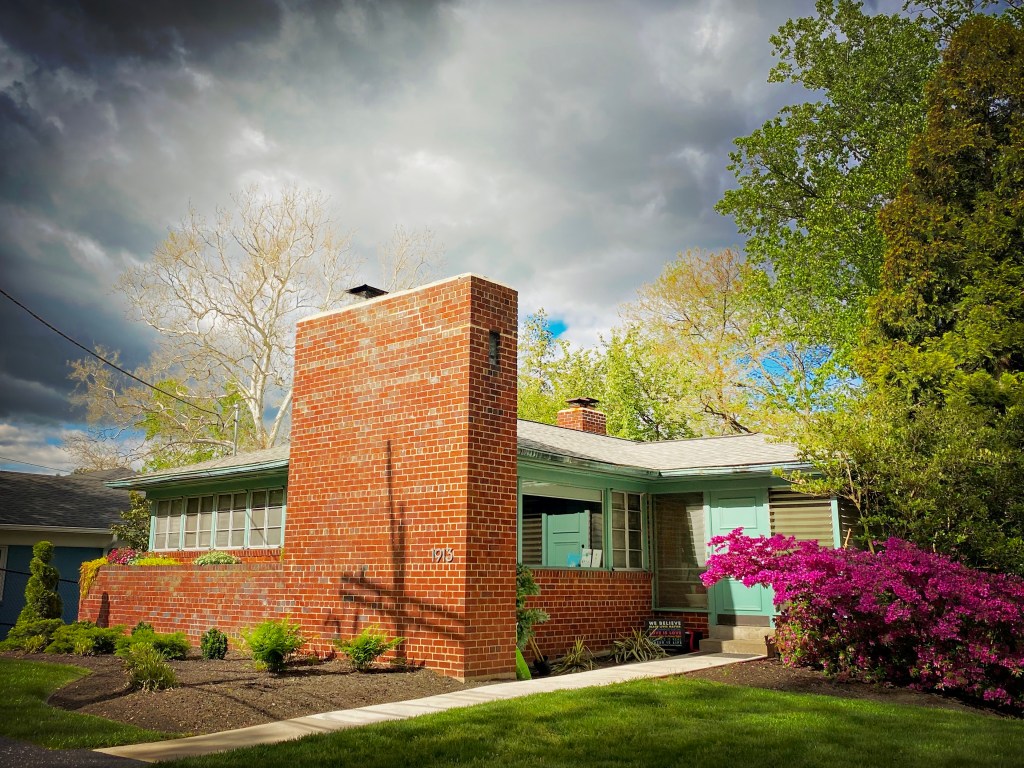
Today, we crossed Rock Creek Park and started exploring The District’s most northern neighborhood, Colonial Village. It is a quiet suburban neighborhood of single family homes. Scattered among the houses were a number of mid-century homes. As you’ve probably gathered by now, these are among our favorite styles.

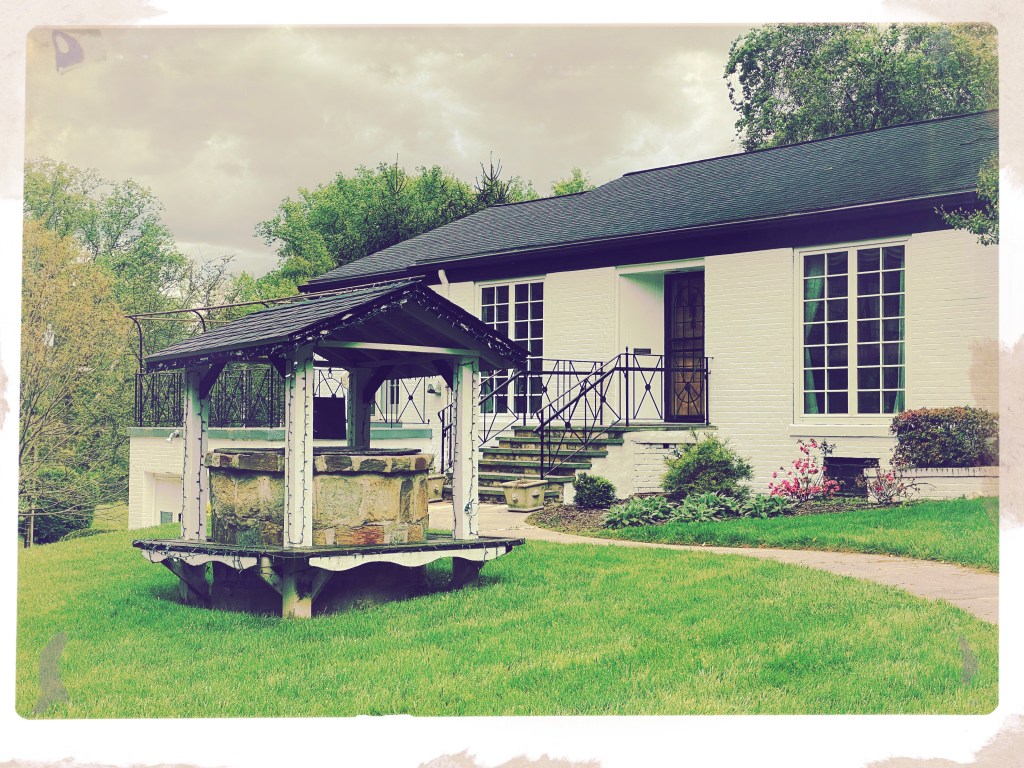
This is the first time during our walks that we have come across a home with its own well.

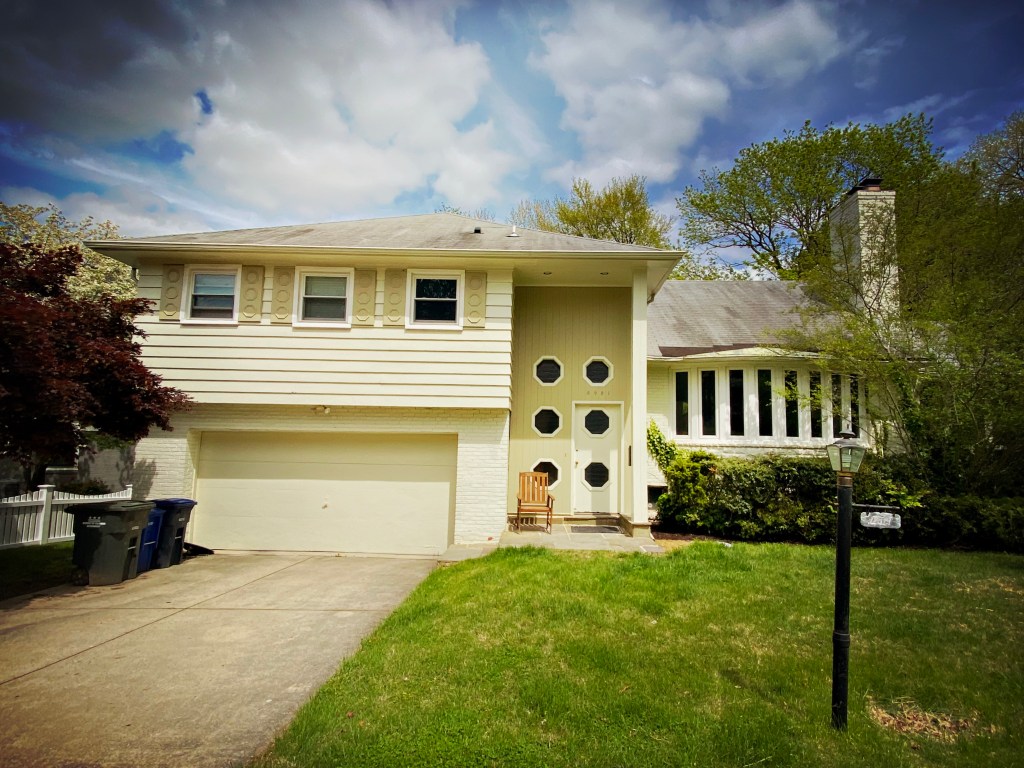
These following photos may look like before and after photos of the same house. Instead, they are two neighboring houses. The house on the left had retained its original look while its next door neighbor had been updated.

Day 73

Hawthorne (April 25, 2020)

After a month of walking close to home we decided to venture further a little further away today and visited the small neighborhood of Hawthorne, nestled in Upper Northwest DC. Hawthorne is a quiet suburb with a variety of houses, including:

Split Level
Colonial
and the occasional McMansion

However, it appeared to us that the neighborhood’s prime advantage was its close proximity to Rock Creek Park.

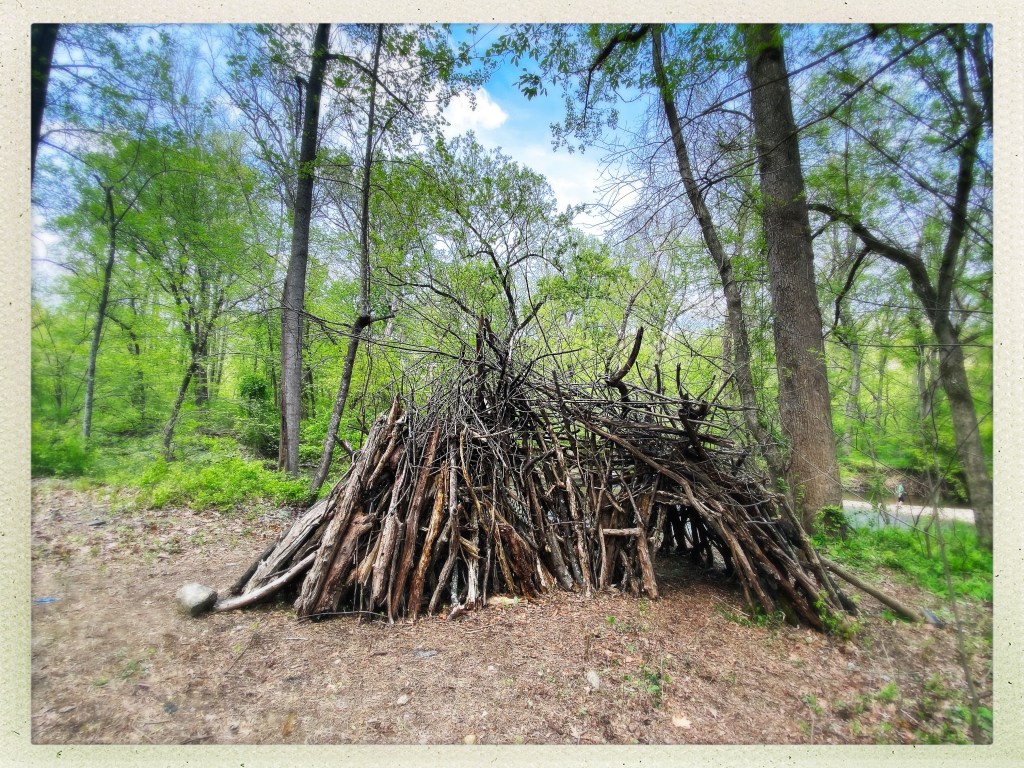
While walking through the Park we came across this cool sculpture / shelter sitting beside Rock Creek.

Day 72

Foggy Bottom (March 21, 2020)

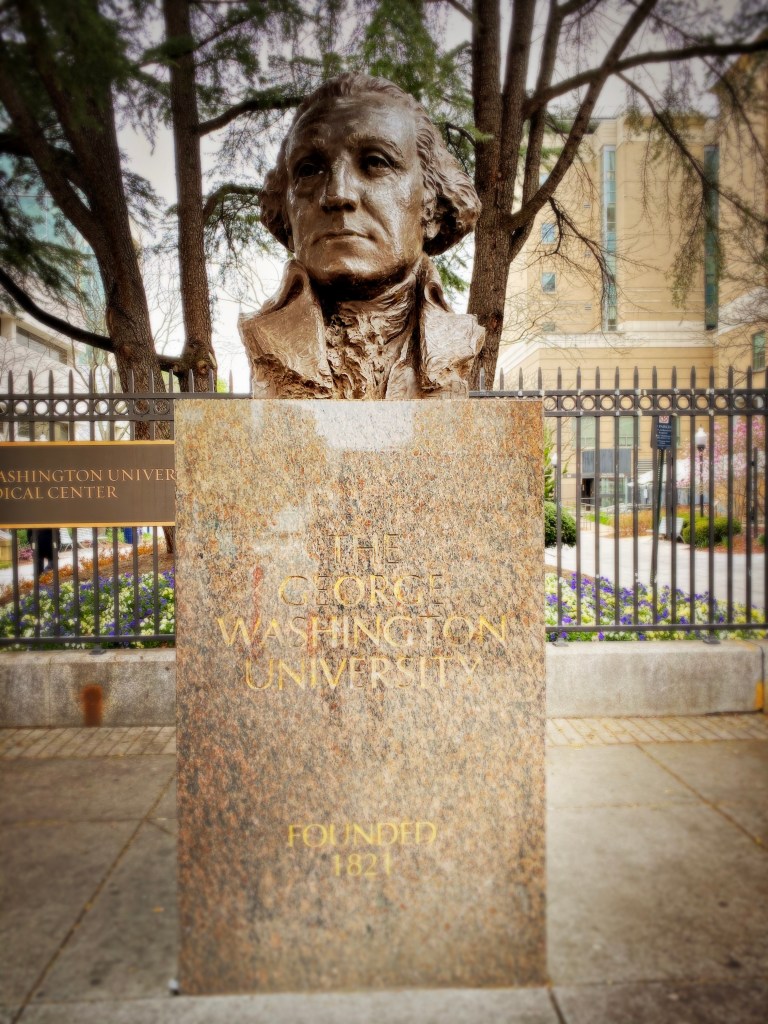
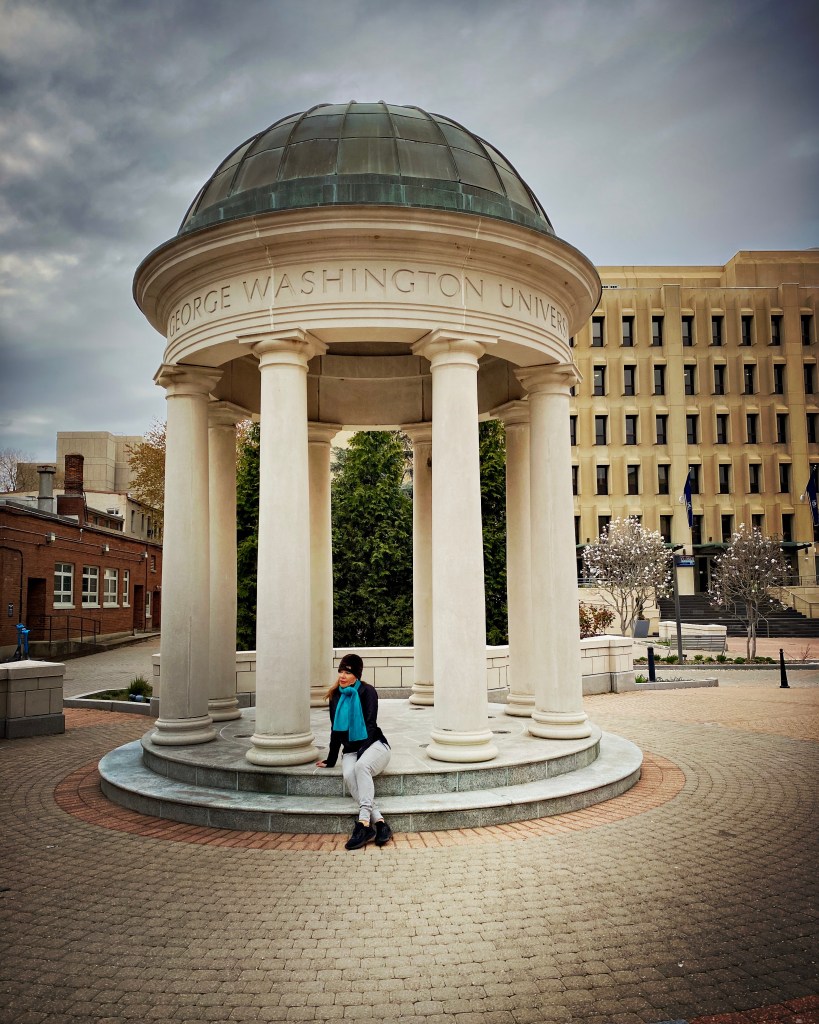
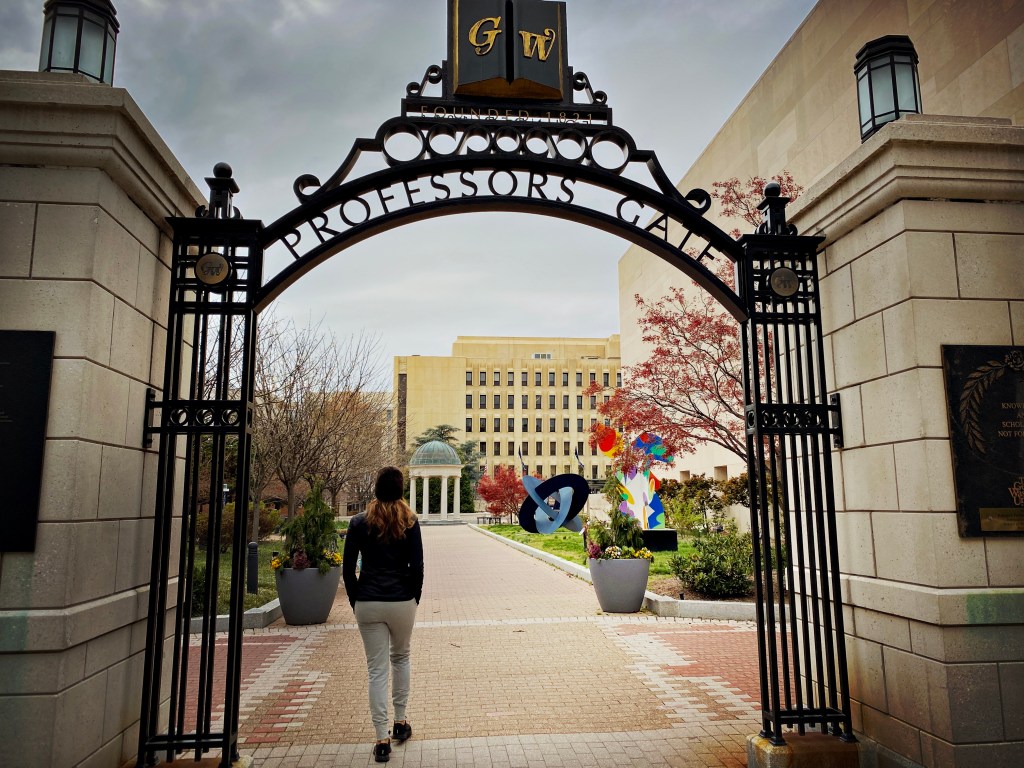
Much of Foggy Bottom is taken up by the campus of George Washington University (commonly known as GW). GW was founded by an Act of Congress on February 9, 1821. It, currently, has approximately 11,000 undergraduate and 15,500 graduate students.

Because of the coronavirus, the University was shut down and most of the students had left for their homes. Consequently, there was not the bustle that you normally find in the area.

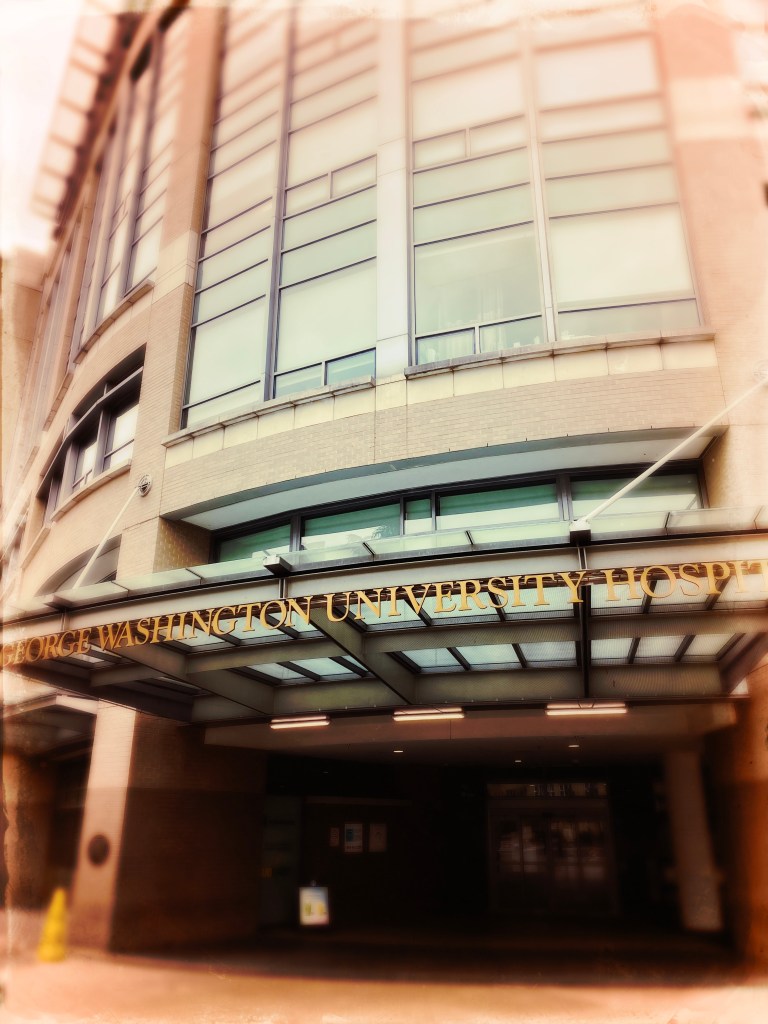
GW has an affiliated hospital, also situated in Foggy Bottom. The current hospital building opened in 2002 and has over 370 beds.

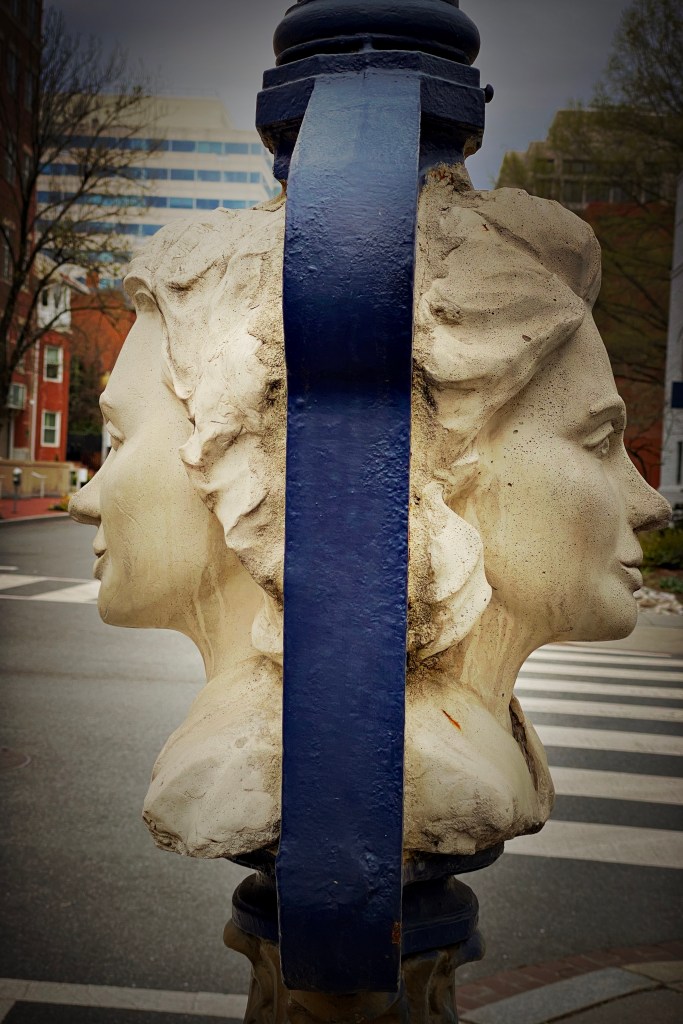
In previous posts, we have mentioned the cast-iron call boxes that have been turned into art installations. Here is another one.

Also situated in Foggy Bottom are the headquarters of the International Monetary Fund and the World Bank. The World Bank building is one of the few attractive buildings in the neighborhood.

The World Bank

However, the most iconic address in Foggy Bottom is the Watergate. The Watergate complex consists of six buildings covering a total of ten acres and include offices, apartments and a hotel. It was built between 1963 and 1971.

The Watergate

The Watergate is, of course, most famous for the scandal that takes its name and ultimately resulted in the resignation of President Nixon on August 9, 1974. In 1972, the headquarters of the Democratic National Committee were located in the Watergate Office Building. The offices were burglarized, campaign documents were photographed and telephones were wiretapped. The burglars were arrested during a follow-up burglary to improve the wiretapping capabilities. The ensuing investigation revealed that high officials in Nixon’s Administration had ordered the break-in and then tried to cover up their involvement. In the photo above, the small building at the right was at the time a Howard Johnson’s motel. The burglars used Room 419 for a stakeout during the break-in. The building is no longer a motel. It was recently renovated and now contains upmarket residences.

Less famous than the Watergate, but no less important to us, is the building in the following photo. It used to be the Columbia Hospital for Women where both of our sons were born. The hospital closed in 2002 and was converted into condominiums.

The Columbia Residence (Formerly Columbia Hospital for Women)

Day 71

Downtown / Foggy Bottom (March 17, 2020)

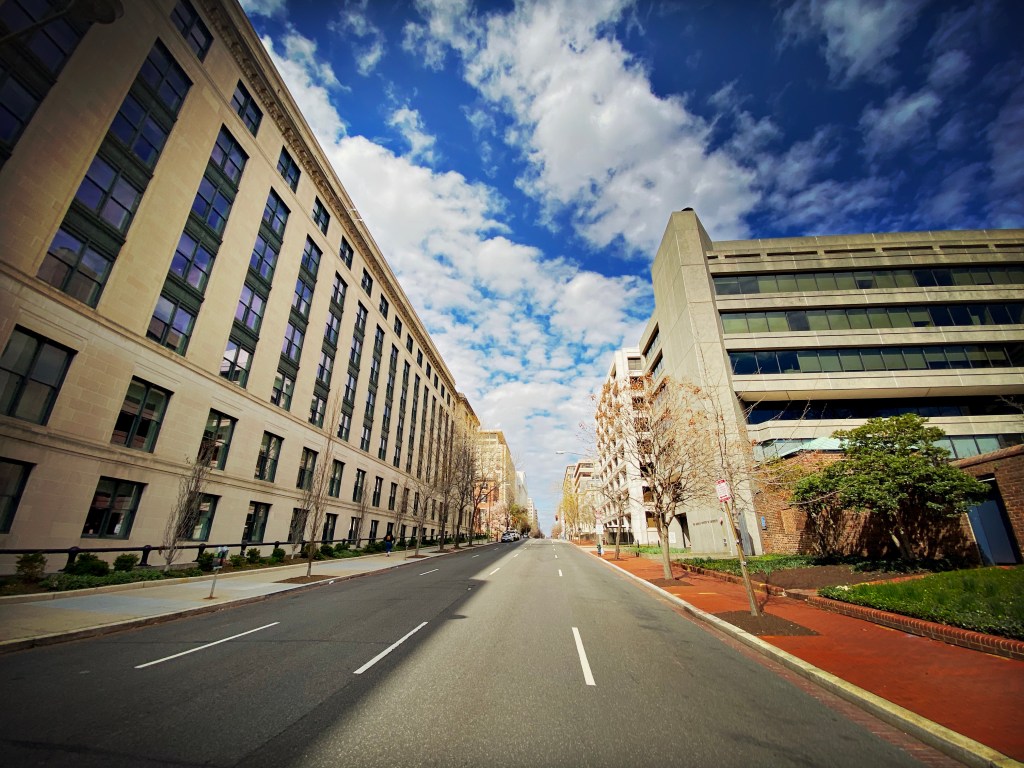
Having run an errand downtown, we decided to walk the streets around Farragut Square and Foggy Bottom. It was quite bizarre to be walking on streets that would normally be crowded on a Tuesday afternoon and find them mostly empty. Social distancing was definitely not a problem.

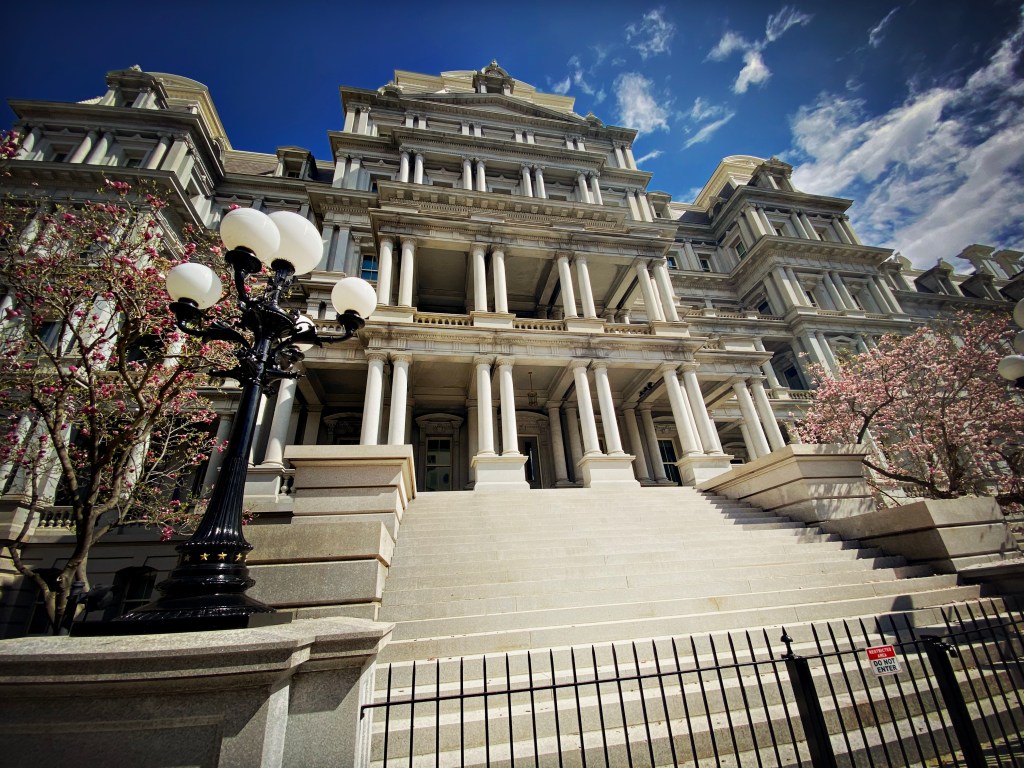
We passed the Eisenhower Executive Office Building, also known as the Old Executive Office Building. The building, which stands next to the White House, was built between 1871 and 1888 in French Second Empire style. It is currently occupied by the Executive Office of the President, including the Office of the Vice President of the United States.

Further down 17th Street we passed the headquarters of the American Red Cross. Built between 1915 and 1917, the headquarters also serve as a memorial to women who served in the American Civil War.

Next, we passed the headquarters of the Daughters of the American Revolution (DAR), an organization for women who are directly descended from persons involved in the United States’ efforts toward independence. The organization, with over 185,000 members, promotes historic preservation, education, and patriotism. The building was being guarded by a lone dog.

The headquarters include DAR Constitution Hall. Built in 1929, it seats over 3000 people and is used for concerts, conferences, and other meetings. However, it is most famous (or should that be infamous) for a concert that did not take place. In 1932 the DAR had adopted a rule excluding African American musicians from performing in Constitution Hall. Consequently, it had refused to allow Marian Anderson, an African American opera singer, to perform. First Lady, Eleanor Roosevelt, resigned her membership of DAR in protest and famously arranged for Anderson to perform instead on the steps of the Lincoln Memorial on Easter Sunday, April 9, 1939. The DAR later apologized to Anderson and she subsequently performed at Constitution Hall on a number of occasions. However, it was not until 1977 that DAR welcomed its first African American member.

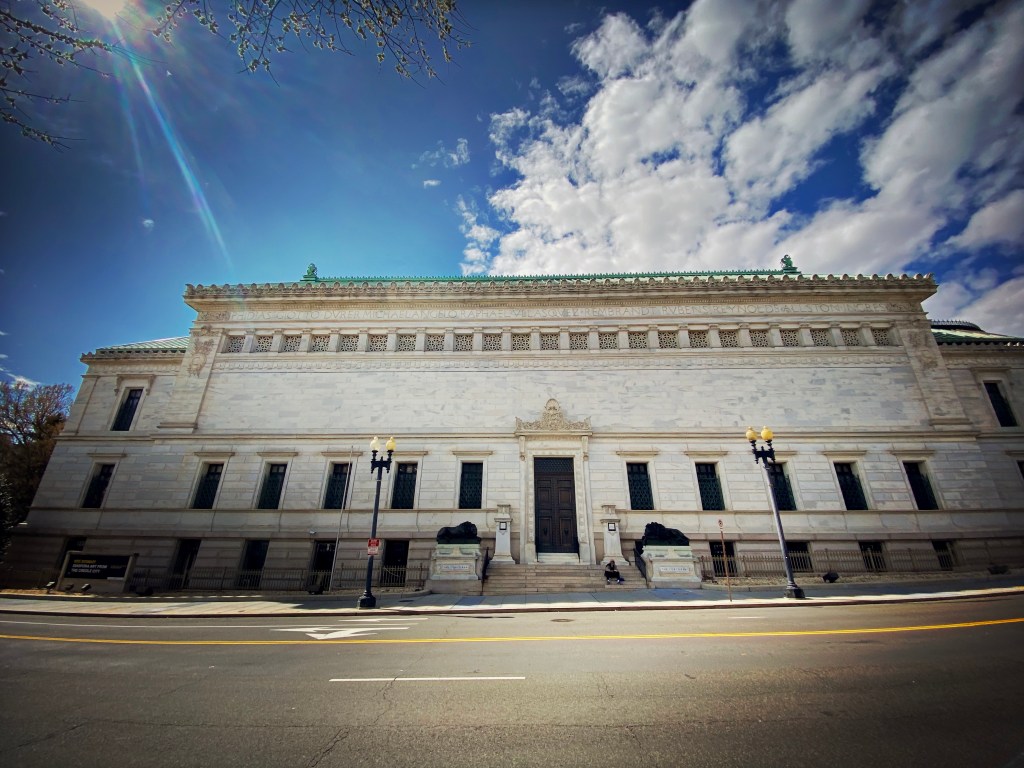
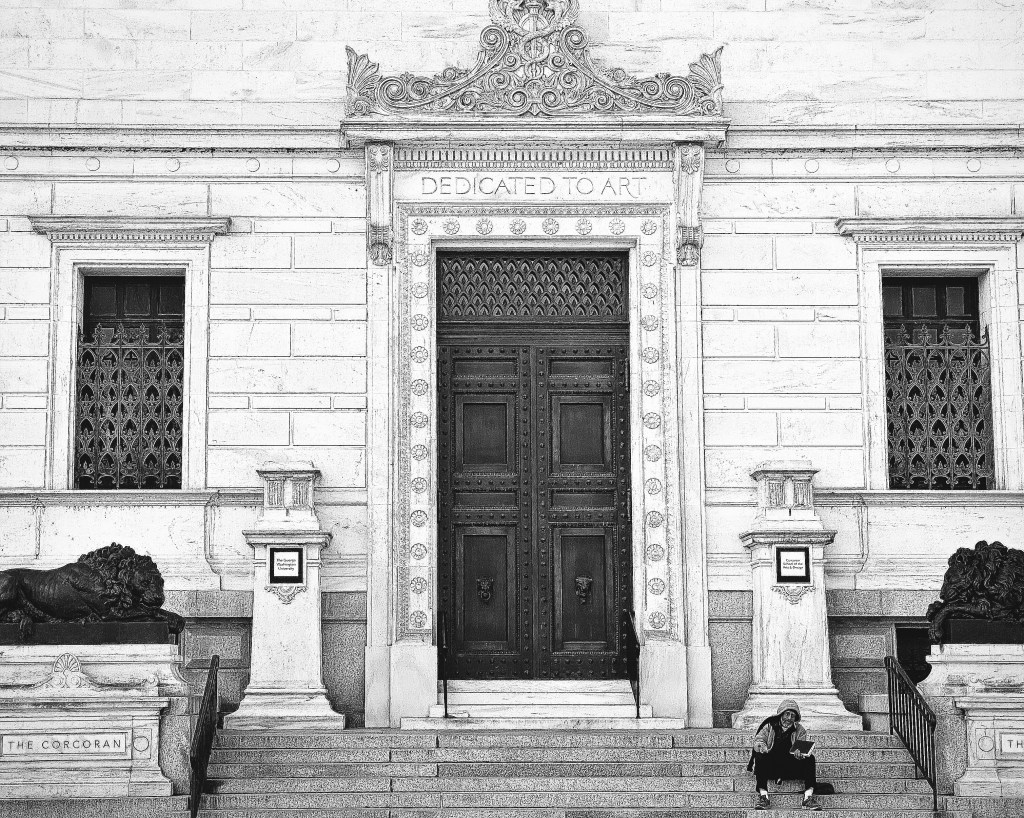
We also passed another building with a somewhat sad history. The Corcoran Gallery, established by William Wilson Corcoran, a cofounder of Riggs Bank, was one of the first fine art galleries in the United States. Unfortunately, after decades of financial problems and mismanagement, the Corcoran was dissolved by court order in 2014. Most of its extensive art collection was donated to the National Gallery of Art. The associated Corcoran School of Art and Design was given to George Washington University along with the Gallery building itself, a Beaux-Arts style building, constructed in the late 1800s.

Next we passed the headquarters of the Organization of American States, an international diplomatic body that promotes peace and commerce between North and South American nations. The building, made possible by a donation from Andrew Carnegie, was opened in 1910.

Sitting behind the OAS headquarters is a statue of Simon Bolivar, the Venezuelan military and political leader who, in the early 1800s, led what are currently the states of Venezuela, Bolivia, Colombia, Ecuador, Peru, and Panama to independence from the Spanish Empire. The statue depicts Bolivar on horseback which is apt because it has been estimated that during his various military campaigns, he rode over 123,000 kilometers on horseback.

Walking up 18th street we passed the extensive headquarters of the US Department of the Interior. The building, completed in 1936, was built as part of the New Deal under the Roosevelt administration.

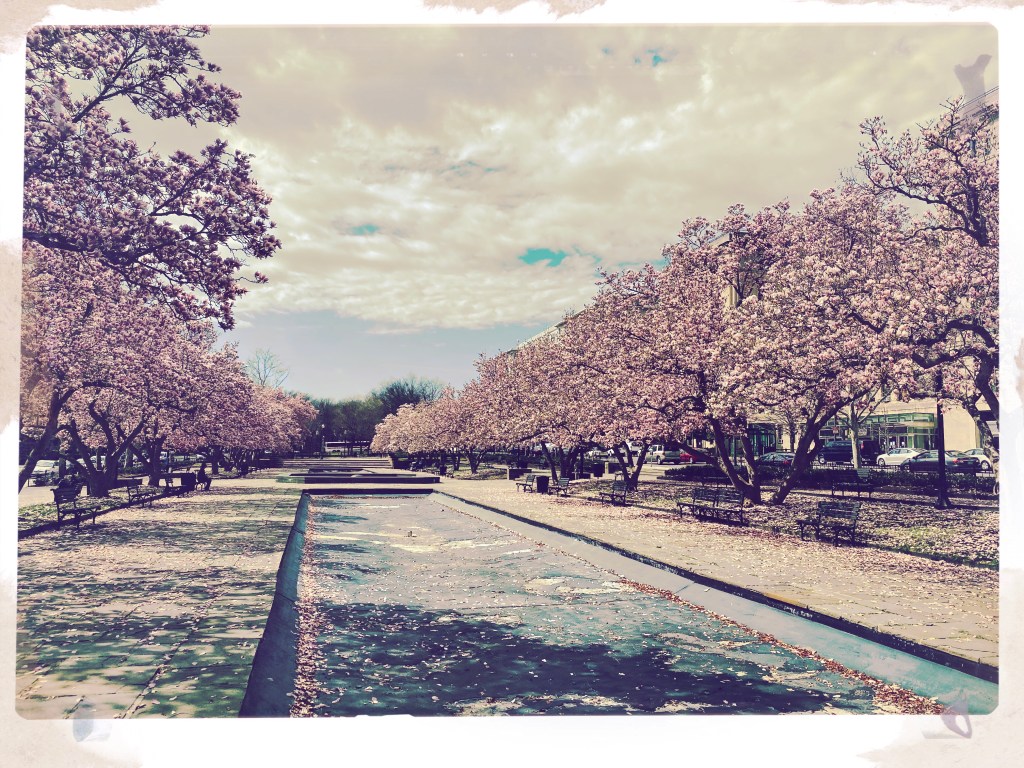
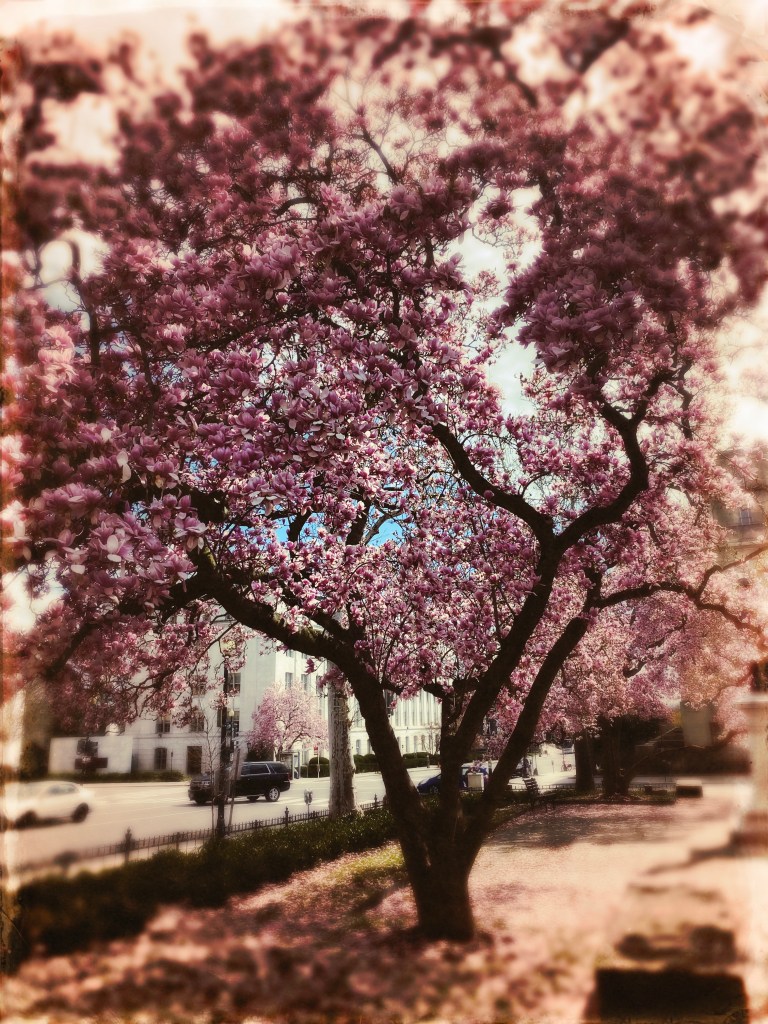
Just north of the Interior Building is Rawlins Park, named after John A. Rawlins, a Union General during the Civil War and a cabinet officer in the Grant administration. The trees in the park were in blossom, making it particularly inviting on this early Spring day.

Day 70

Georgetown (March 13, 2020)

After a long hiatus, we returned to the streets of DC. We spent the day finishing up our tour of Georgetown. We started down on K / Water Street which runs along next to the Potomac and directly below the Whitehurst freeway.

The Whitehurst (U.S. Route 29) opened in 1949 and ever since people have been trying to have it pulled down, arguing that it is an eyesore that separates Georgetown from the river. The highway is named for Herbert C. Whitehouse, a director of the DC highway department who died while the highway was being constructed.

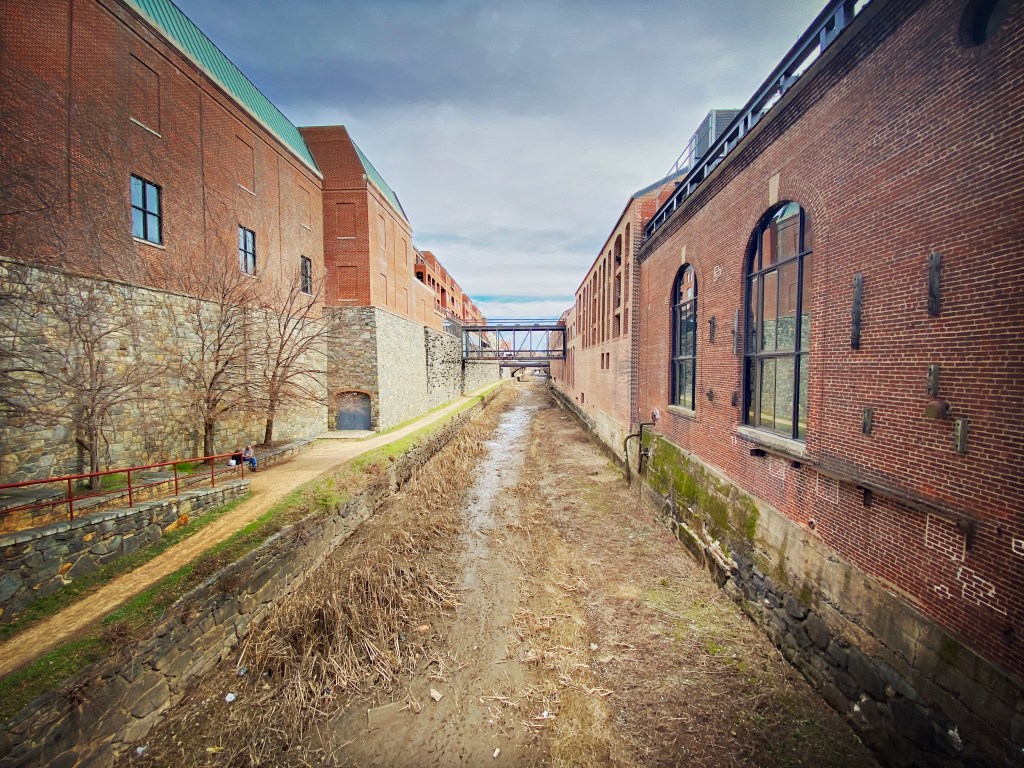
Running parallel to the Whitehurst and the Potomac is the C&O Canal which ends in Georgetown. The canal is currently undertaking an extensive renovation, so it is not at its best.

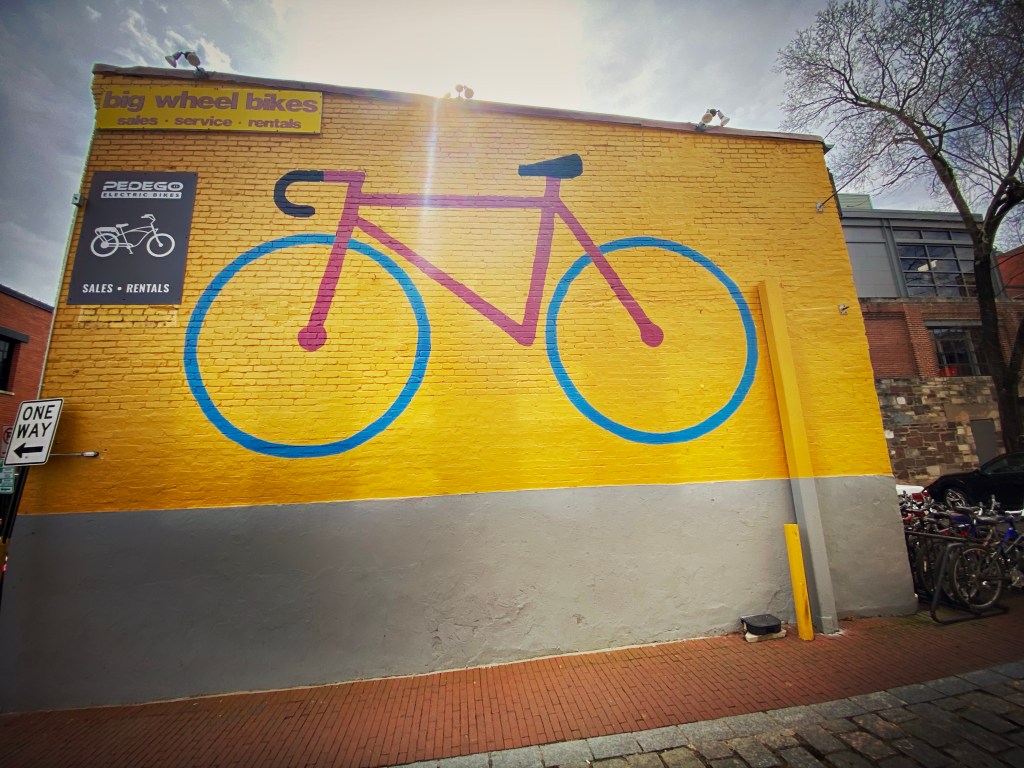
We passed a number of murals during our walk.

Day 69

Kalorama (December 15, 2019)

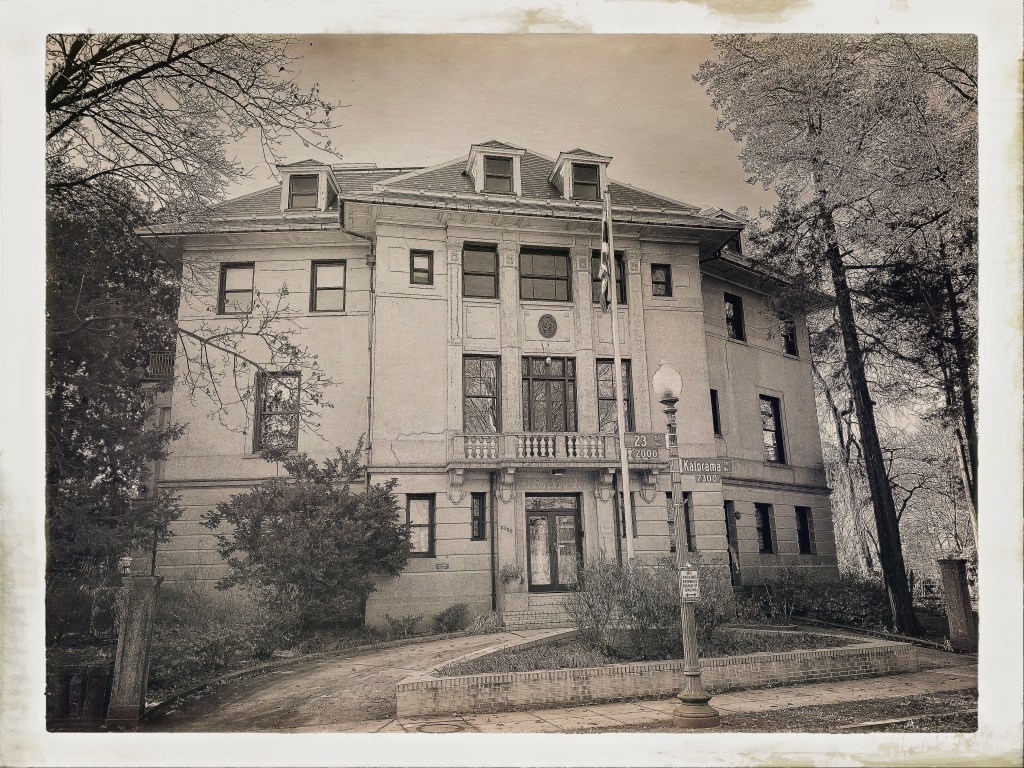
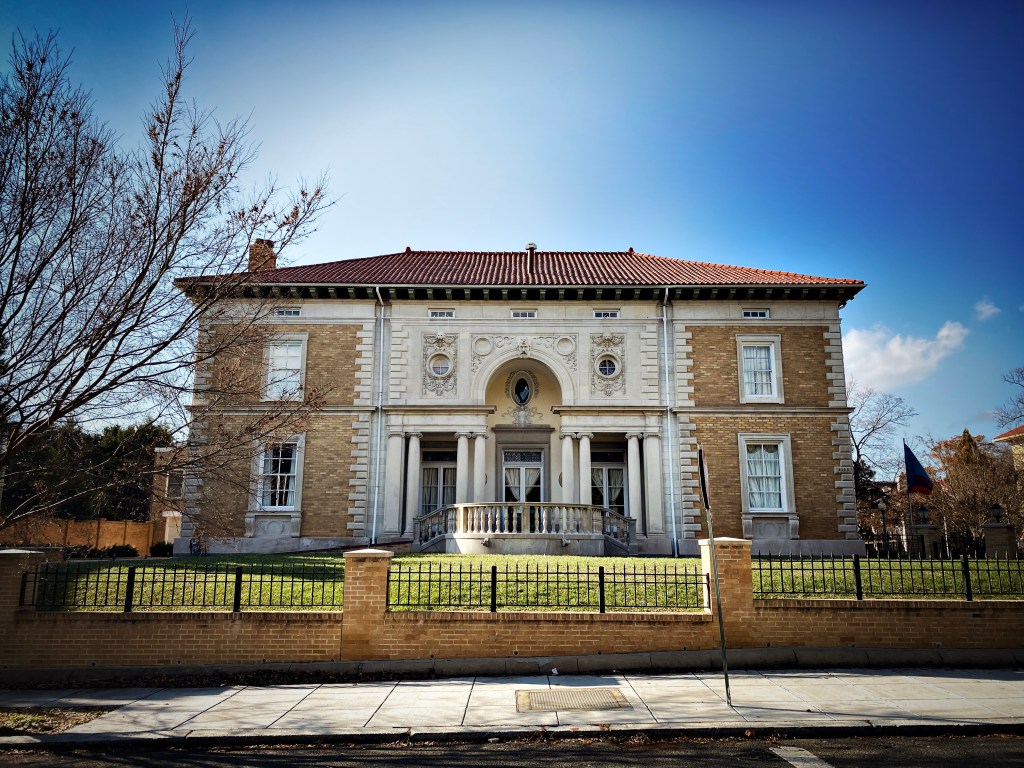
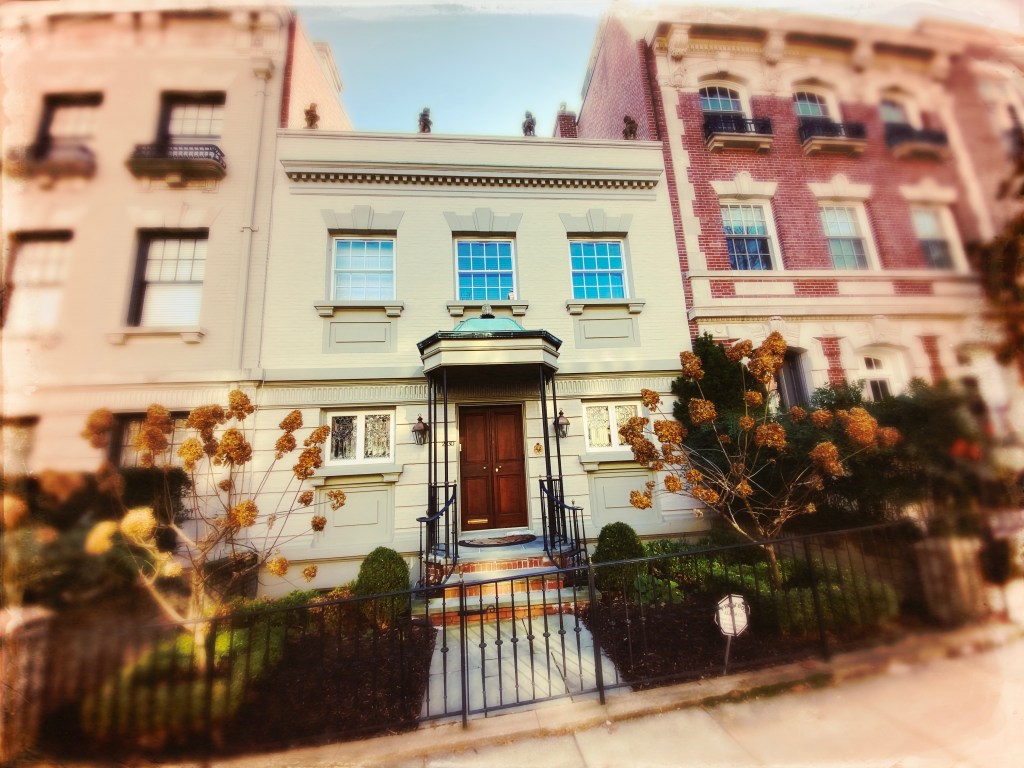
Back among the stately homes and embassy residences of Kalorama on a pleasant mid-December day. Kalorama, Greek for ‘fine view’, got its name from poet, diplomat, and political philosopher, Joel Barlow, who owned the property where the neighborhood now stands.

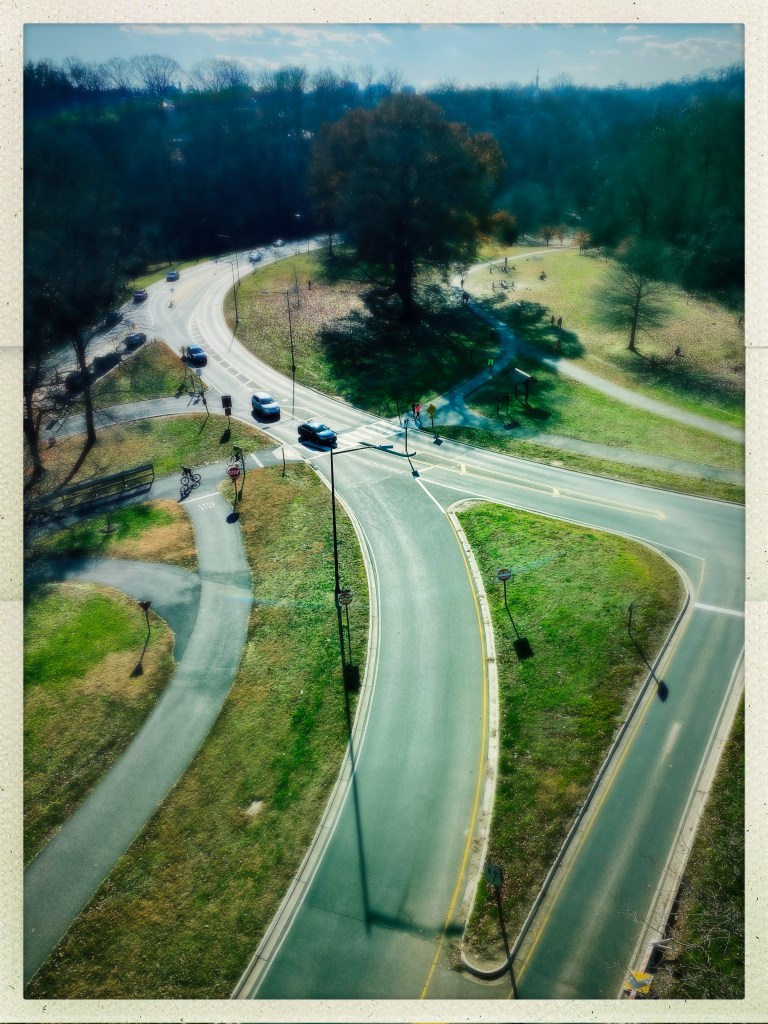
We also crossed over the Taft Bridge toward Woodley Park and looked down over Rock Creek Park and Beach Road.

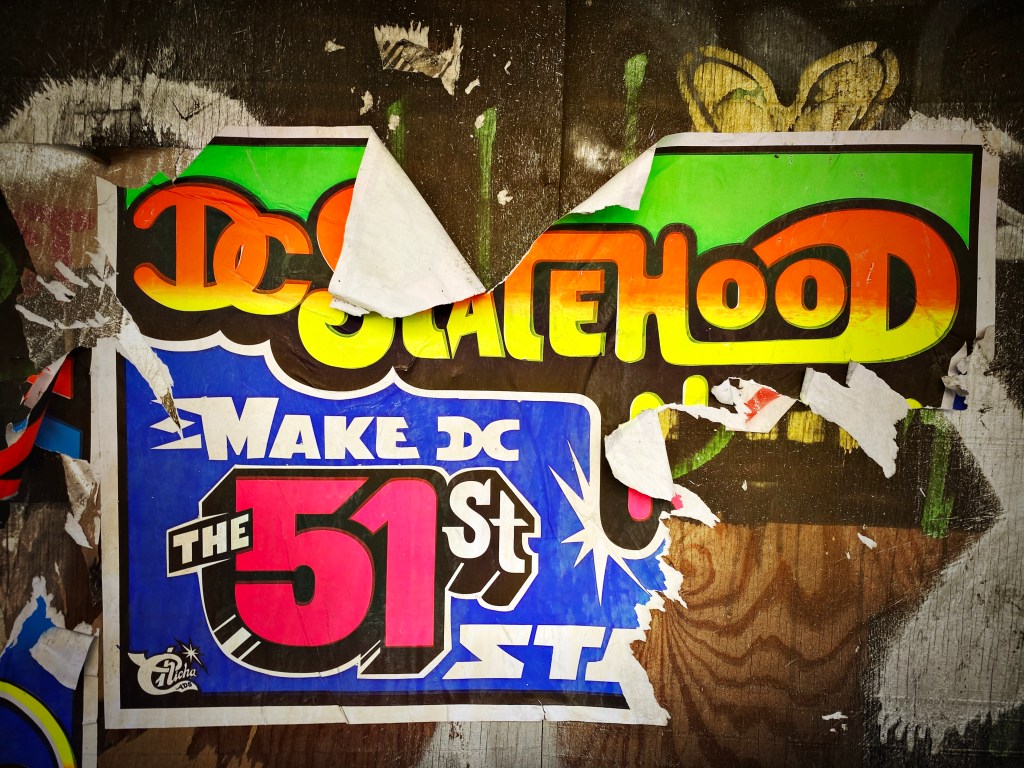
We liked this colorful plea for DC Statehood.