Cleveland Park / Massachusetts Heights / Woodley Park (August 13, 2019)
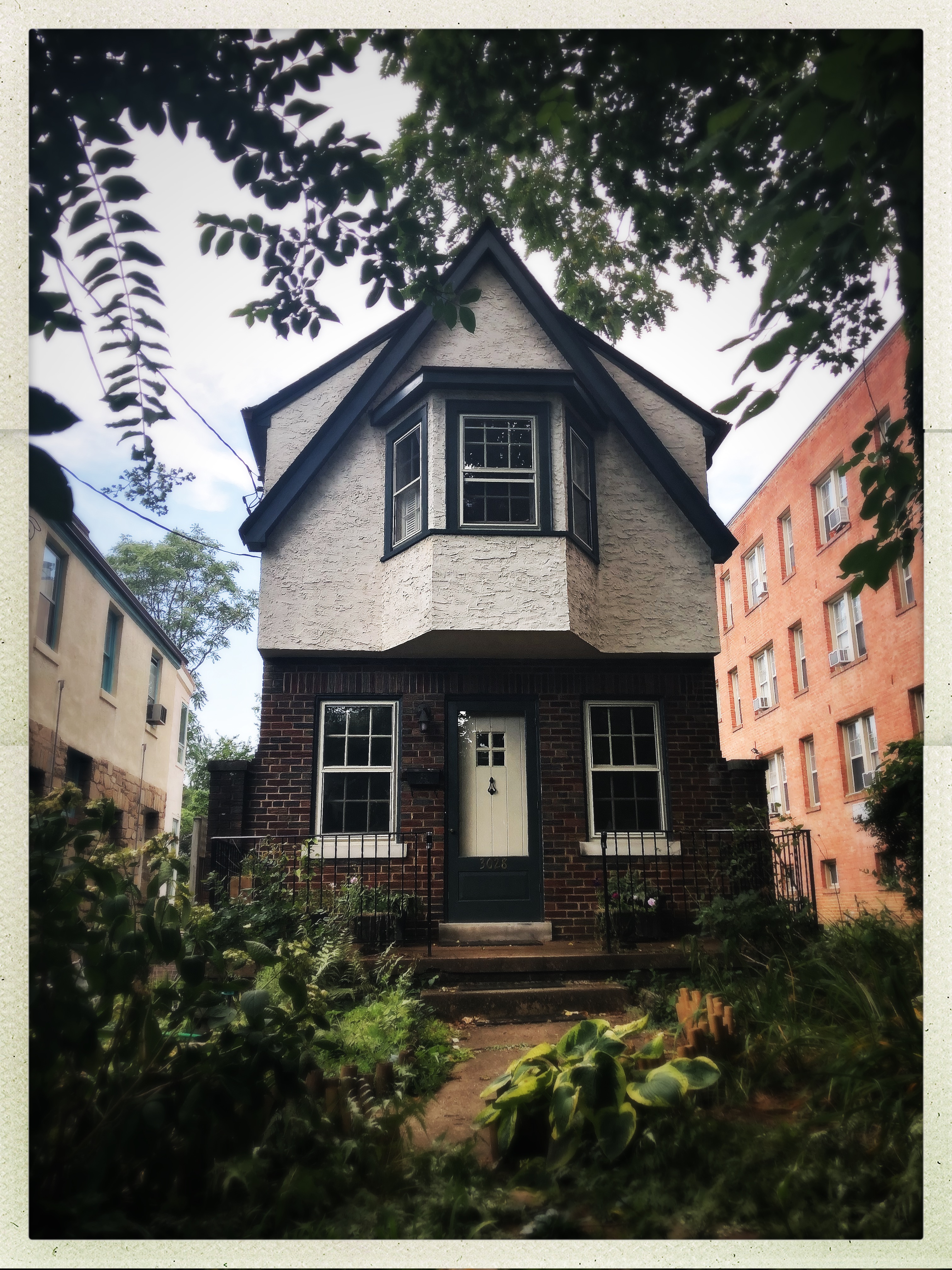
During our walks, we seldom come across modern houses. Here is a rare example.
We found ourselves on Massachusetts Avenue briefly, with just enough time to check out a few embassies along Embassy Row. We have included the following photo of the Norwegian Embassy to honor Mal’s Norwegian heritage.
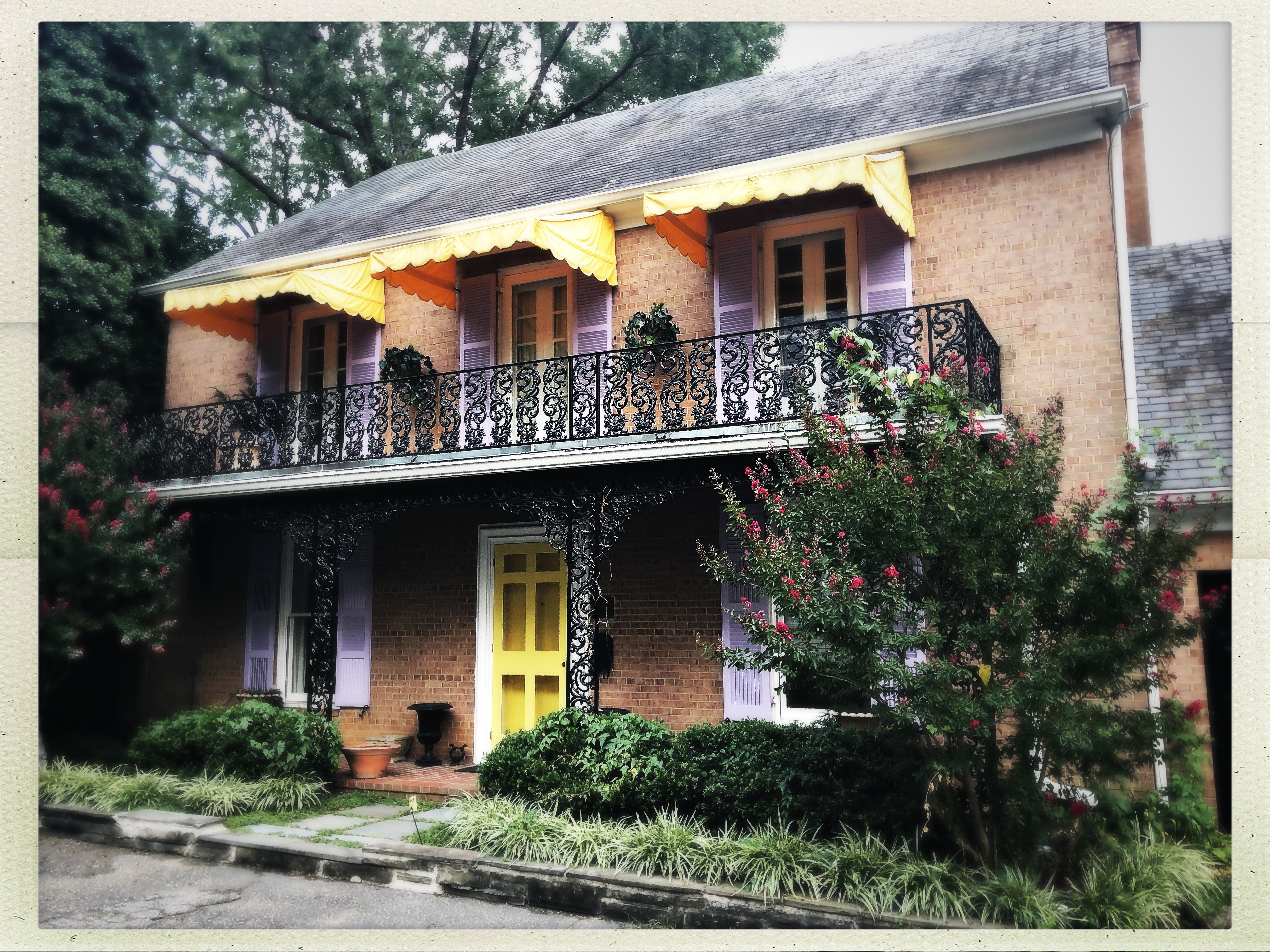
Back on the side streets, we were intrigued by this house with it interesting yellow and purple color scheme. The intricate iron work was reminiscent of New Orleans.
We walked by Maret School, its iconic Woodley Mansion standing up on top of a long sloping hill. The Federal-style building was built in 1801.
Maret
Maret was founded in 1911 as a French primary school by three French sisters, the Marets. Today it is a highly regarded coeducational private school with over 600 students from kindergarten to high school age.
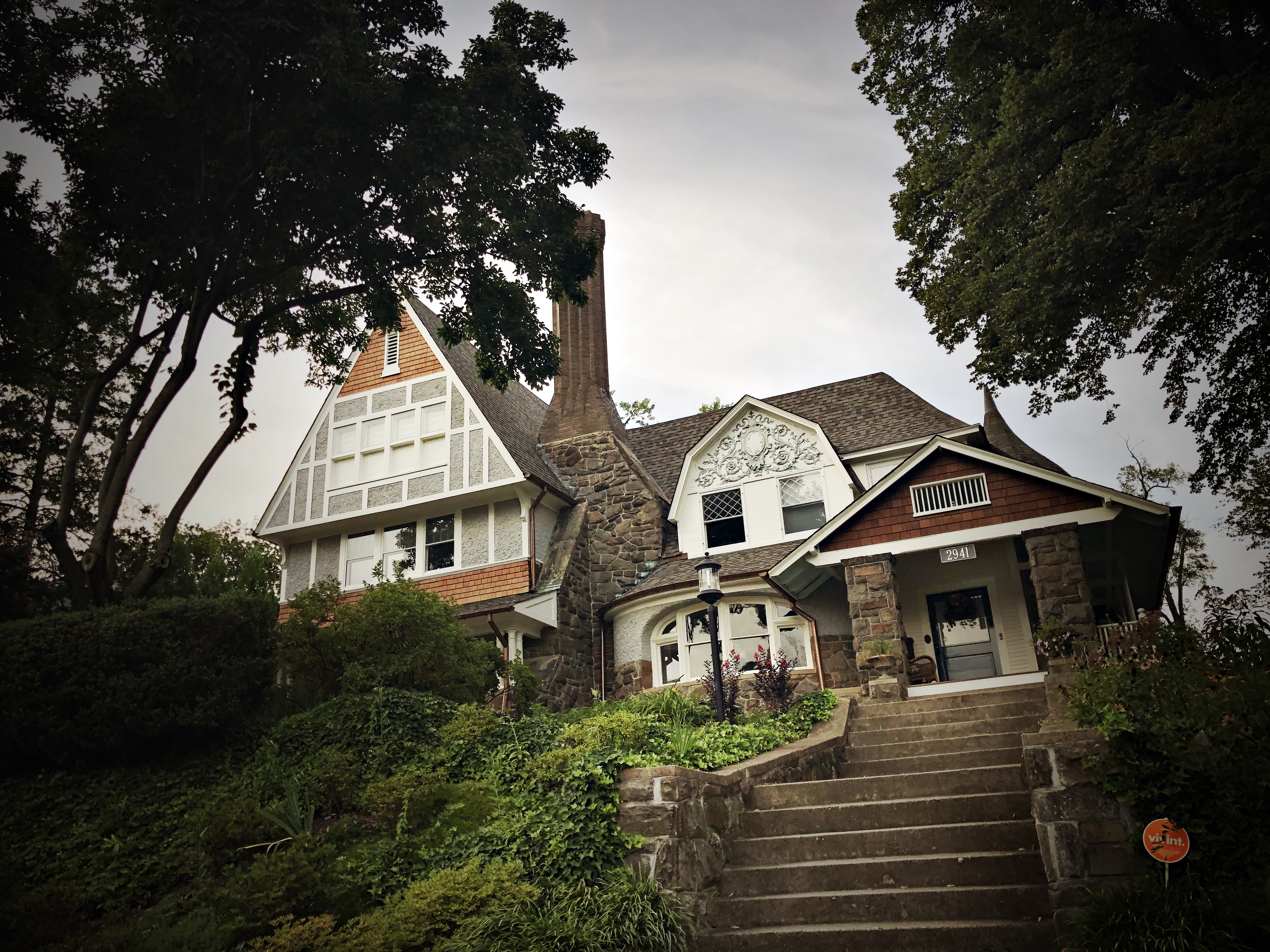
Back in Cleveland Park this evening. We started by walking down Newark Street toward Connecticut Avenue, passing by some stunning historic houses along the way.
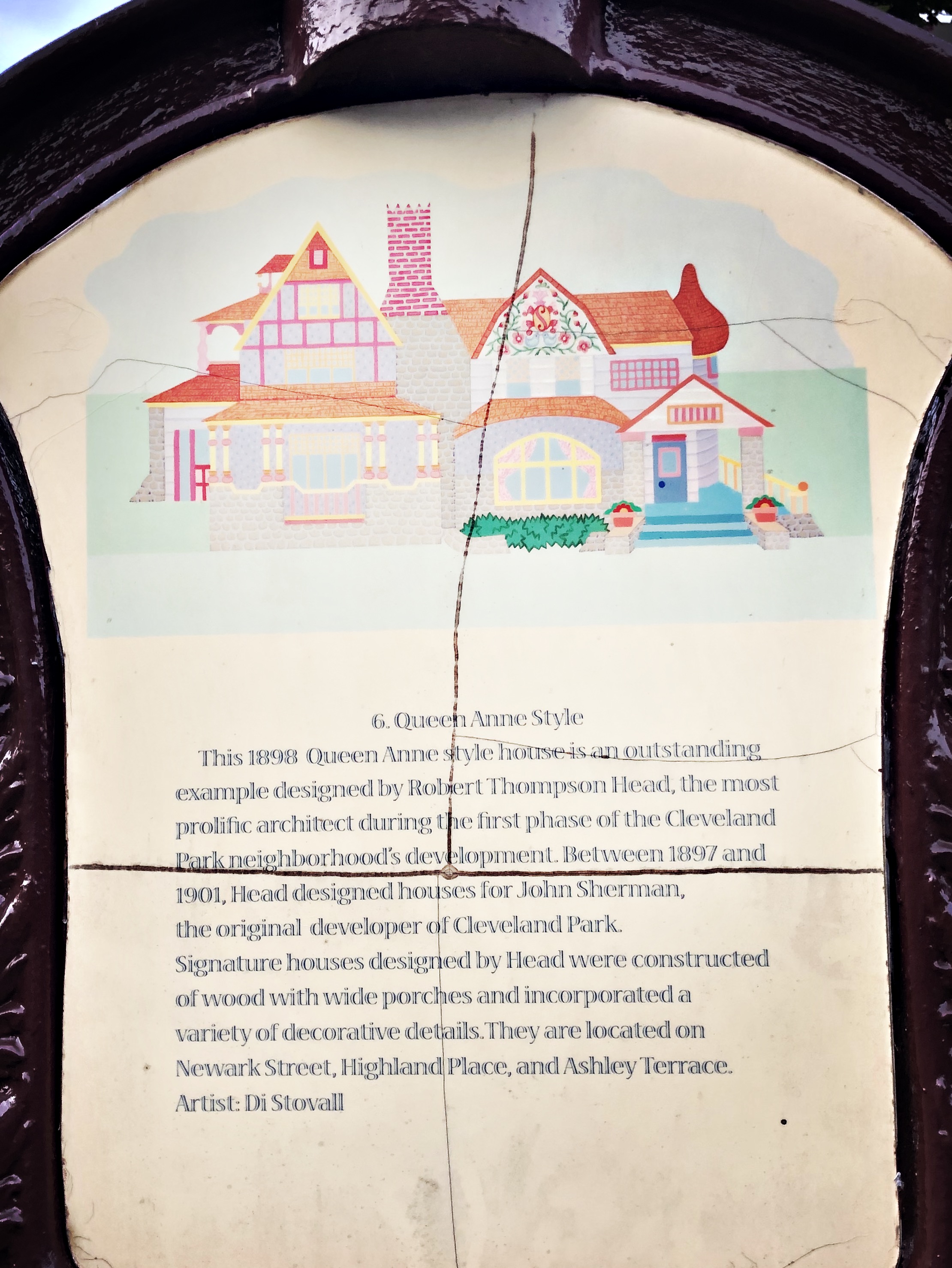
We came across this call box which gave a brief description of the Queen Anne architectural style that was popular at the time that Cleveland park was being developed. It includes a whimsical painting of the house that stands behind it.
The painting of the houseThe house in the painting
The painting is by Di Stovall, a nationally acclaimed artist who lives in Cleveland Park. Her husband, Lou Stovall, is a well known print maker, and founder or Workshop, Inc., a print studio that has been used by many famous artists, including Jacob Lawrence, Sam Gilliam and Alexander Calder.
Our friends used to live in the following house with its distinctive front window. It was once owned by Robert Peary, a famous American explorer and United States Navy officer. Peary is mostly known for claiming to have reached the North Pole in 1909. Whether he actually did reach the pole has been widely debated. In 1989, British explorer, Wally Herbert concluded that Peary did not reach the pole although, he may have been as close as 60 miles. Herbert’s conclusions have been widely accepted, but are still disputed by some authorities. The round window, within the square window is reminiscent of the round portholes in ships.
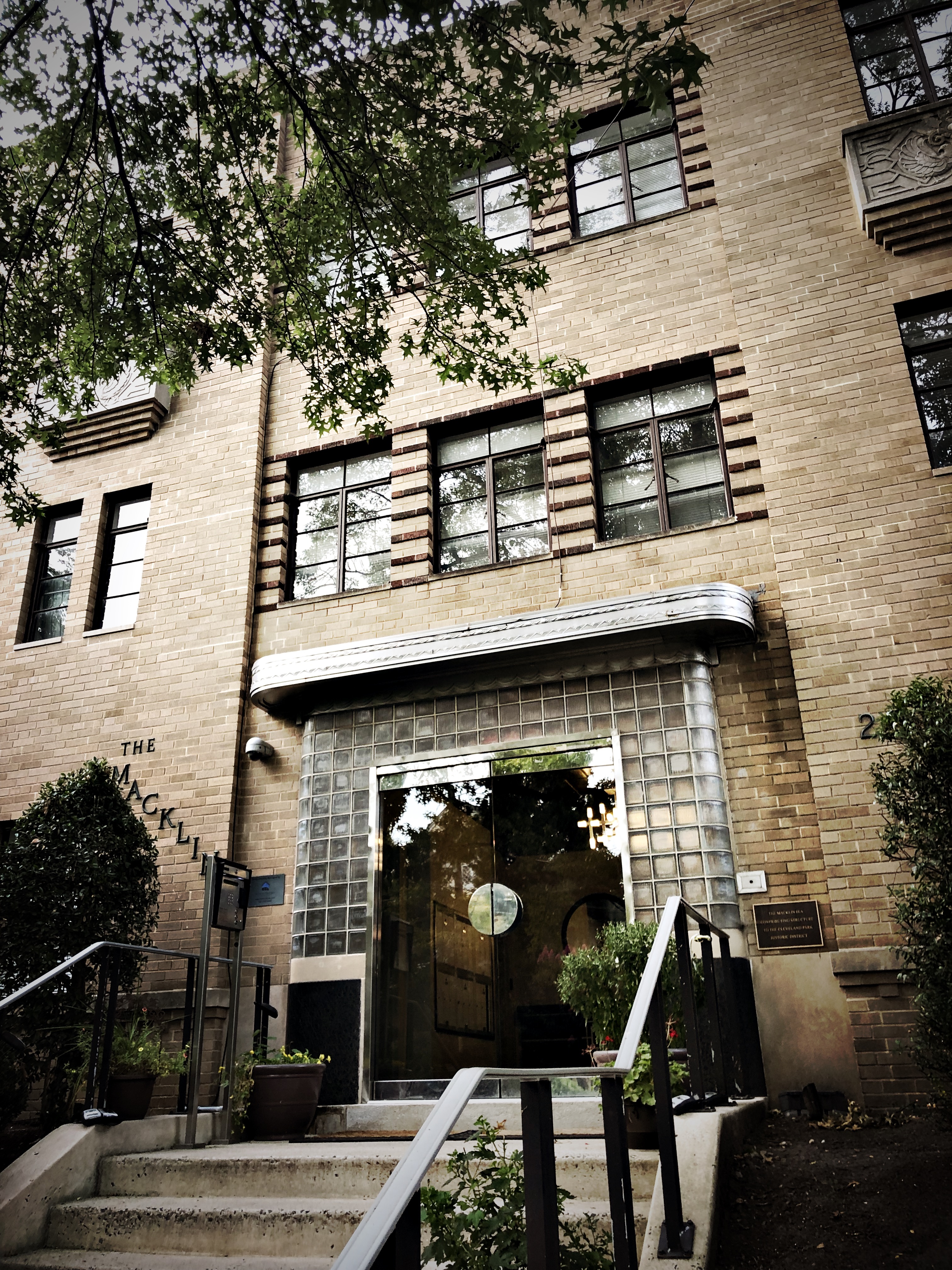
We liked this art deco apartment building on the corner of Newark Street and Connecticut Avenue.
The Macklin
Down on Connecticut Avenue we walked along the main stand of shops and restaurants that line both sides of the Avenue.
We passed by historic Sam’s Park & Shop. This was one of the first strip malls in the area, built in 1931. These days, when fewer and fewer people own cars, the plaza has suffered a lot of turnover with its retail tenants.
The firefighters of Engine Company No. 28 lounged outside the front of their station and watched the world pass by on a beautiful summer’s evening.
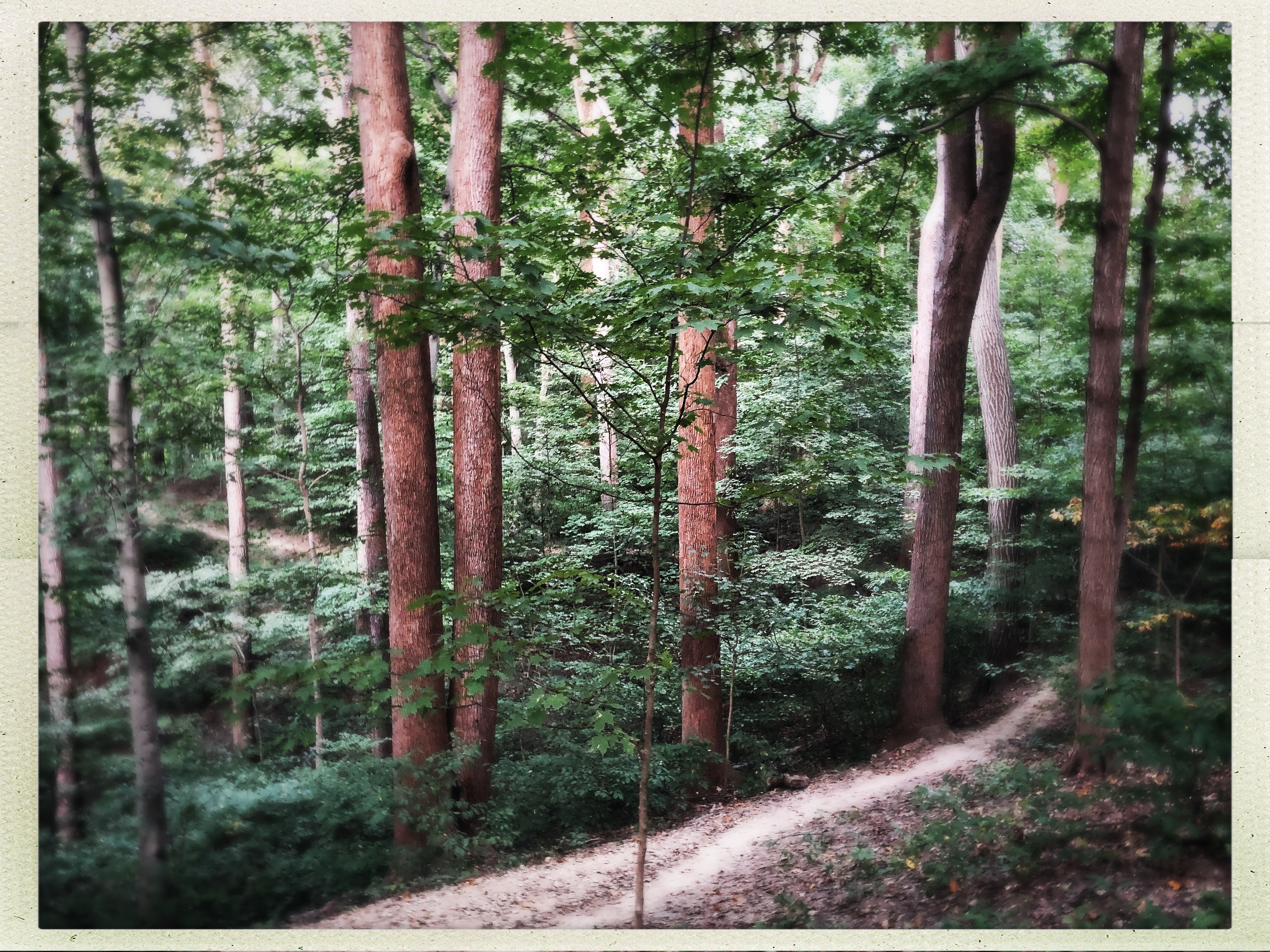
One of the things that has surprised us during our walks is how easy it is to find yourself in deep woods. You can easily imagine that you are miles outside the city in the forest and not just off a main road.
Adas Israel synagogue looked very impressive, lit gold in the evening sunshine. Adas is the largest conservative synagogue in Washington DC. President Ulysses S. Grant attended the dedication of its first building in 1876, the first time a sitting United States President had attended a synagogue service. The first building still exists after being restored by the Jewish Historical Society of Greater Washington. It is located downtown and is part of the Capital Jewish Museum.
The current building opened in 1950 for a cost of nearly $1.3 million, an exorbitant amount at the time. On a personal note, Lauren’s grandparents, who lived just up the road, were members of the synagogue.
We walked down Connecticut Avenue, crossing over the Klingle Valley Bridge, into Woodley Park.
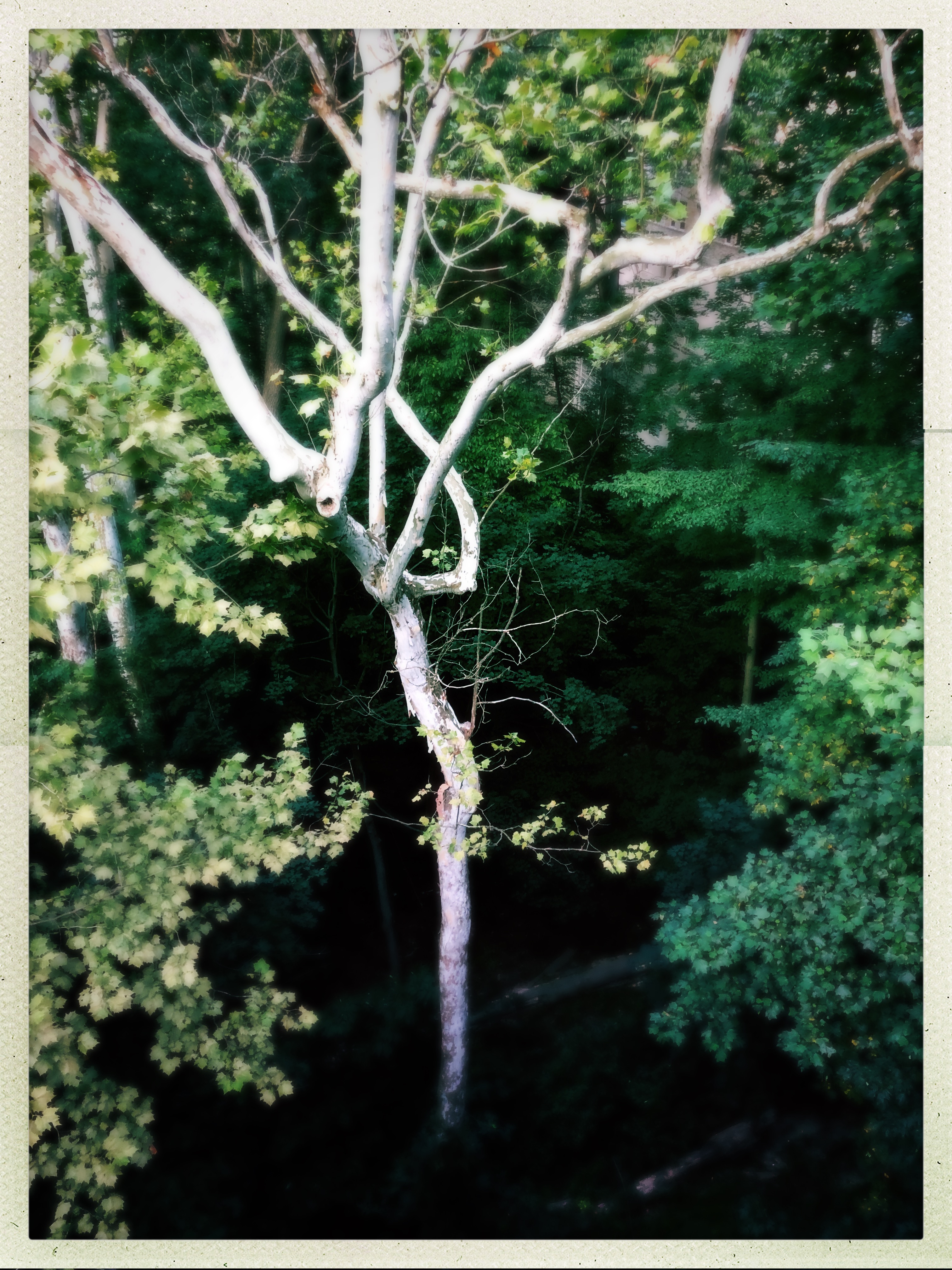
Looking down from the bridge we noticed these two trees that were negative images of each other.
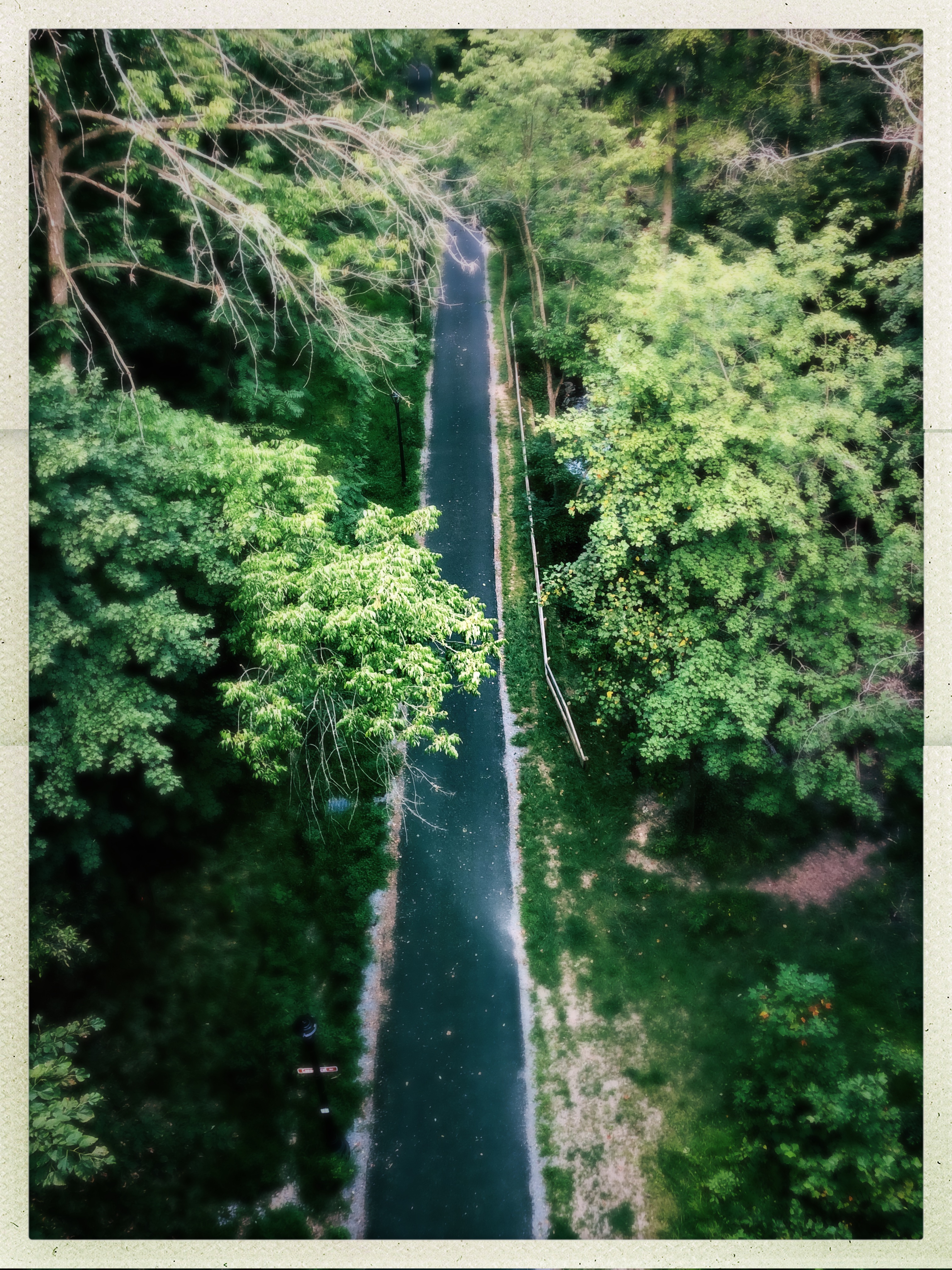
We also looked down to the Klingle trail that ran under the bridge.
Klingle Trail
The Klingle Trail was the subject of much dispute during the 1990s and early 2000s. The trail had originally been a much used road but was closed due to erosion in 1991. Many advocated for the road to be reopened but a competing campaign advocated that the road instead be turned into a cycling and walking trail. After two decades of dispute, the cyclists and hikers eventually won out and the renovated trail was opened to the public in 2017.
Klingle Trail
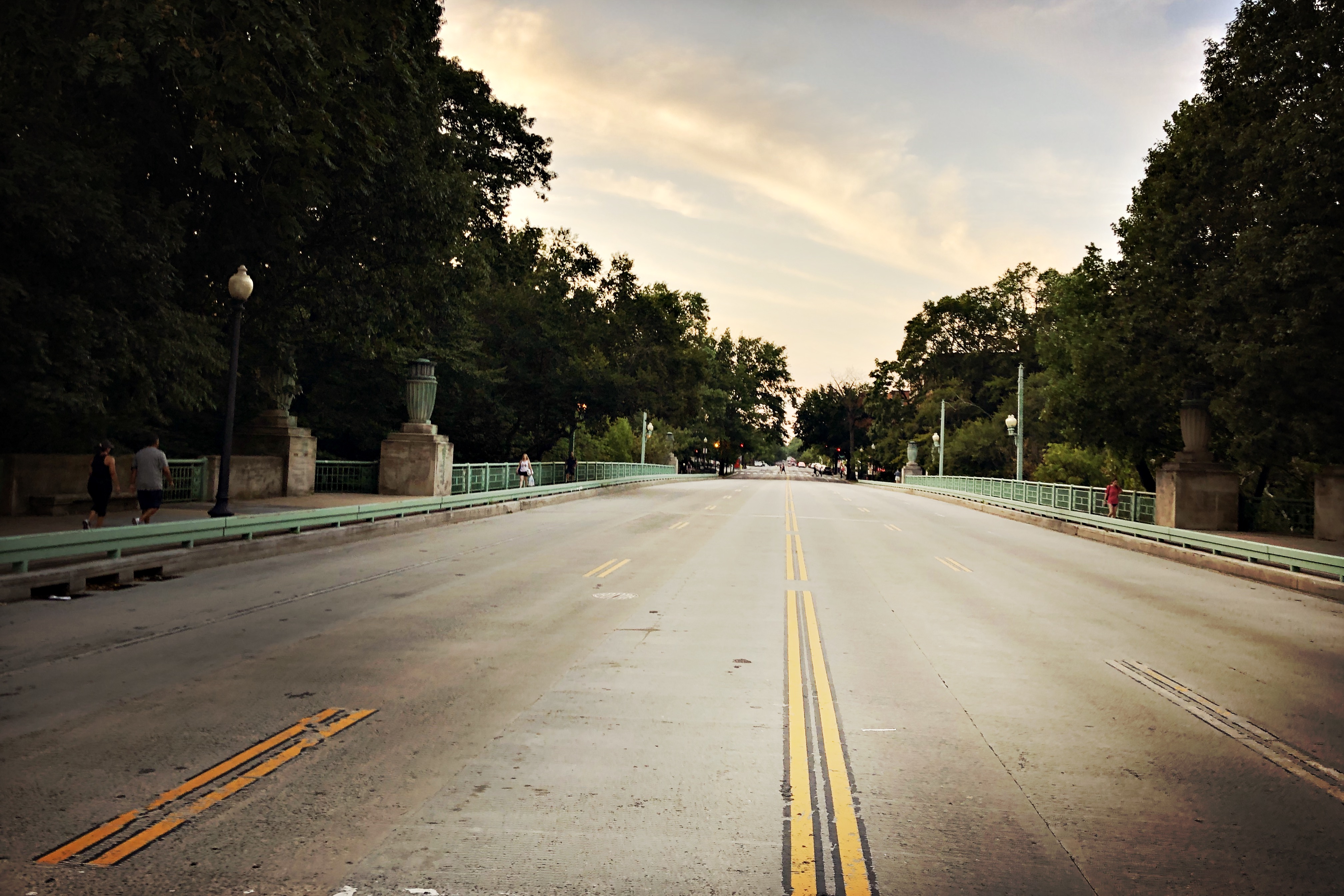
For a couple of weeks each summer, it appears that everyone has left for the beach and getting around the city becomes a breeze. Hence the following photo, looking back up Connecticut Avenue toward Cleveland Park with not a car in sight. If only it could always be this way.
Connecticut Avenue
We stopped by another classic apartment building, the Kennedy-Warren. Opened in 1931, with further wings added later, it is considered the largest and best example of art deco architecture in the District.
Sometimes we come across neighborhood streets that look as if they are part of some sleepy little country town rather than a large vibrant metropolis. This is an example.
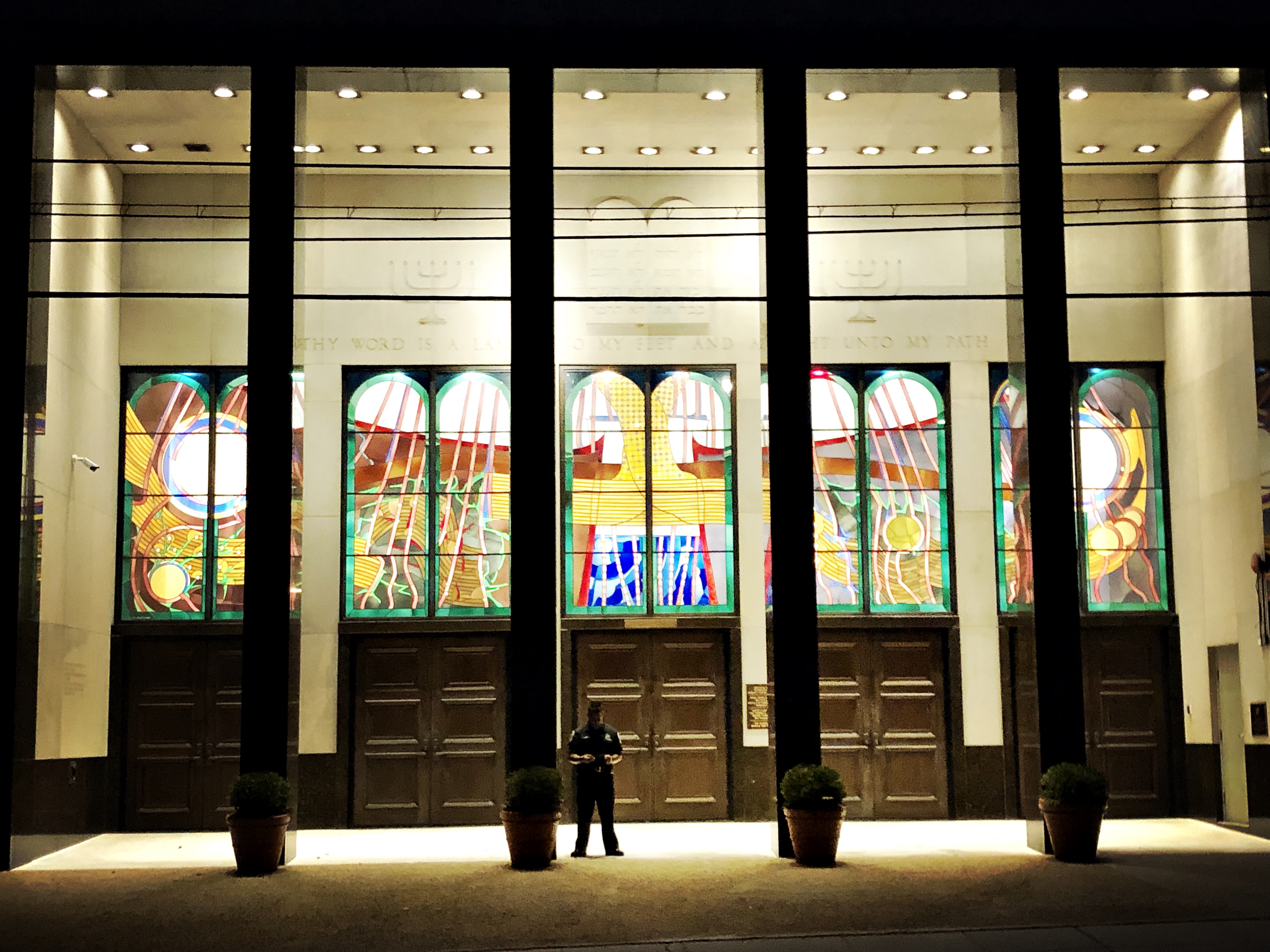
We started this evening’s walk outside Washington Hebrew synagogue with it’s beautiful menorah statue.
Washington Hebrew, formed in 1852, is one of the largest reform congregations in the United States. Macomb Street has been the home of the congregation since the 1950s. On a personal note, our two sons were happy students at Washington Hebrew’s preschool in the late 1990s. Currently, however, Washington Hebrew is facing a number of lawsuits after allegations that an employee at the preschool sexually abused children there from 2016 through 2018.
We passed by two more schools during this evening’s walk. The first was John Eaton, a public elementary school. Eaton opened in 1910 and is named for John Eaton, a teacher and Presbyterian Minister who became a chaplain in Union Army during the Civil War and eventually rose to the rank of General. In 1863 he was appointed as Superintendent of Negro Affairs for the Department of the Tennessee where he supervised the establishment of 74 schools for freedmen. The school is about to begin an extensive two year modernization.
The second was the National Cathedral School, commonly known as NCS.
NCS is an independent Episcopal private day school for girls in grades 4 through 12. It sits on the grounds of the National Cathedral and was founded in 1900 by Phoebe Hearst, who we discussed in a previous post, and Bishop Henry Yates Satterlee.
We loved this beautiful house with its lovely roofline.
On the corner of Massachusetts and Wisconsin avenues is a stately apartment building called Alban Towers.
Alban Towers, built in 1928, is listed in the National Register of Historic Places, and is considered one of the best examples of Gothic Revival architecture in Washington. None of this impressed Mal’s mom, however, who gave it the nickname, Awful Towers, when Mal’s family lived there for a short time during the 1960s.
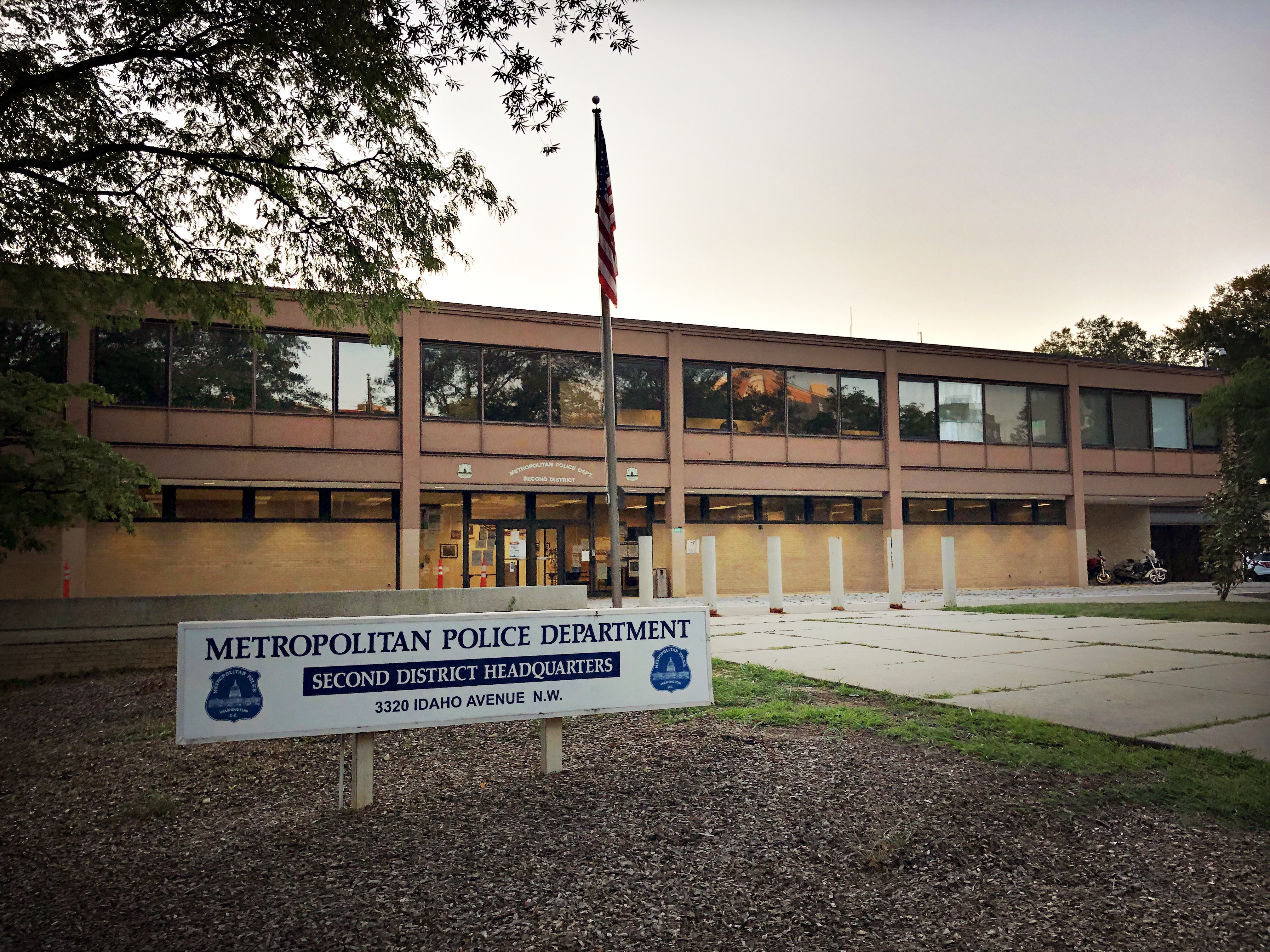
We walked by the Second District Headquarters of the Metropolitan Police Department. The Second District covers all of Ward 3.
We have visited the inside of the headquarters on a number of occasions and can confirm that it has that same tired, cluttered look that anyone who has ever watched a cop show on tv would expect.
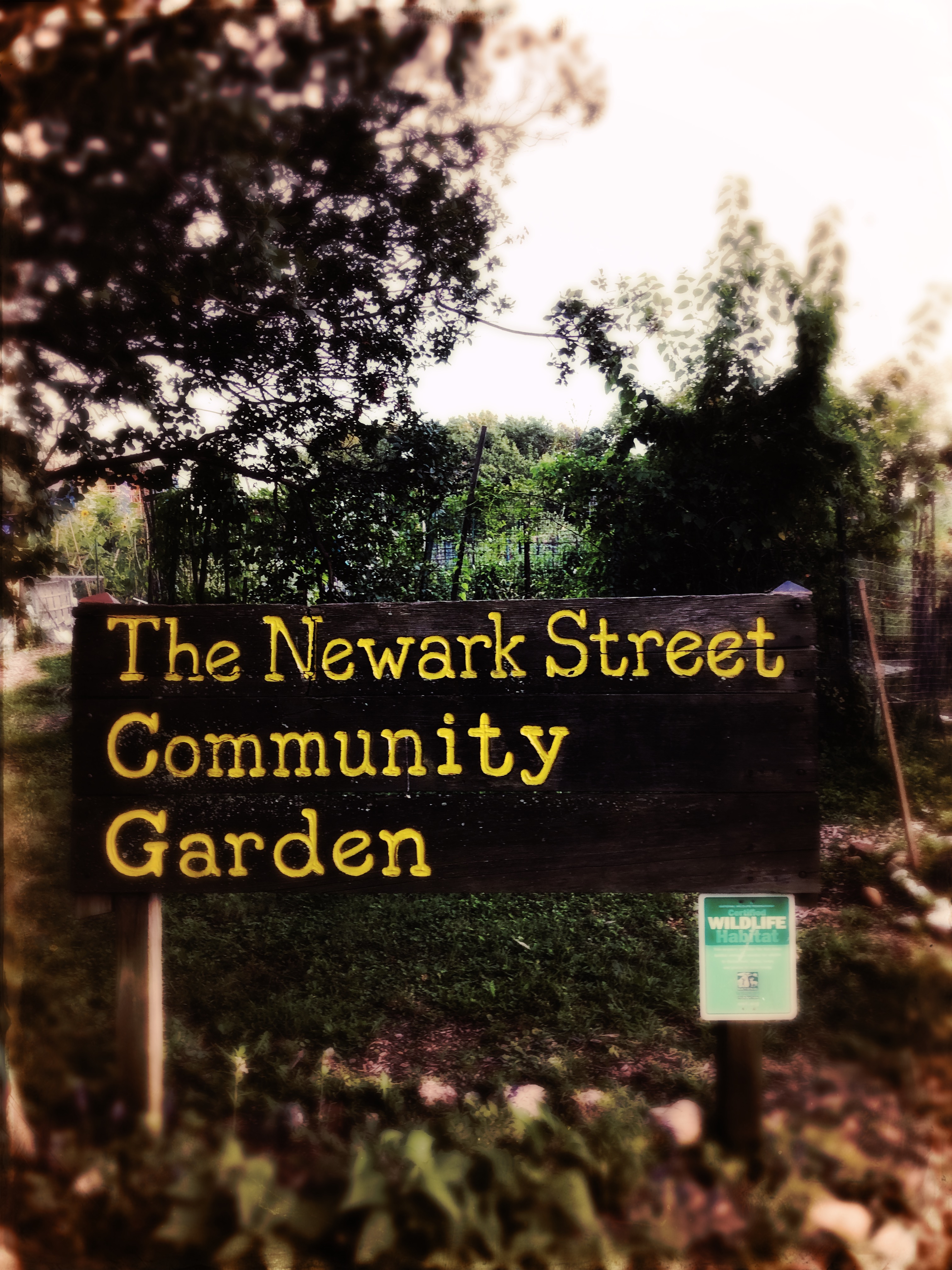
Tucked in behind the Second District headquarters is the Newark Street Community Garden. It looked to be the largest that we have come across, so far, on our walks.
We ventured into McLean Gardens. McLean Gardens is a 43-acre housing development built in 1942 as temporary housing for wartime defense workers on the estate of newspaper publisher, John McLean. In 1980, the original 31 red brick apartment buildings were converted to condominiums.
These are typical of the buildings scattered through the Gardens.
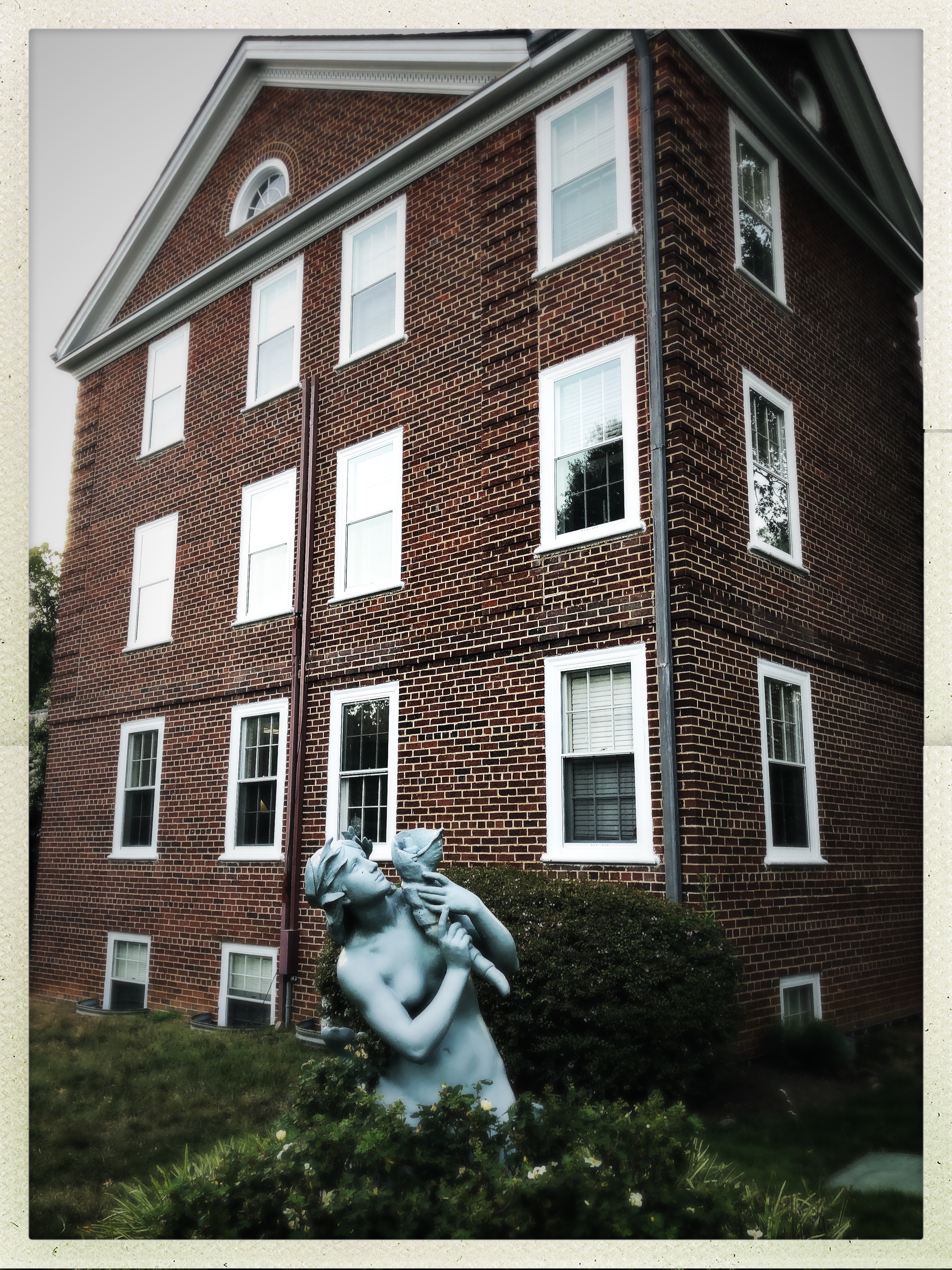
Dotted about through the Gardens are a number of classical themed statues.
Clustered around the corner of Wisconsin Avenue and Macomb Street are a number of busy restaurants. One of the most popular is the pizza restaurant, 2 Amys.
We finished the walk, back where we began, at Washington Hebrew. With the nights getting shorter, it is getting harder to complete our evening walks before the sun falls.
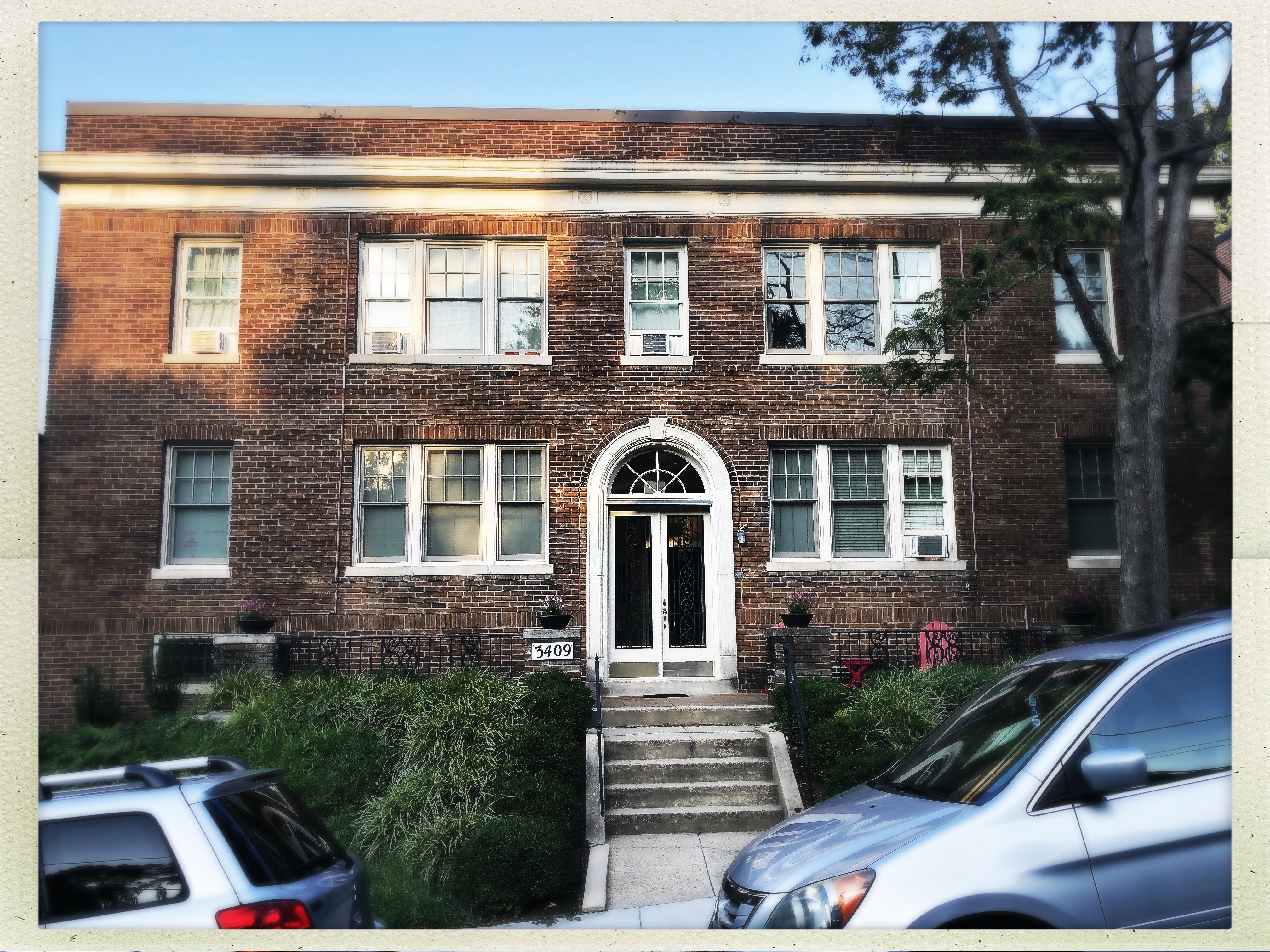
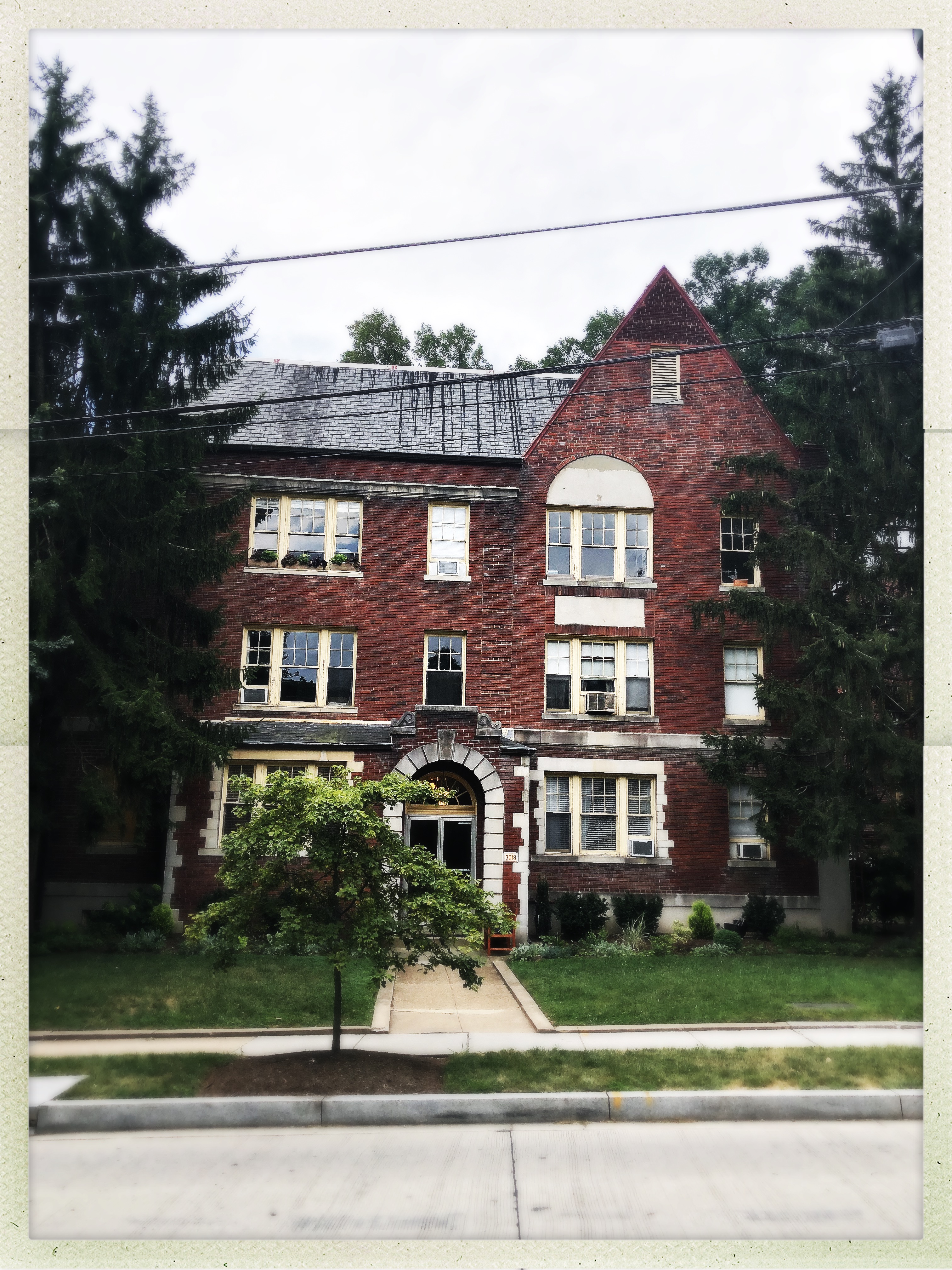
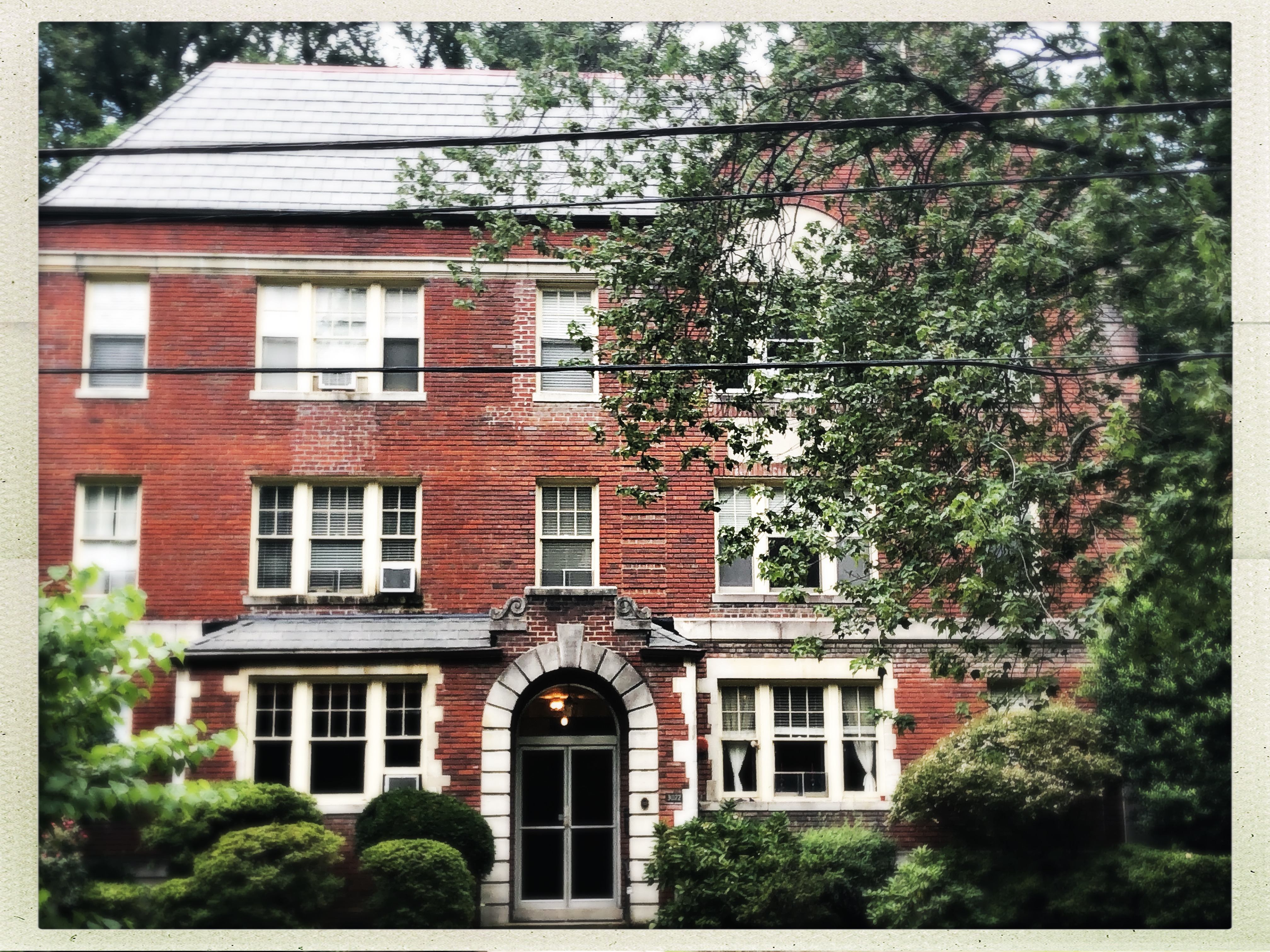
Continuing our discovery of Cleveland Park, we passed by three identical small apartment buildings on a side street. We have become enamored with the smaller buildings that we come across during our walks. They appear to provide a communal lifestyle not offered by larger buildings. It’s easier to know your neighbors when there are four or five other residents in the building, rather than hundreds.
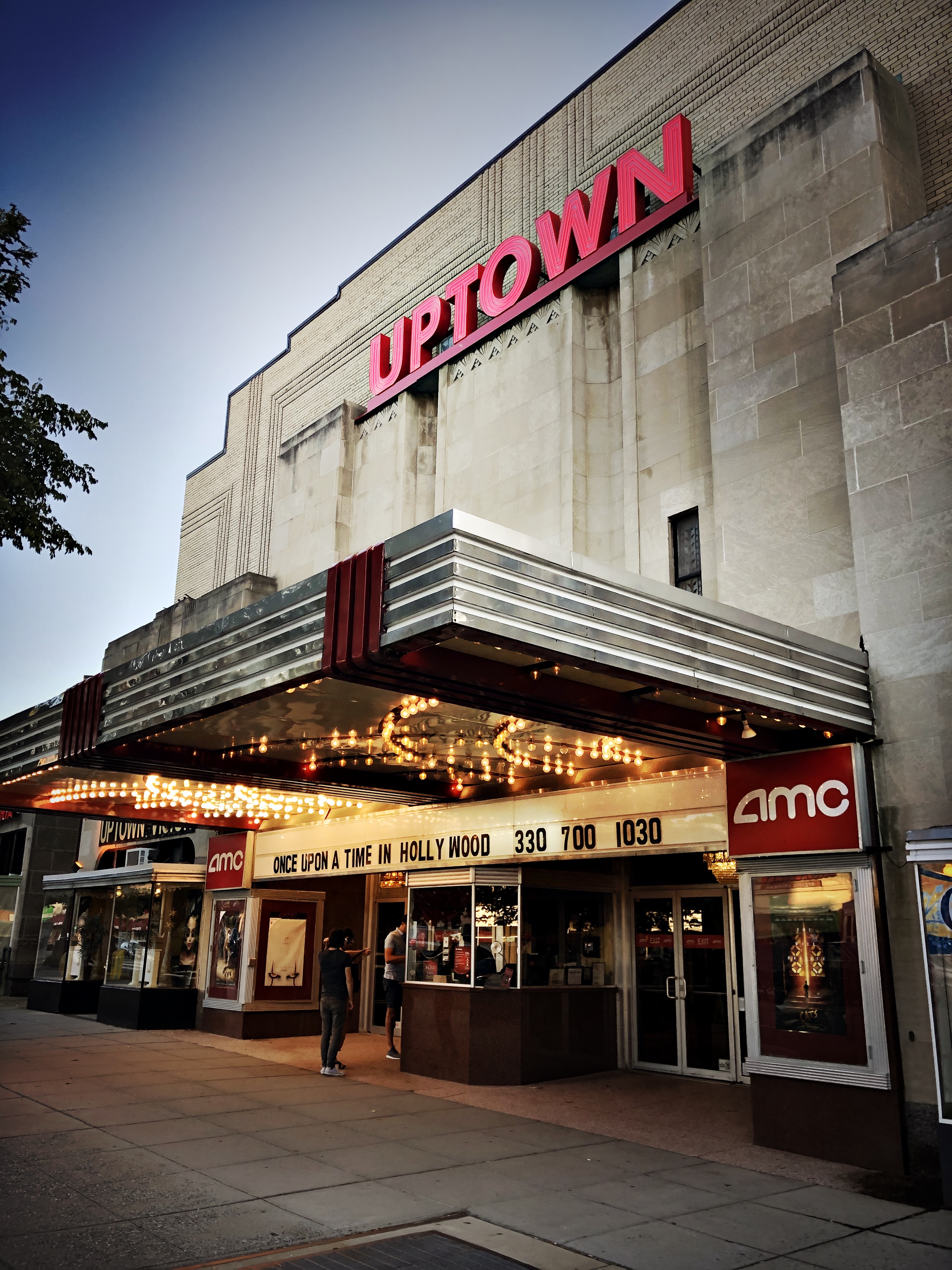
Down on Connecticut Avenue we passed by the iconic Uptown movie theater.
The Uptown
The art deco style Uptown opened in 1936 and has the largest movie screen in Washington DC, apart from the Smithsonian IMAX theaters. It has hosted many Hollywood premieres over the years, including the World premiere of Stanley Kubrick’s, 2001: A Space Odyssey in 1968.
Over recent years, the District has been renovating and building numerous libraries. The Cleveland Park library is one of the most recent, opening in 2018.
Cleveland Park Library
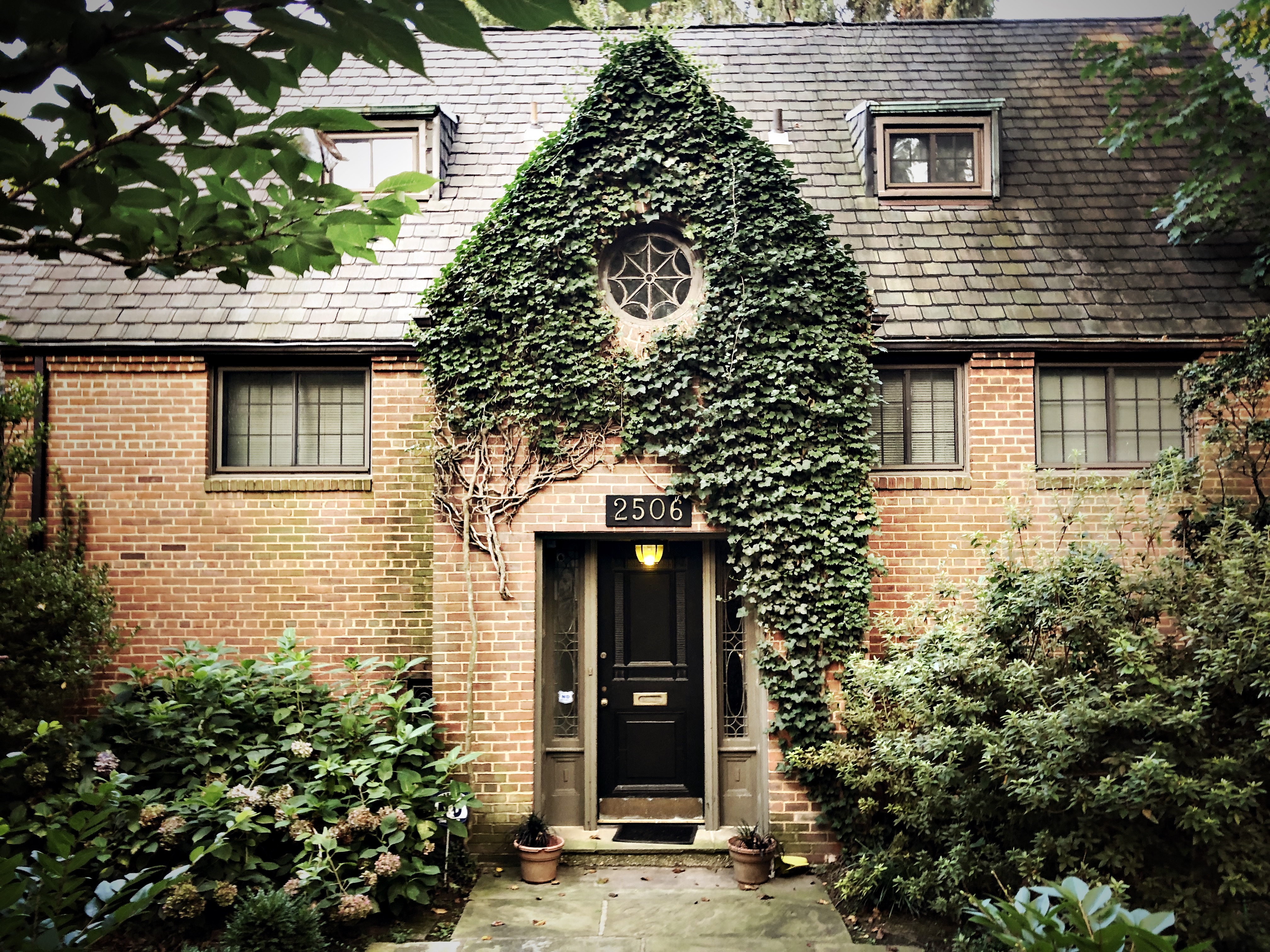
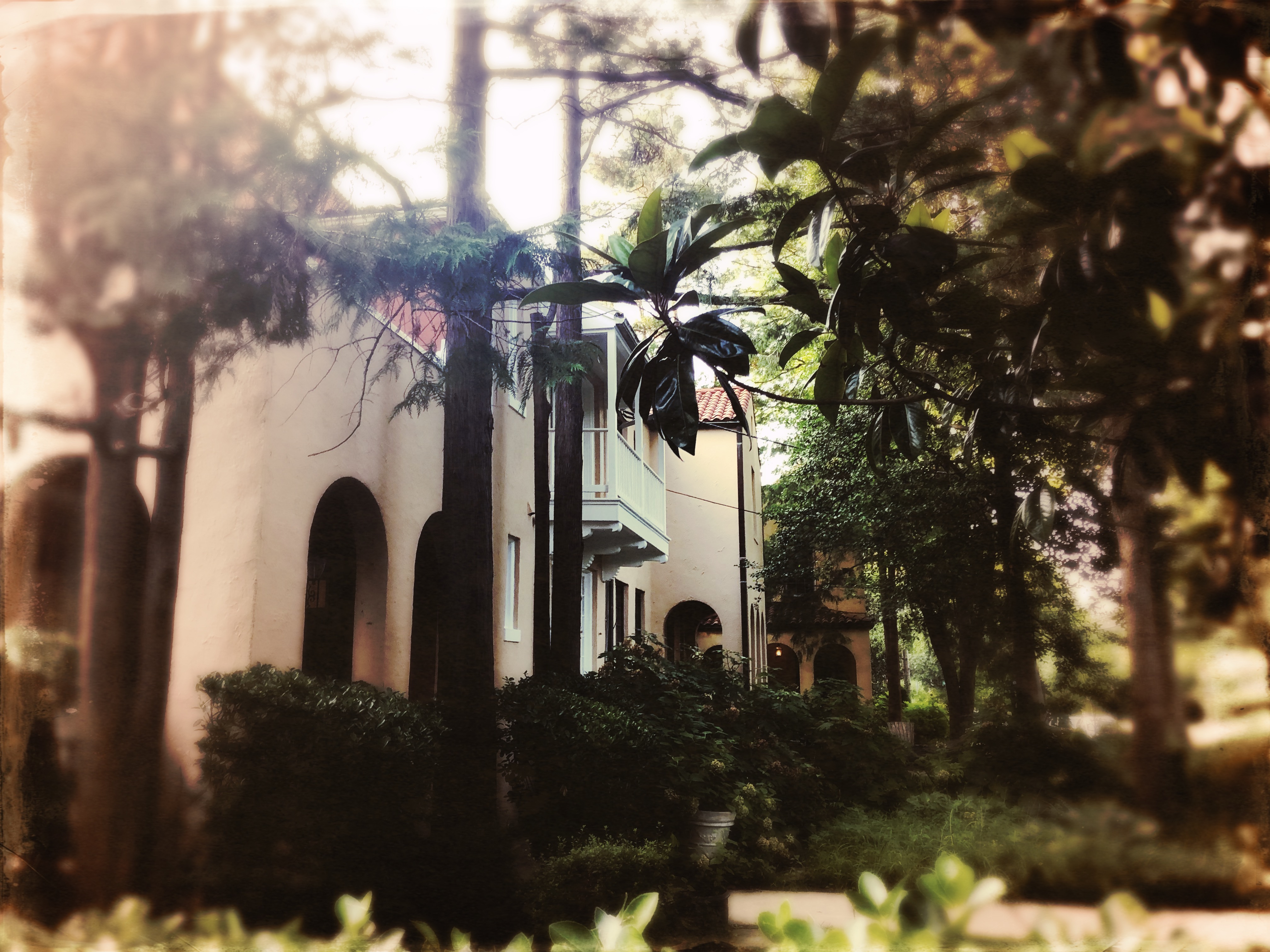
Walking along Macomb Street, we were enchanted by this fairy tale house.
We finished the day’s walk, dropping in our dear friend Catherine, who lives in the neighborhood. It was very pleasant, sitting on her back deck, resting weary legs and catching up with the latest gossip.
Van Ness, Forest Hills, Cleveland Park (August 8, 2019)
After a week away at the beach, we once again set out to explore Ward 3 on a beautiful summer evening. We started in Van Ness and turned down Upton Street, passing by Edmund Burke School. Burke is a private, progressive school with approximately 300 6th to 12th grade students. Founded in 1968, it is named for the British philosopher, Edmund Burke, who many point to as the founder of modern conservatism. Like all the schools that we have come across so far, Burke has undergone a major renovation in recent years, adding a new building in 2006.
Further down Upton, we walked by another well known Washington learning establishment, the Levine School of Music.
The Levine School is one of the country’s leading community music schools with four campuses in the Washington DC metropolitan area. It has about 3,700 students, including 850 at-risk youth and children. The school offers a wide range of teaching to a wide range of students, everything from early childhood music experiences to choirs for senior citizens. One of our sons, when he was very young, attended for a short while. It quickly became apparent that a music career wasn’t for him. As he was being led away to class, Lauren can remember his sad face as he turned and mouthed to her “I want to go home”.
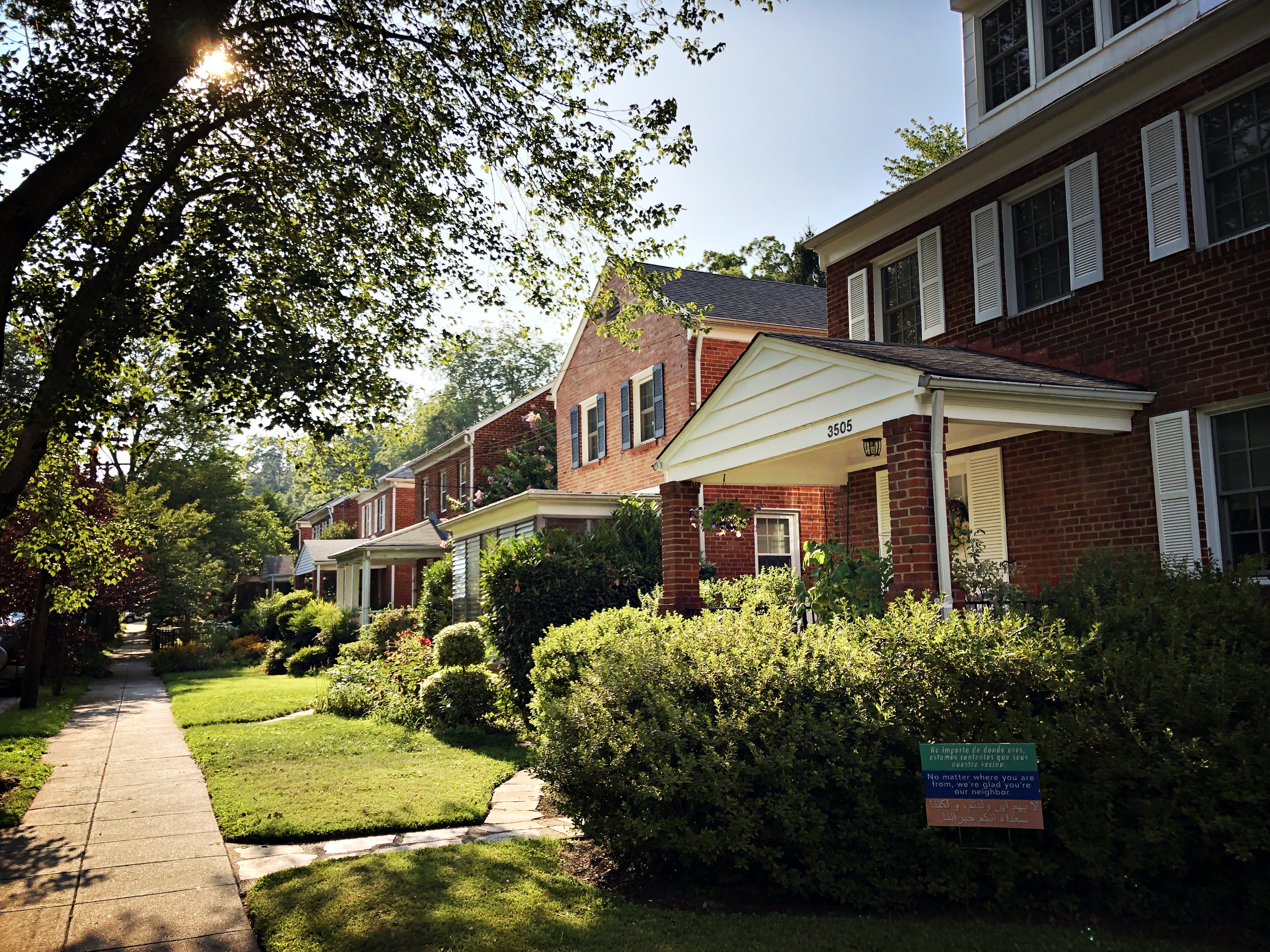
Further down Upton, we walked by a number of houses that had a distinctive European feel. Lauren thought that they may be her favorite houses so far.
We have passed many houses during our walks that have shutters. This was the first one where we have seen the shutters actually being used. Normally, they appear to be simply for decorative purposes.
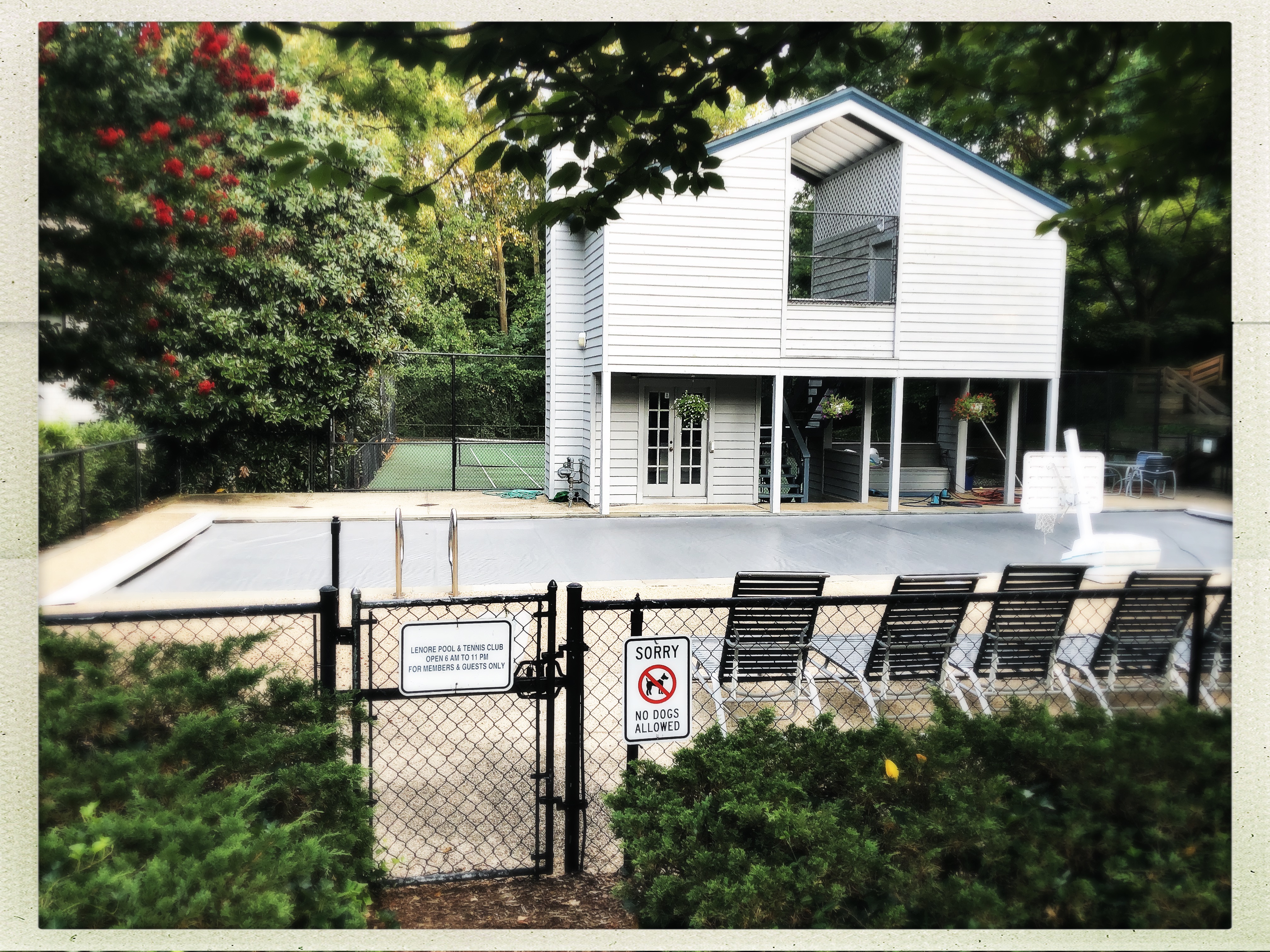
Tucked into the neighborhood, we came across this little tennis and pool club. It was the smallest one we had ever come across with one court and a family size pool.
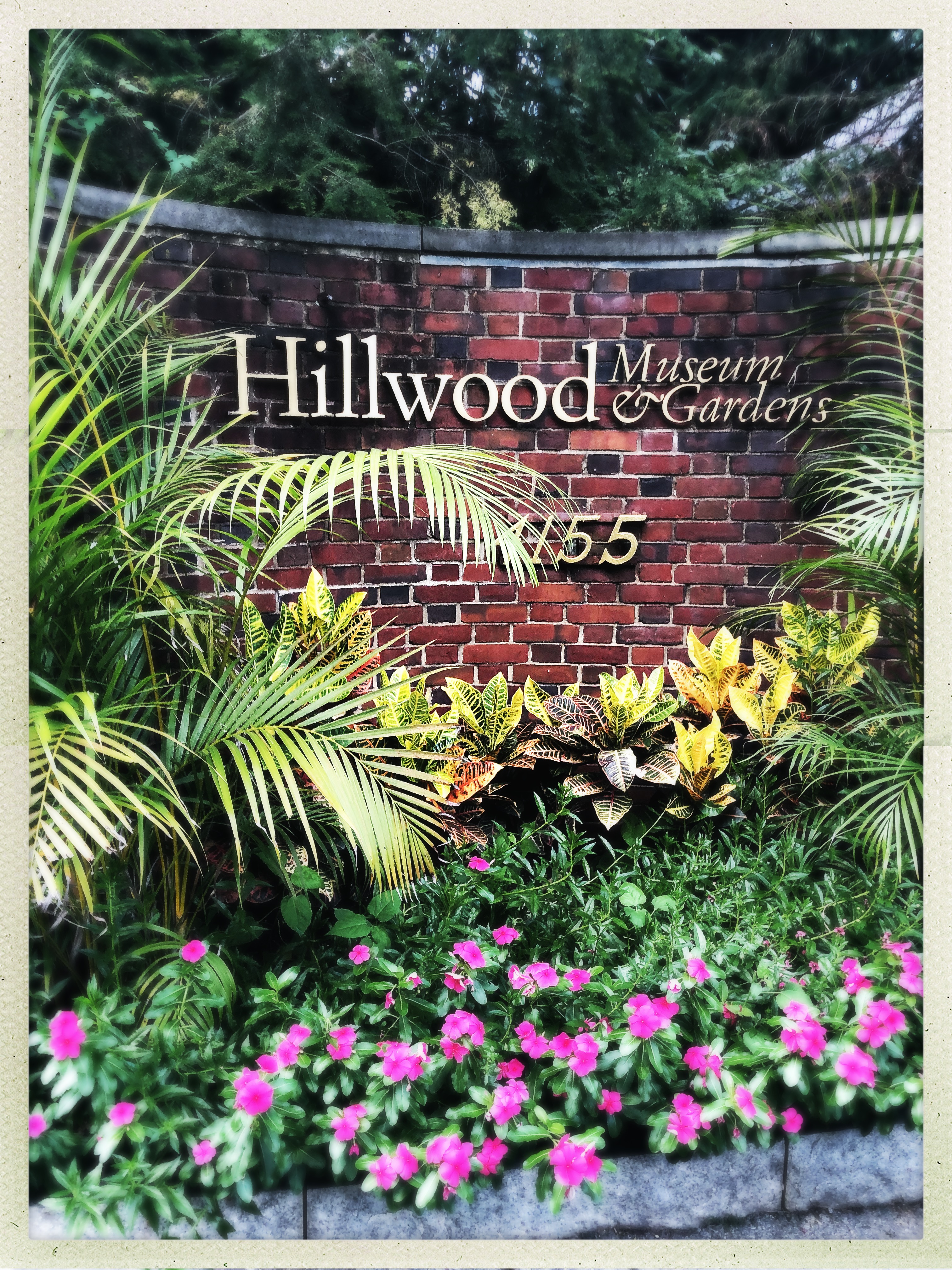
If you have never visited Hillwood, we highly recommend it. It is the former residence of Marjorie Merriweather Post (1887-1973). She was the owner of General Foods and at one time the richest woman in America. She was also a prominent socialite and philanthropist and had a penchant for collecting art, particularly from pre-revolutionary Russia. The Estate is home to a fabulous collection of Faberge eggs. There is also a traditional Russian country house (Dacha) on the grounds. Hillwood is home to one of the country’s best orchid collections and there are extensive gardens of various types. Our personal favorite is the stunning Japanese garden that cascades down a hillside next to the main house. Fun fact: Marjorie Merriweather Post also built and owned a building that is often in the news these days, Mar-a-Lago.
We made our way down to Peirce Mill, at the bottom of Tilden Street, sitting next to the border of Ward 3 at Rock Creek.
Peirce MillPeirce Mill
The Mill was built in the early 1800s by Isaac Peirce, a millwright. It was shut down in 1993 but reopened in 2011. If you are interested in seeing a Mill at work, the National Park Service runs mill operation demonstrations on the 2nd and 4th Saturdays of each month from April through October.
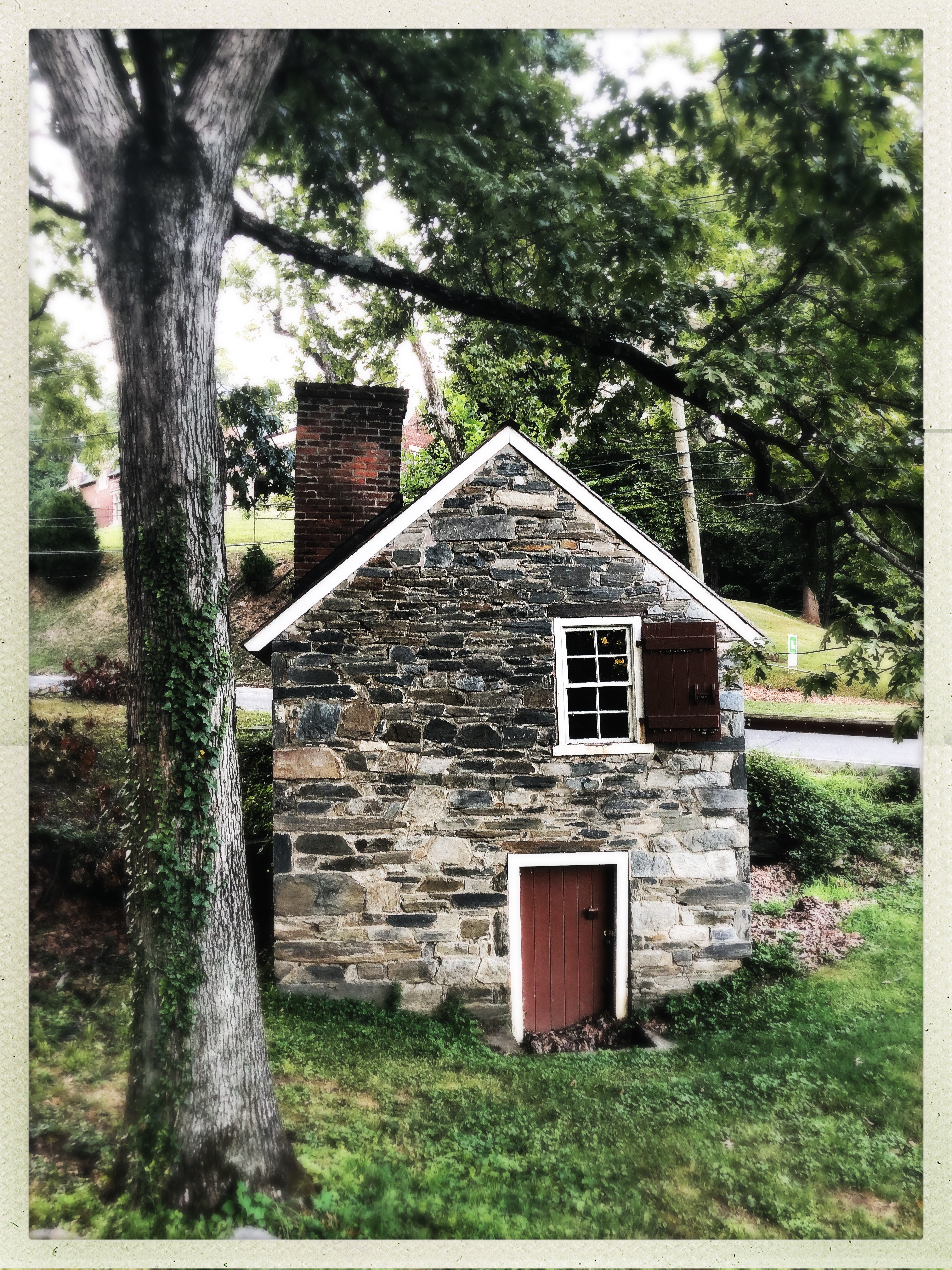
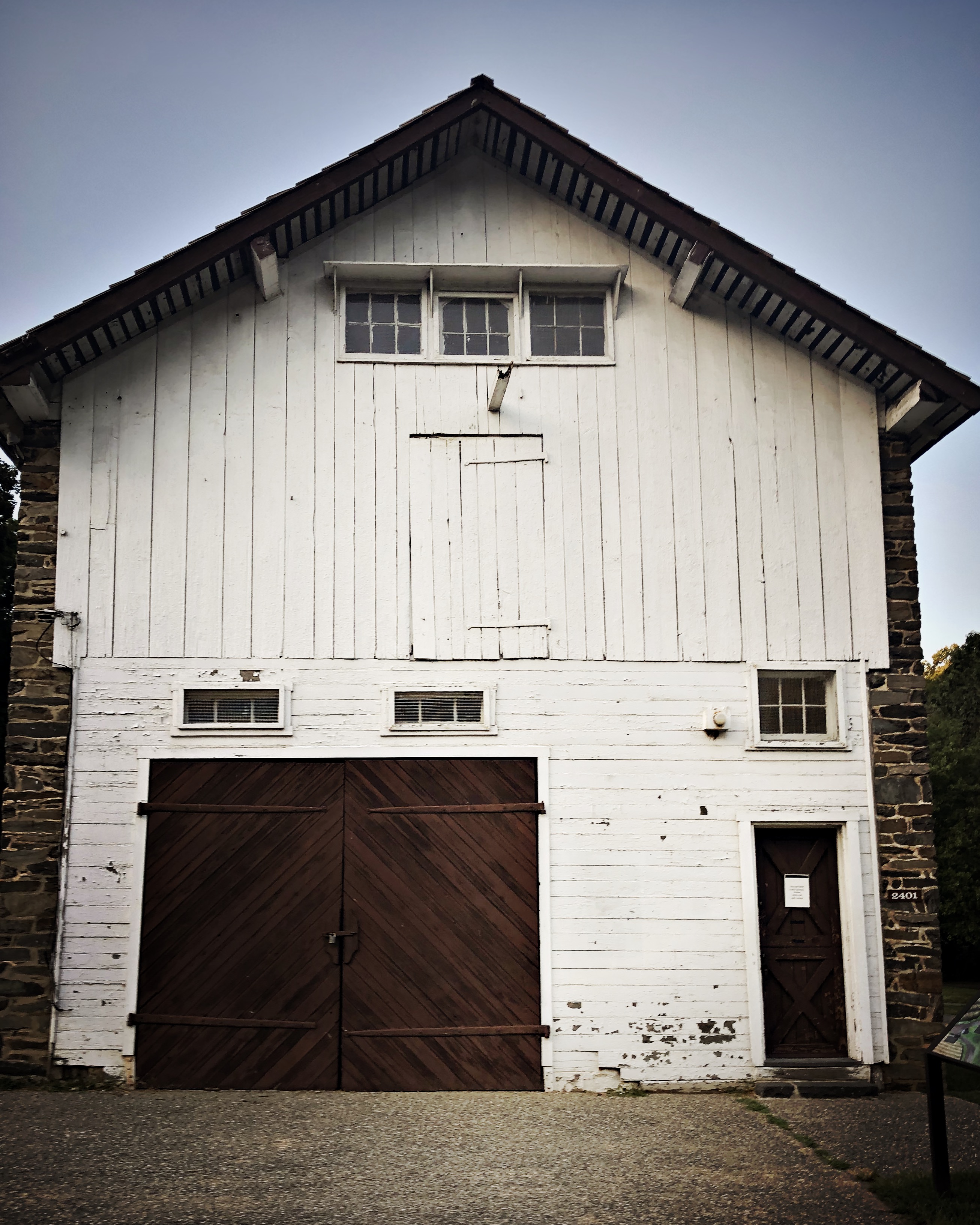
There are a number of other Peirce farm buildings surrounding the mill, including a small stone Spring House and a white carriage barn. The Spring House had spring water flowing through the basement, keeping produce and dairy products cool.
The Mill stands next to beautiful Rock Creek.
Rock Creek.
As we stood by the Mill, we watched a constant procession of joggers and cyclists pass by, enjoying the beautiful evening. We have spent many happy times, ourselves, riding down along the creek with family and friends.
Sitting down near the Mill are the Hungarian and Czech embassies, close neighbors in the District as they are in Europe.
In the grounds of the Hungarian embassy is a statue of Colonel Michael Kovats. Kovats was a Hungarian nobleman and cavalry officer who served with the Americans during the Revolutionary war. He is known as one of the founding fathers of the United States cavalry. The statue, by Paul Takacs, depicts Kovats on horseback being killed in battle, waving the American flag, as his horse collapses under him. Kovats died during the siege of Charleston, South Carolina on May 11, 1779. He was buried where he fell.
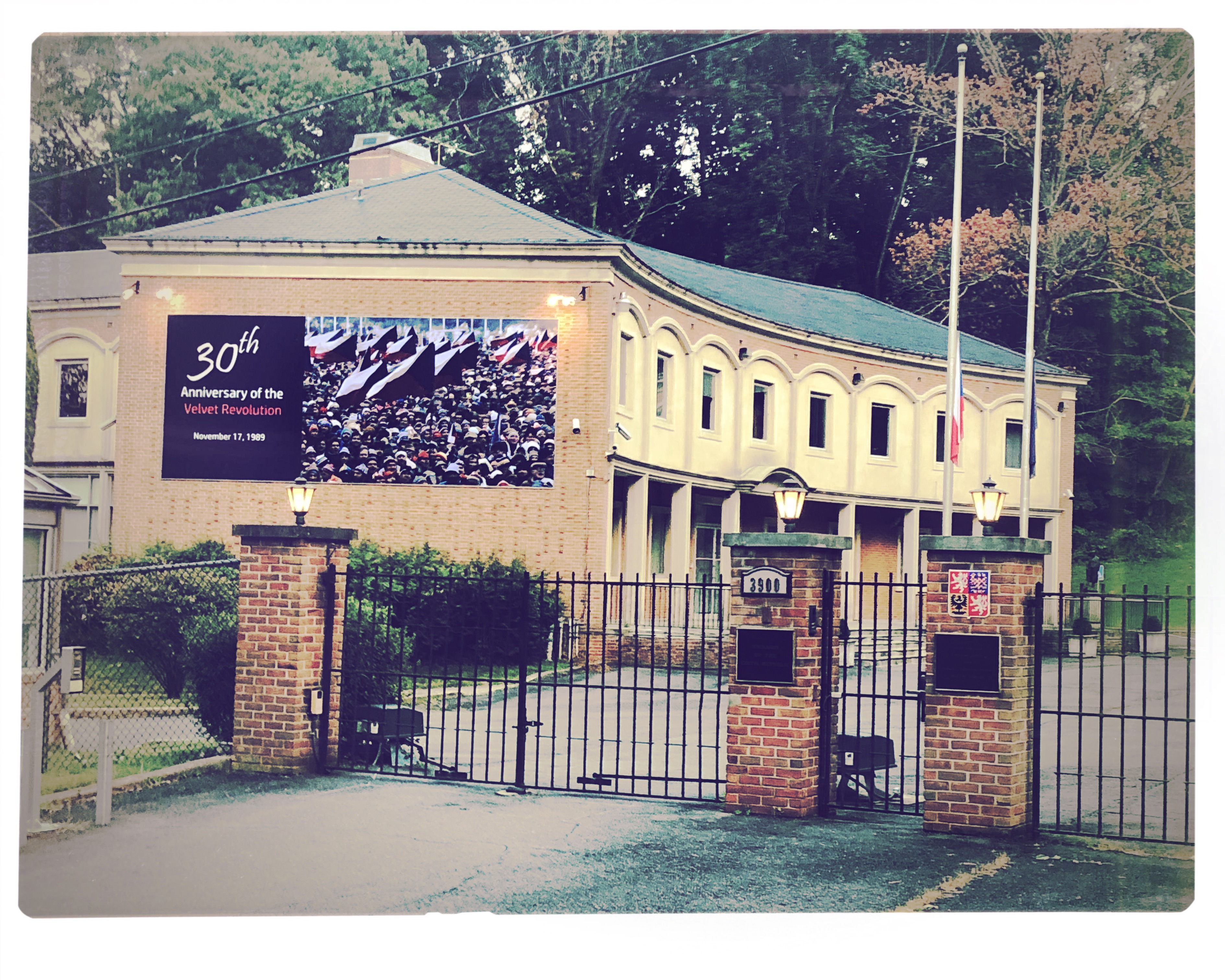
Across the road, the Czech Embassy had hung a large banner, celebrating the 30th anniversary of the Velvet Revolution, the non-violent transition of power in what was then Czechoslovakia away from one party Communist rule to a democracy. It’s hard to believe that it has already been 30 years since the collapse of the Soviet Union.
Czech Embassy
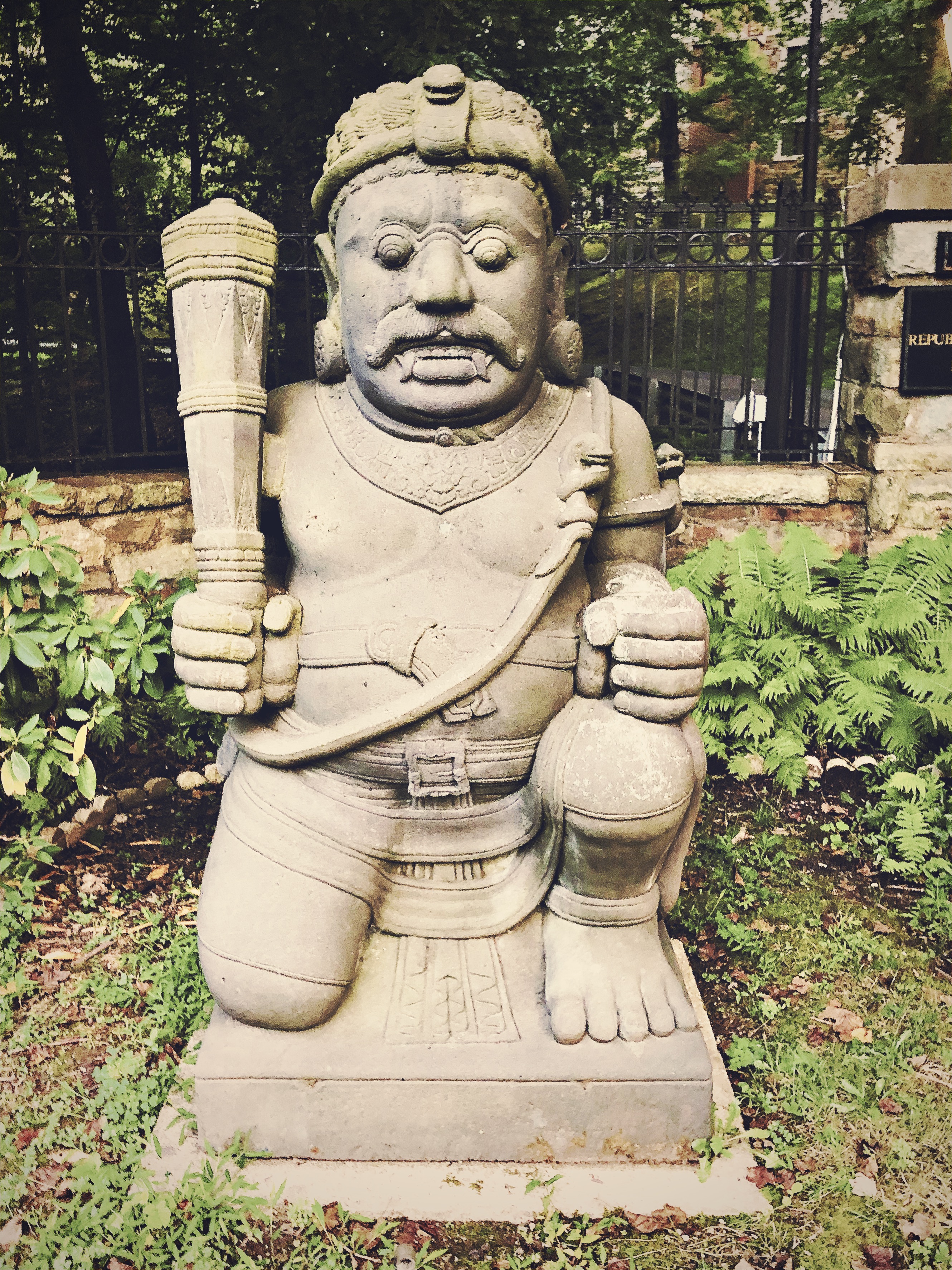
Walking up Tilden Street we passed by these two fearsome warriors, guarding the gates of the Indonesian Ambassador.
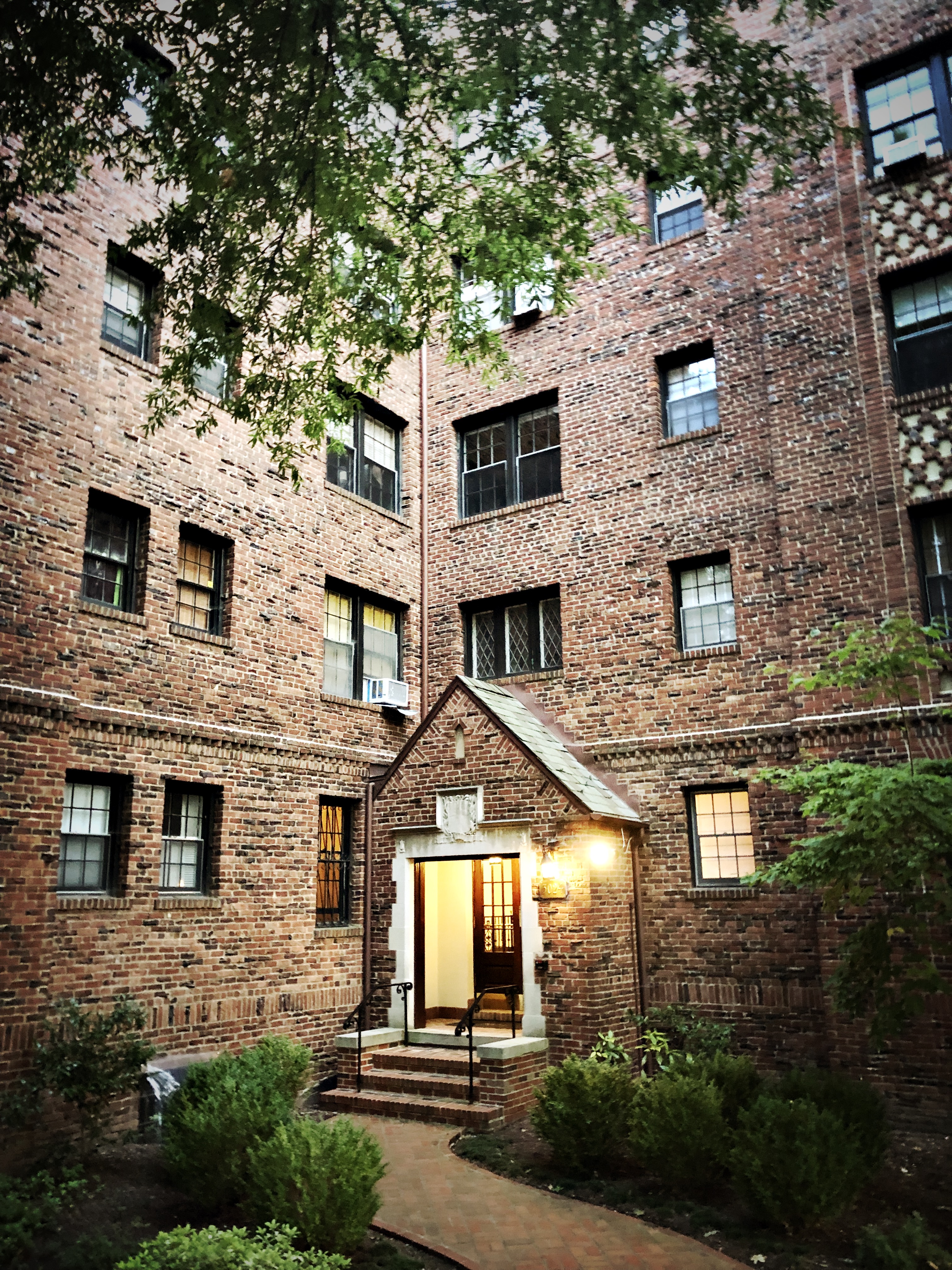
Bounded by Connecticut Avenue and Tilden and Sedgwick streets is a large traditional apartment complex that we have always had a fondness for. It sticks in Mal’s mind as a building that he remembers from his early childhood but does not know why. Perhaps, his parents had friends that lived there.
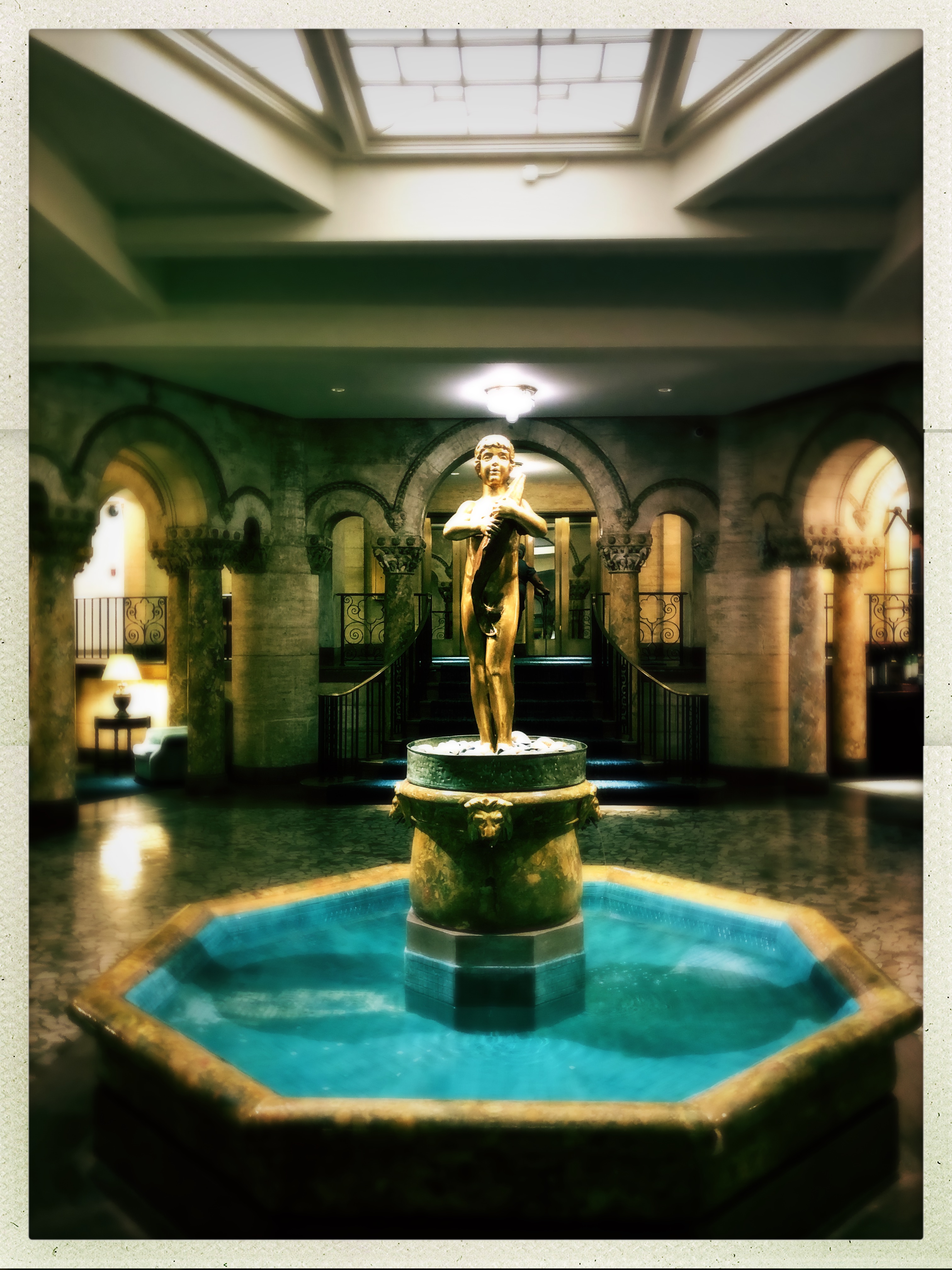
Next door, on the corner of Sedgwick and Connecticut is another beautiful, traditional apartment building, Sedgwick Gardens.
A friendly resident let us in to the building to check out its ornate lobby, complete with fountain.
As we finished up our walk, we passed one last apartment building that took our eye.
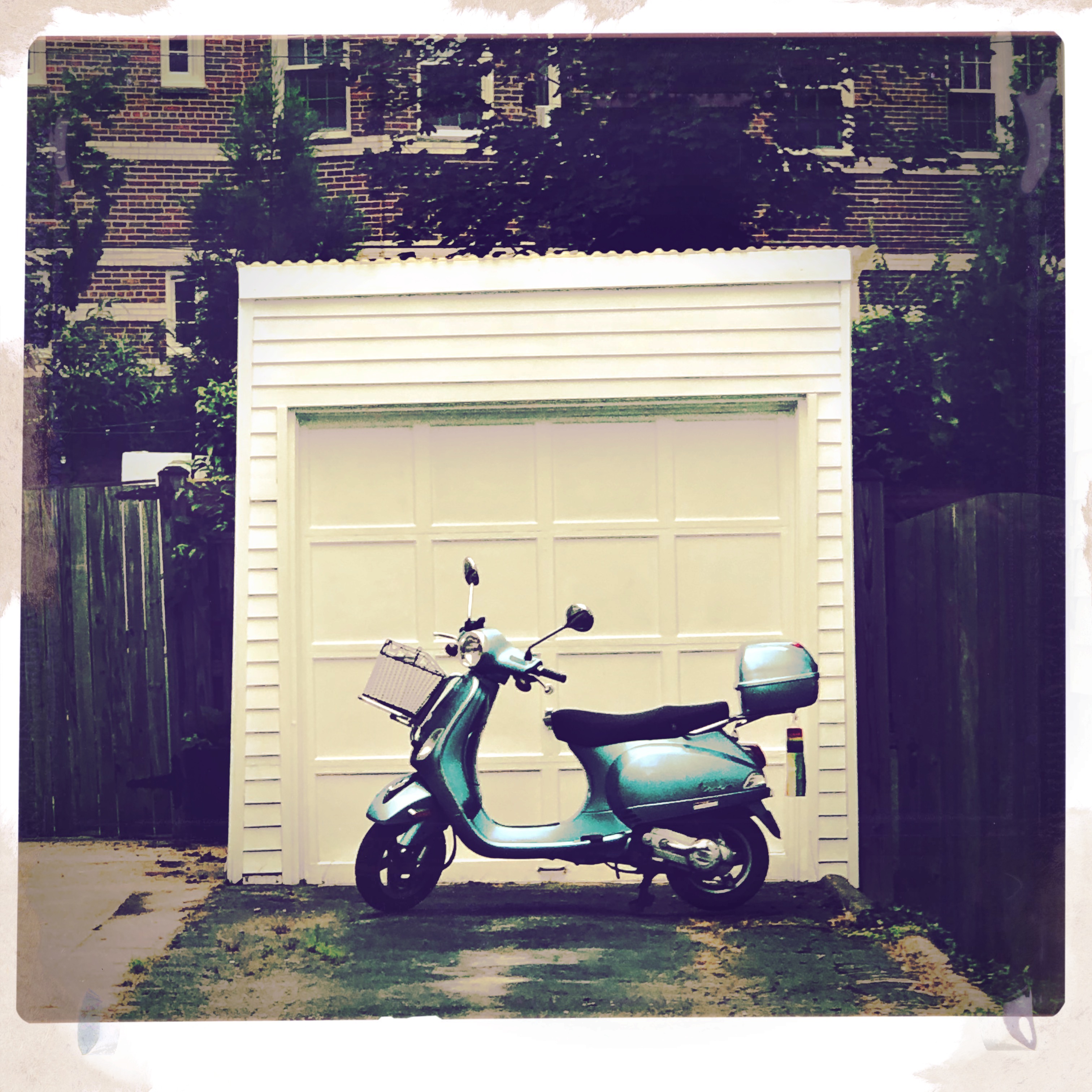
Back in Cleveland Park this evening. We were walking the east-west running streets, which made for lots of climbing hills. There were times when we wouldn’t have minded the help of this nice ride.
Down toward the bottom of Porter Street, just west of Connecticut Avenue, there is a row of small apartment buildings that we found appealing with their identical arched doorways.
We also liked this house, sitting, contentedly, between its larger neighbors.
We came across a lot of houses that sat high above the street, requiring a good workout just for the residents to get to their front door. Definitely a tough neighborhood in which to be a letter carrier.
Occasionally, during our walks, we are surprised by small cul-de-sacs, sitting, peacefully, off the larger streets with their heavier traffic.
We liked this tree, standing in the middle of the sidewalk, challenging us to pass if we can, like some giant knight of long ago.
We ventured briefly up onto Wisconsin Avenue where we stood for a while and watched a ballet class or rehearsal, taking place in the Washington Ballet studio above the Giant supermarket.
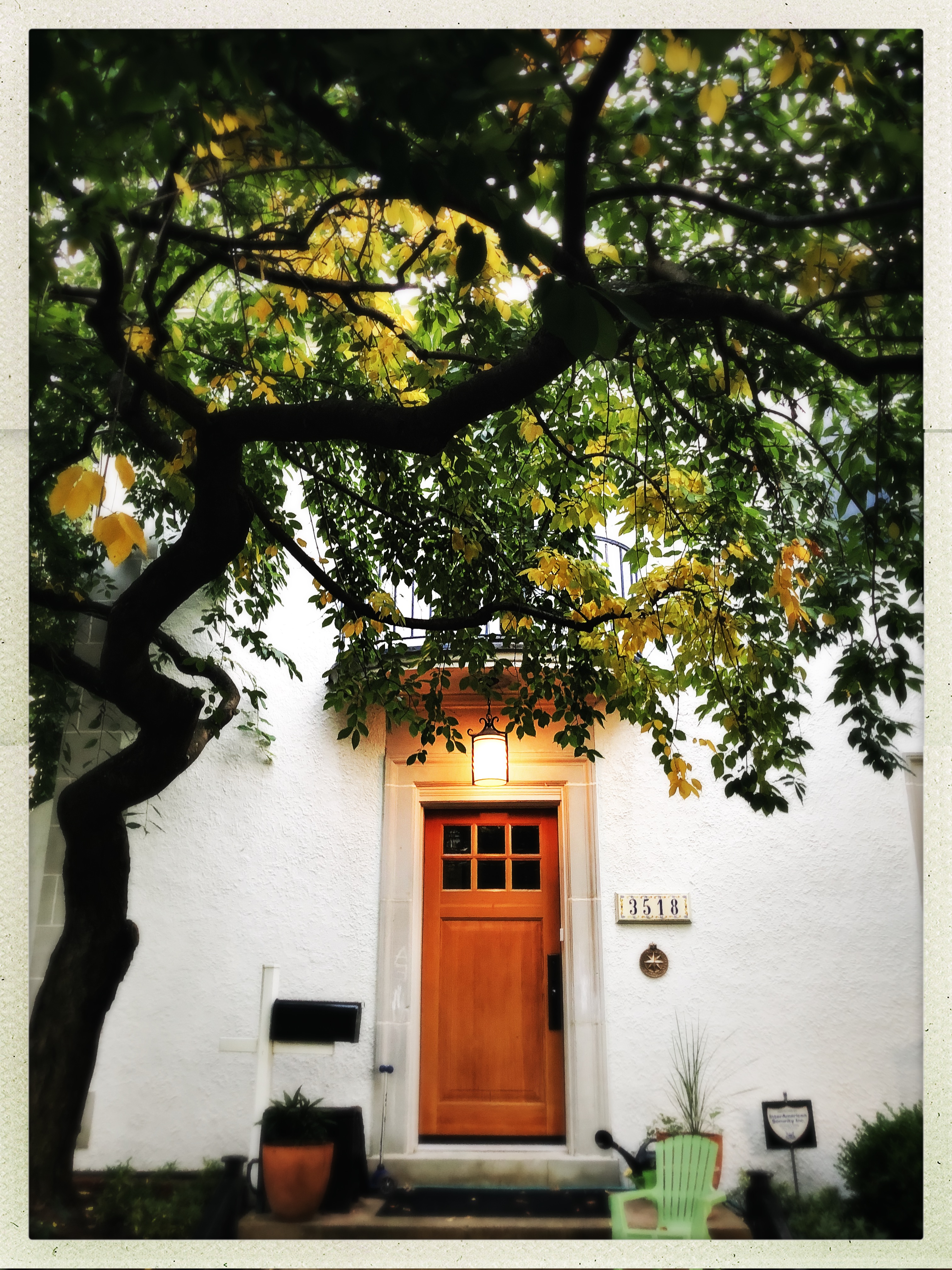
Dropping back into the neighborhood streets, we liked this house, it’s front door framed by an overhanging tree.
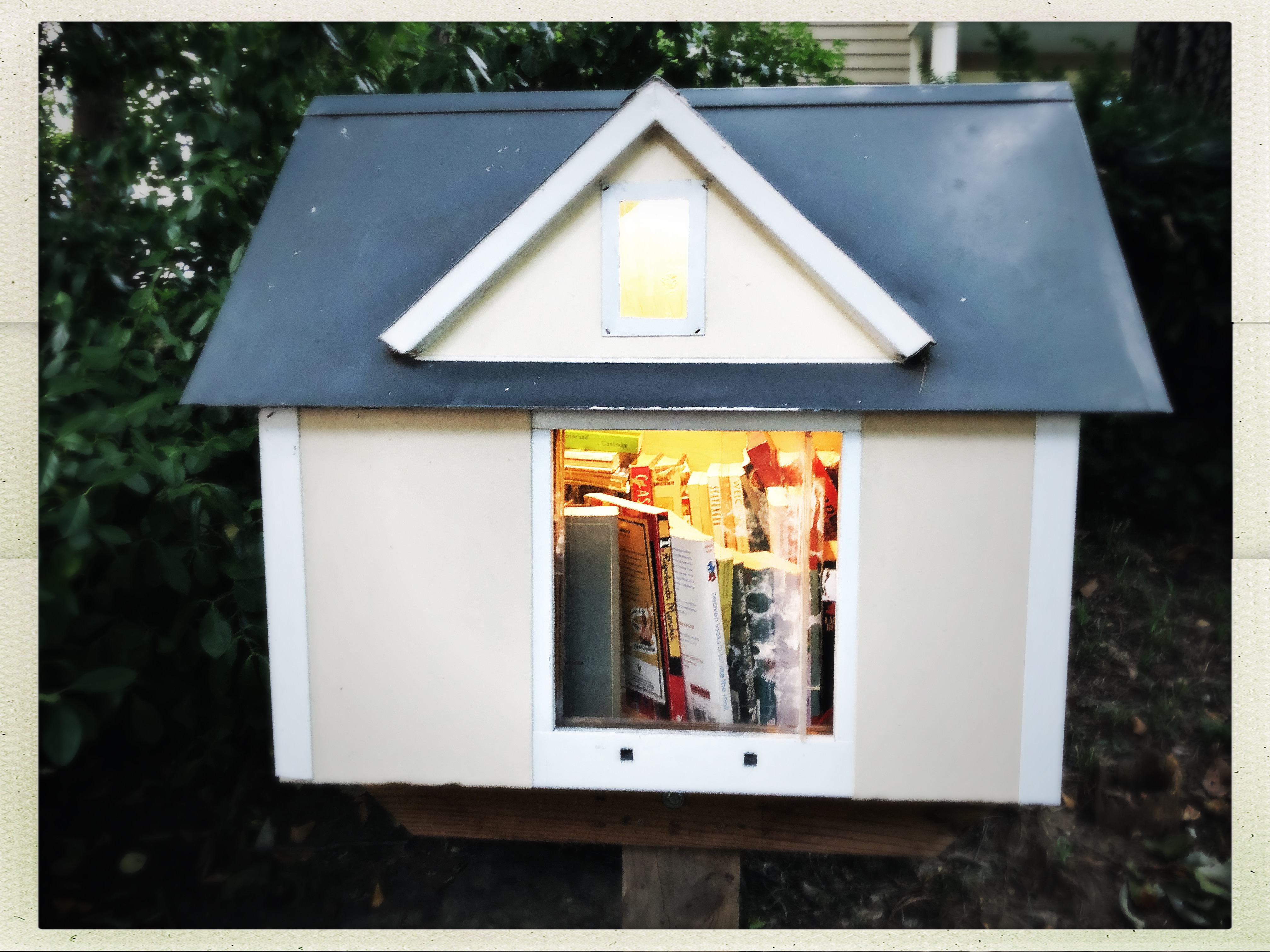
Often during our walks we have come across little lending libraries outside neighborhood houses. This was the first one with its own interior lighting.
This evening, we started our walk in Tenleytown and made our way through Cleveland Park to Cathedral Heights and the National Cathedral.
Along the way we passed the oldest house in Tenleytown built in the first years of the 1800s.
We also passed by Hearst Elementary School. Hearst, with just over 300 students, is named for Phoebe Hearst. Hearst (1842-1919) was an American philanthropist, feminist and suffragist. She was married to George Hearst, a wealthy miner (depicted not kindly in the HBO show, Deadwood) who became a U.S. Senator, bringing her to Washington. She was also the mother of William Randolph Hearst, the famous newspaper man. As a philanthropist, she was primarily involved in education. She was a major benefactor of the University of California, Berkeley, serving as its first female regent. She also contributed to the establishment of the National Congress of Mothers which eventually became the National PTA and helped start numerous free kindergartens throughout the United States. Hearst Elementary is not the only local educational link to Hearst. In 1900, she founded the nearby all girls National Cathedral School, which sits opposite the National Cathedral.
Hearst Elementary School
We loved this place with its beautiful front door.
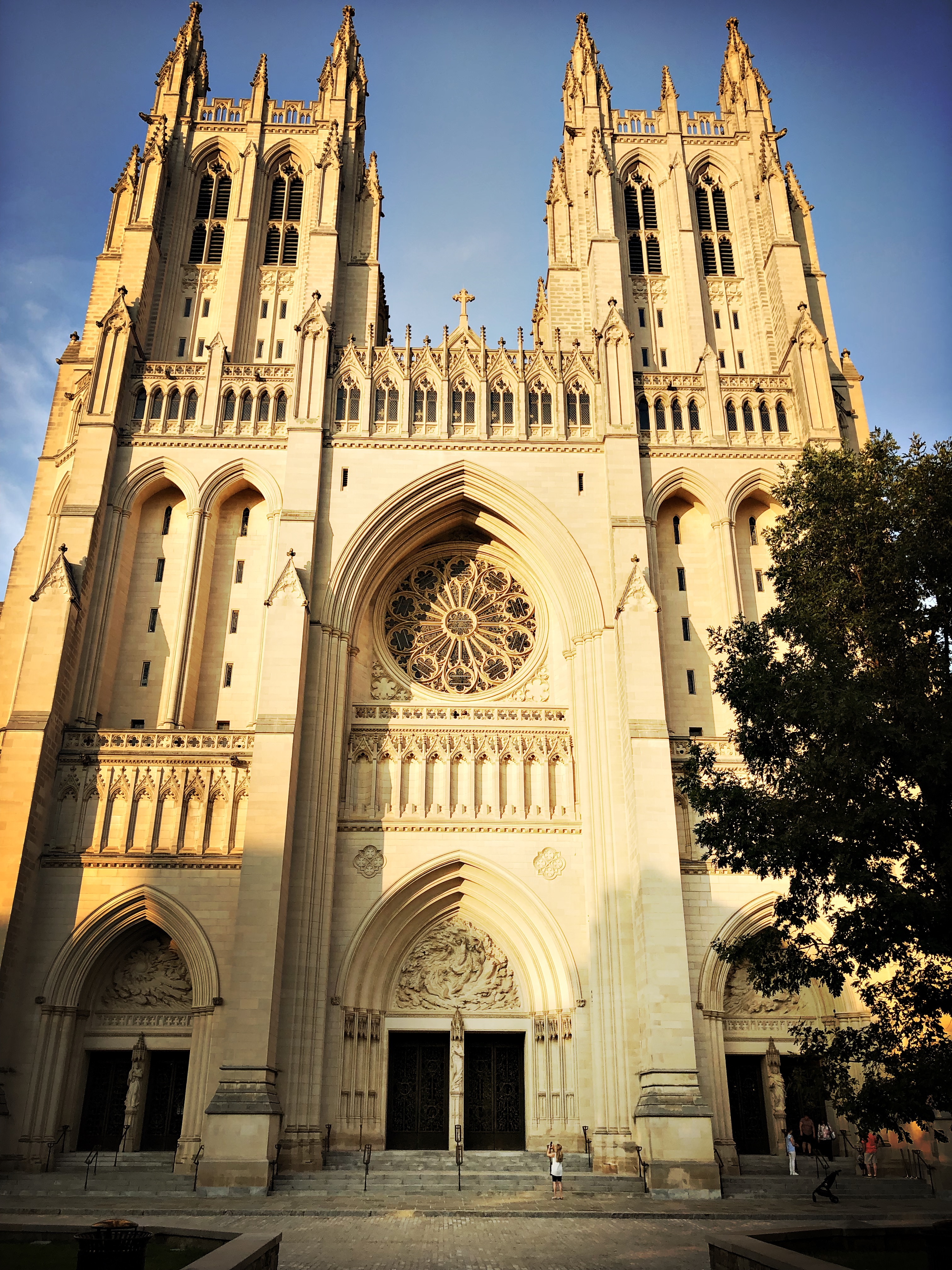
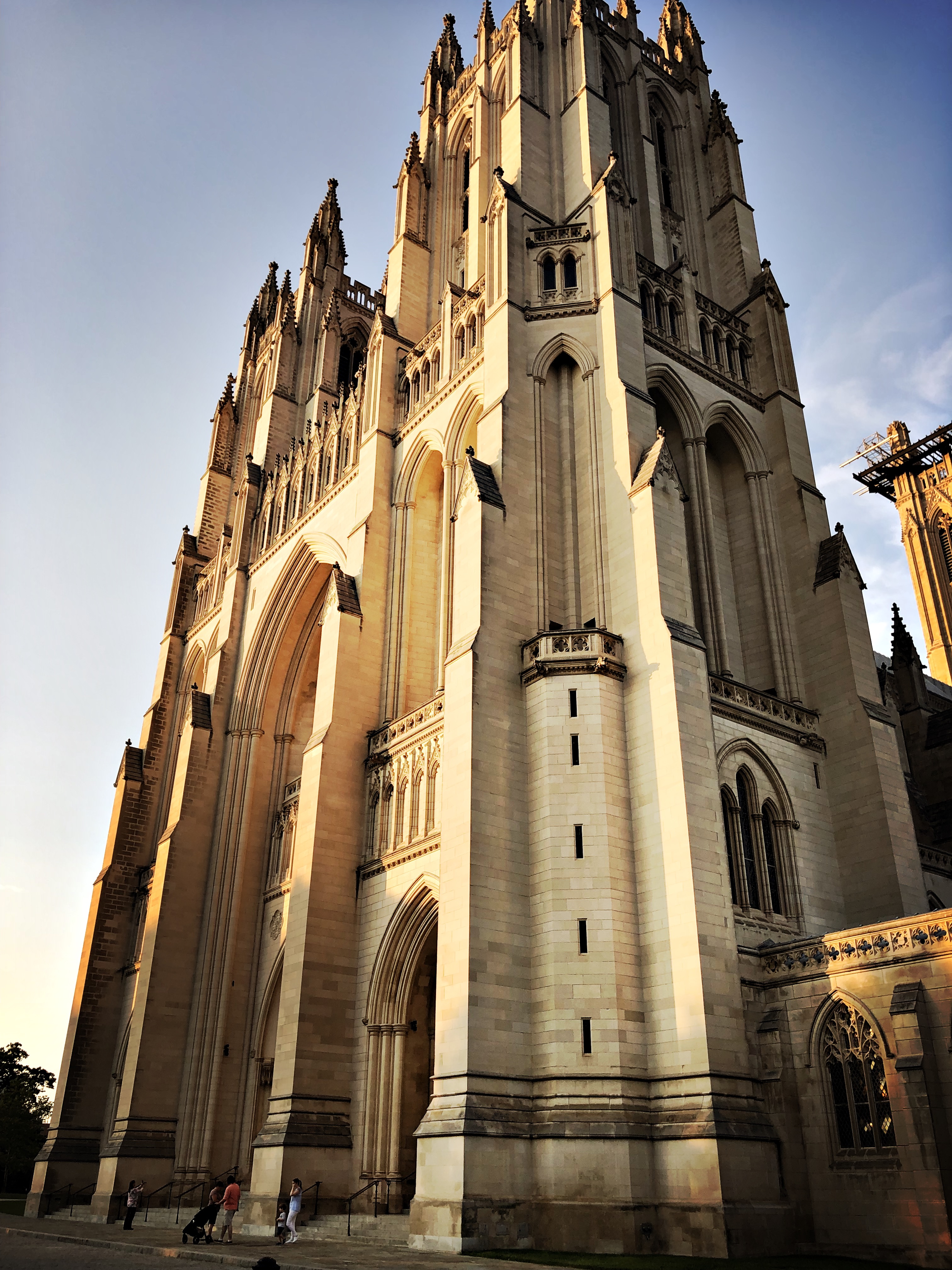
It was a perfect time to visit the National Cathedral, glowing in the late afternoon sun.
The Cathedral Church of Saint Peter and Saint Paul in the City and Diocese of Washington, better known as the Washington National Cathedral is a neo-gothic cathedral of the Episcopal Church. Construction began in 1907 and wasn’t completed until 1990.
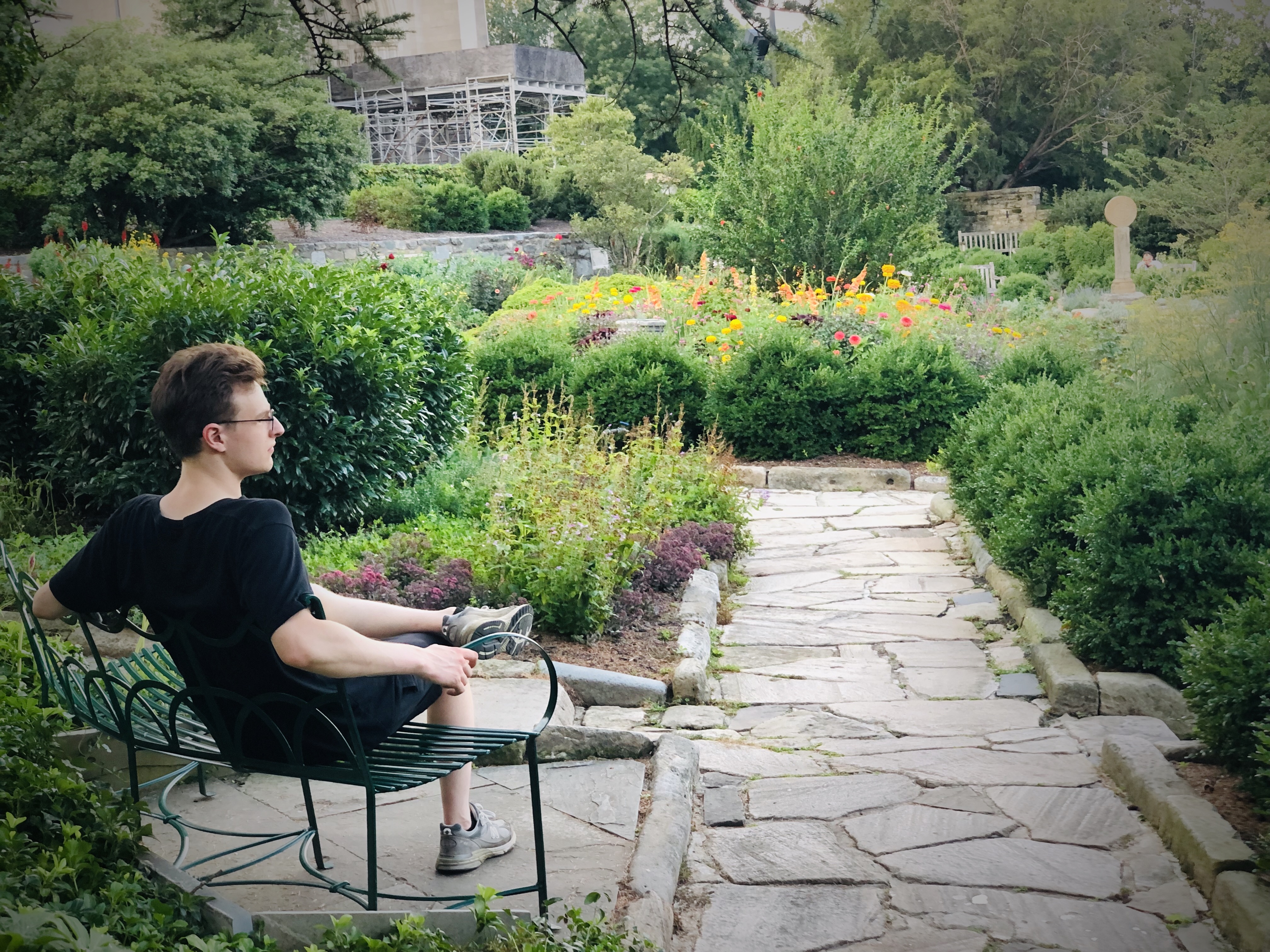
On the grounds of the Cathedral is the beautiful Bishop’s garden. It is one of the most tranquil spots in Ward 3.
The arch at the entry to the Bishop’s Garden is a favorite with District wedding photographers.
And a great place to sit and contemplate
The view from the garden to the cathedral is spectacular
There is also a wonderful gazebo with great views and a gorgeous brick tile floor.
One of the other beautiful buildings on the Cathedral grounds
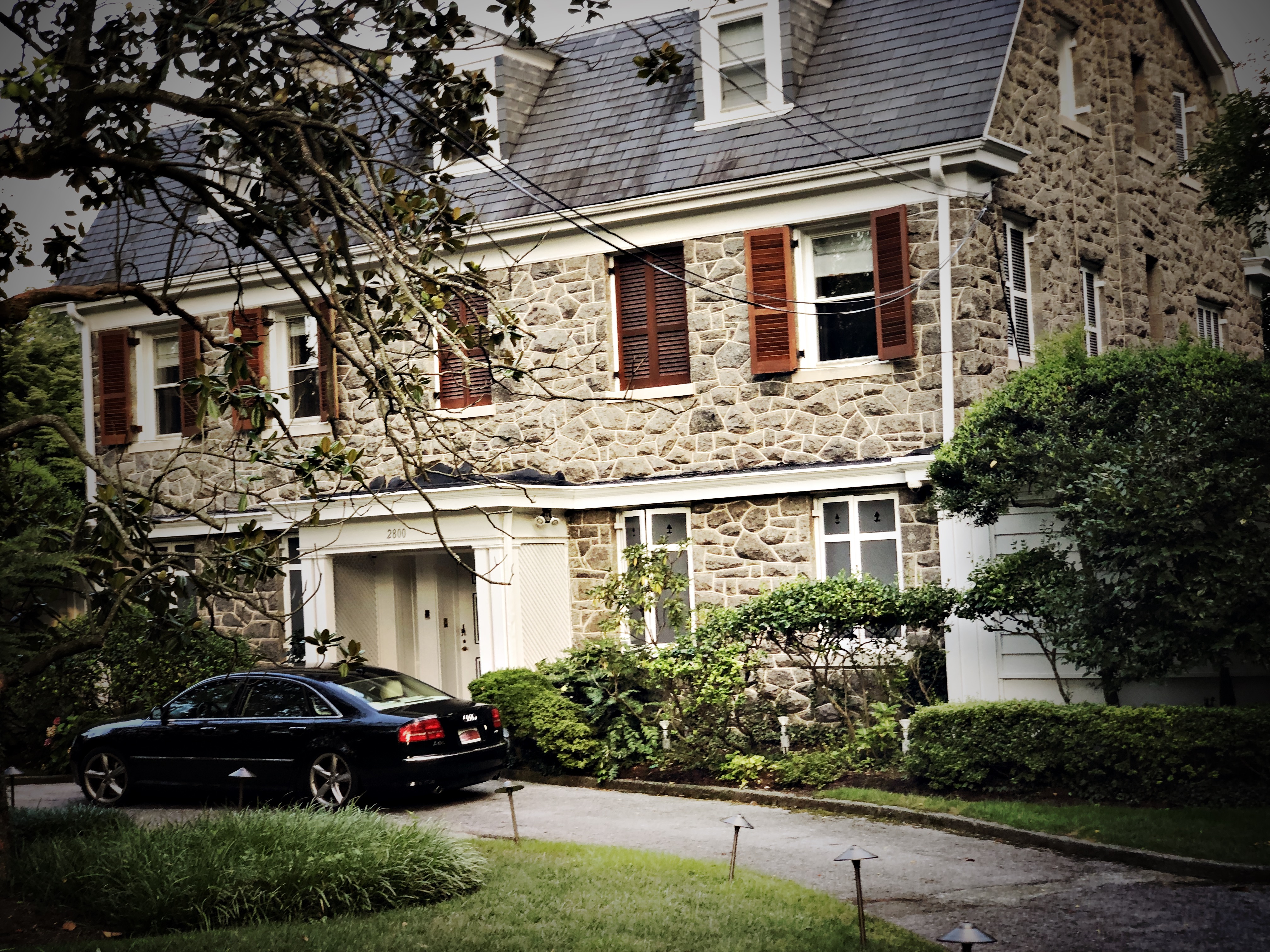
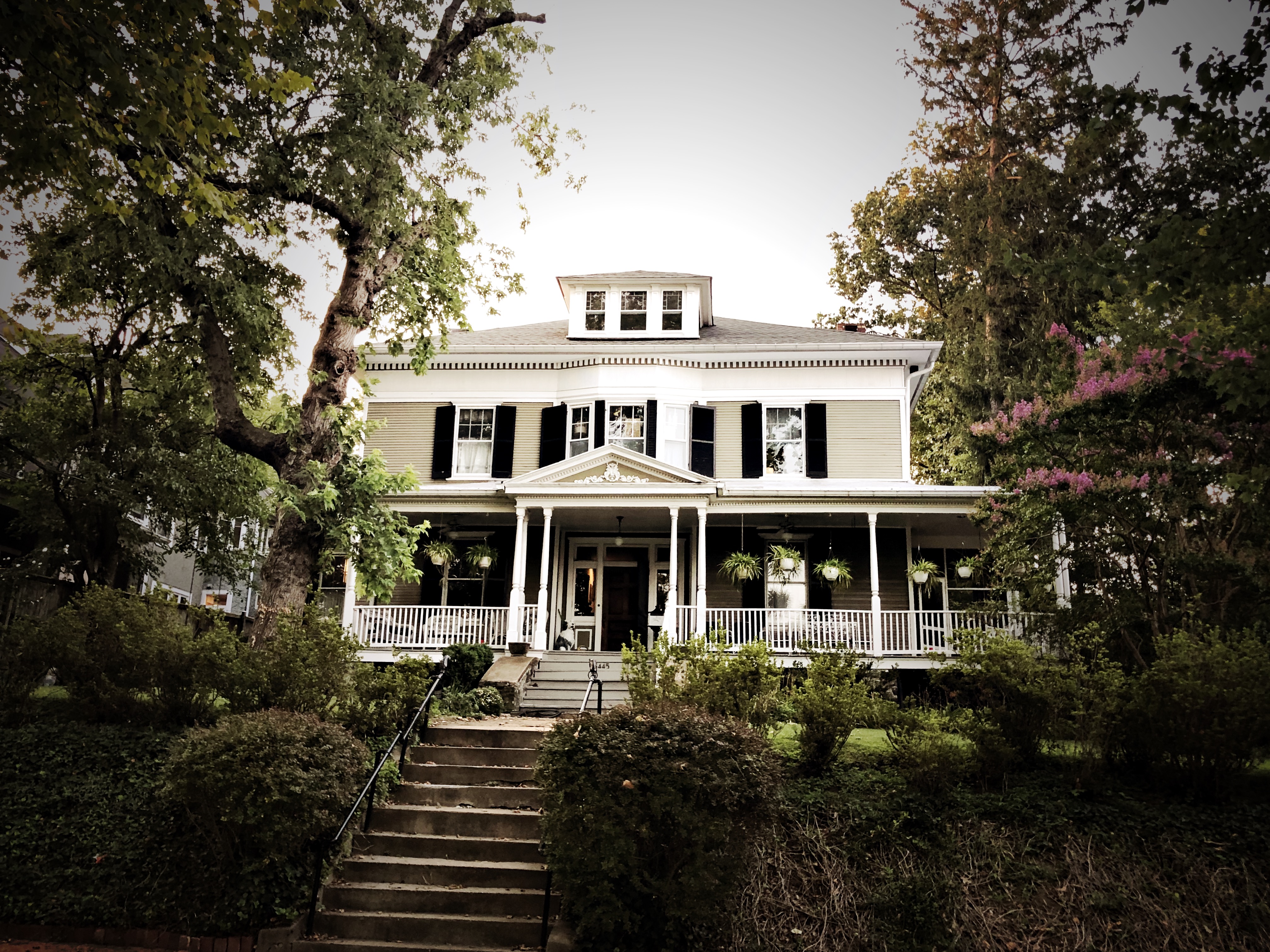
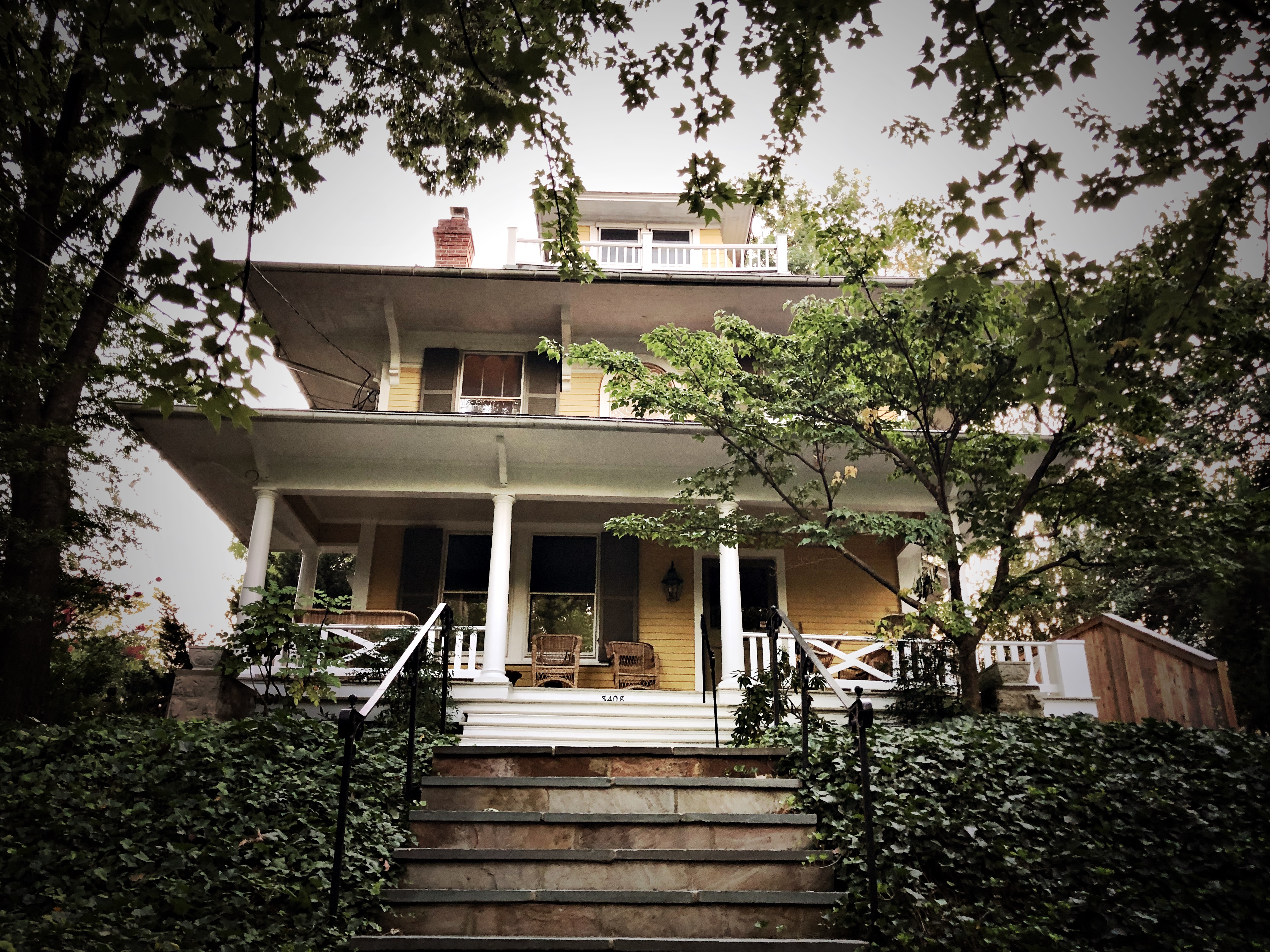
Walking back through Cleveland Park we passed by many large and beautiful homes. Here are a few.
Back on Wisconsin Avenue we liked this mid-century modern office building.
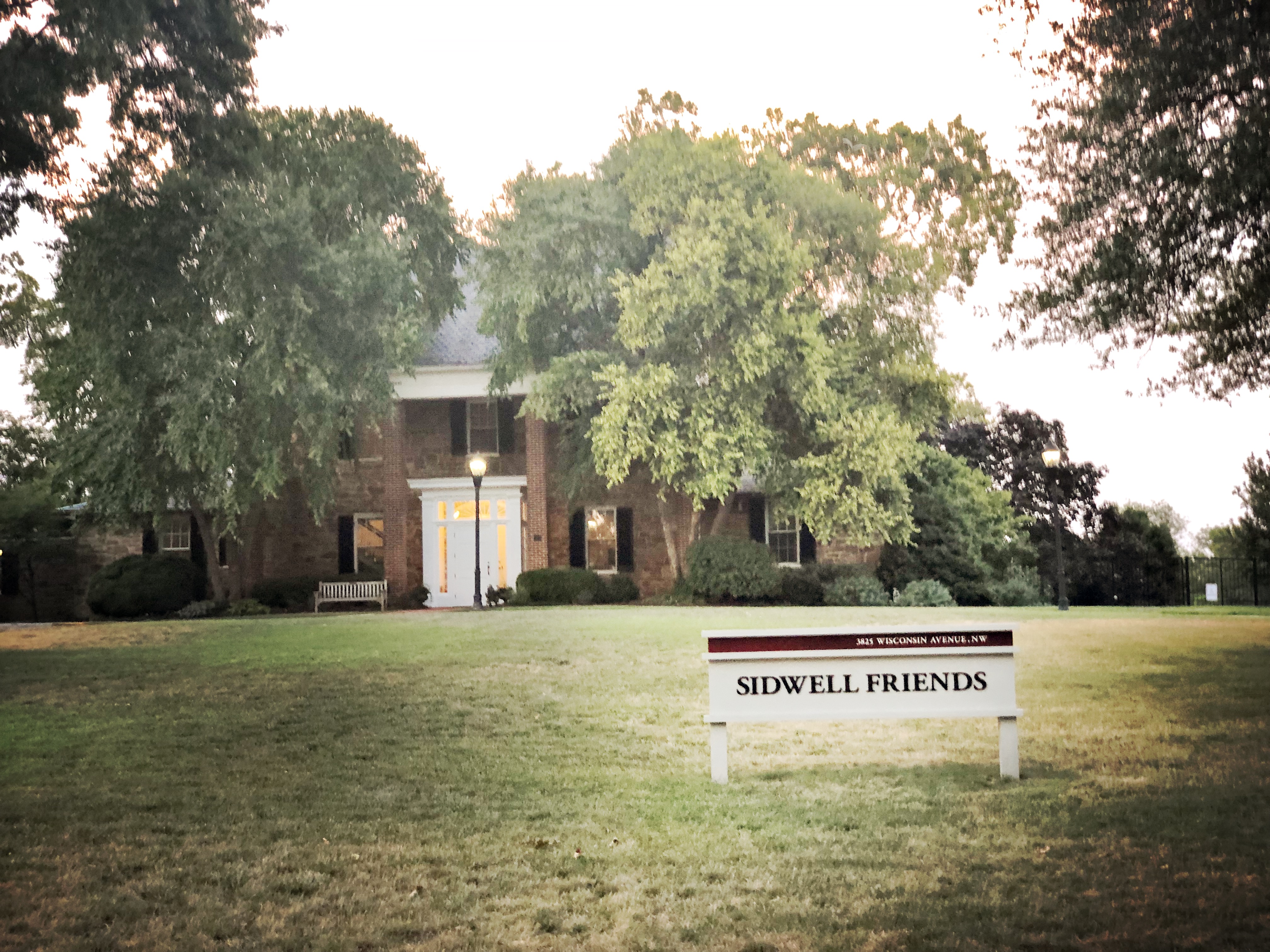
Further up Wisconsin Avenue we passed by Sidwell Friends School. Sidwell is a well-regarded private school that has educated the children of many prominent politicians, including a number of Presidents. Both Obama daughters attended the school, as did Chelsea Clinton. It is a quaker school, which we guess, is reflected in the low key school sign in the photo below. The house, itself, known as the Highlands, was built between 1817 and 1827 by the Nourse family, prominent Washingtonians whose friends included Dolly Madison and Thomas Jefferson. Prior to becoming administrative offices for the school, the house was home of a number of Washington high flyers, including Admiral Grayson, President Wilson’s personal doctor, and Allen Dulles, the first Director of the CIA.
Arriving back in Tenleytown, we saw and heard a number of fire trucks heading out with lights flashing and sirens blaring. So by the time we wandered by the back of the Tenleytown Firehouse a minute later, we found it empty and silent.
On another hot muggy evening we headed out once again into Wakefield. We found this hidden, serene park tucked in behind the Austrian Embassy on the corner of 36th and Yuma.
During our walk we found some sedate streets
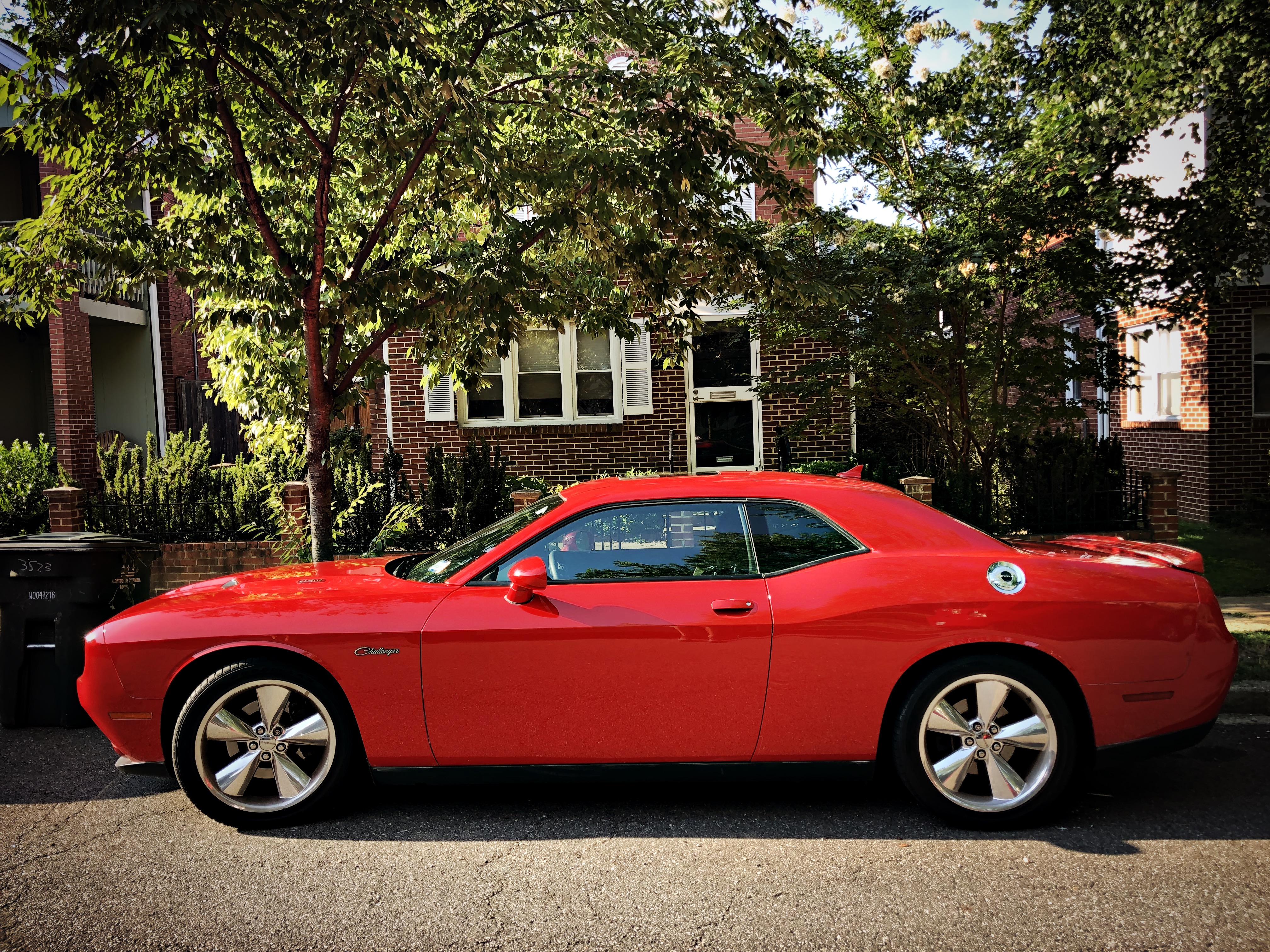
and one less than sedate car
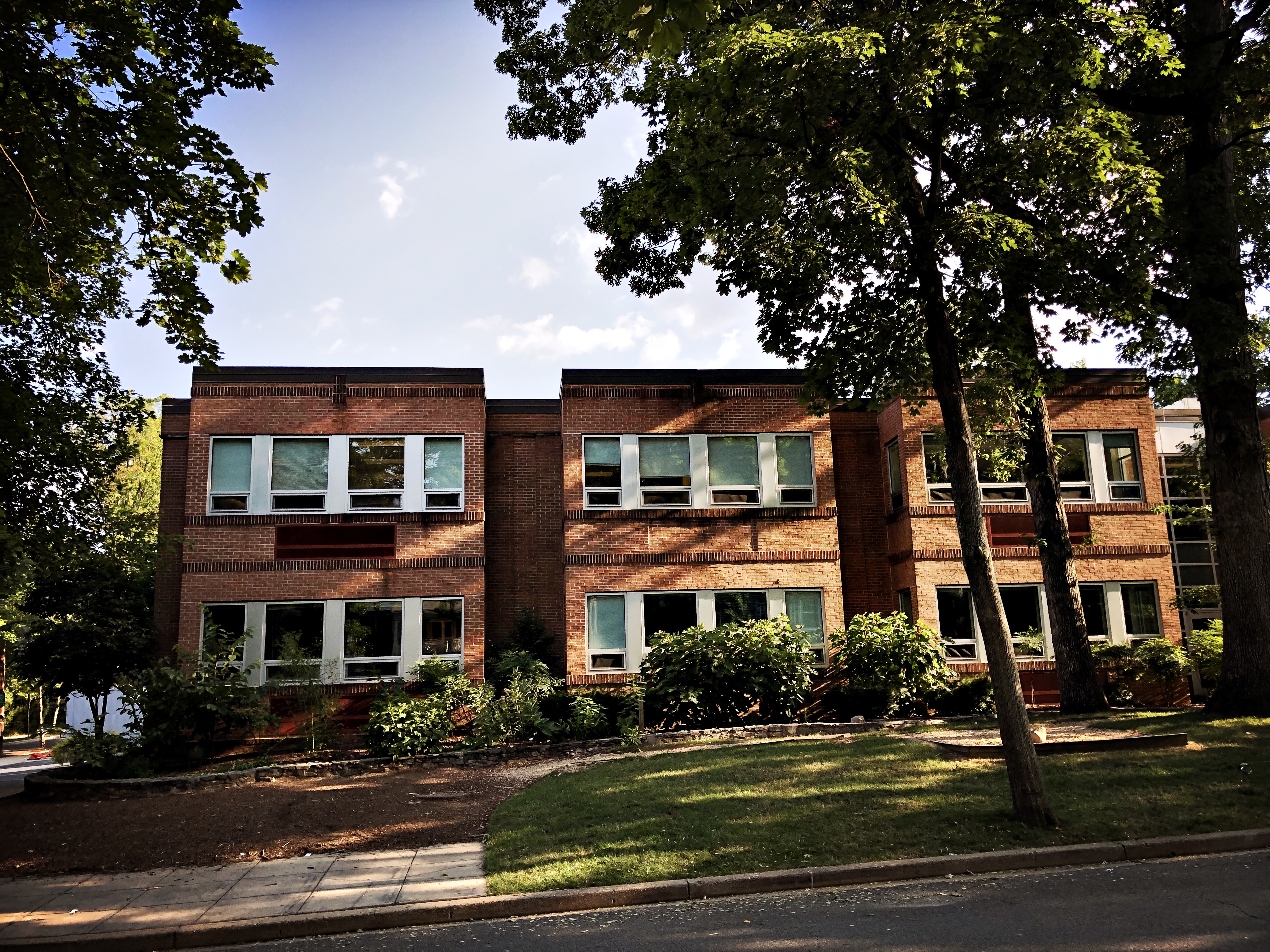
We liked these Sheridan school buildings
Sheridan is a private, progressive school with around 200 students from kindergarten to grade 8. The school was founded in 1927 but has been in its current location since 1963. There is a year round farmers’ market at the school on Saturdays from 8 am to 1 pm (9 am to 1 pm during the winter) . During the Summer there is also a market on Tuesday afternoons from 3-7 pm.
We headed back for another day walking in Wakefield. We came across some very pretty houses, including this one with its shingles and stained beams.
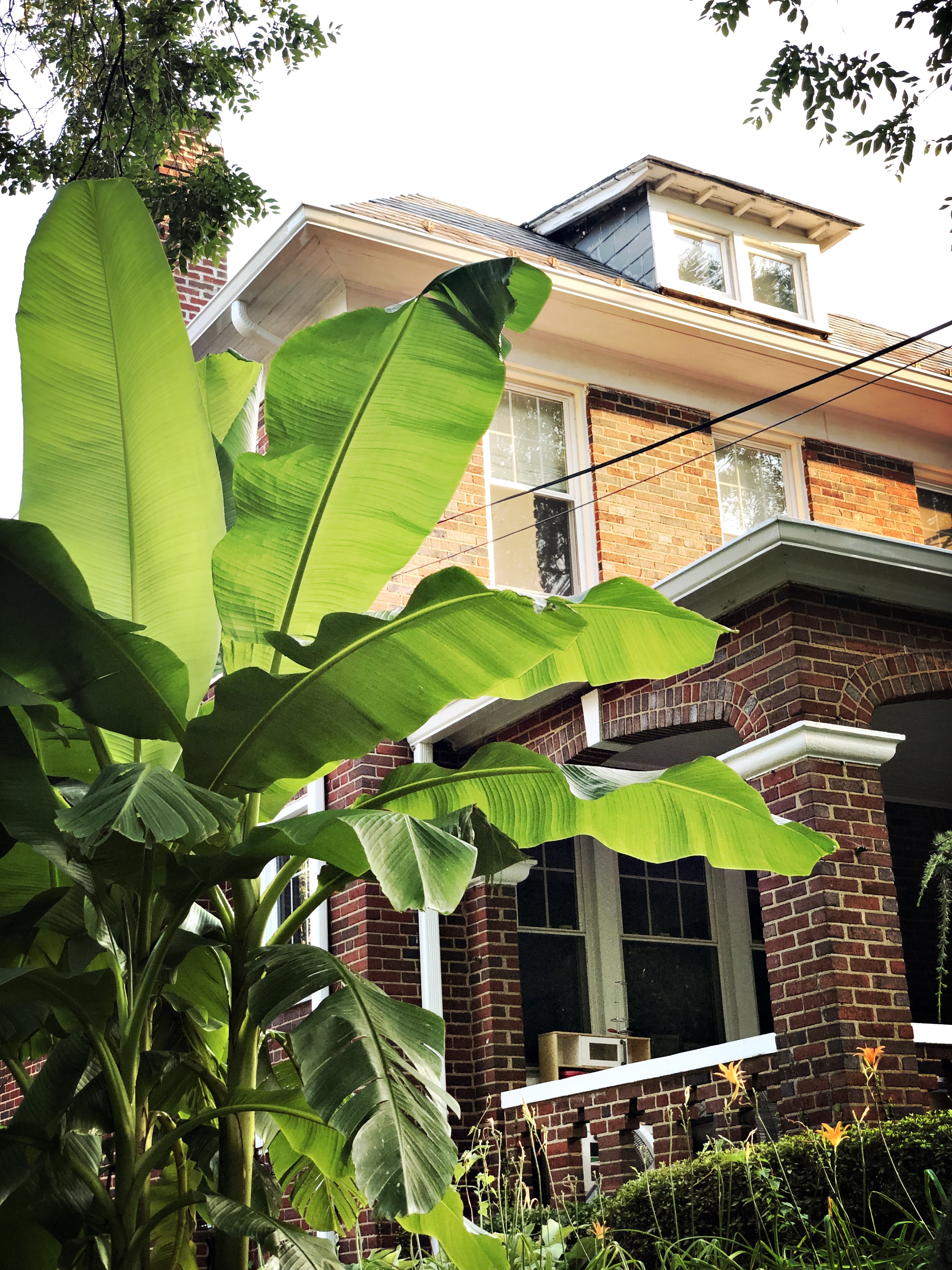
Some places made us feel like we were somewhere more tropical.
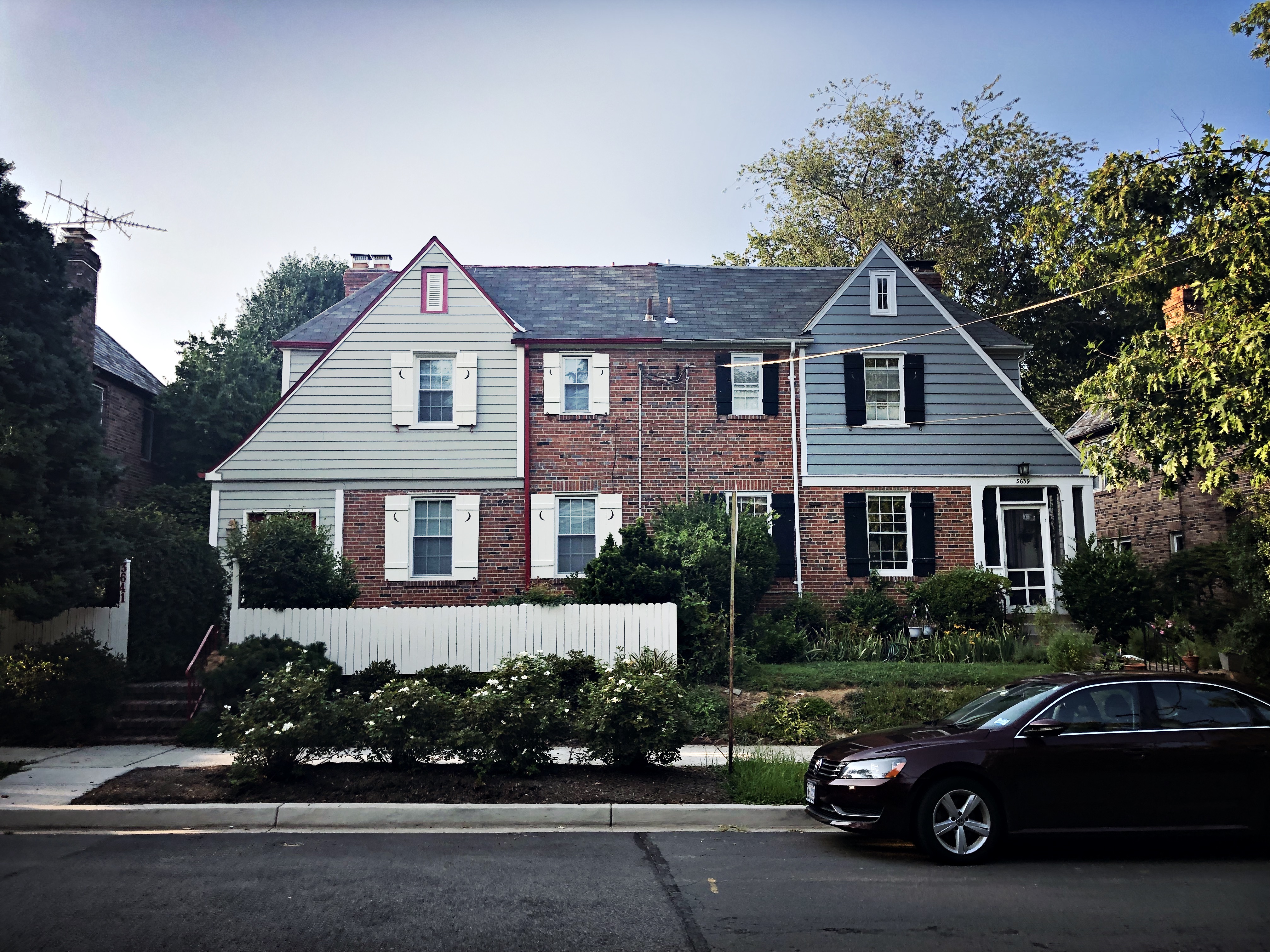
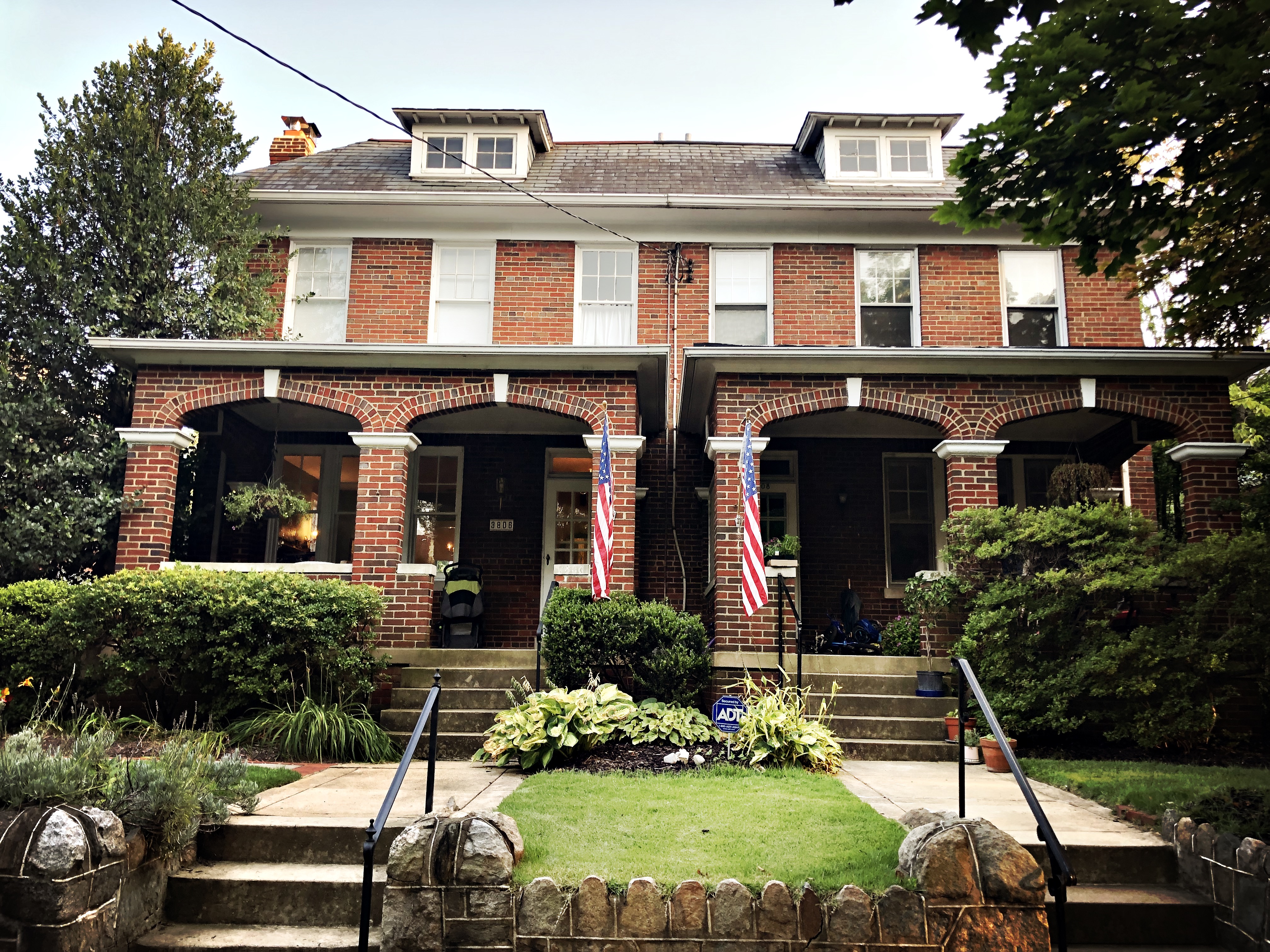
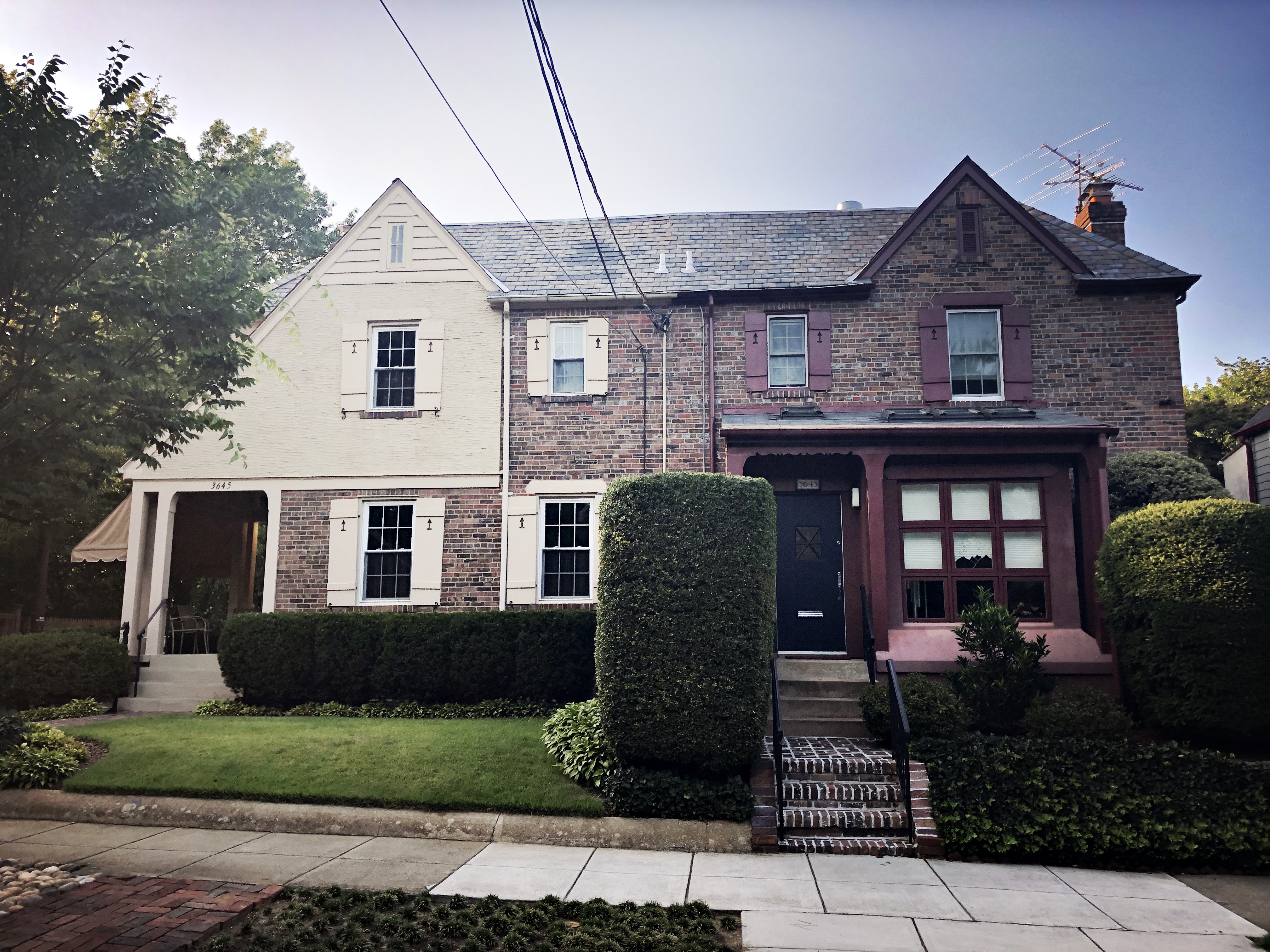
There were also some very cool semi-detached places in all different styles.
We passed by Tenleytown institution, Camillo’s barbershop. Above Camillo’s is a dance studio where Lauren spent many happy hours in the 1990s studying and teaching Synergy dance.
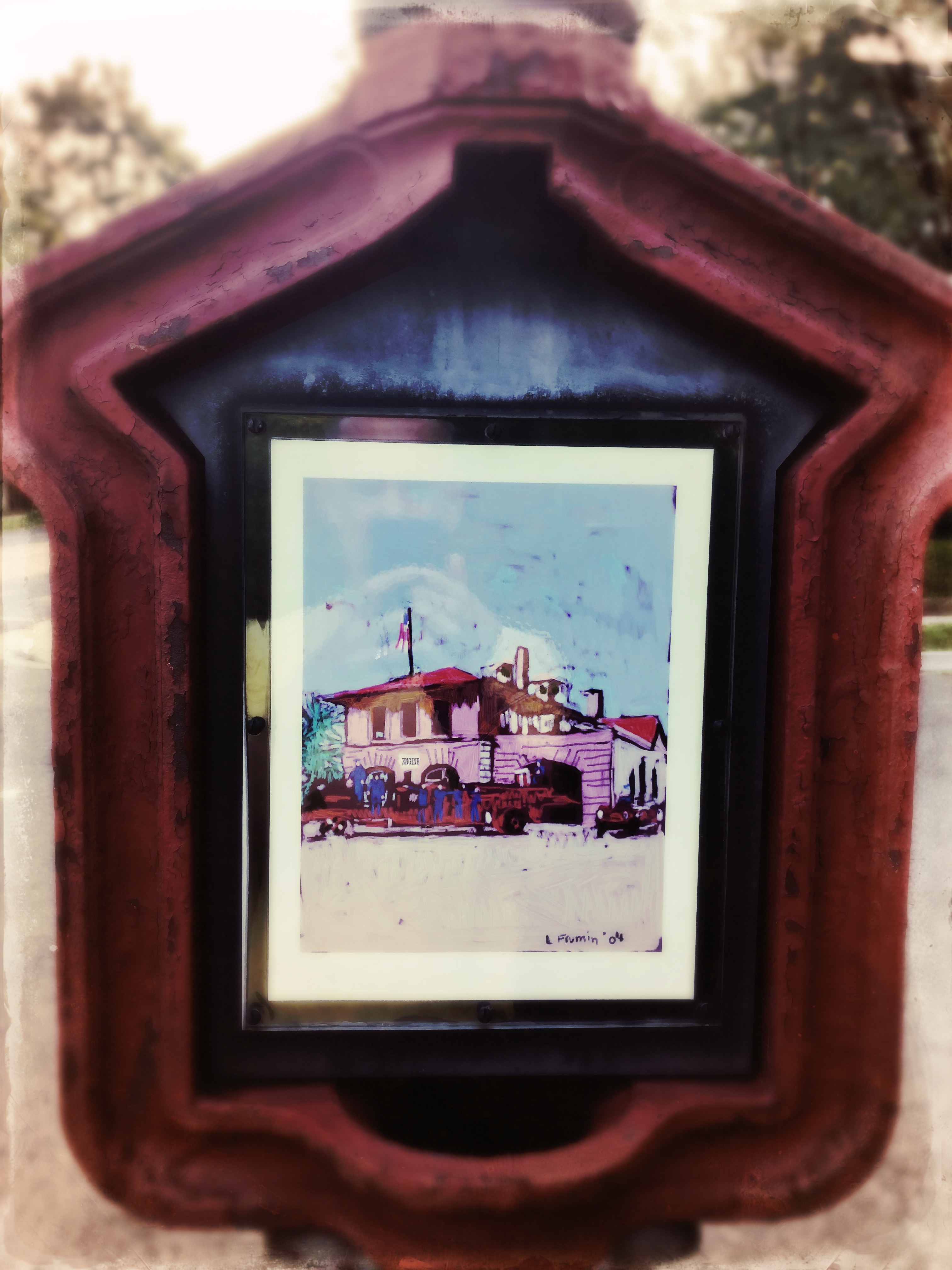
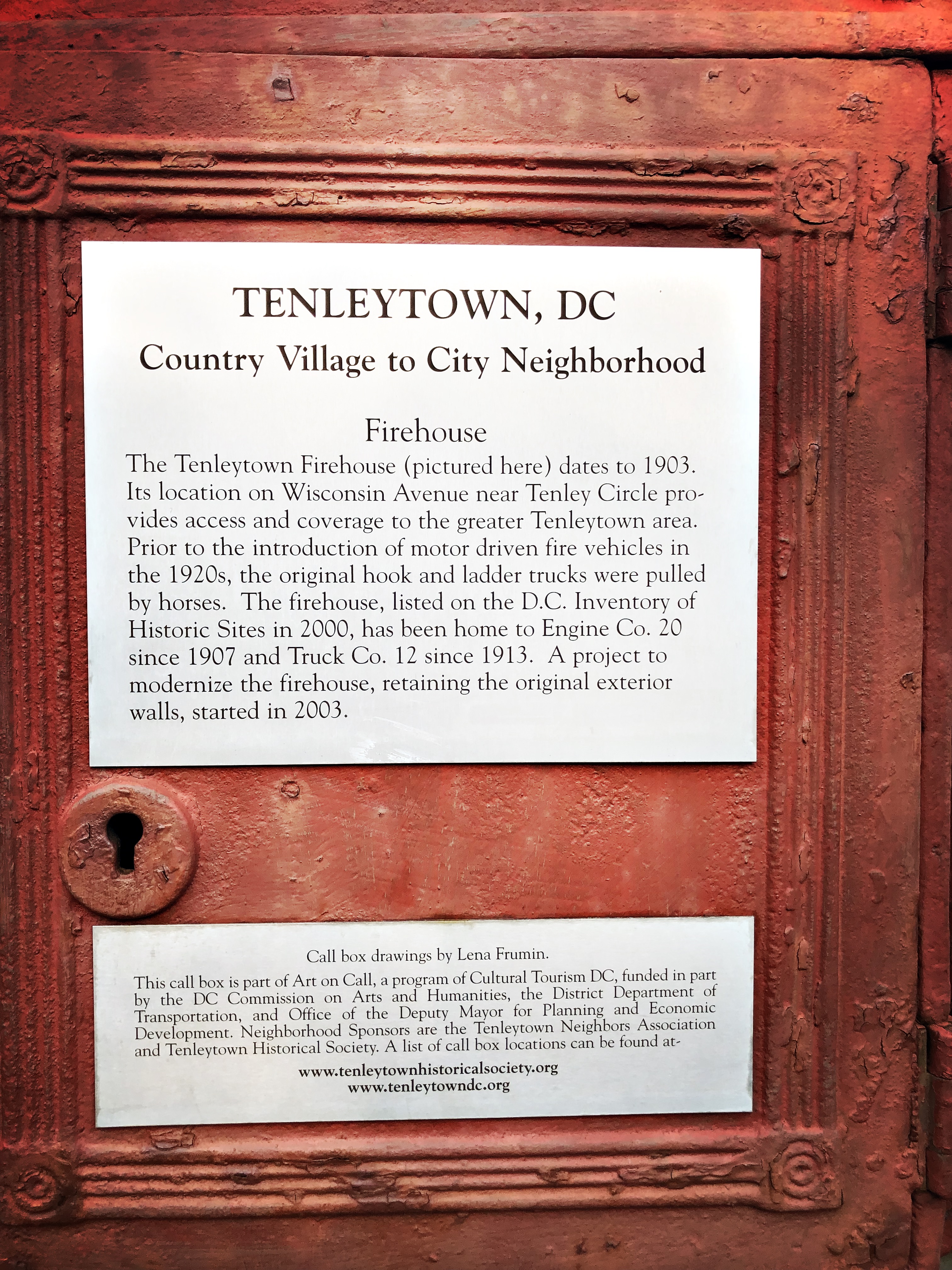
Here is another example of a call box used for artistic and historical purposes. This one depicts the Tenleytown Firehouse built in 1903.
As you can see from the following photo, the Firehouse has since expanded, undergoing a renovation in the early 2000s.
Tenleytown Firehouse
We loved this gothic-style gate.
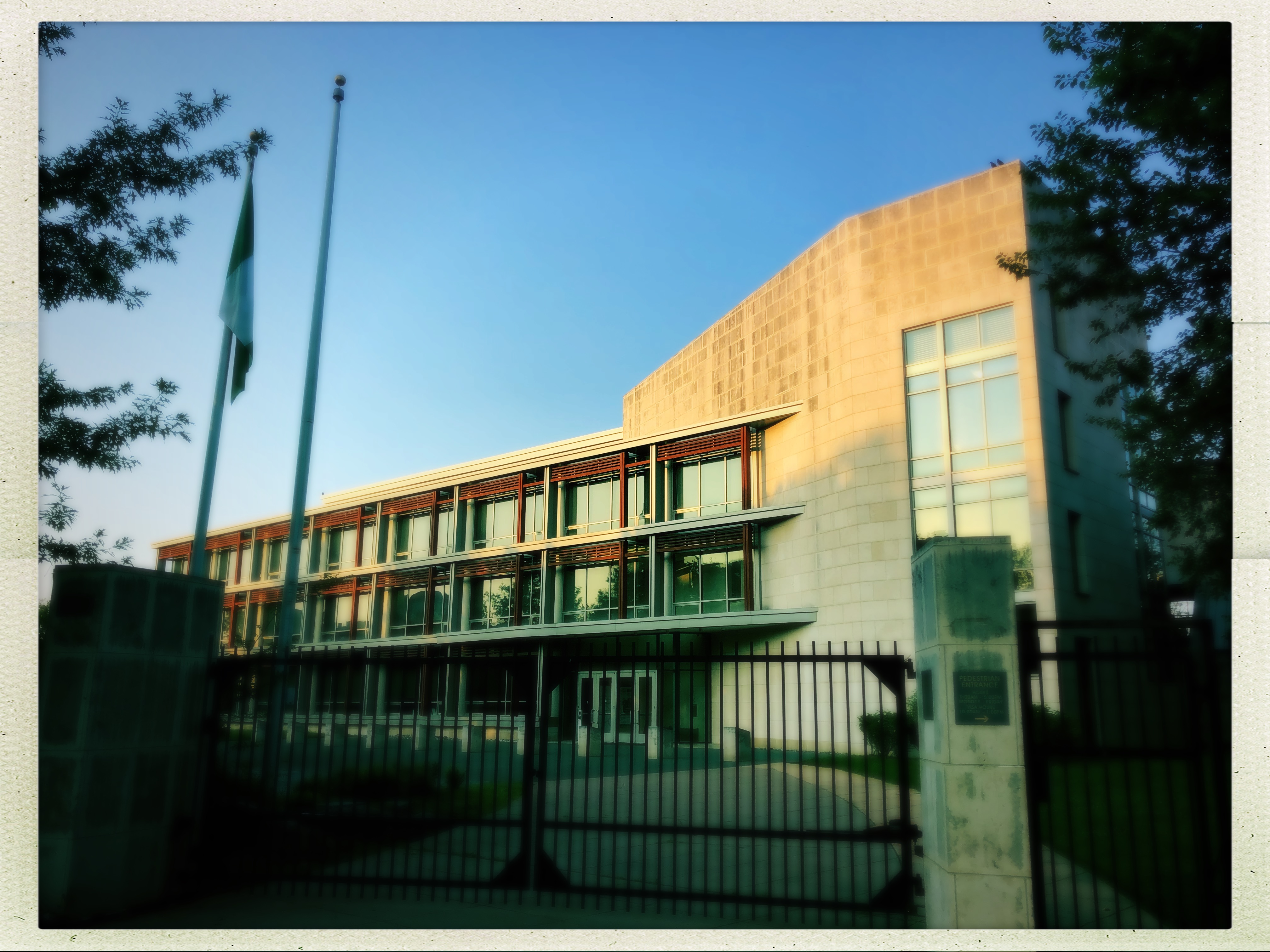
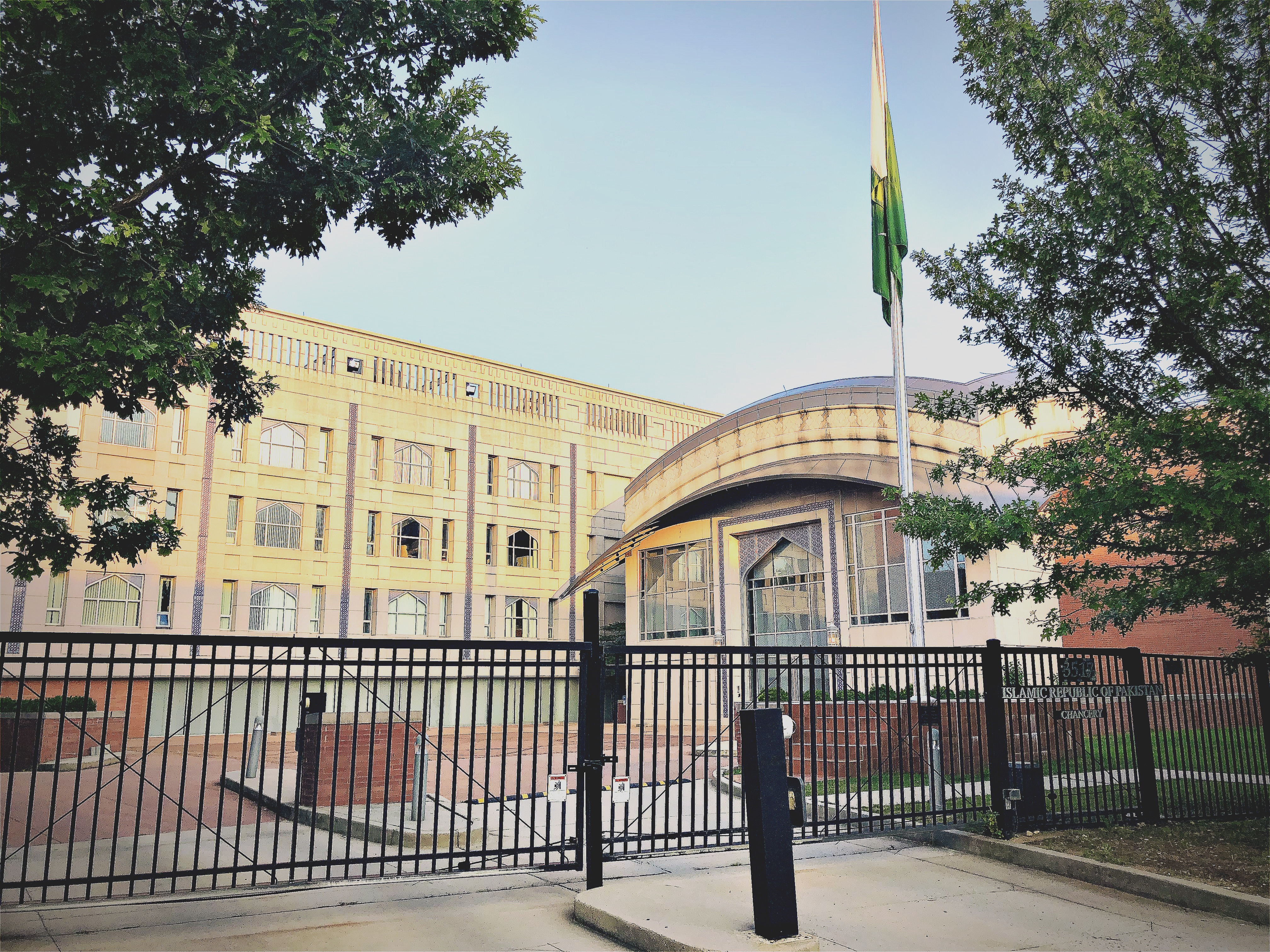
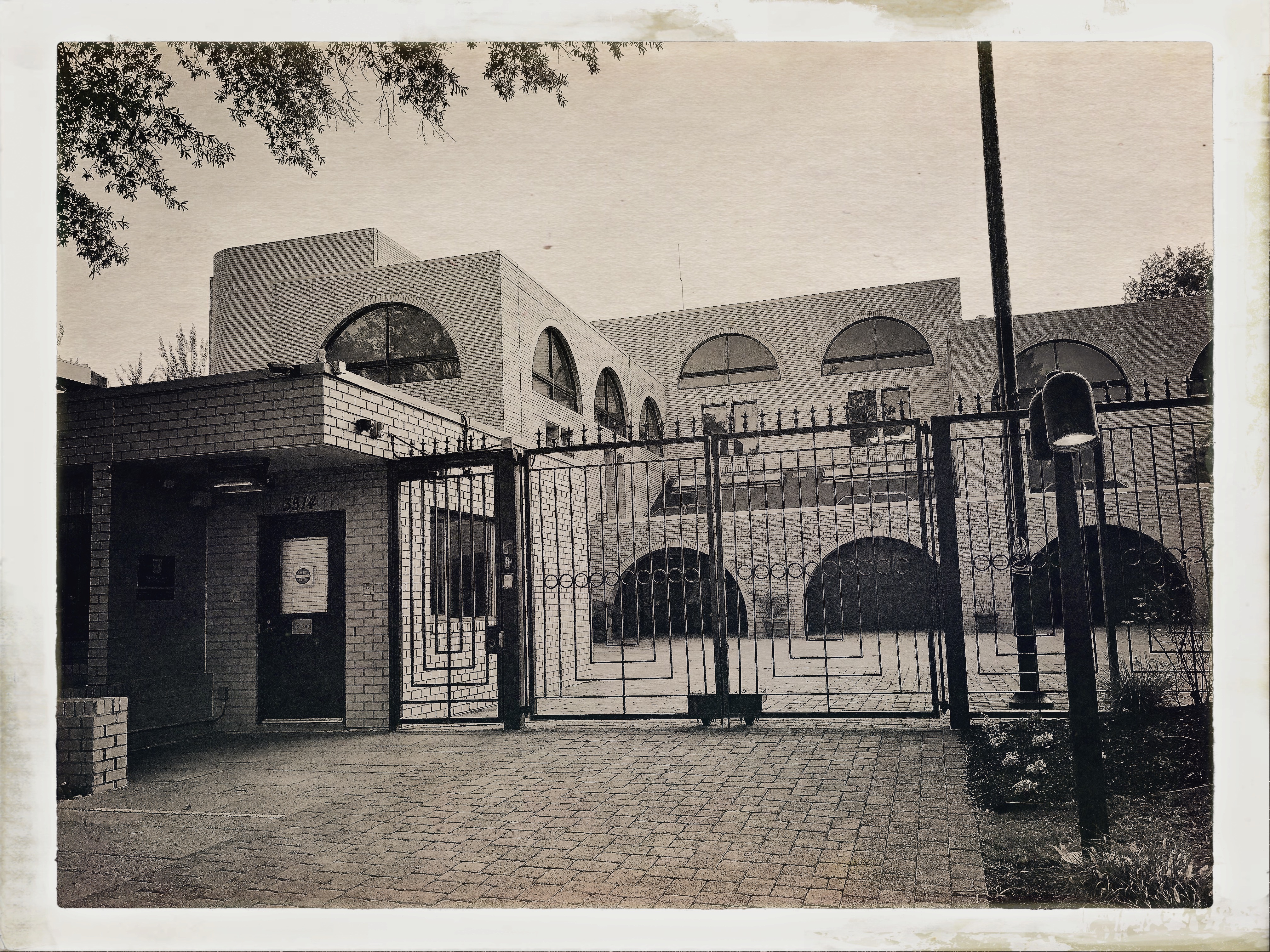
Between Reno Road and Connecticut Avenue and bisected by Van Ness Street is an area consisting almost entirely of embassies. Here are many of them.
United Arab EmiratesEgyptSlovakiaAustriaBruneiNigeriaPakistanIsraelMoroccoEthiopiaChinaBahrainSingapore
Tucked in among the embassies is International Park. Sitting in the park is an unassuming apple tree that is a direct descendant of the original apple tree at Woolsthorpe Manor House, where, legend has it, a young Isaac Newton was sitting, when an apple fell on his head, prompting him to come up with the law of gravity. Irvine Gardner, a scientist with the National Bureau of Standards, acquired four cuttings from the original tree and decided to plant one near his workplace. The land where the tree stands was previously occupied by the National Bureau of Standards. Because the tree is rooted from a cutting rather than propagated from a seed, it’s a genetic clone and is thus a direct descendant.
The Newton Apple TreeA Newton apple. Was this like the one that fell on Sir Isaac’s head?
Sitting on the corner of Connecticut Avenue and Van Ness Street is a building, designed by Australian architect, John Andrews, that was formerly the headquarters of the International Telecommunications Satellite Organization (Intelsat). The building was completed in the 1980s. Currently, it is being transformed by architect Renzo Piano, at a reputed cost of $187 million into a campus for the Whittle School. The concept behind the school is to provide a single school for pre-K through grade 12 students with campuses around the world. A second campus is due to simultaneously launch in Shenzhen, China.
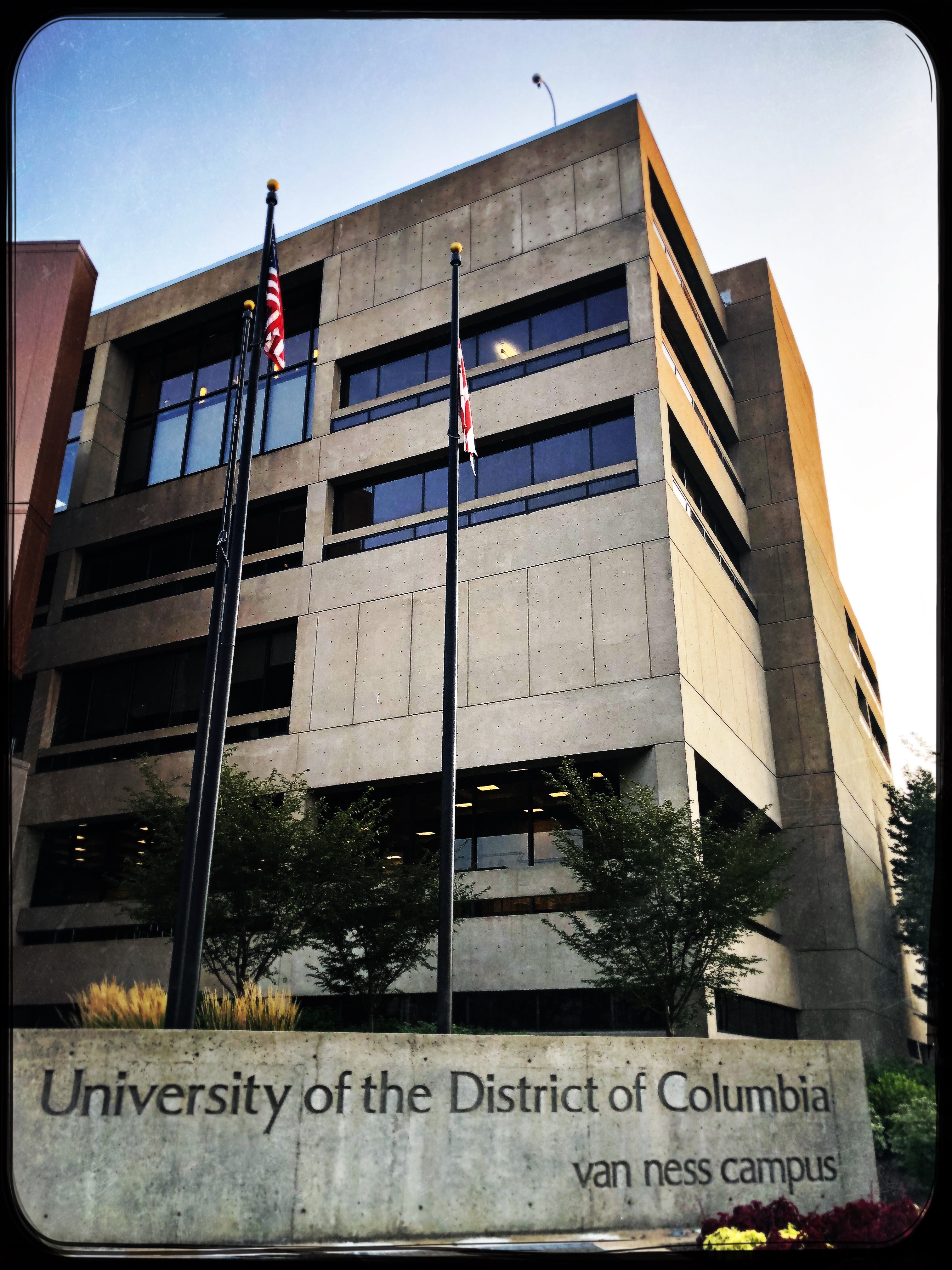
Making our way along Connecticut Avenue through Van Ness we walked by the University of the District of Columbia (UDC) campus. UDC was established in 1851 and is the only public university in the District. It has, approximately, 3,900 undergraduates and postgraduates. The campus in Van Ness was opened in 1968 and provides one of the few extensive examples of brutalist architecture in Ward 3.
Today we walked in Wakefield, a triangular neighborhood bounded by Nebraska and Connecticut Avenues and Van Ness Street and bisected by Reno Road. It’s a quiet neighborhood of unpretentious houses.
A typical Wakefield house
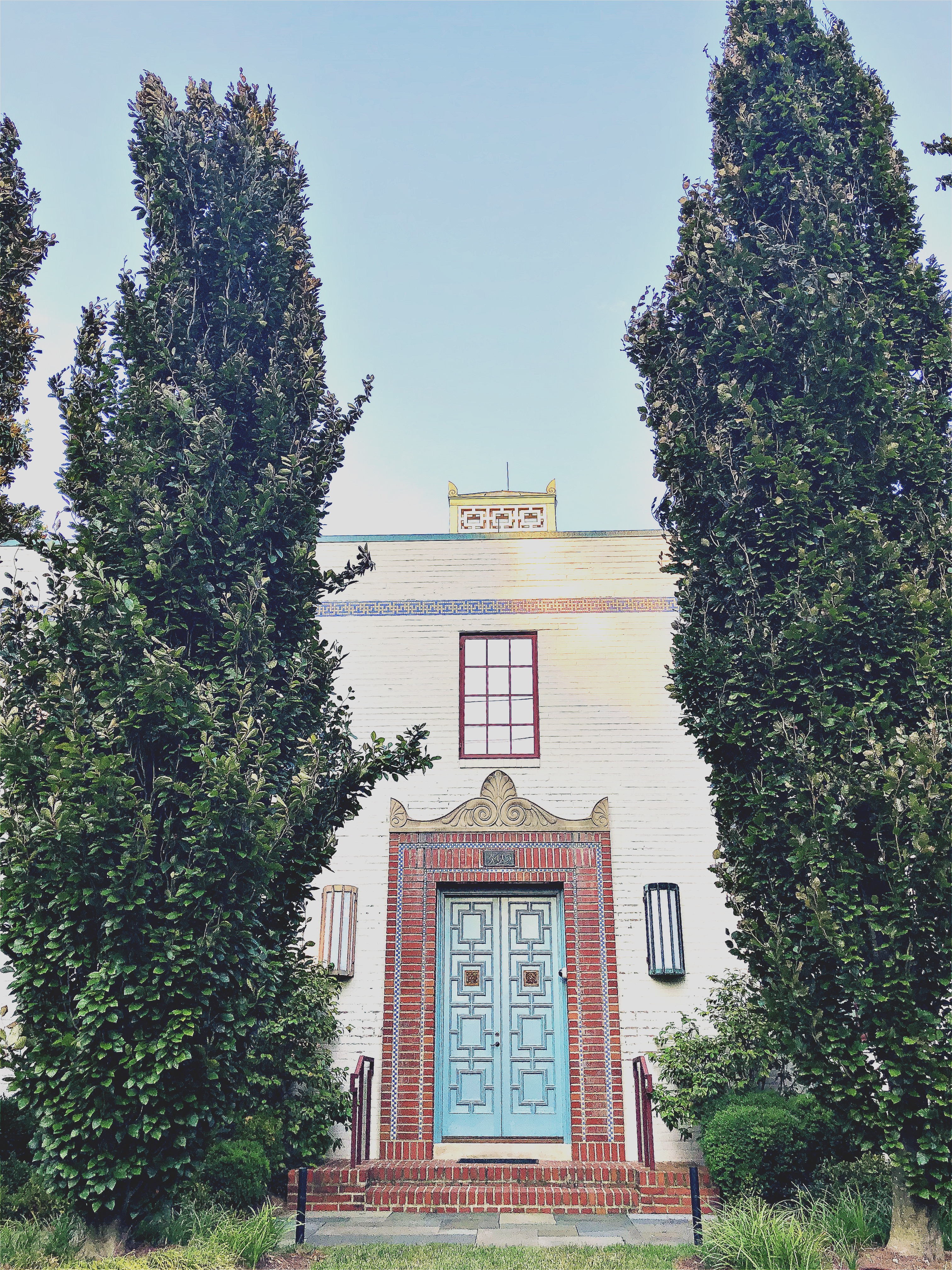
We decided to keep an eye out for blue doors, of which there were, surprisingly, many in the neighborhood. Here’s a few.
We loved this colorful house
And these stone and tile stairs
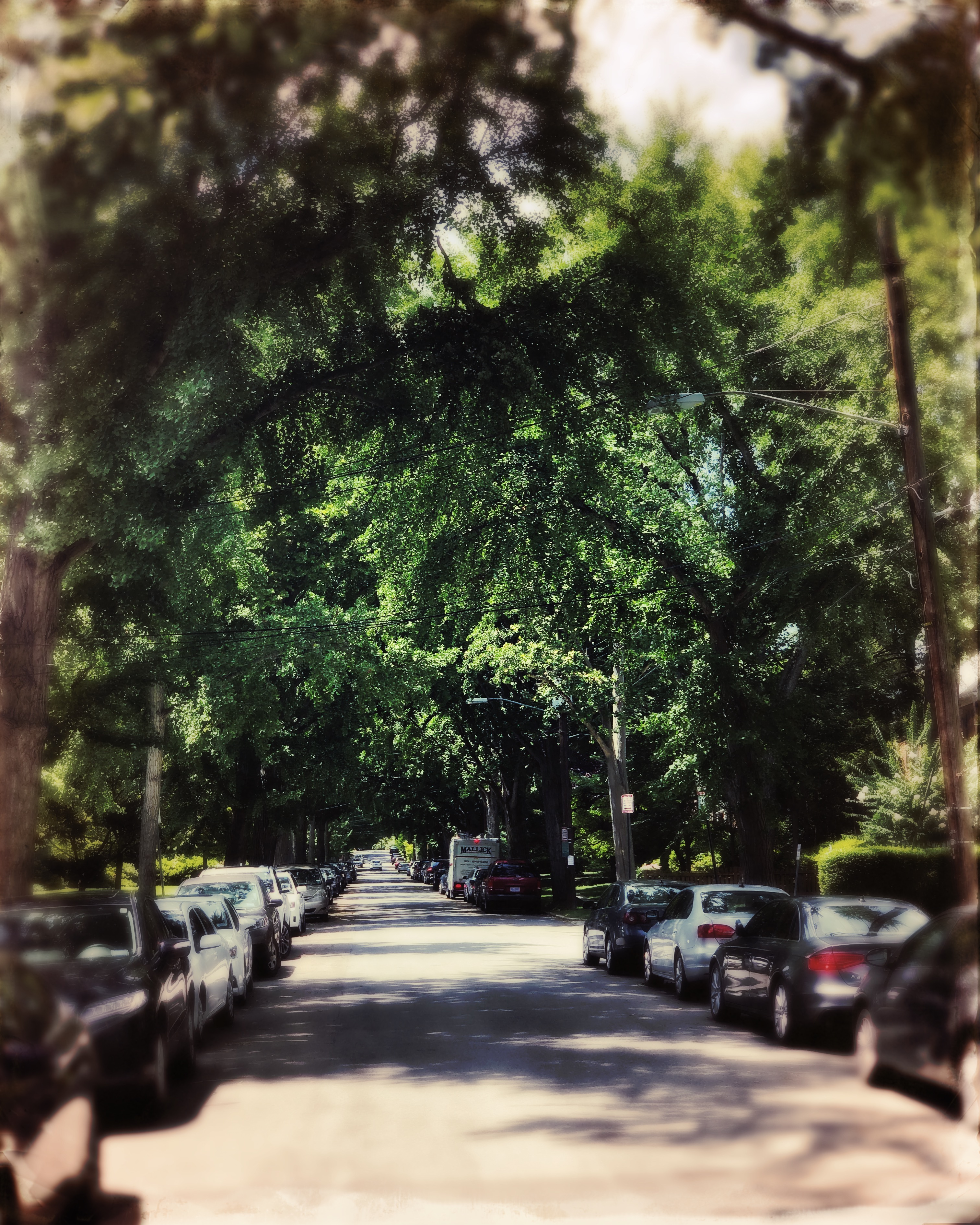
We made a mental note to return to Appleton Street in the Fall when the ginkgo streets that line it will make the whole street one bright yellow corridor.
Appleton Street NW
Finally, for today, here’s another photo for our “flowers and fences” series.
























































 Walking The District